Castle Rohrbach: A Neoclassical Hunting Lodge in Heidelberg
Site at a Glance
- Popularity
- Medium
- Country
- Germany
- Primary era
- Modern
- Eras represented
- Early Modern, Modern
- Civilizations
- Electoral Palatinate, Holy Roman Empire
- Site type
- Domestic
- Remains
- Elite Residence
On this page6 sections
History
A hunting lodge and park
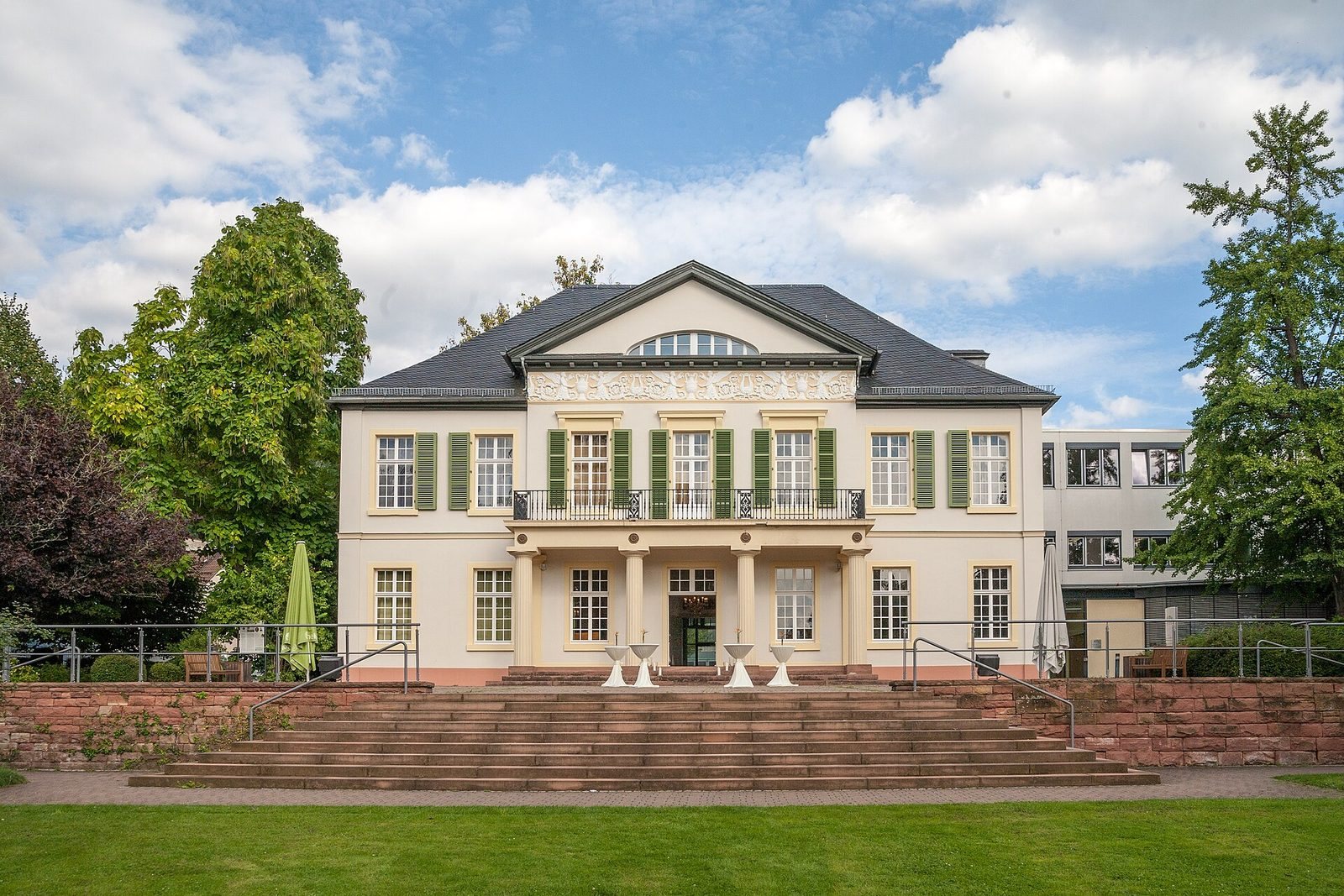
Castle Rohrbach is a former hunting lodge in Heidelberg, Germany, built around 1770 by Karl II August, ruler of the historic duchy of Palatinate-Zweibrücken and later its last duke. The estate included a landscape park. The castle’s present form is Neoclassical, a style drawing on ancient Greek and Roman architecture.
After the property entered Baden ownership, landscape architect Friedrich Ludwig Sckell redesigned the park. In 1803, the castle passed to Amalie of Baden, a member of the Baden ruling family. She commissioned alterations to plans by architect Friedrich Weinbrenner, giving the building its present visible form.
Hospital and clinic use
During the First World War, the building served as a military hospital. Rohrbach became part of Heidelberg in 1927. The following year, LVA Baden, the region’s statutory insurance institution, acquired the property to establish a specialist lung clinic. The hospital later became Baden property and developed into a large clinic specializing in thoracic surgery and tuberculosis.
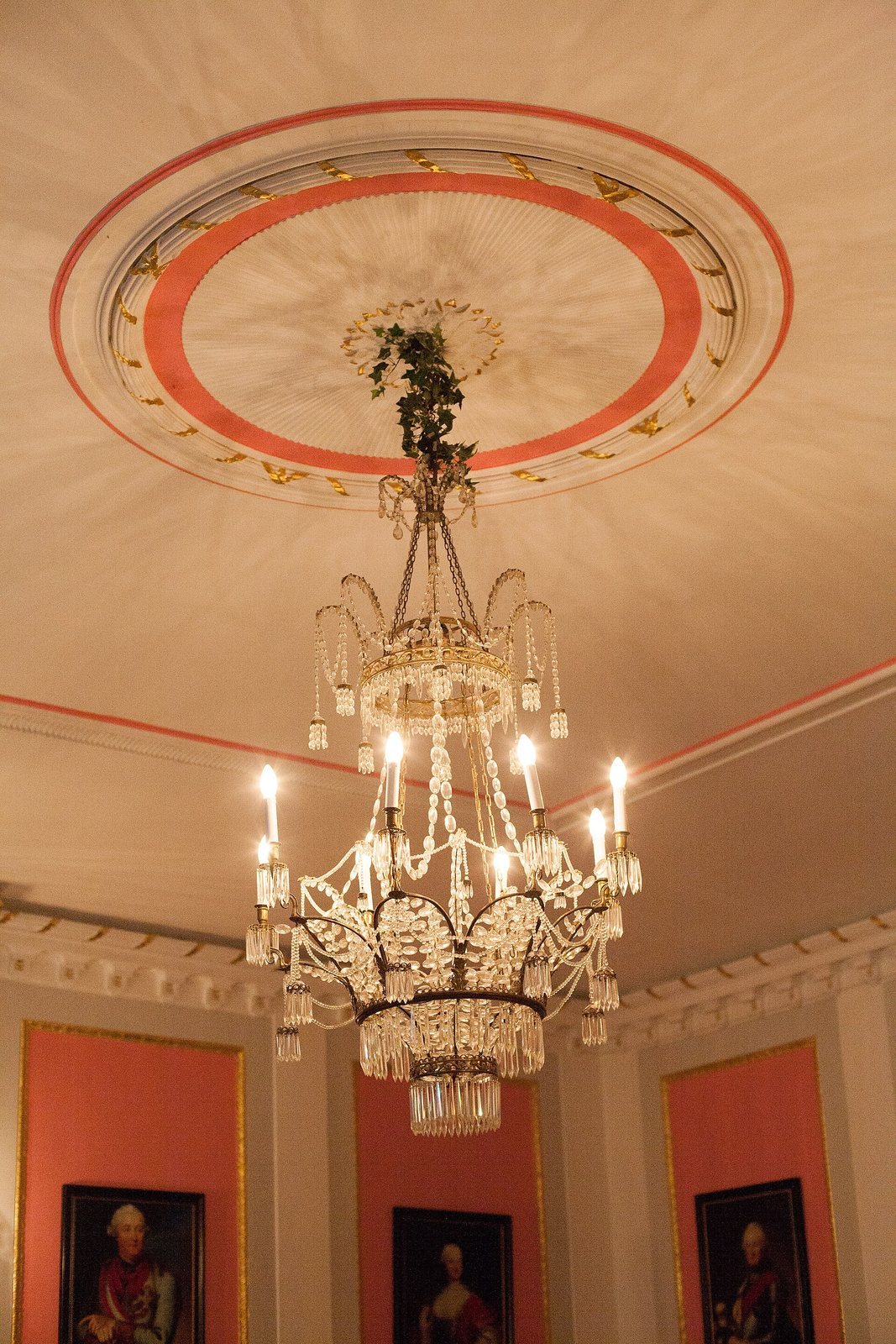
The estate no longer serves direct hospital operations and is now used for administrative and training purposes. Its hall was fully restored in 2005.
Remains
The rectangular castle stands in a park on the grounds of Heidelberg’s Thoraxklinik, at present-day Parkstraße. The park includes part of the former castle grounds.
Castle building
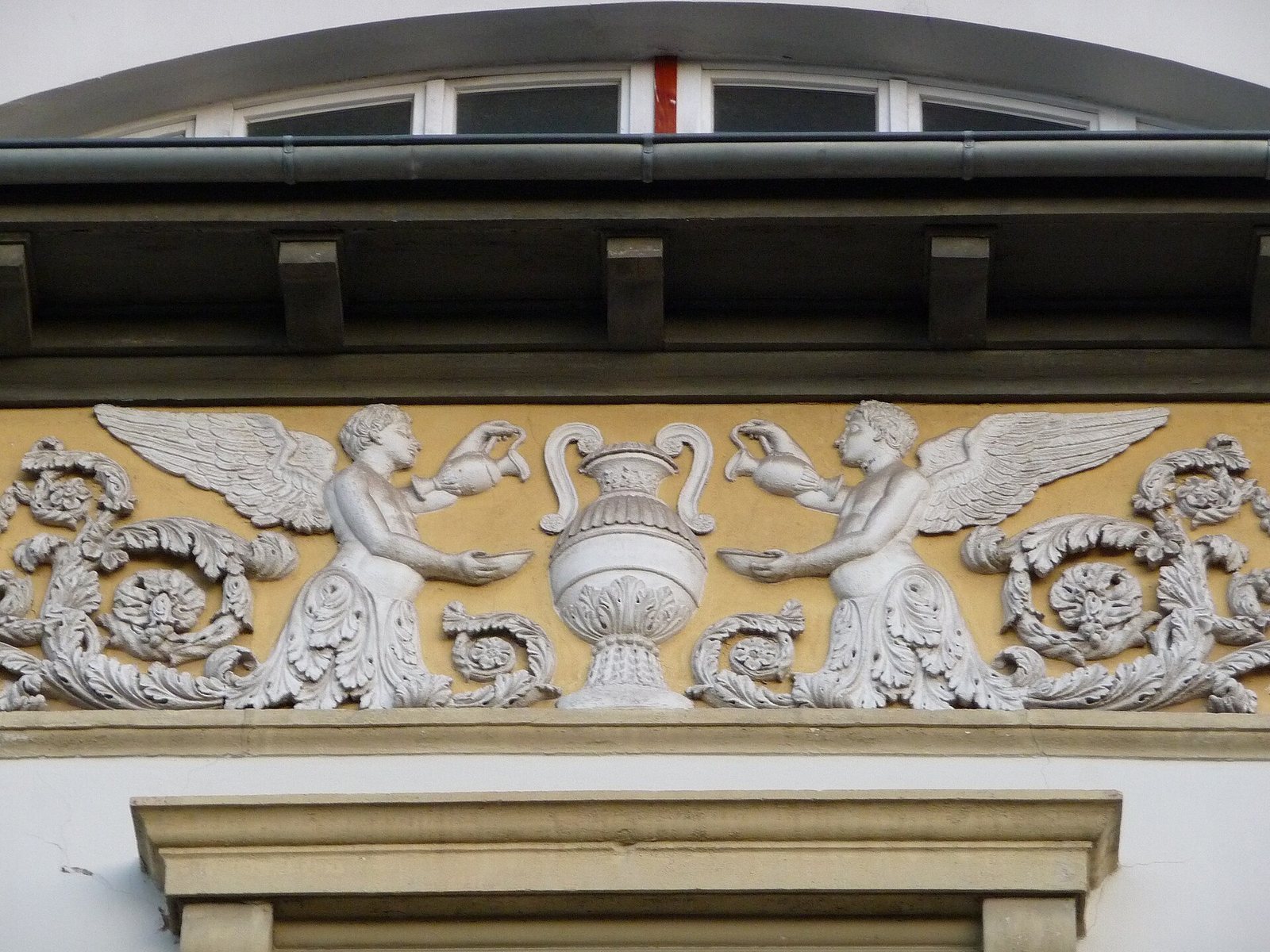
The two-storey building has a central section that projects from the facade across three vertical divisions. A horizontal decorative band, or frieze, runs across the upper part of this section. The building contains a hall.
Park
The surrounding park incorporates part of the former castle park, redesigned by Friedrich Ludwig Sckell after the estate passed into Baden ownership.