Castle Otway: An Eighteenth-Century Country House in Ireland
Site at a Glance
- Rating
- 4.7
- Popularity
- Very Low
- Country
- Ireland
- Primary era
- Early Modern
- Eras represented
- Early Modern, Modern
- Civilizations
- British
- Site type
- Domestic
- Remains
- Manor House
On this page9 sections
History
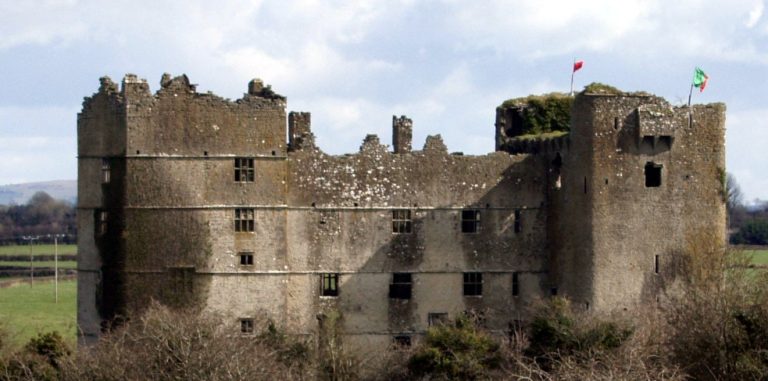
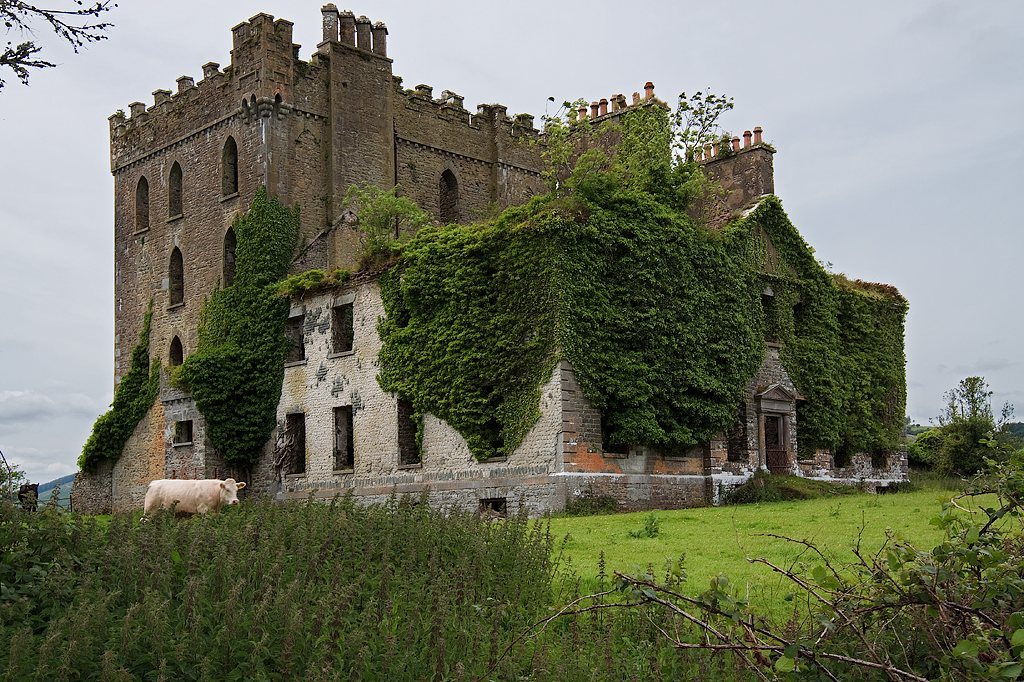
Castle Otway is an eighteenth-century country house, now a ruin, on a hill outside Templederry, near Nenagh in County Tipperary, Ireland. Its ownership history is closely associated with the Otway family.
Grant and inheritance
The castle and surrounding land were granted to John Otway in 1685. Henry Otway (1768–1815) later inherited the property. He married Sarah Cave of Stanford Hall in Leicestershire, who held the title of Baroness Braye in her own right, meaning the title belonged to her personally rather than through her husband. After Henry died, Sarah and their son Robert adopted the surname Otway-Cave, and Robert received the property.
Nineteenth-century succession
Robert died without children in 1844. His cousin, Vice-Admiral Robert Jocelyn Otway, then inherited the house. When the admiral died in 1884, ownership passed to his son-in-law, Galway-born William Clifford Bermingham Ruthven, who adopted the surname Otway-Ruthven.
Destruction in 1922
In 1922, during the Irish Civil War, a conflict between pro-Treaty and anti-Treaty forces following the Anglo-Irish Treaty, Castle Otway was burned, probably by anti-Treaty Republicans.
Remains
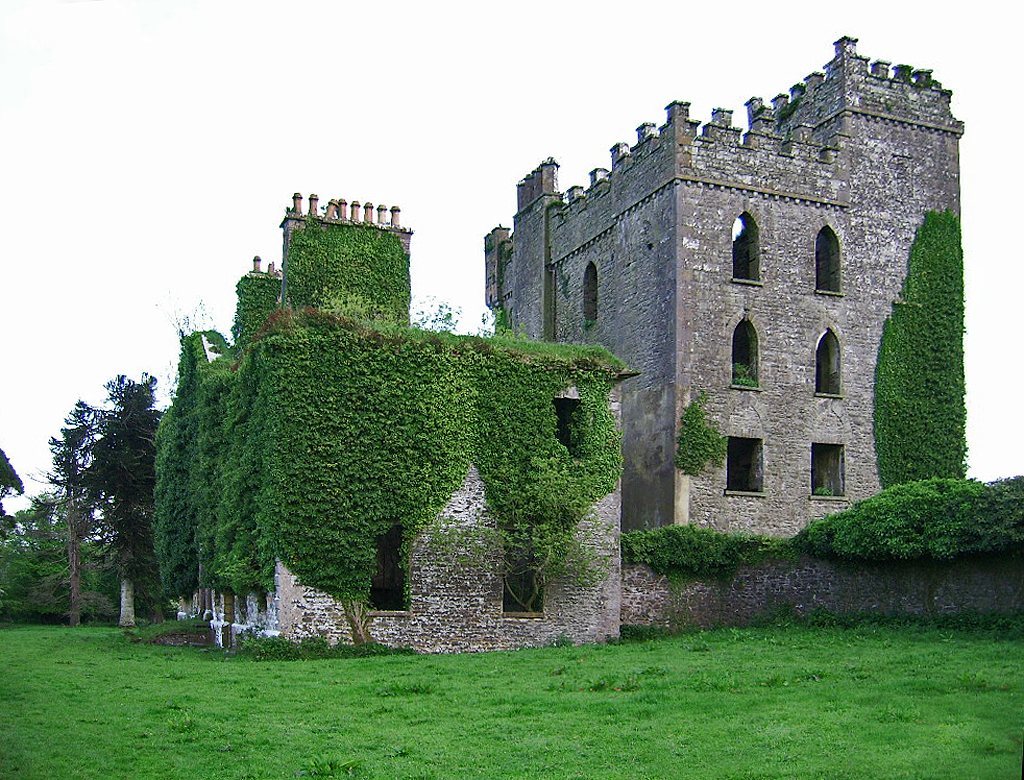
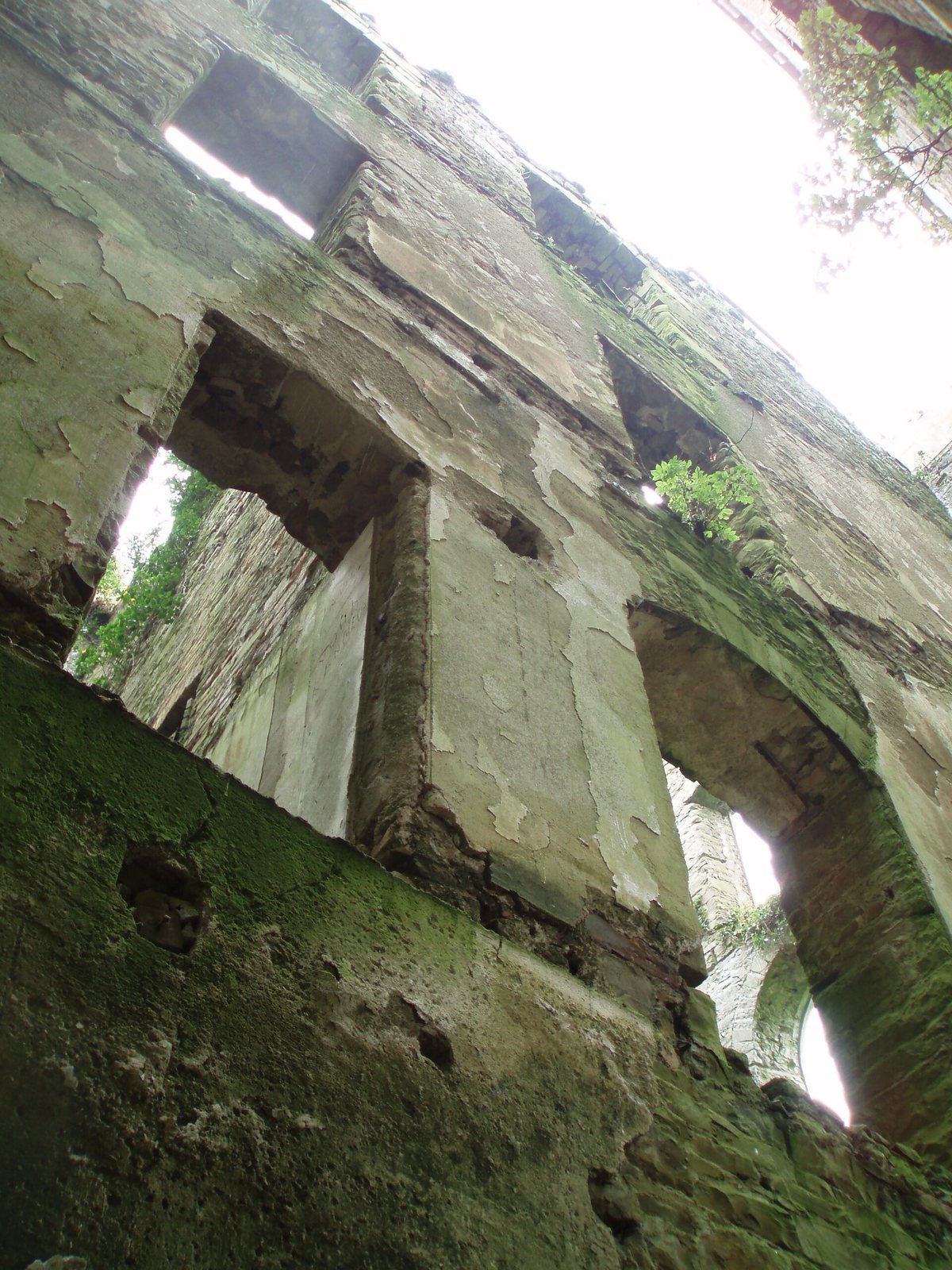
The surviving site brings together the stone country house and the remains of Cloghane Castle, against which it was built.
House and castle remains
Main house
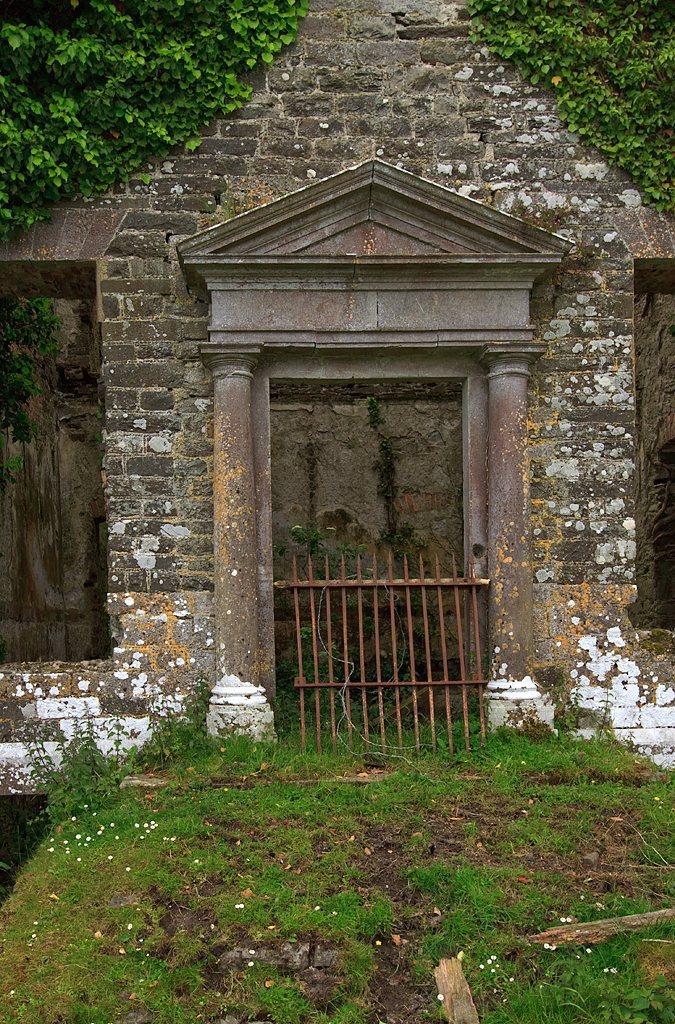
The two-storey stone house has a front divided into seven sections. Pediments, features crowning sections of the front, top its central three sections.
Rear tower
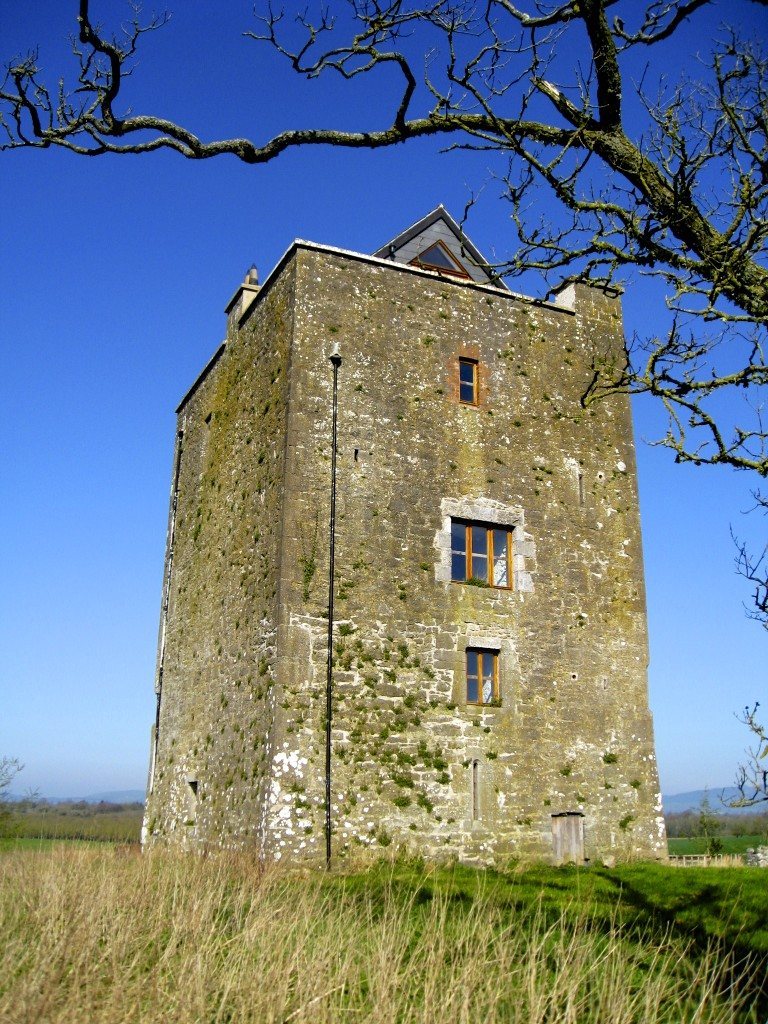
A tower house, a fortified residence built around a tower, was added behind the main house in the nineteenth century. It was constructed on the remains of Cloghane Castle’s principal defensive stronghold.
Estate and associated object
The house is now a derelict ruin, and its former gardens and estate land are used for agriculture. The Otway Harp, an ornate instrument dating to the late sixteenth century, was once kept in the house. It is now owned by Trinity College Dublin, a university in Dublin.