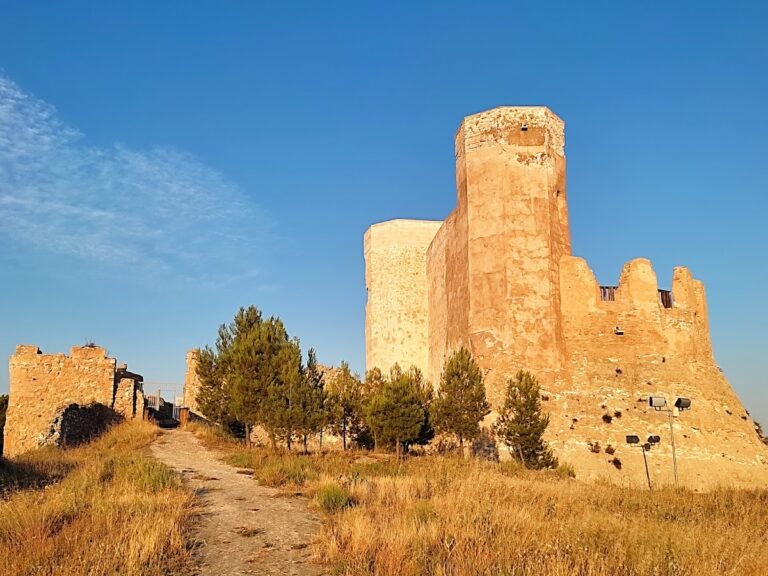
Castle of Villanueva de Jalón: A Caliphal Fortress in Spain


Site at a Glance
- Rating
- 5
- Popularity
- Very Low
- Country
- Spain
- Primary era
- Medieval
- External website
- Open
- Eras represented
- Medieval
- Civilizations
- Umayyad
- Site type
- Military
- Remains
- Castle
On this page4 sections
History
The Castle of Villanueva de Jalón is an eleventh-century fortress of caliphal origin in Spain, situated within the municipality of Chodes in Zaragoza Province. The term caliphal refers to the political and cultural tradition associated with a caliphate, an Islamic state ruled by a caliph. Built during this period, the castle occupied a strategic position above the settlement and the Jalón River valley.
Caliphal origins and Aragonese conquest
The fortress was established at Villanueva de Jalón during the eleventh century. In 1119, Alfonso I of Aragon, known as “the Battler,” reconquered it together with the nearby castles of Chodes and Morata de Jalón. Alfonso’s campaigns extended Christian control over parts of the Ebro valley, including the area around Villanueva de Jalón.
Later lordship and legal protection
After the reconquest, Villanueva de Jalón passed through the hands of several holders, including the Counts of Luna, a noble comital house whose members exercised territorial authority in Aragon. In 1430, the county passed to the Crown, and the settlement subsequently came under various lords.
The castle is included among the castles designated as Assets of Cultural Interest under the second additional provision of Aragon’s Cultural Heritage Law 3/1999. The designation was published in the Official Gazette of Aragon on 22 May 2006. The entire settlement of Villanueva de Jalón is also protected as a Site of Ethnographic Interest, a designation recognizing cultural value linked to traditional settlement, practices, or ways of life.
Remains
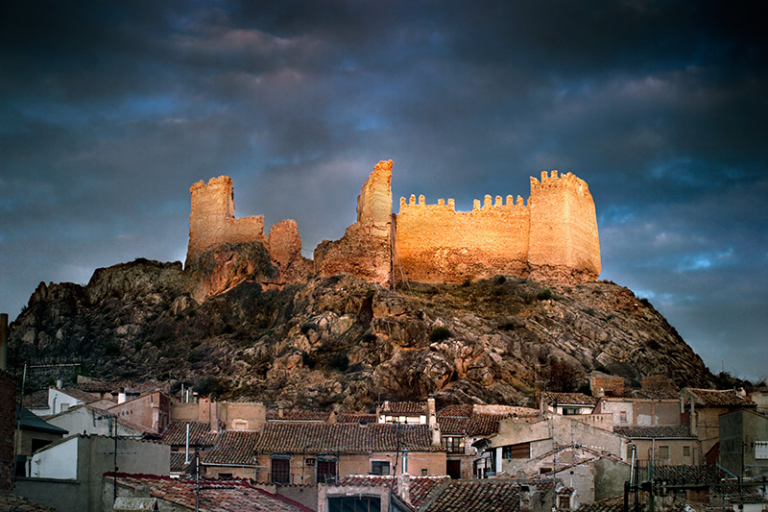
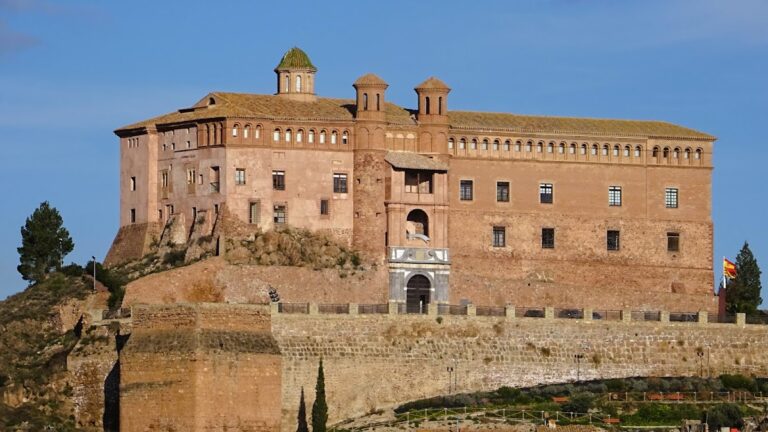
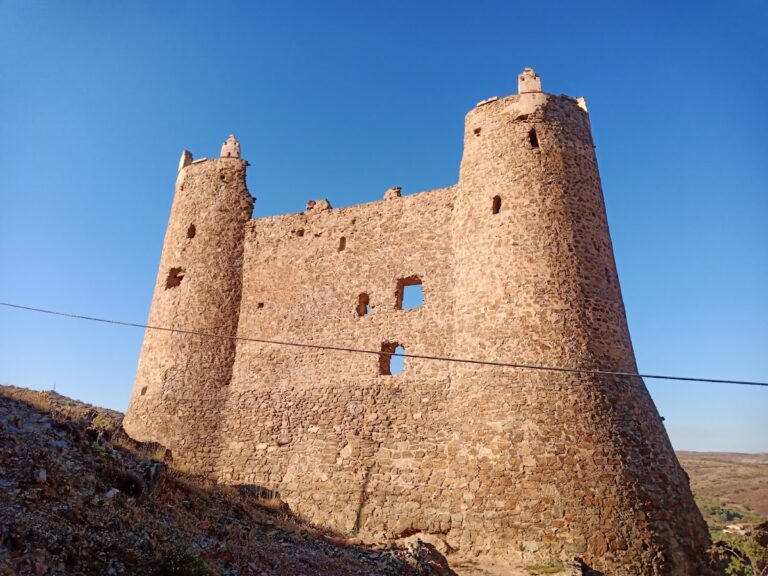
The castle occupies a rocky crag at the highest point of Villanueva de Jalón. Its surviving fabric consists of the remains of a square tower and part of a curtain wall, the defensive wall enclosing a fortified site. The tower measures approximately three metres on each side and is built from rubble masonry bonded with mortar.
Its elevated position gave the fortress a broad outlook over the Jalón River valley. The castle probably served as a lookout, making its location an important part of its defensive function. The surviving masonry preserves only a small portion of the original stronghold, but the tower and curtain wall indicate the defensive character of the settlement’s summit.
Nearby sites