Castillo de Báguena: An Eleventh-Century Frontier Castle

Site at a Glance
- Rating
- 4.5
- Popularity
- Very Low
- Country
- Spain
- Primary era
- Medieval
- Eras represented
- Medieval
- Civilizations
- Crown of Aragon, Crusader, Knights Templar
- Site type
- Military
- Remains
- Castle
On this page6 sections
History
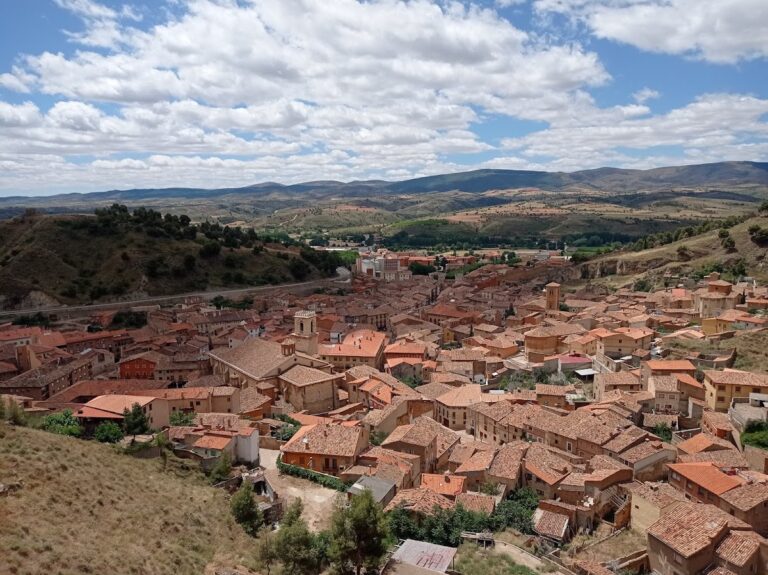
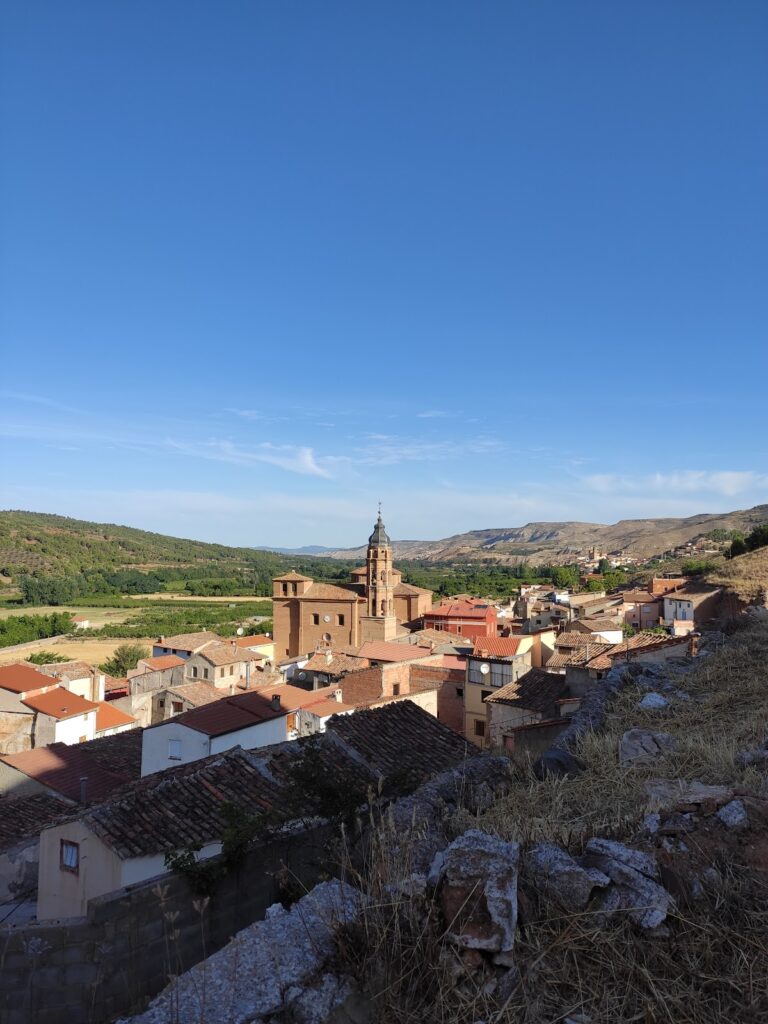
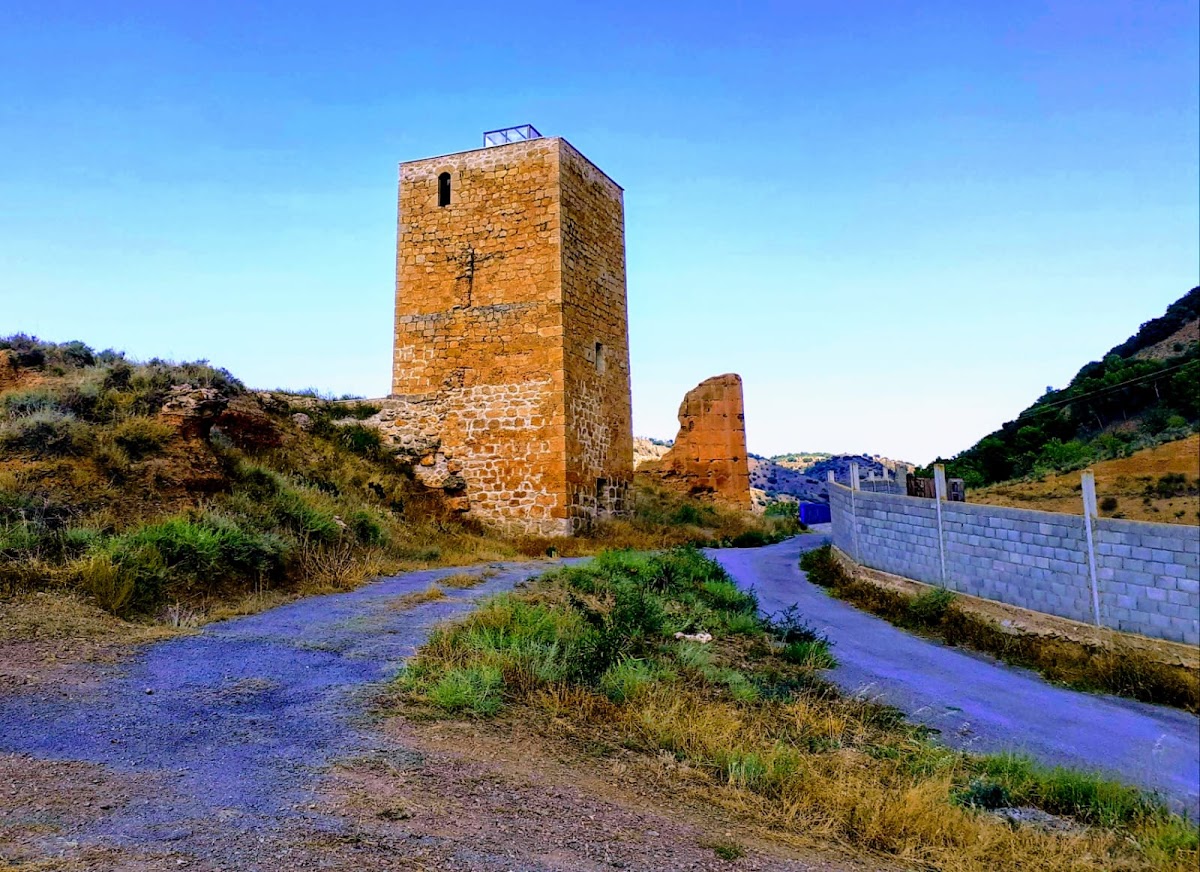
Castillo de Báguena is an eleventh-century castle in Báguena, Spain, in the Jiloca area of Aragón. Its early history unfolded during the transition from Muslim rule to Christian and Templar control, and the site may preserve traces of still earlier Muslim and Iberian periods.
From Conquest to Templar Control
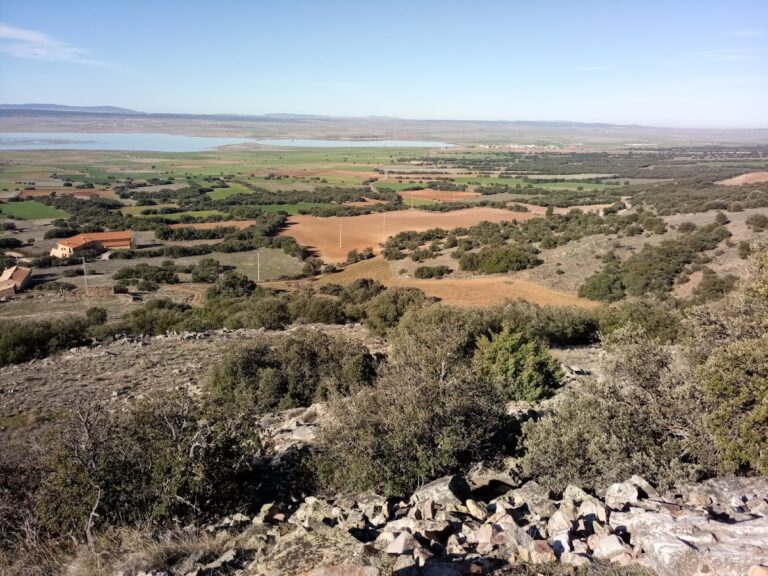
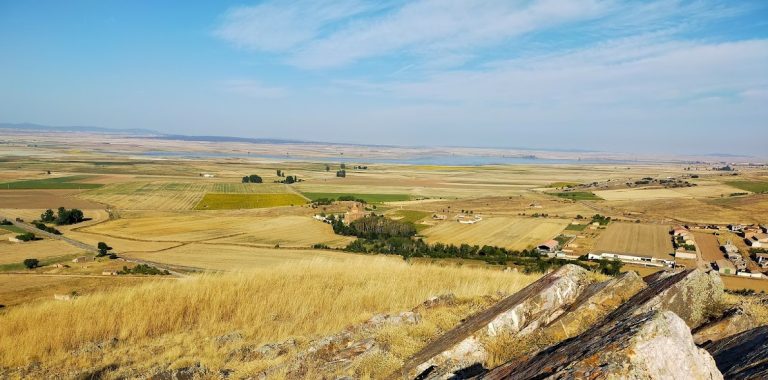
The castle stood in territory recently conquered from Islamic rule. Muslim inhabitants continued to live in Báguena during the following centuries, while the twelfth century brought intensified fortification throughout the Jiloca River valley. These defenses helped secure the Christian conquest and protect settlements in a contested region.
The Community of Villages of Daroca
After the Templar Order, a medieval Christian military-religious order that held and defended fortified sites, was abolished in 1312, Castillo de Báguena passed to the Community of Villages of Daroca. It became part of the Campo de Gallocanta administrative division. The villages shared responsibility for maintaining their fortifications in a frontier zone facing the Kingdom of Castile. Repairs to the castle are recorded in 1344.
The War of the Two Peters
When the War of the Two Peters began in 1359, Castillo de Báguena became a refuge for people living on the Aragonese frontier. The conflict was fought between Peter I of Castile and Peter IV of Aragón, and its campaigns placed particular pressure on frontier defenses and settlements. The castle formed part of the second defensive line around Daroca and worked with observation towers in the Jiloca valley.
Maintaining the garrison placed a heavy burden on Báguena’s population. In 1362, the king ordered that the village and fortress should be demolished if they could not be defended. Castilian troops besieged the castle in April 1363. Its commander, Miguel de Bernabé, led a determined defense, but the fortress fell on 14 April.
Recognition of the defense followed in 1371 and 1372, when the Courts of Caspe, Alcañiz, and Zaragoza granted infanzonía to Miguel de Bernabé’s descendants through both male and female lines. Infanzonía was an Aragonese form of hereditary noble status associated with the infanzos, a lower rank of nobility. A popular legend adds that Bernabé continued fighting until the castle was burned and captured, and that his charred body was later found with one arm still holding the castle keys.
Restoration and Heritage Status
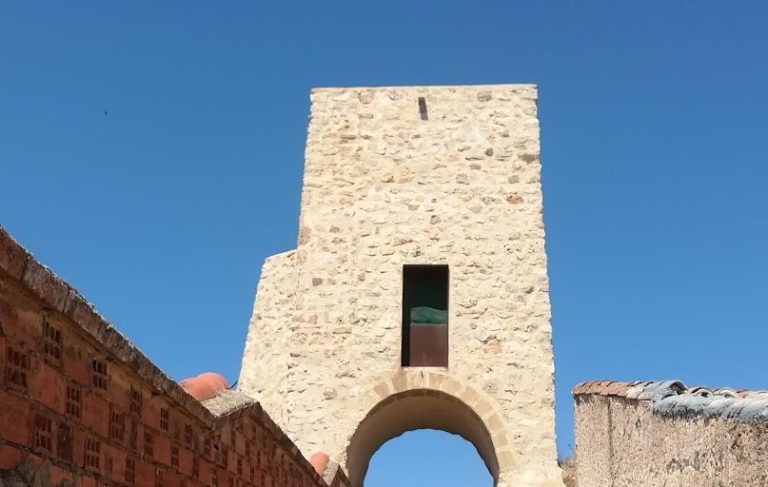
Castillo de Báguena was restored in 2002. It is a catalogued asset of Aragonese Cultural Heritage. Spain’s 1985 Historical Heritage Protection Law also generally classifies castles as Assets of Cultural Interest.
Remains
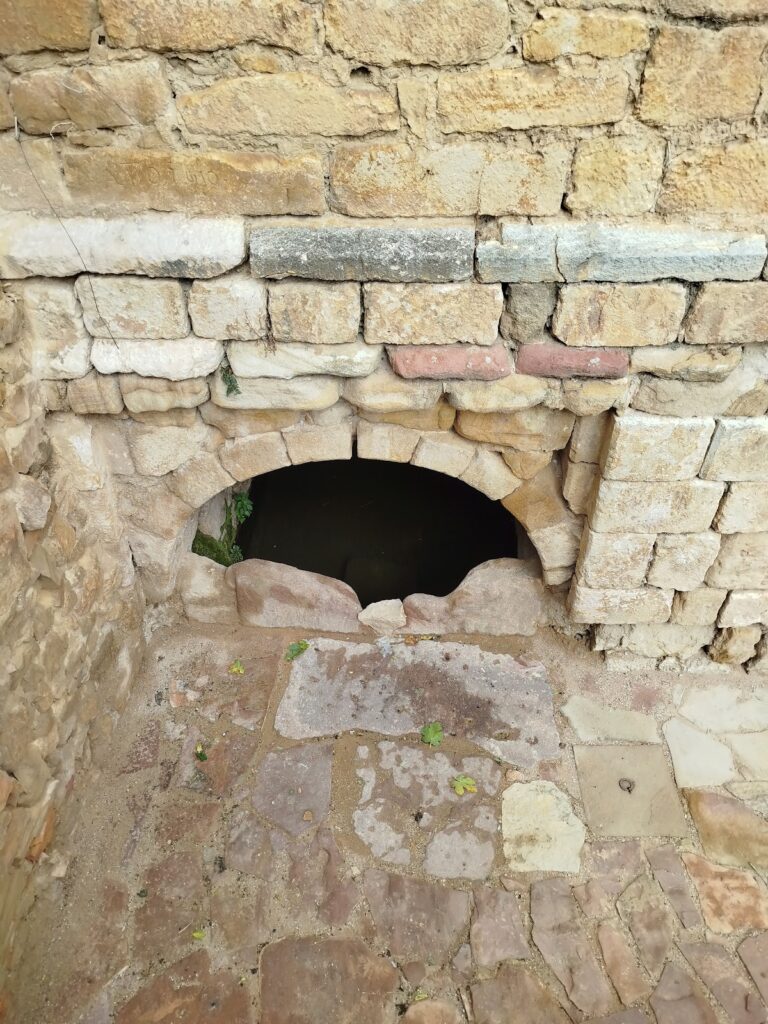
Castillo de Báguena survives as the remains of an eleventh-century castle on a site that may also contain evidence from Muslim and Iberian periods. The available physical description identifies the fortress and its long archaeological sequence rather than detailing individual walls, buildings, materials, or internal areas. Restoration carried out in 2002 forms part of the site’s present condition.