Acerenthia: An Ancient Settlement and Former Seat of the Diocese of Cerenzia
Site at a Glance
- Popularity
- Medium
- Country
- Italy
- Primary era
- Iron Age
- Eras represented
- Iron Age, Classical
- Civilizations
- Ancient Greek
- Site type
- City
On this page7 sections
History
Acerenthia, now known as Old Cerenzia, is an abandoned settlement in Cerenzia, Italy. Its earliest building phase dates to between the seventh and fifth centuries BCE, during Greek colonization, the establishment of Greek settlements around the Mediterranean, including southern Italy. From 1080 to 1818, Acerenthia was the seat of the Diocese of Cerenzia, a bishop’s church district.
Origins and changing names
Strabo, an ancient Greek geographer and historian, attributed Acerenthia’s foundation to Philoctetes, a figure from Greek mythology. Stephen of Byzantium, a late-antique Greek scholar, instead traced its origins to the Oenotrians, an ancient people of southern Italy.
The settlement was also known as Akerentia and Acheronthia, and was identified by the name Pumentum. Its name developed from Akerontia to Akerentia in the early medieval period, then to Acerentia, from which the modern name Cerenzia derives. Akerontia was associated with the Acheron River, now called the Lese.
Diocesan center and population
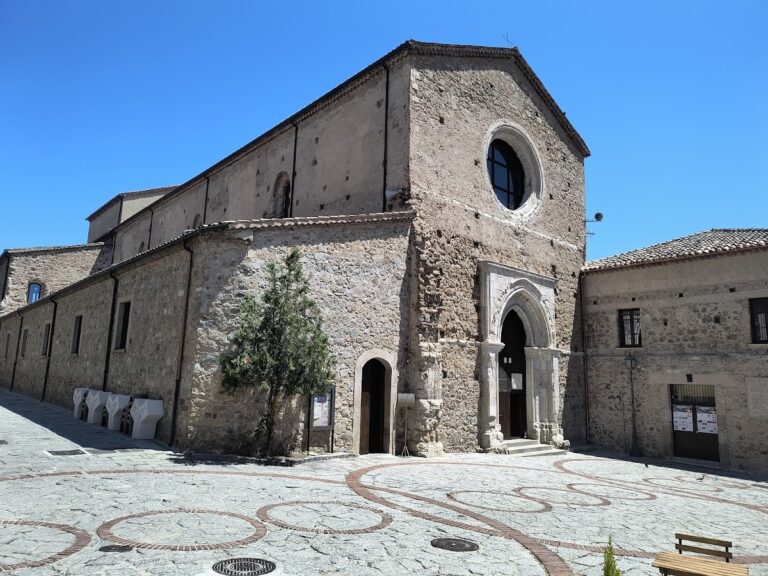
The church of Saint Theodore of Amasea, named for an early Christian martyr associated with Amasea, served as the cathedral, the bishop’s principal church. It had previously been dedicated to Saint Leo. At its height, Acerenthia had about 7,000 inhabitants and nine churches.
The plague of 1528 cut the population in half through deaths and departures. Some people moved to nearby Caccuri or to settlements in the Sila, including San Giovanni in Fiore. The population later dwindled to a few hundred.
Earthquakes and abandonment
After the settlement had begun to recover, an earthquake in 1638 prompted another substantial wave of emigration. The earthquake of 1783 damaged houses, and many residents chose to establish a new settlement on the hill above the old town rather than repair them. In 1844, difficult sanitary conditions led to the abandonment of the old village. Its remaining inhabitants moved to the new urban center, which took the name Cerenzia.
The village deteriorated rapidly after its abandonment. The municipal administration has been developing an archaeological park at the site.
Remains
Settlement layout
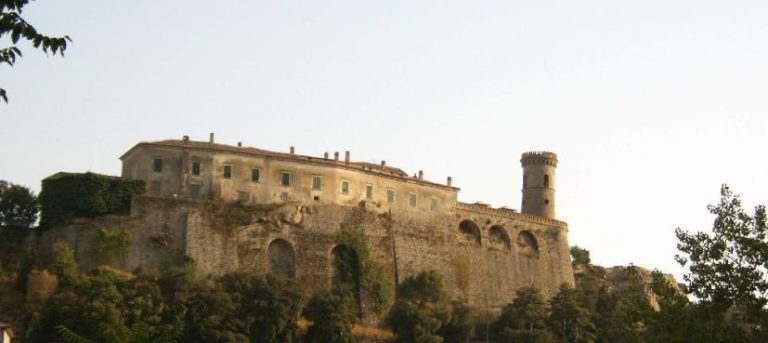
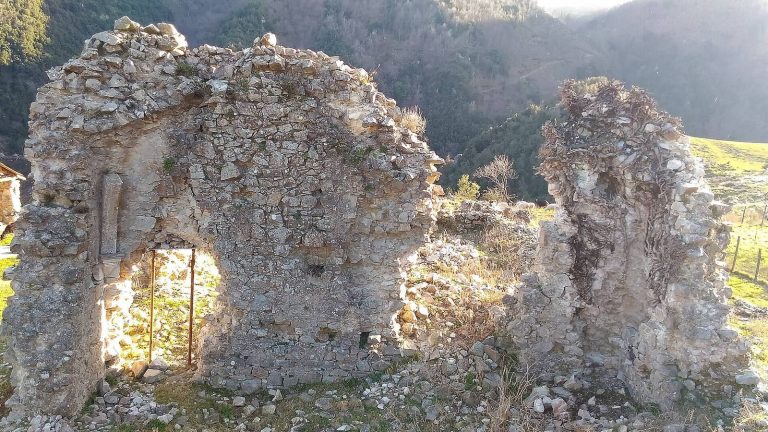
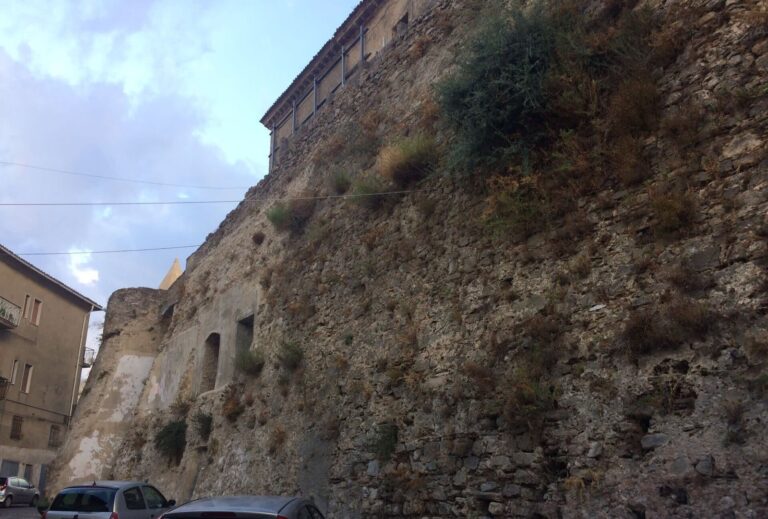
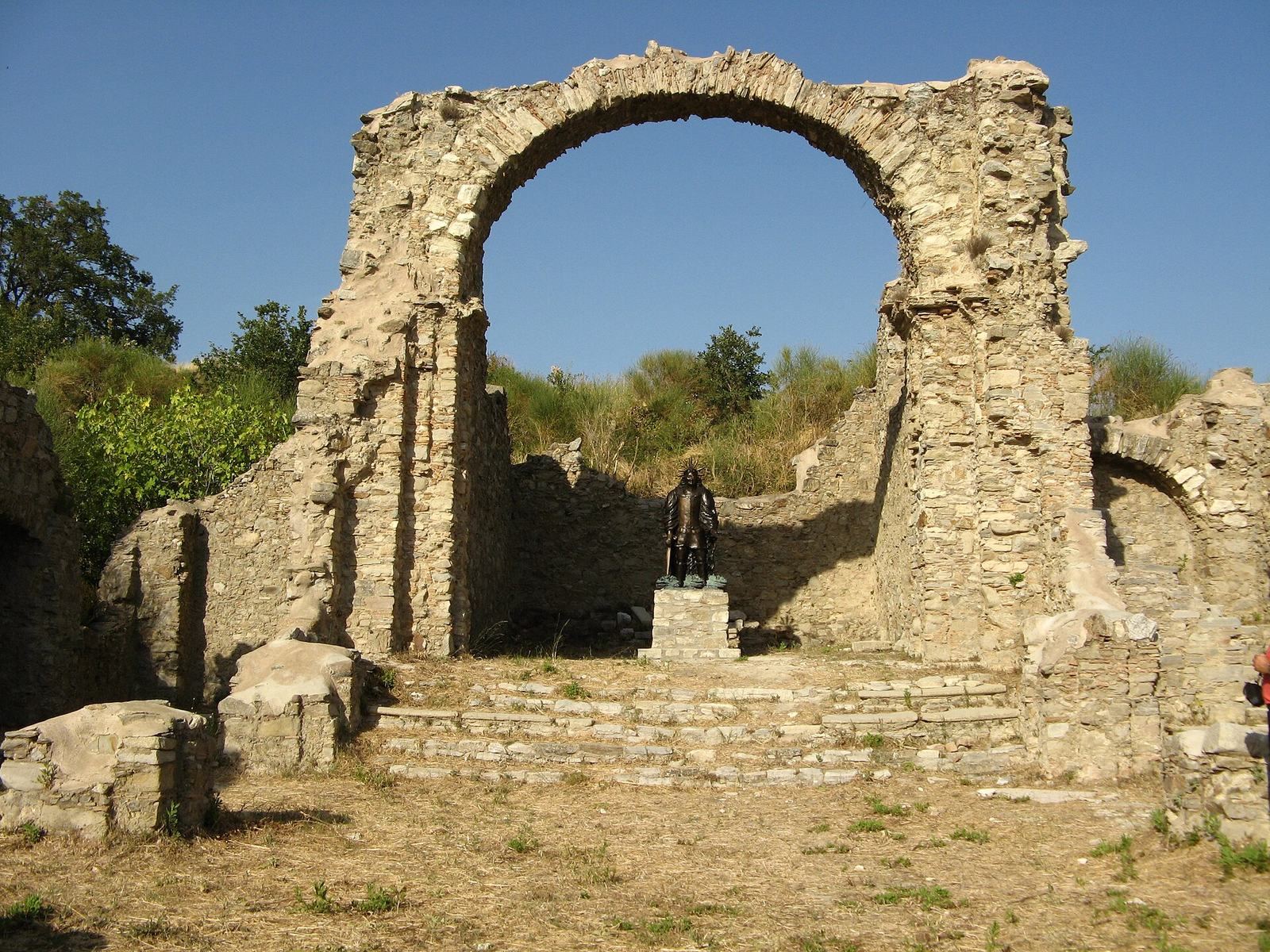
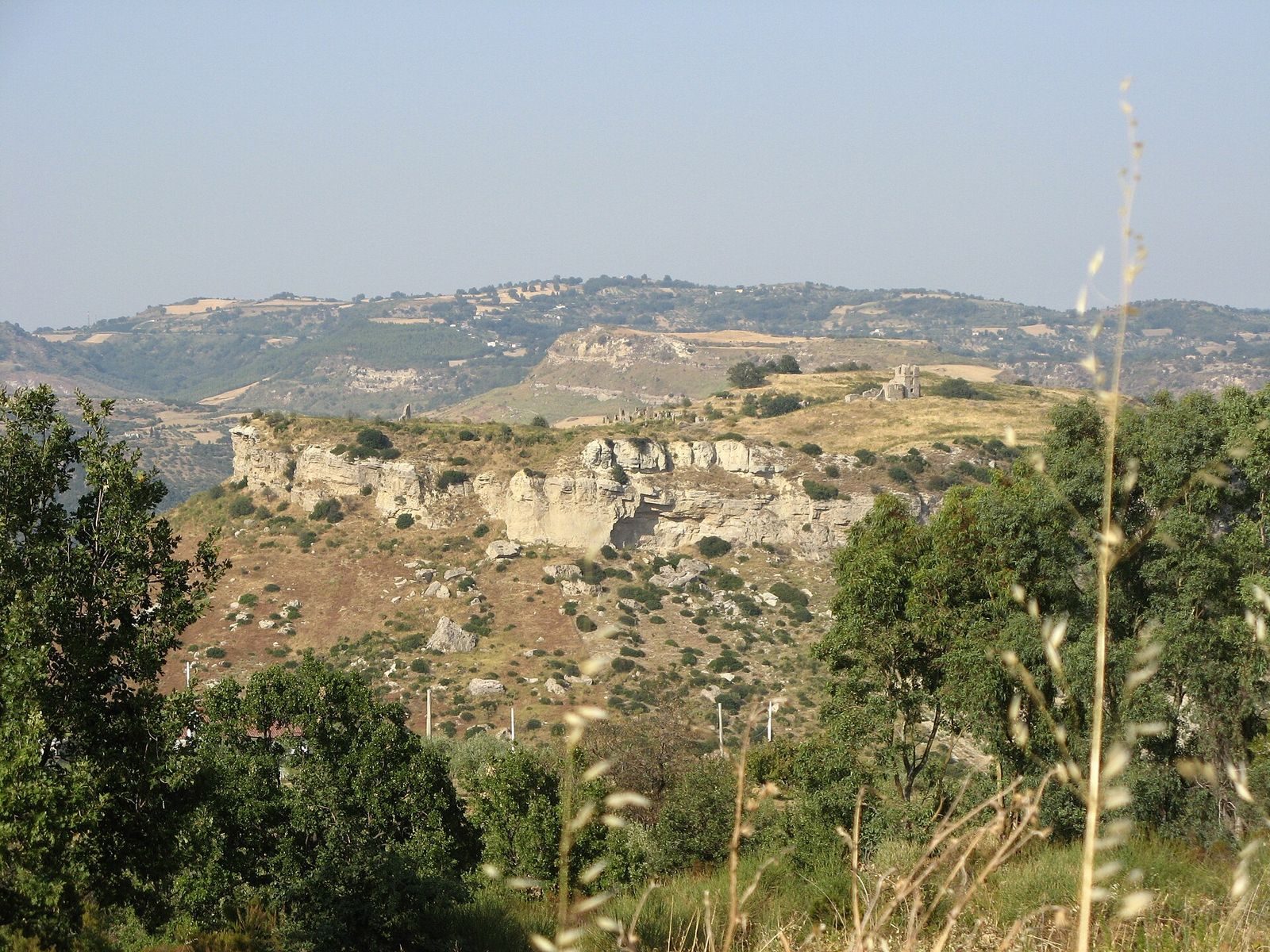
Acerenthia spread across two hills at about 520 metres above sea level, in the area now known as Scozia. Its houses and other buildings survive as ruins. They were constructed from locally sourced, highly soluble stone, which proved poorly durable.
Hilltop structures and excavated features
Remains of the church of Saint Theodore of Amasea occupy the summit of one hill, while a castle stood on the other. A feature called the Prince’s Palace was excavated in 2007. Investigations from 2015 to 2017 examined a feature that may have been the ancient citadel, a fortified stronghold overlooking the settlement.