Castillo San Sebastián de la Cruz: A Spanish Fort at Corral Bay
Site at a Glance
- Popularity
- Medium
- Country
- Chile
- Primary era
- Early Modern
- Eras represented
- Early Modern, Modern
- Civilizations
- Spanish
- Site type
- Military
- Remains
- Fort
On this page8 sections
History
Formation of the Valdivia defenses
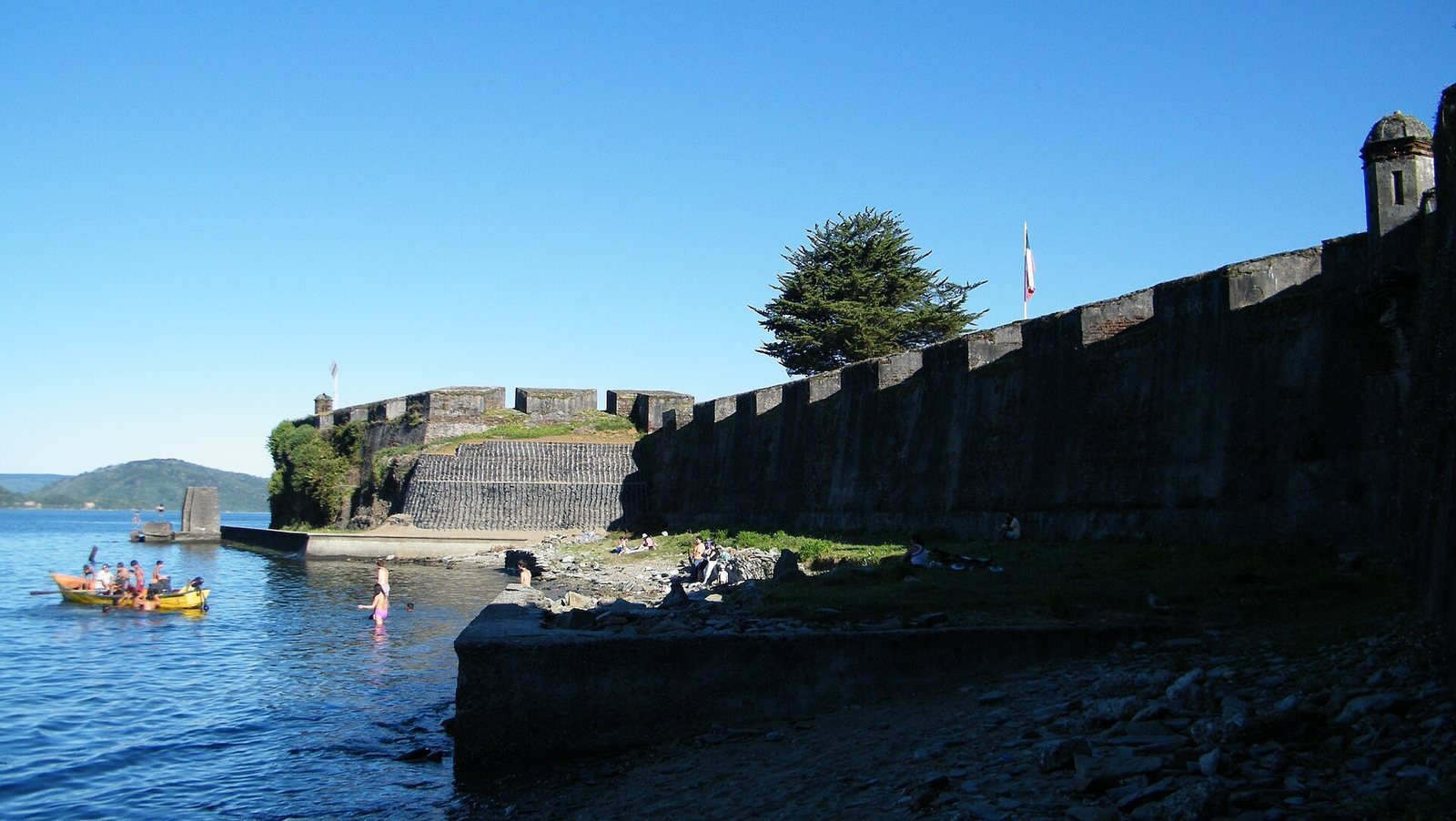
Castillo San Sebastián de la Cruz is a Spanish coastal fort at Corral Bay in Chile. Construction began in 1645, as part of the Spanish Crown’s reorganization of defenses in the Valdivia area. The fort followed bastioned fortification principles, which use projecting defenses to strengthen walls and direct defensive fire, and guarded the bay’s entrance and the approach to the Valdivia River.
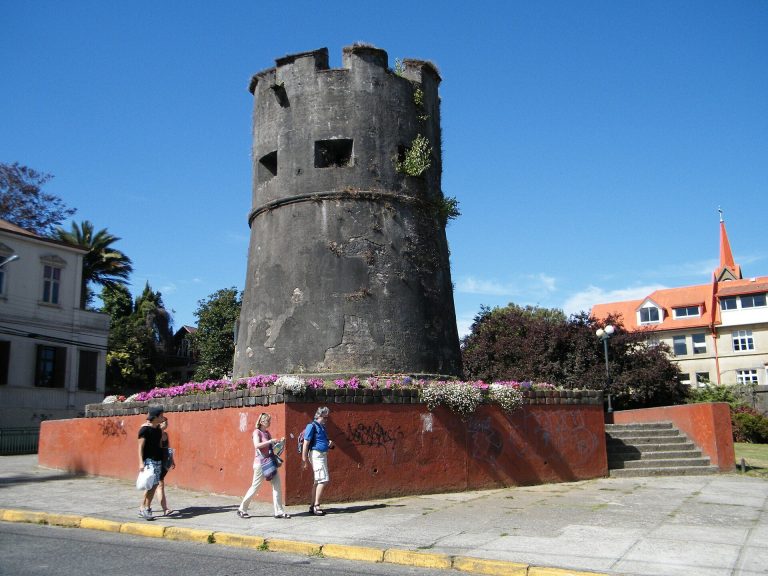
This defensive effort followed the Spanish defeat at Curalaba in 1598, during a conflict with the Mapuche, and the Dutch occupation of Valdivia in 1643 under military leader Hendrick Brouwer. The recovery of the territory led to Valdivia’s refoundation and the creation of a network of 17 Spanish strongholds, intended to protect Corral Bay and control access to the river. Antonio de Toledo y Leiva, viceroy of Peru, a governor who represented the Spanish monarch in an overseas territory, initiated the fort’s construction. Its layout was designed by Constantino Vasconcelos, a senior engineer in the Spanish Royal Navy; the stonework was erected in 1678.
Rebuilding and military service
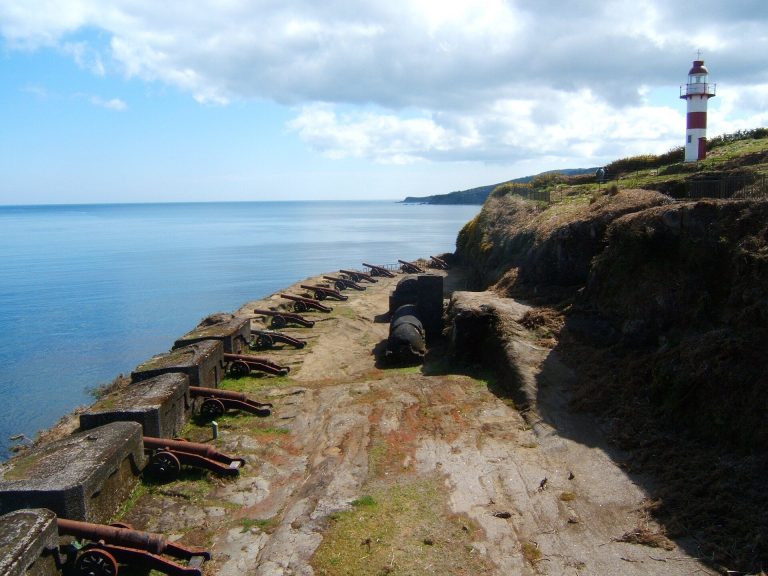
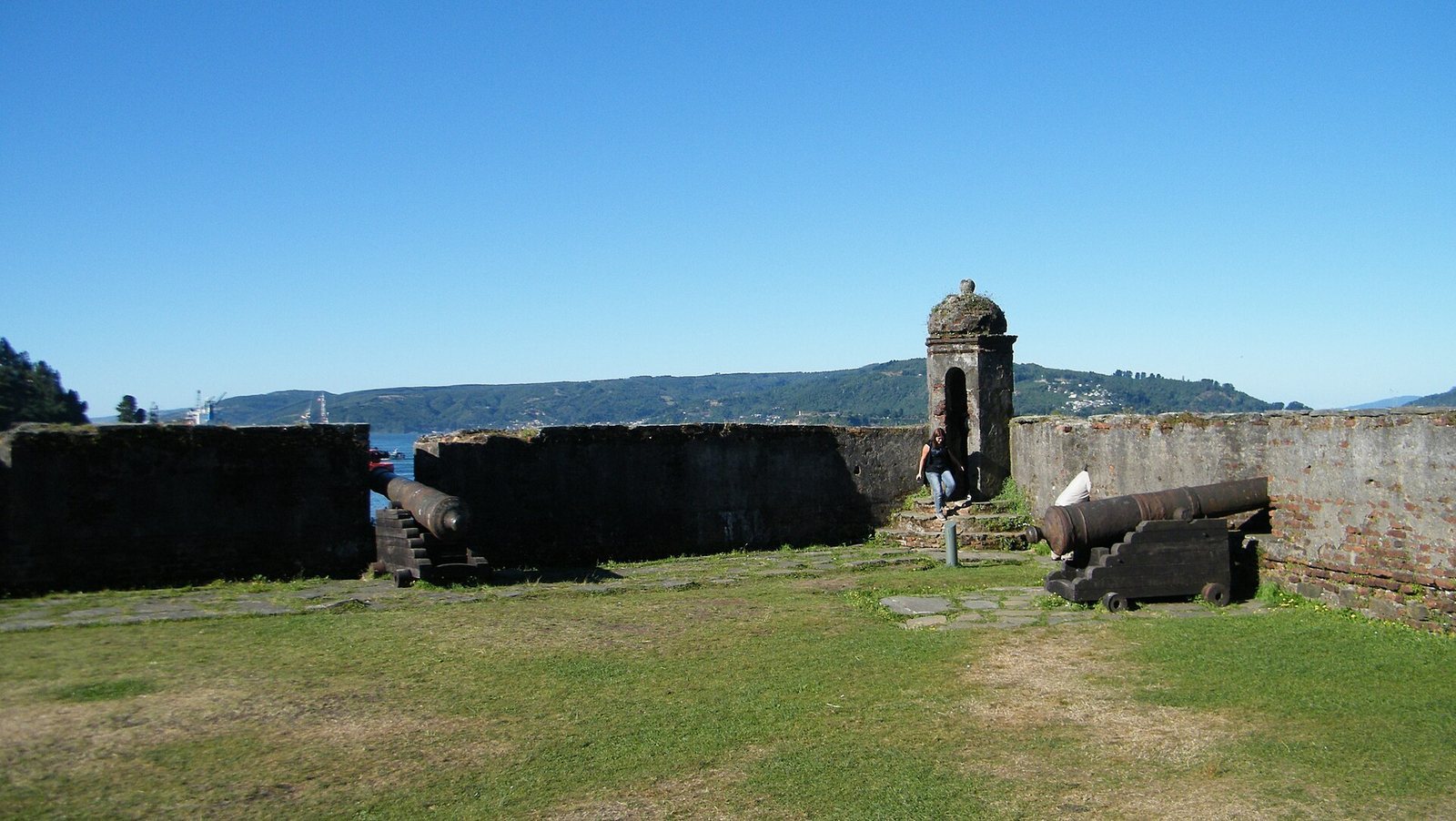
Irish engineer Juan Garland rebuilt the fortification in 1764. During the seventeenth, eighteenth, and early nineteenth centuries, it helped defend Corral Bay. With 21 cannon, it was the bay’s second most powerful fortification, after Castillo San Pedro de Alcántara on Mancera Island, where the Spanish military command responsible for the port’s defense was based.
Valdivia was captured in 1820 during Chile’s struggle for independence, and the fort then lost its military function. It retained historical and architectural value and is now a Historic Monument of Chile within the Valdivia Fort System. A 2010 decree defined the protected area to include the lookout, bastions, moat, and immediate surroundings.
Remains
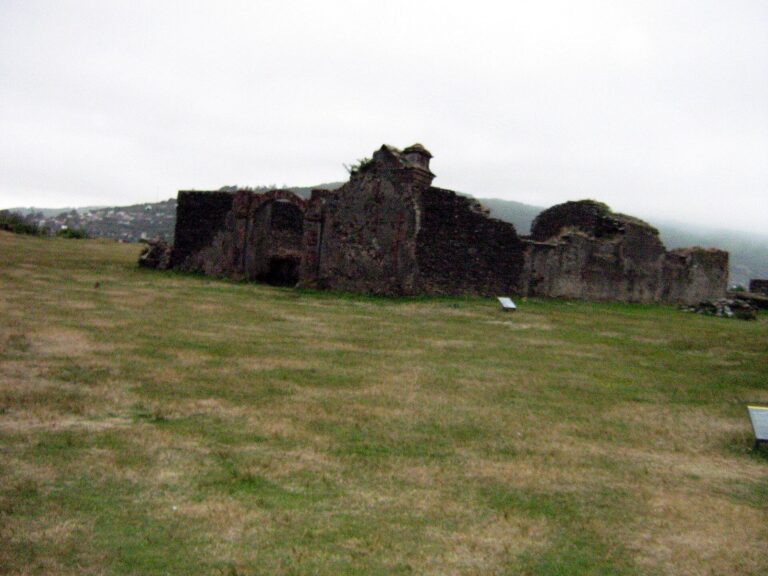
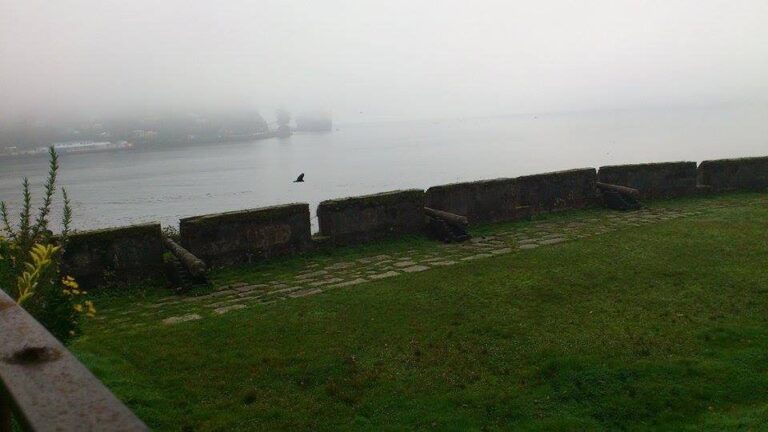
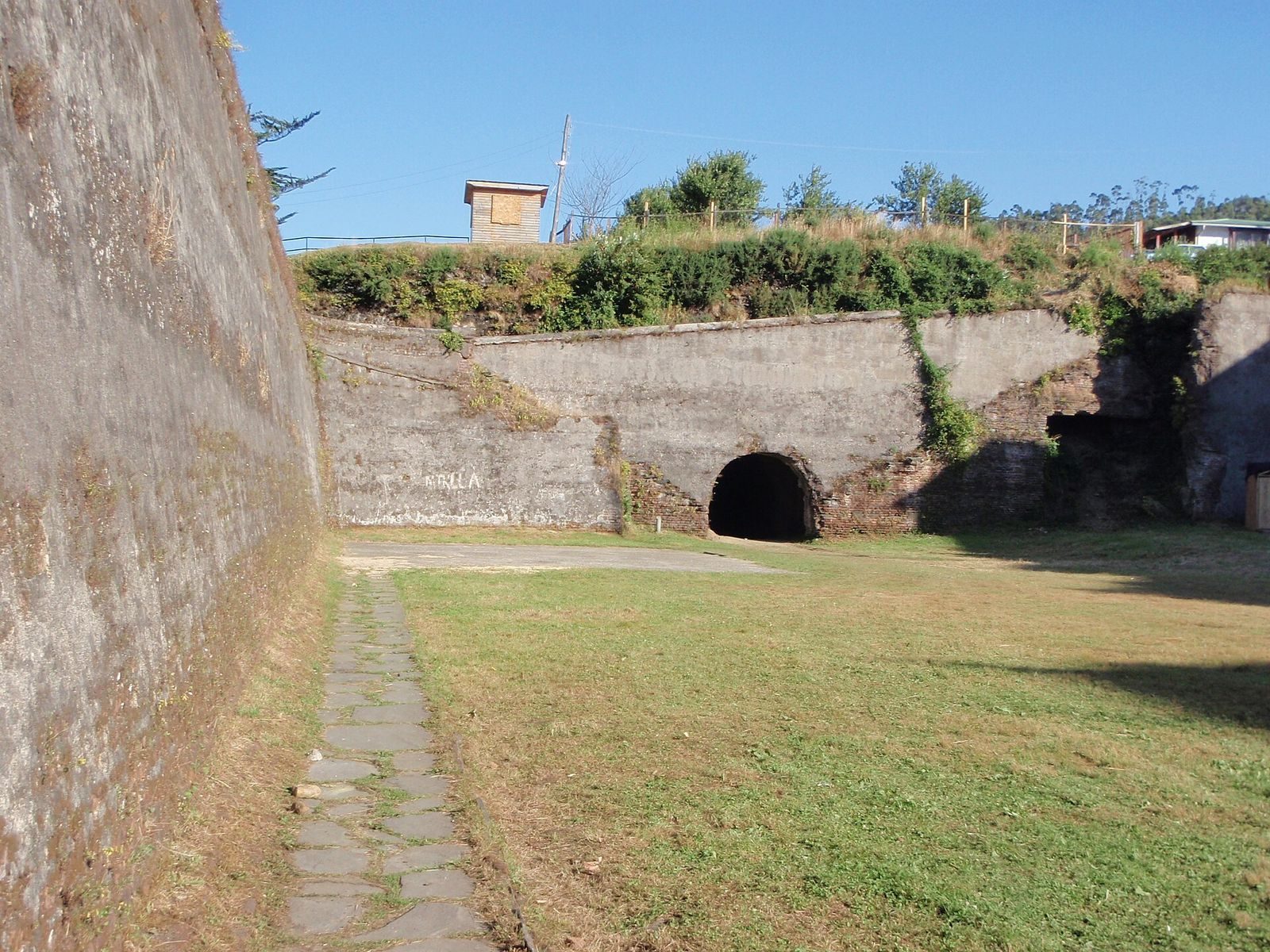
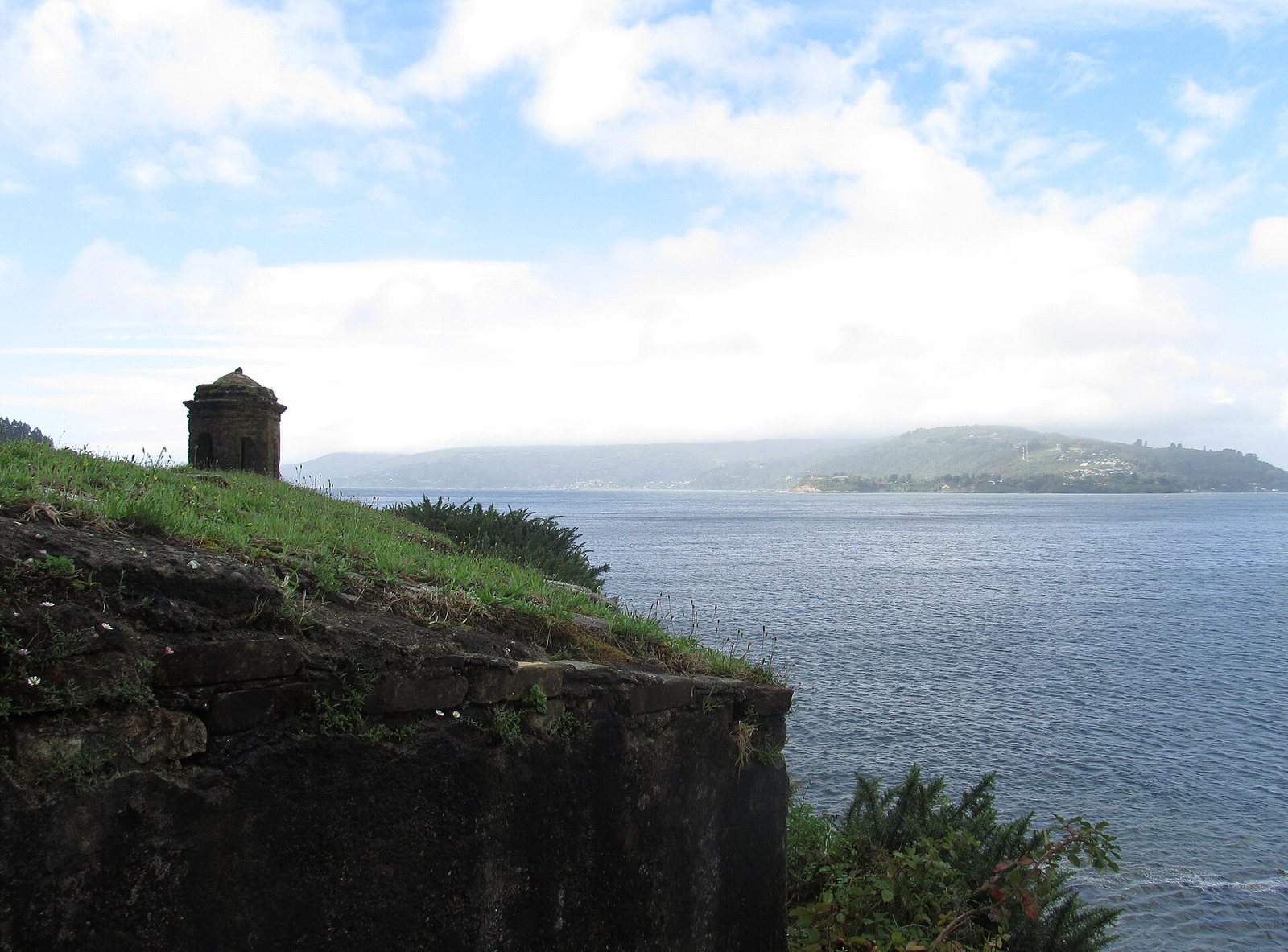
The fort occupies a strategic position overlooking Corral Bay’s sheltered anchorage and the approach to the Valdivia River. Its defenses were coordinated with other fortifications around the bay. Built mainly of dressed stone and masonry, it included walls, artillery positions, a moat, and accommodation for the garrison, with defenses intended to withstand attacks from both land and sea. The 1764 rebuilding used cancagua, a type of stone, as well as brick masonry. A railway tunnel cut through the fort’s base in 1930.
The three sectors
Castle proper
The castle proper, the central sector of the complex, is dated to 1765.
Argolla Battery
The Argolla Battery, an artillery position, is dated to 1764.
Cortina Battery
The Cortina Battery, another artillery position within the complex, is dated to 1767.