Castillo de Reina: An Almohad Fortress and Santiago Stronghold in Spain
Site at a Glance
- Rating
- 4.5
- Popularity
- Low
- Country
- Spain
- Primary era
- Medieval
- Eras represented
- Medieval, Early Modern
- Civilizations
- Almohad, Crown of Castile, Spanish
- Site type
- Military
- Remains
- Castle
On this page7 sections
History
Castillo de Reina is a defensive fortress in Spain, in the municipality of Reina in Badajoz Province. The Almohads, a Muslim ruling movement and dynasty that controlled much of North Africa and al-Andalus during the twelfth and early thirteenth centuries, established it in the last third of the twelfth century as part of their defensive system in Sierra Morena.
The Almohad frontier
Castillo de Reina and the fortress of Montemolín formed a barrier against the advance of Christian forces into southern Iberia during the Christian reconquest. Together, these strongholds helped defend the approaches to Córdoba and Seville from Christian attacks.
Castilian conquest and Santiago administration
King Ferdinand III of Castile reconquered the fortress in 1246 and transferred it to the Order of Santiago. This military religious order, founded in the Iberian Peninsula during the twelfth century, established an encomienda at Reina. An encomienda was a territorial administrative and economic district governed by the order, and the one at Reina administered a relatively extensive territory.
Expansion and abandonment
The fortress was substantially strengthened after it came under Santiago control. In the late fifteenth century, Alonso de Cárdenas, master of the order, ordered the walls to be raised, and construction continued into the sixteenth century.
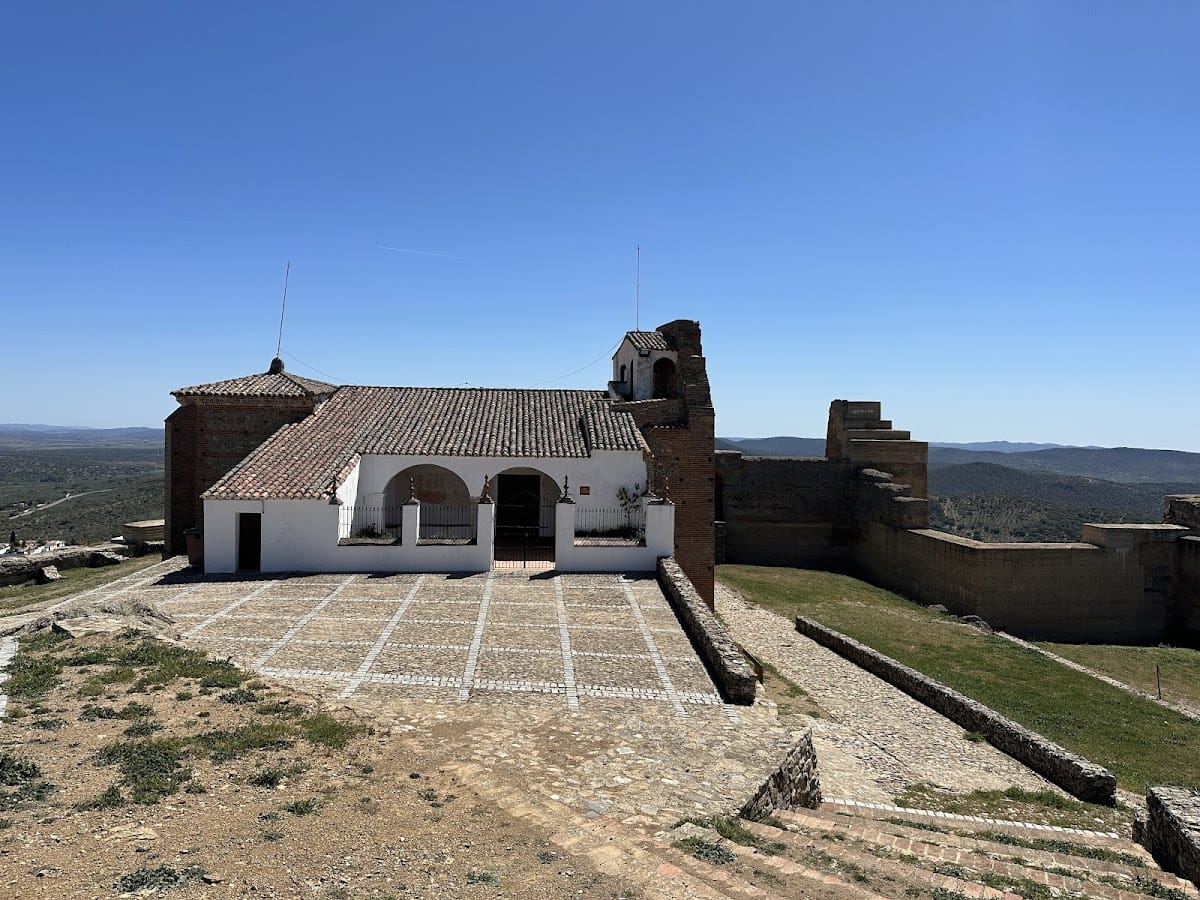
During the sixteenth century, the interior was reorganized around residences for the alcaide, the governor or commander of a castle. This residential complex was known as “the palace” and appears to have occupied the site of the earlier Muslim citadel. Residences, cisterns, stables, and a Gothic hermitage were also included in the renewed fortress. Abandonment began in the seventeenth century, after which the castle progressively deteriorated.
Castillo de Reina has been protected as a Site of Cultural Interest within a Historic Complex since 3 September 1991. Its protection also falls under Spain’s general decree of 22 April 1949 and the Spanish Historical Heritage Law of 1985.
Remains
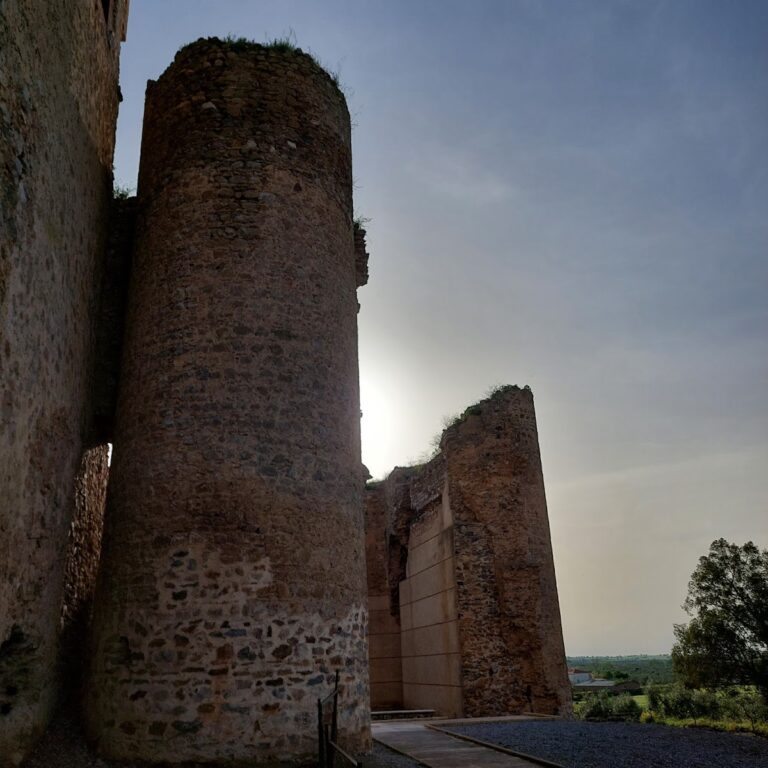
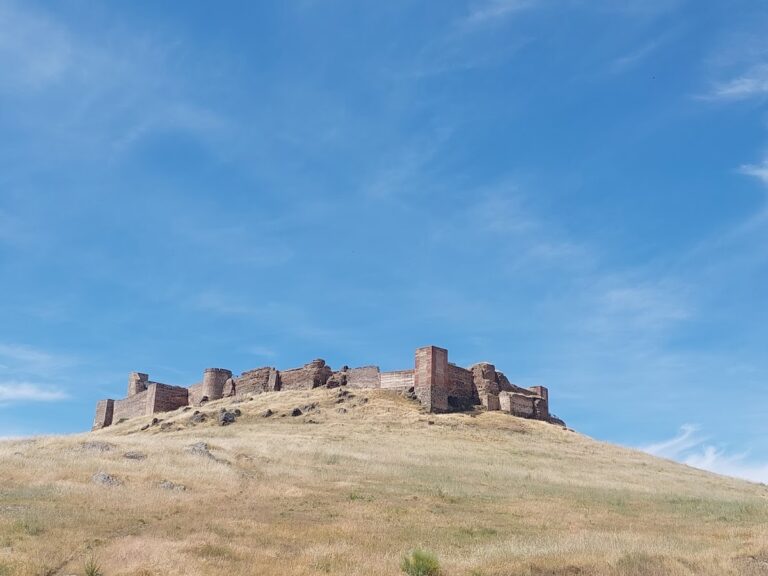
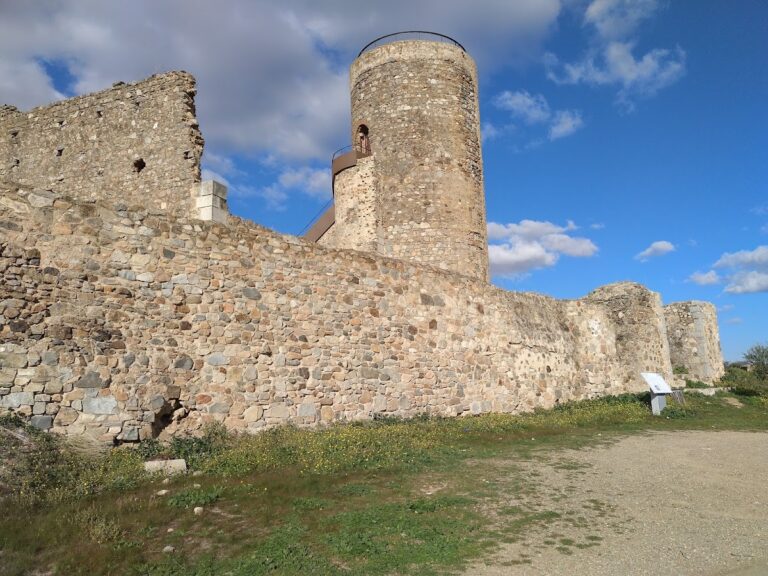
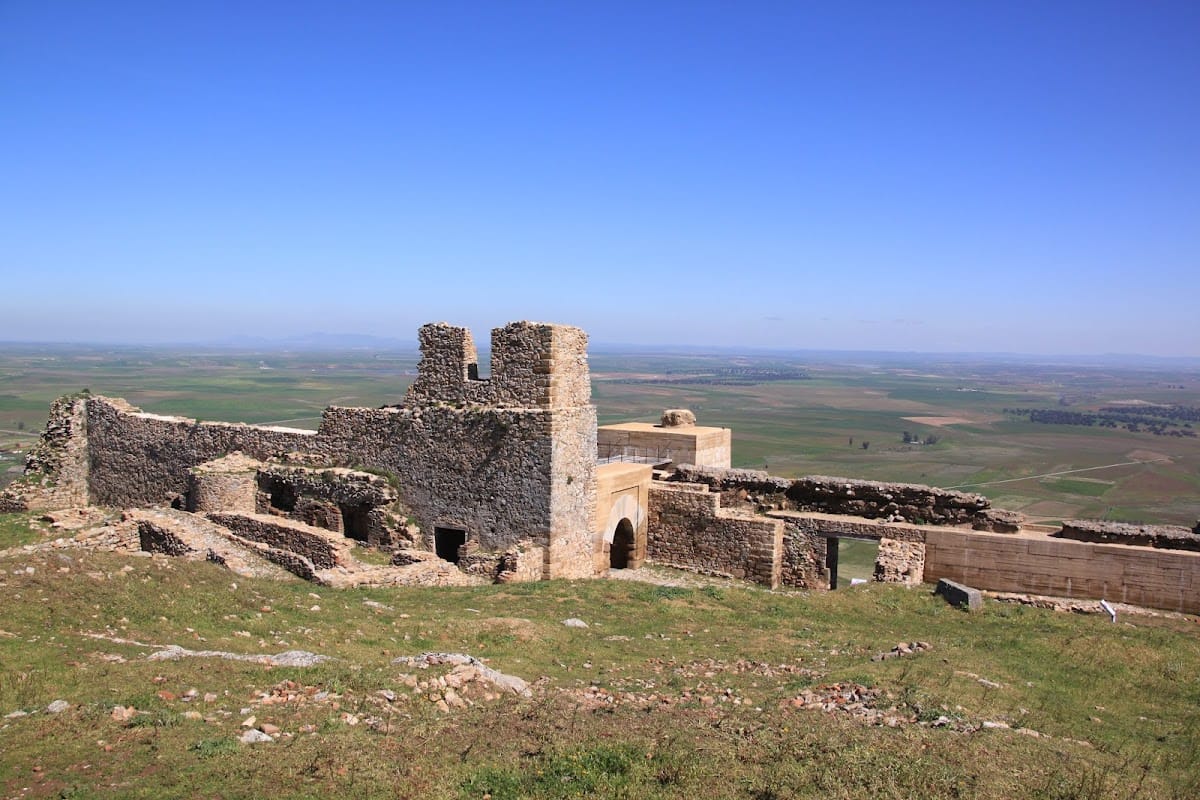
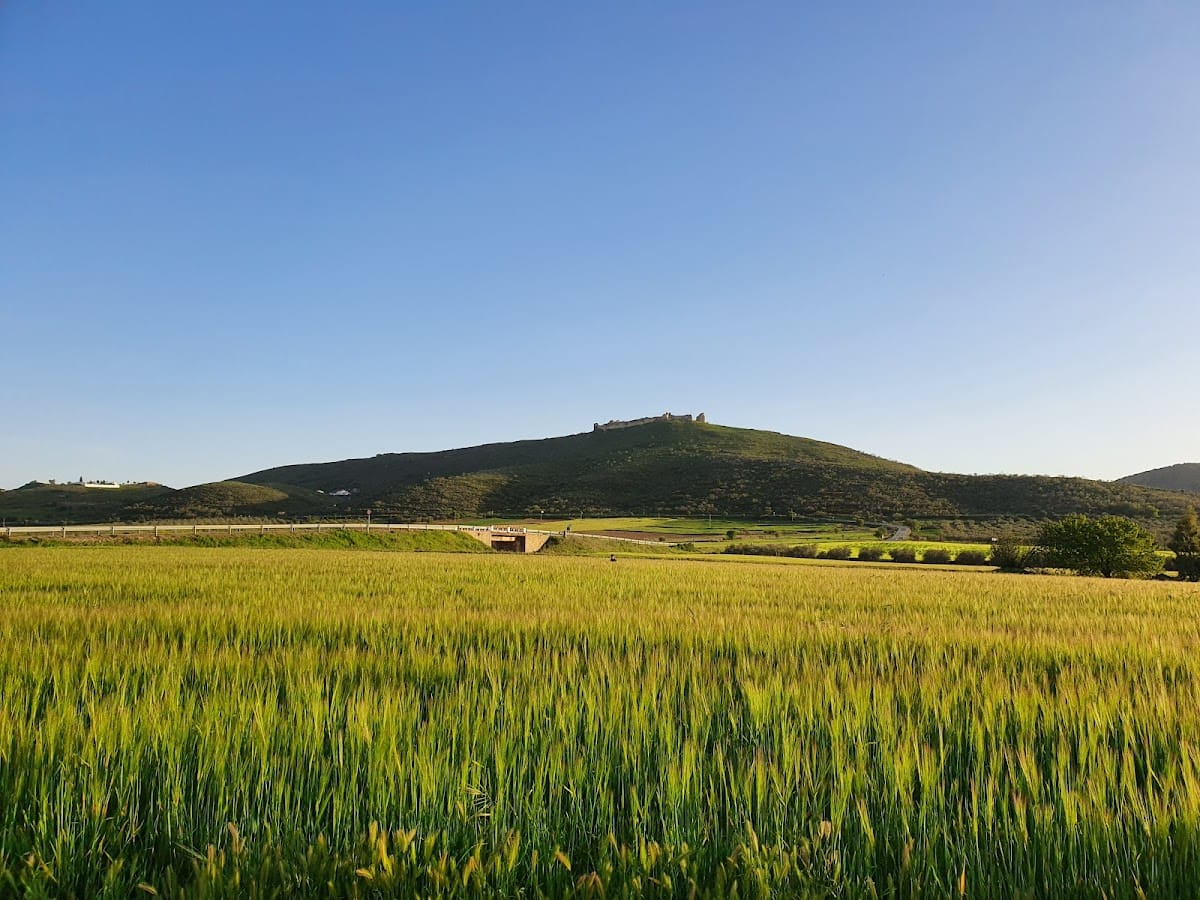
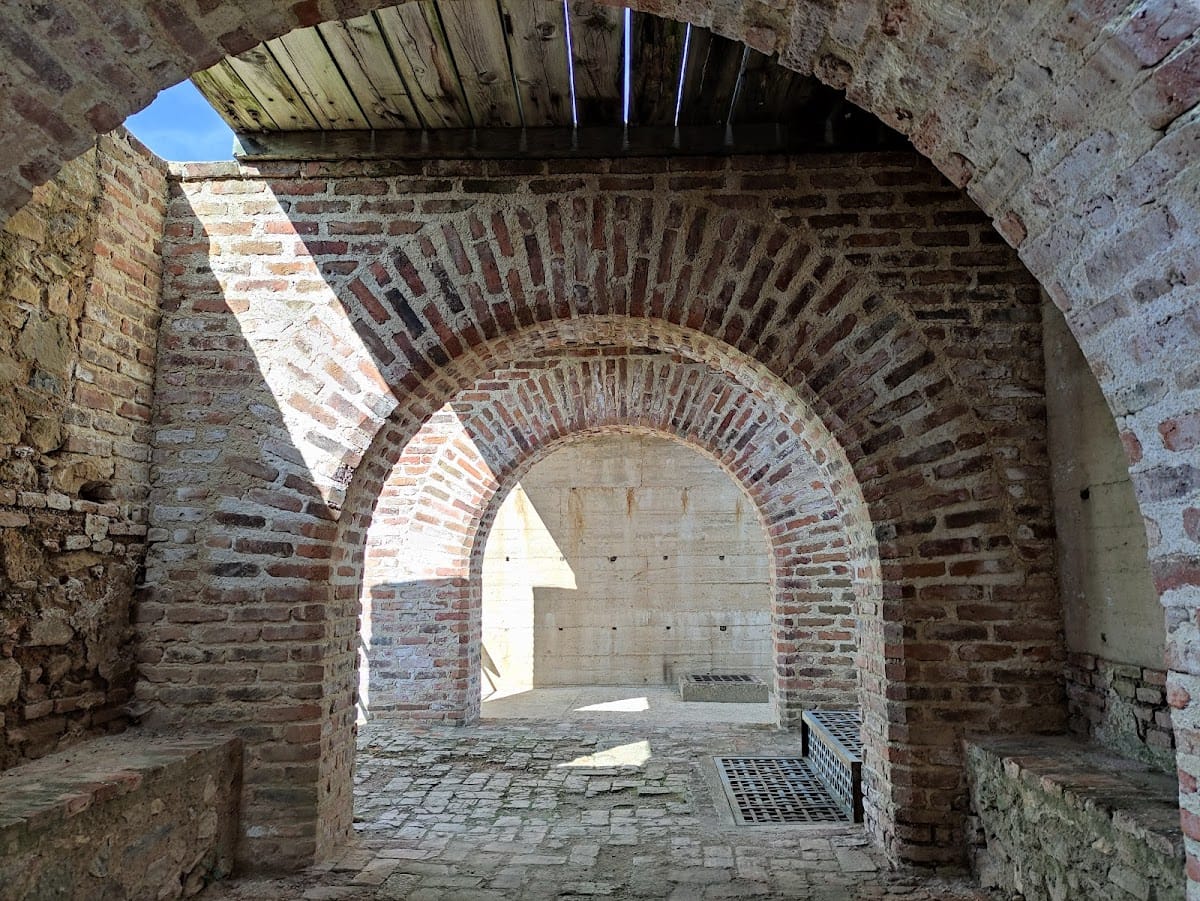
The fortress stands on a hill approximately 760 metres above sea level, overlooking a broad area of surrounding terrain. Its outer wall follows the contours of the hill, using the natural form of the site to strengthen the defensive layout. The surviving castle is in ruins, with the keep and sections of the walls remaining.
Almohad citadel and defensive walls
The principal early remains are the Muslim alcazaba, a fortified citadel that formed the main defensive enclosure, with Almohad features dating from the second half of the twelfth century. The earliest walls were built from rammed earth shaped within moulds or shuttering. Later additions and raised sections used stone and rubble masonry, revealing the changes made as the fortress passed through successive phases of use.
Towers and interior buildings
Several rectangular towers formed part of the defenses. These included albarrana towers, detached or projecting defensive towers connected with the wall, as well as towers attached directly to the perimeter. One tower has a square-section base that changes to an octagonal form in its upper part.
Within the enclosure stood the alcaide’s residential complex, known as “the palace,” together with other residences, cisterns, stables, and a Gothic-style hermitage. These buildings belonged to the later organization of the fortress and complemented its defensive structures.