Castle of Recena: A Medieval Rural Fortification in Jaén
Site at a Glance
- Rating
- 3.7
- Popularity
- Very Low
- Country
- Spain
- Primary era
- Medieval
- Eras represented
- Classical, Medieval
- Civilizations
- Crown of Castile, Roman
- Site type
- Military
- Remains
- Castle
On this page11 sections
History
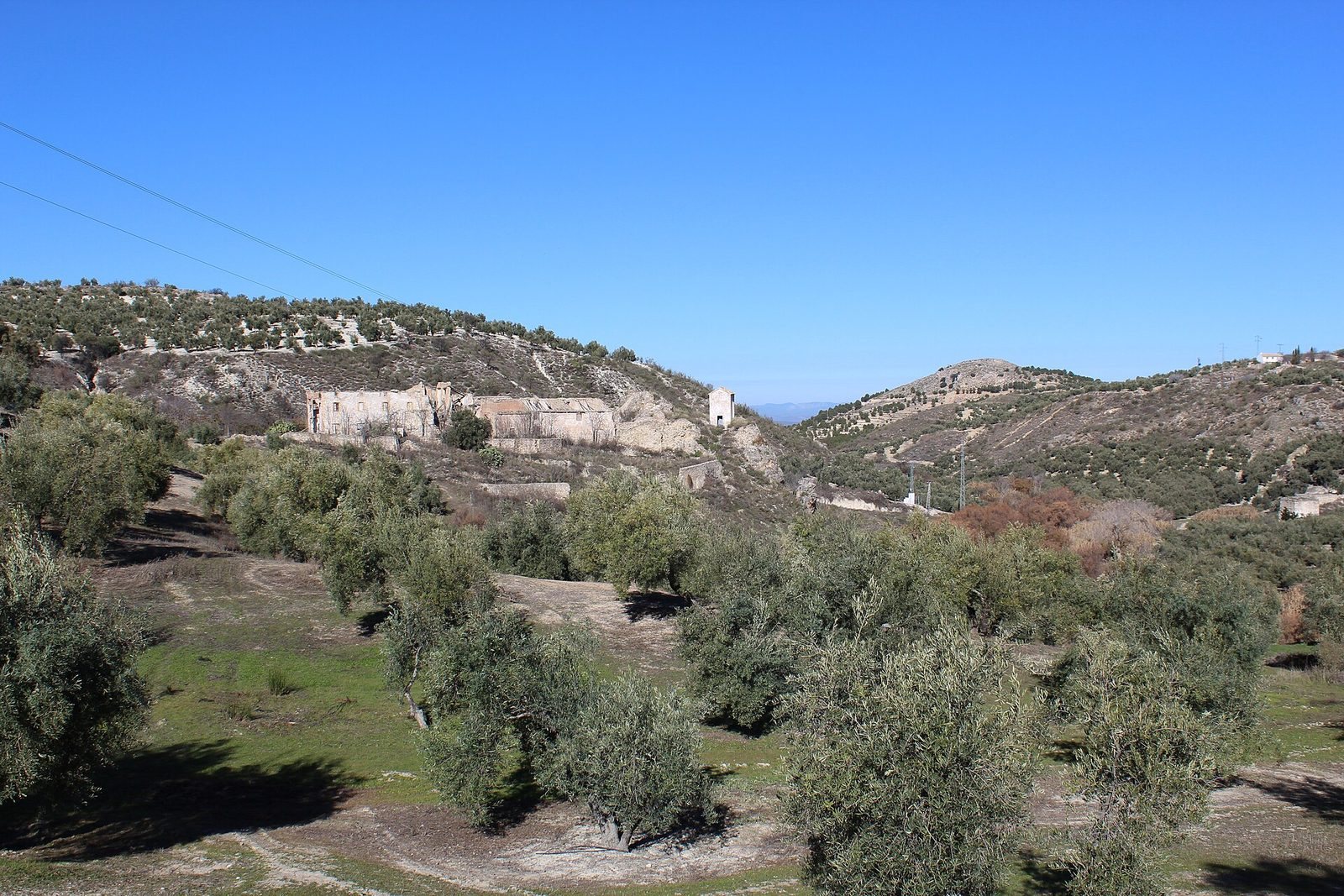
The Castle of Recena is a rural fortification in Jimena, Jaén, Spain, built in the mid-thirteenth century for surveillance, control, and habitation. Its position beside the fertile Torres River valley and near crossings of older routes supported its development as a self-sufficient agricultural center. One route ran from the ford of Mazuecos or Mazuelos on the Guadalquivir toward Mancha Real, while another followed the Torres River toward Baeza. Nearby resources included gardens, pasture, fruit trees, cereal fields, water, and saltworks.
Fortification and Castilian grants
On 20 November 1254, Alfonso X granted Recena to Baeza. In 1329, Baeza’s council defended its rights to the saltworks of Jarafe and Recena in a legal dispute, arguing that royal privilege had granted them. A boundary dispute concerning lands near the Guadalquivir in 1340 referred to a watchtower at Recena.
Military-order and noble ownership
In 1432, Juan II granted Fadrique de Aragón three-quarters of Jimena and Recena, among other properties. That year, the king also authorized Luis de Guzmán, grand master of the Order of Calatrava, a Catholic military-religious order, to expand its holdings in the Upper Guadalquivir through an exchange. Maqueda, San Silvestre, and Colmenar were traded for Arjona, Arjonilla, La Figuera, Recena, three-quarters of Jimena, and 300,000 maravedís, a medieval Spanish currency. At this time, a commandery, a territorial or revenue unit administered by a military order, was established for Torres, Canena, and Jimena, together with the estate of Recena.
In the sixteenth century, Francisco de los Cobos acquired Recena along with Torres, Canena, Sabiote, and Jimena; his wife, María de Mendoza, made the purchase of Recena. Before its later association with the Marquisates of Los Cuevas and Camarasa, Recena belonged to the Marquisate of Bedmar. By the seventeenth century, it belonged to the Marquisate of Camarasa.
Demolition and heritage protection
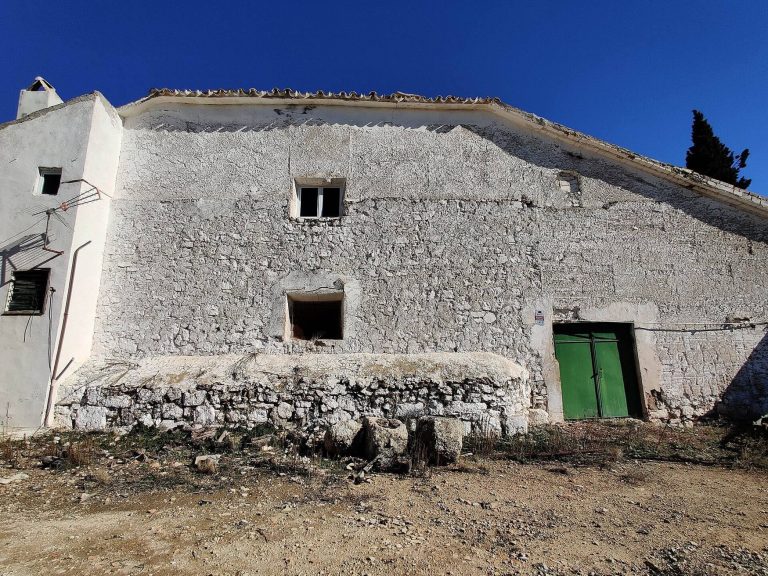
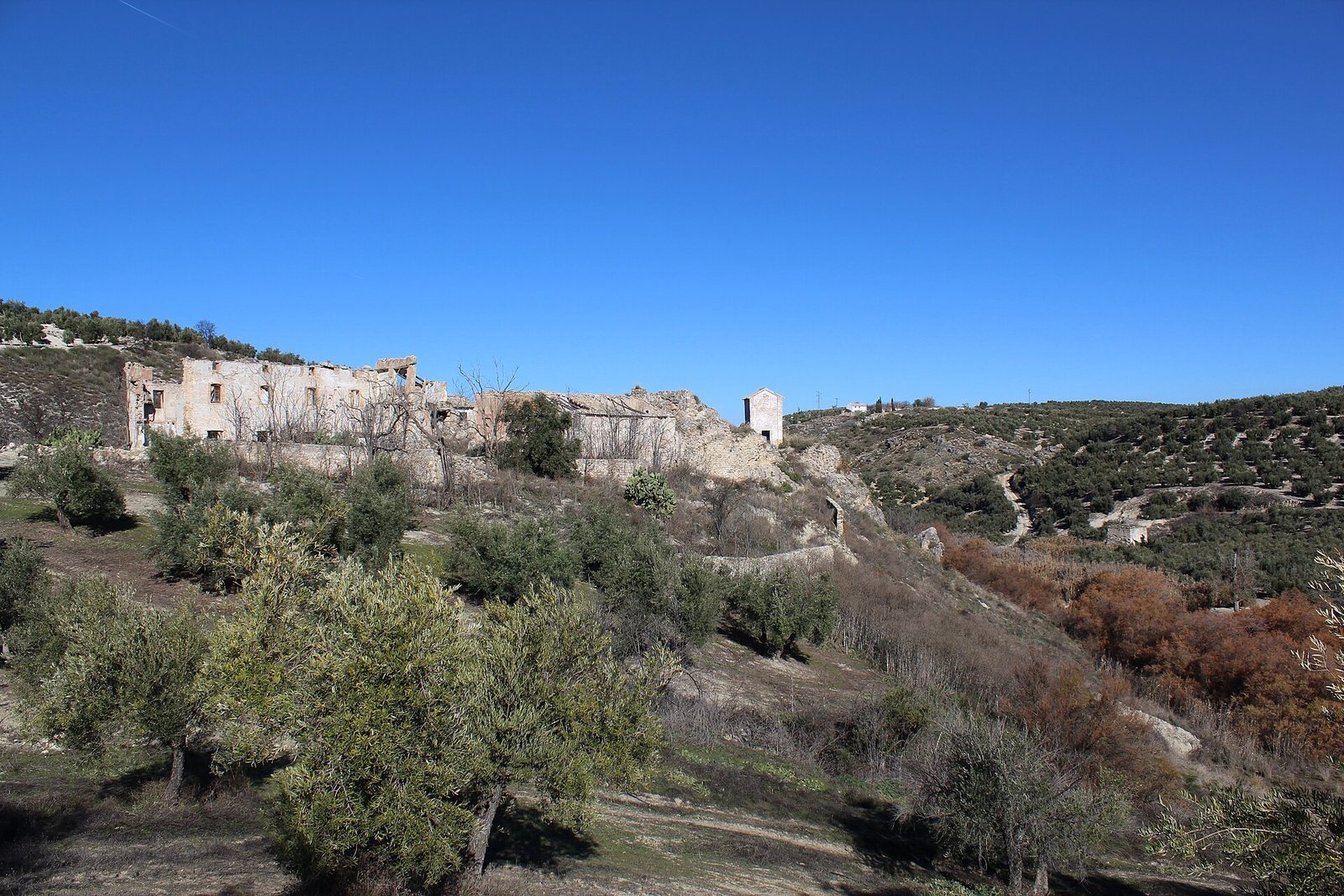
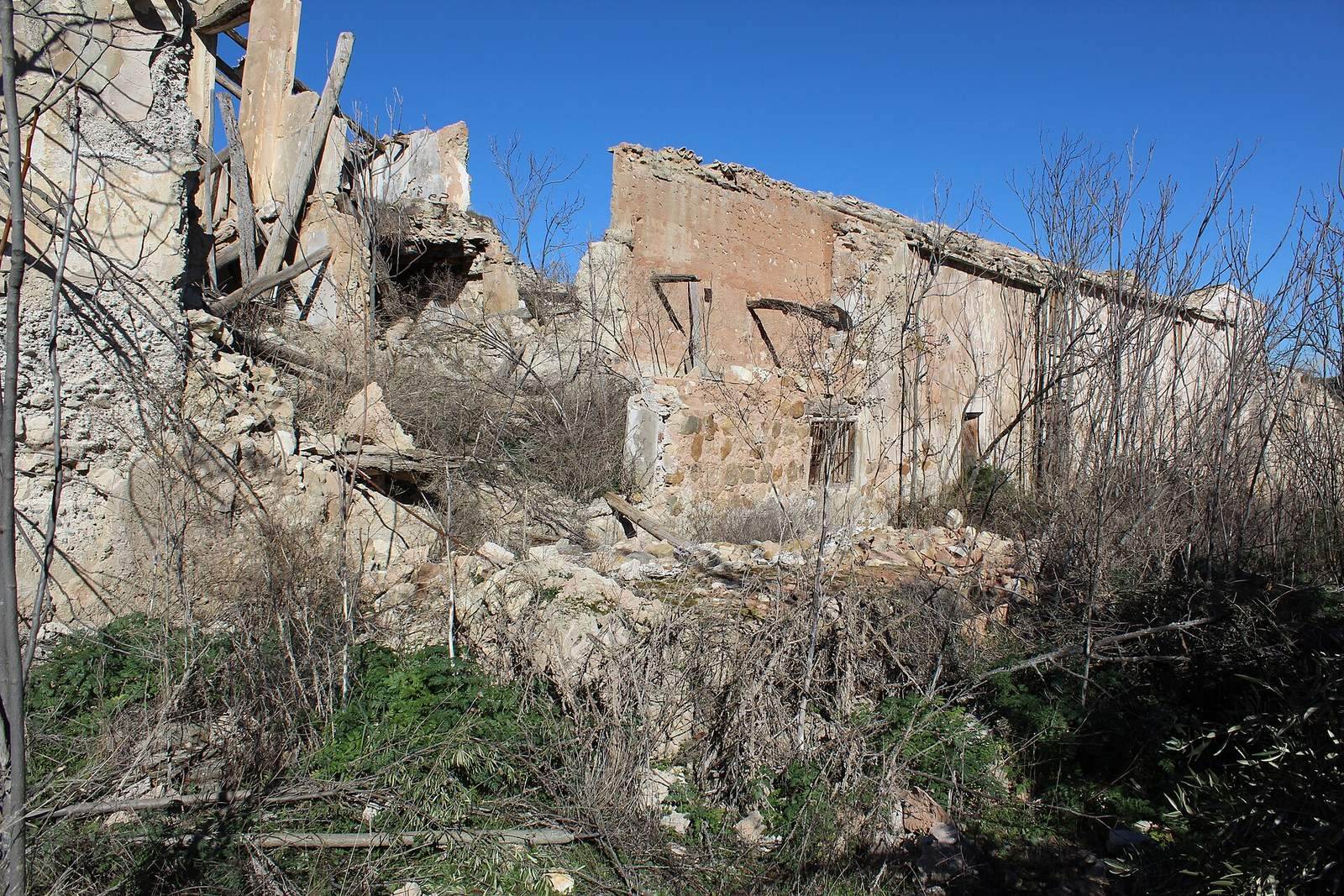
A farmstead was built over the castle and enlarged in the mid-twentieth century, when much of the fortification was demolished. On 29 June 1985, the castle received Spain’s Asset of Cultural Interest designation, a formal heritage-protection status.
Remains
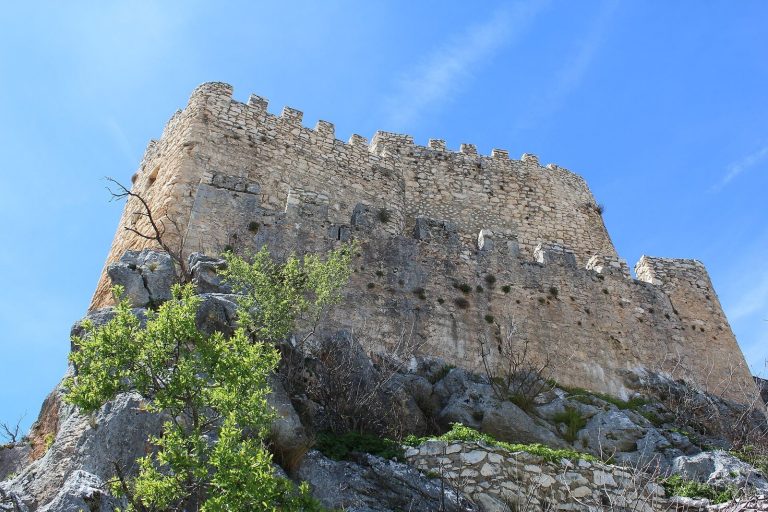
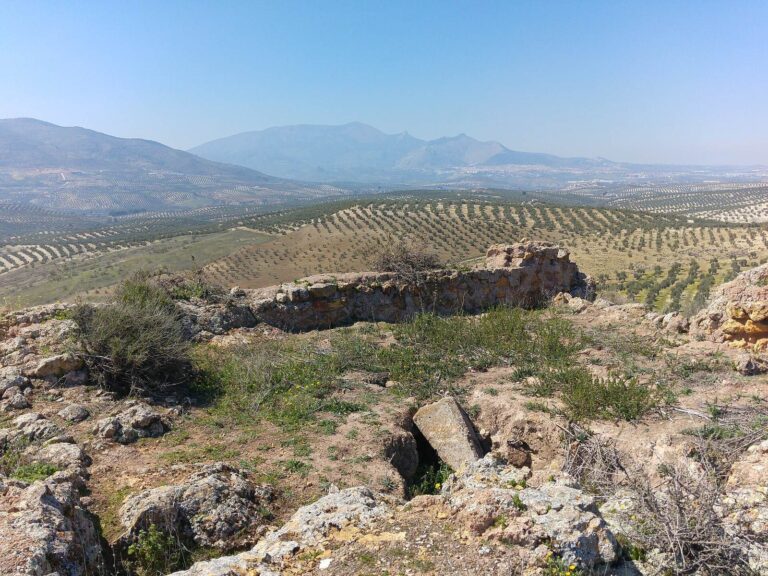
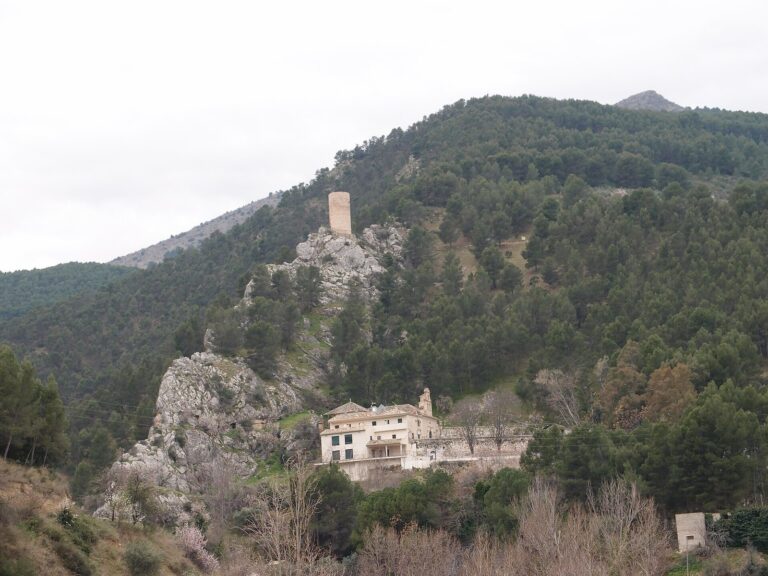
The surviving remains occupy a rocky outcrop beside the Torres River in Jimena, about seven kilometres northeast of Mancha Real. The site includes fragments of a tower and walls, alongside archaeological remains from earlier phases.
Fortification and riverside structure
Tower and enclosure walls
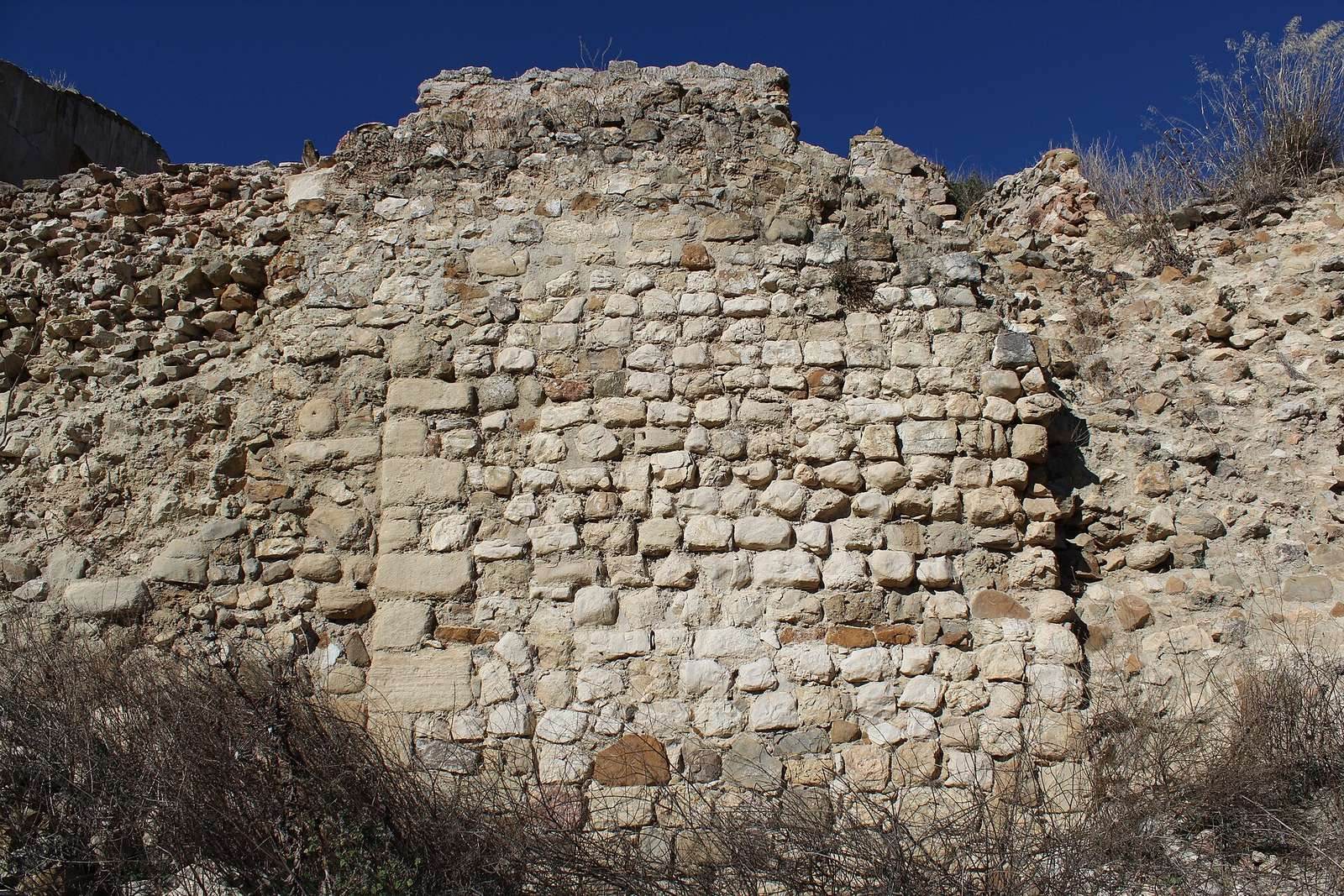
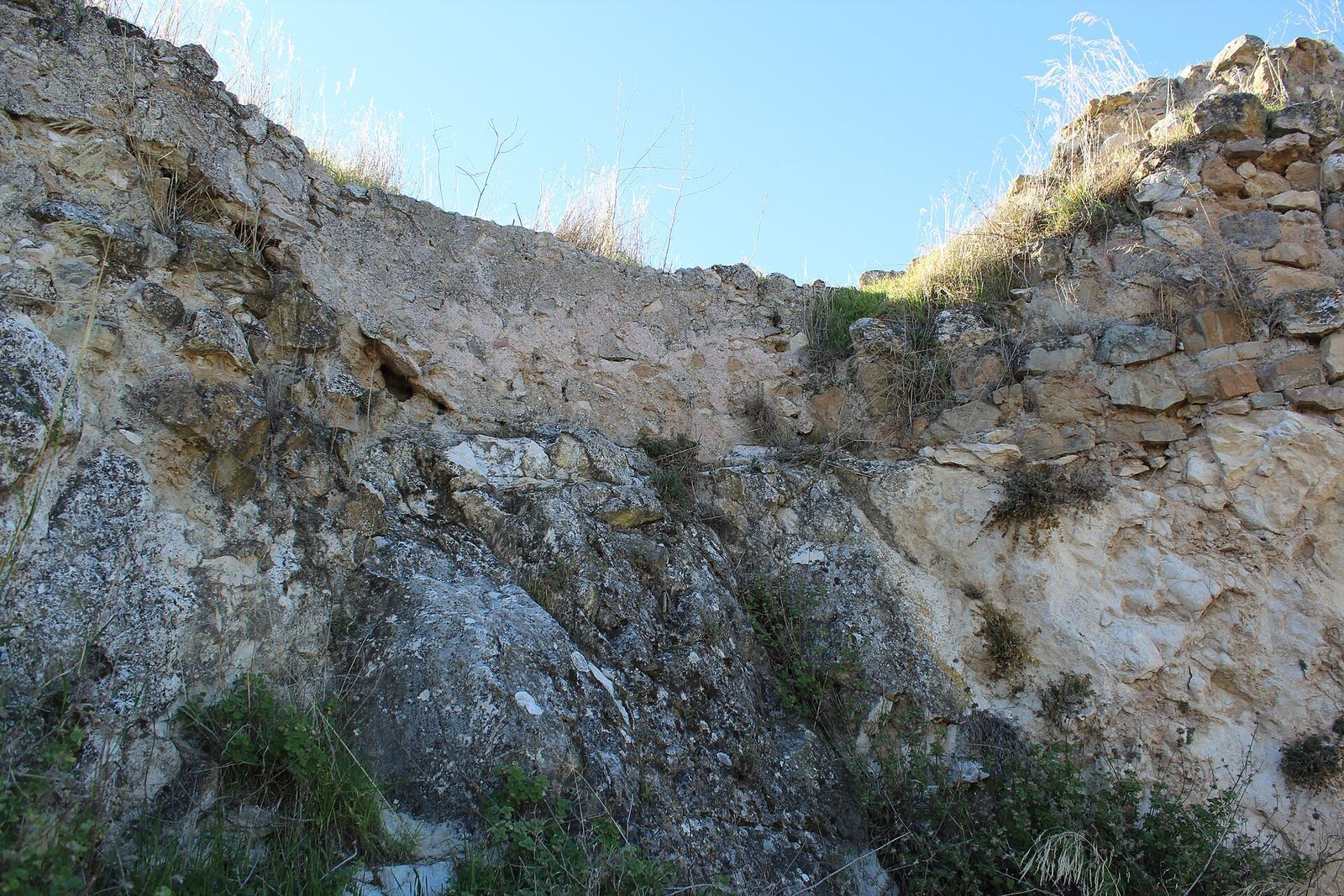
A surviving wall, about 1.8 metres high, is built from roughly shaped stones arranged in regular courses. One corner is strengthened with a line of small, squared blocks. A low wall appears to mark the fortified enclosure, and red plaster survives on the lower part of the tower.
Mill
Opposite the castle, beside the river, are the remains of a mill that was probably medieval and associated with the fortress.
Archaeological evidence
Roman-period burial and pottery
A pit burial structure at the castle is associated with a Roman phase. The site has also yielded Hispanic terra sigillata, fine red-slipped tableware made in Roman Hispania, dating to the first and early second centuries.
Finds from an adjacent site
An adjacent archaeological site has yielded heavily eroded common Iberian pottery, a millstone, roof tiles, a stone slab, and glazed fragments.