Castillo de Corres: A Medieval Navarrese Fortress in Álava


Site at a Glance
- Rating
- 5
- Popularity
- Very Low
- Country
- Spain
- Primary era
- Medieval
- Eras represented
- Medieval
- Civilizations
- Kingdom of Navarre
- Site type
- Military
- Remains
- Castle
On this page7 sections
History
Castillo de Corres is a ruined former Navarrese fortress in Spain, with origins in the eleventh or twelfth century. It occupied a strategic position above Corres, controlling the route between Antoñana and Campezo along the frontier between Navarre and Castile.
Navarrese origins and Castilian occupation
The fortress was operational by 1199, when Alfonso VIII, the medieval king of Castile, besieged Vitoria and invaded western Navarre. Castilian forces occupied Castillo de Corres during that campaign, and Alfonso VIII referred to it in his will of 1204.
A royal charter issued by Fernando IV of Castile in 1312 connected the castle with a jurisdictional dispute over pastureland between Corres and San Román de Campezo. The document reflects the fortress’s continuing importance within the surrounding territorial administration.
Later changes of control
During the first Castilian Civil War, an internal conflict over the Castilian succession, the fortress temporarily returned to Navarrese control in 1368. It also briefly came under Navarrese control during the Navarrese Civil War around 1450.
Castillo de Corres is also known as Portiella de Corres and is popularly called the Castle of the Moors or El Castillo. The Basque Government designated it a Cultural Asset in the category of monumental complex on 8 March 2016. The fortress now survives in ruins.
Remains
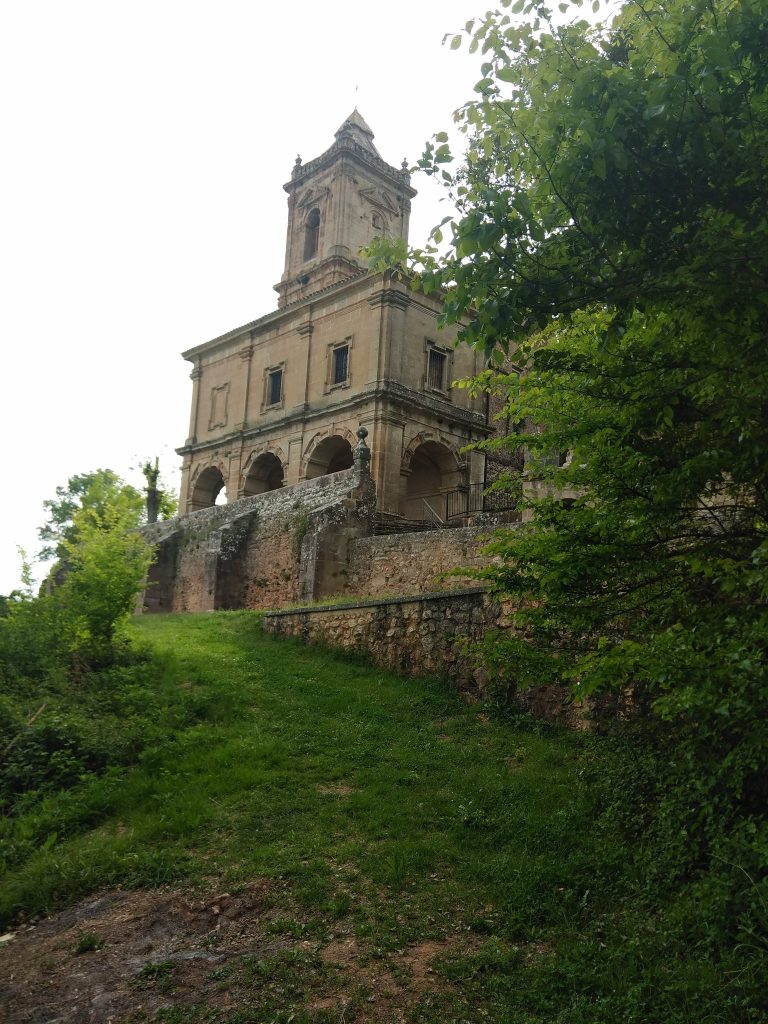
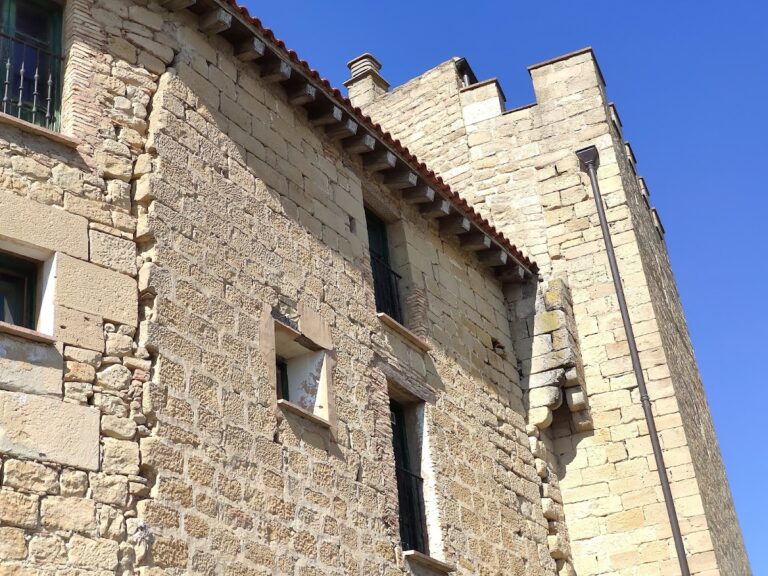
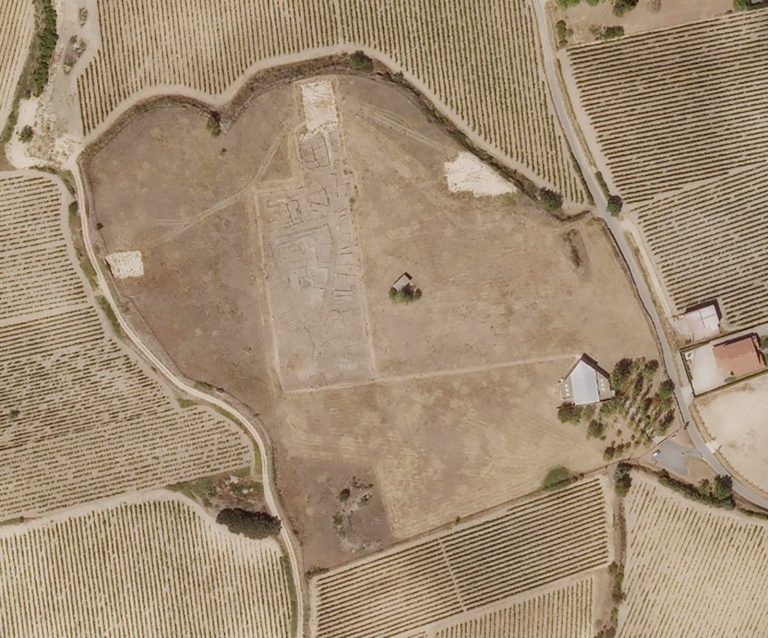
The castle occupies the top of a ravine at an elevation of 867 metres, about 1.5 kilometres from the centre of Corres within Izki Natural Park. Built from ashlar masonry, using regularly shaped and carefully dressed stone blocks laid in courses, it was arranged across three defensive levels on the rocky summit.
Defensive platforms
Lower platform
The broad first platform probably provided housing for the garrison or other occupants. Several circular towers defended this level, while a cut through the rock separated it from the platform above. This cut functioned as a natural moat and formed part of the fortress’s defensive arrangement.
Upper platforms and keep
The second level consisted of massive walls, some of which remain, together with a cistern, a tank used to collect and store water. The third level occupied the summit of the rock and formed the keep, the castle’s principal fortified tower and strongest defensive and residential structure. Only the foundations of the keep survive.