Albarracín Castle: A Medieval Fortress and Archaeological Site


Site at a Glance
- Rating
- 4.4
- Popularity
- Low
- Country
- Spain
- Primary era
- Medieval
- External website
- Open
- Eras represented
- Medieval
- Civilizations
- Crown of Aragon, Taifa Kingdoms, Taifa of Albarracín
- Site type
- Military
- Remains
- Castle
On this page13 sections
History
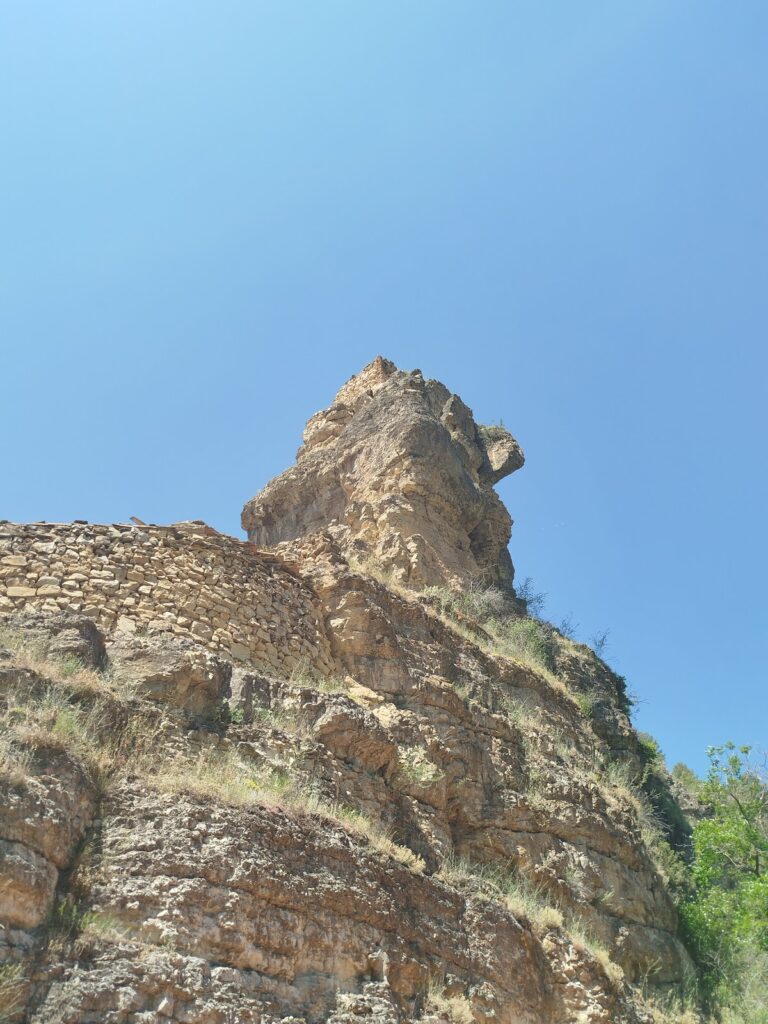
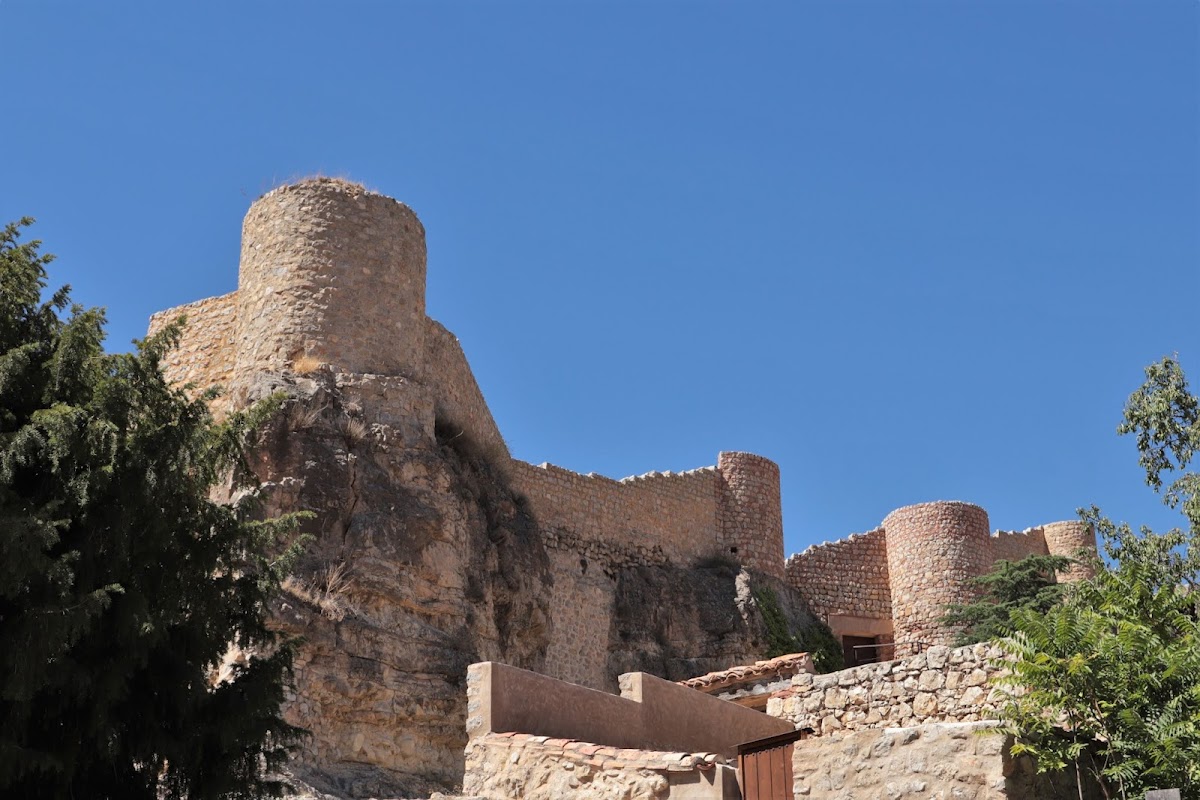
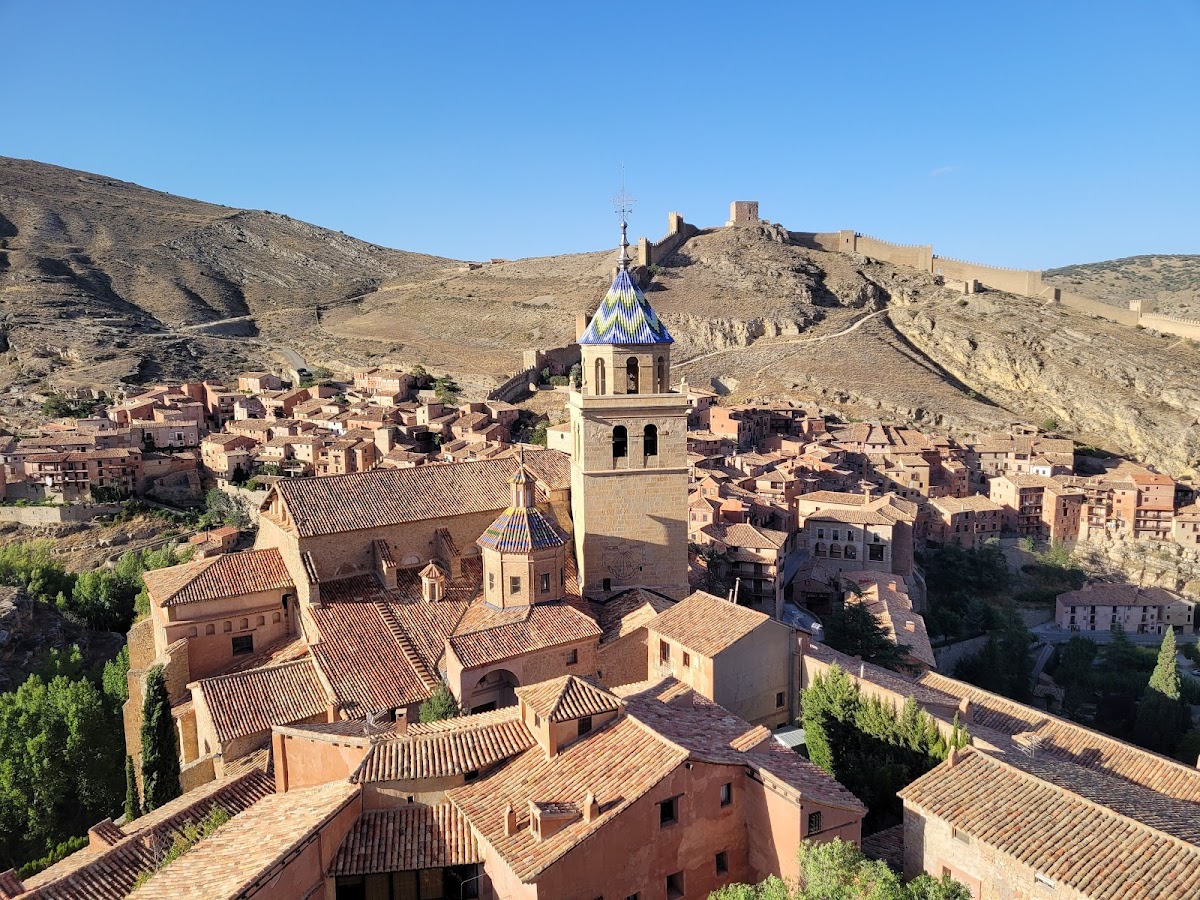
Albarracín Castle is a medieval fortress and archaeological site in Spain, developed under Muslim rule from the tenth century and later incorporated into the city’s walled historic-monumental complex. It stands within the historic centre of Albarracín, in Teruel, and preserves evidence of successive political, residential, and military uses.
Early occupation and the taifa of Albarracín
Loose material from the protohistoric and Roman periods has been recovered at the site, while the first known occupation dates from the tenth century. The oldest surviving structures belong to the second half of that century, when the Banu Razín controlled as-Sahla, meaning “the plain,” a small district of the Upper March, the frontier zone of the Caliphate of Córdoba facing Christian territories to the north. The Banu Razín clan ruled the territory that later became centred on Albarracín.
After the Caliphate fragmented, the Taifa of Albarracín emerged as an independent Muslim principality. The castle was transformed into the taifa ruler’s alcazaba, a fortified citadel associated with the ruler’s residence and authority. During the eleventh century, its principal residence and related palatial buildings were developed, giving the fortress an important residential and governmental role.
Abandonment and later medieval transformation
The fortress continued to be occupied until the middle of the twelfth century, although only on a residual basis, and archaeological evidence indicates that it was then abandoned. From the late twelfth century, dwellings on the southern slope were occupied again and their uses were extensively changed. This transformation followed the arrival of Aragonese and Navarrese feudal settlers, who began colonizing the city from 1170. Ceramic assemblages from the settlement indicate links with Almohad pottery centres in the eastern Iberian regions.
After Pedro III of Aragon besieged Albarracín, the castle was rebuilt and substantially reorganized. The existing interior constructions were demolished, and a new royal alcázar was created. Two rectangular buildings were placed beside the western and southern walls to accommodate a small garrison.
Sixteenth-century military use and archaeological investigation
The last known occupation took place during the last third of the sixteenth century, when Philip II of Spain installed a military detachment at the castle. Masonry work was carried out during this phase, after the fortress had previously been abandoned. Following the military occupation, the castle was extensively looted and fell into ruin.
The castle and its walls were declared a Historic-Artistic Monument belonging to the National Artistic Treasury by decree on 3 June 1931. It is also protected as a Property of Cultural Interest and forms part of Albarracín’s protected historic-monumental complex.
Between 1993 and 1995, archaeologist Octavio Collado Villalba directed an intensive archaeological intervention, during which the walled enclosure was restored. Further excavations, directed by archaeologist Antonio Hernández Pardos from 2004 to 2006, formed part of a restoration and adaptation project. These campaigns recovered one of the most important assemblages of medieval ceramics found in Aragon. Some of the pieces are held by the Museum of Teruel and the Museum of Albarracín.
Remains
The castle contains structures built over one another during different periods. Its surviving urban form can be partly reconstructed, including three sectors in the upper area: the principal residence, the eastern building, and the inner enclosure. The southeastern and southern slopes contain residential and military areas arranged around courtyards, while the archaeological finds help connect the physical remains with the castle’s successive occupations.
Upper castle structures
Principal residence
The principal residence is a large, slightly trapezoidal building arranged around a central courtyard. Four wings surround the court, and two rectangular twin cisterns extend beneath the structure. One of the wings contains the hammam, or heated bathhouse. The residence remained in use from the eleventh through the sixteenth century, and archaeological work in the upper part of the castle between 2004 and 2006 documented this central building.
Hammam
The bathhouse included a lower chamber through which hot air circulated and a raised room supported by small pillars. This lower system was a hypocaust, which heated a floor or room from beneath. The complex also included a fire room and a latrine, forming part of the facilities associated with the principal residence.
Eastern building and inner enclosure
The eastern building has a rectangular plan and substantial walls. Together with the principal residence and the inner enclosure, it forms one of the three identifiable urban sectors in the upper part of the castle.
Southern and southeastern residential areas
Palatial courtyard houses
The palatial residential complex on the southern slope comprised three dwellings and an alhóndiga, a storage and lodging building associated with receiving and safeguarding goods. Each dwelling was organized around a paved central courtyard with raised walkways. House II had a portico with three arches, distinguishing it within the group.
Military barracks
The southeastern slope contains two recognizable sectors. One is the palatial complex of three courtyard houses, while the other consists of military barracks beside the tower. Their arrangement reflects the combination of residential and military functions that developed in this part of the fortress.
Water systems and archaeological finds
The two cisterns beneath the principal residence are rectangular and paired, forming part of the castle’s water-storage system. The medieval ceramic assemblage recovered during the archaeological interventions represents the successive occupations of the site. Pieces from this assemblage are preserved in the Museum of Teruel and the Museum of Albarracín.