Teleki Castle in Posmuș: A Historic Manor Complex in Romania
Site at a Glance
- Rating
- 4.7
- Popularity
- Low
- Country
- Romania
- Primary era
- Early Modern
- External website
- Open
- Eras represented
- Early Modern, Modern
- Civilizations
- Austrian Empire, Habsburg
- Site type
- Domestic
- Remains
- Castle
On this page8 sections
History
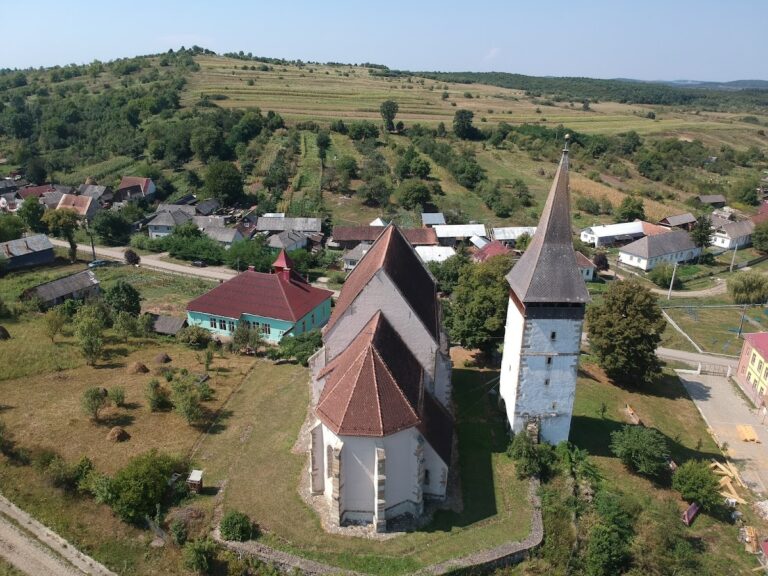
Teleki Castle in Posmuș is a historic manor complex in Romania, associated with the Teleki family and shaped chiefly by an eighteenth-century Baroque rebuilding. Posmuș, a village in Transylvania, was founded by German colonists and first mentioned in 1228.
The Teleki estate
Mihály Teleki, Chancellor of Transylvania, acquired a substantial property in the area around 1680. No house stood on the estate at that time, although members of the Teleki family were living in Posmuș by the middle of the eighteenth century. The Telekis were a Hungarian noble family with estates and political influence in historical Transylvania.
Eighteenth- and nineteenth-century rebuilding
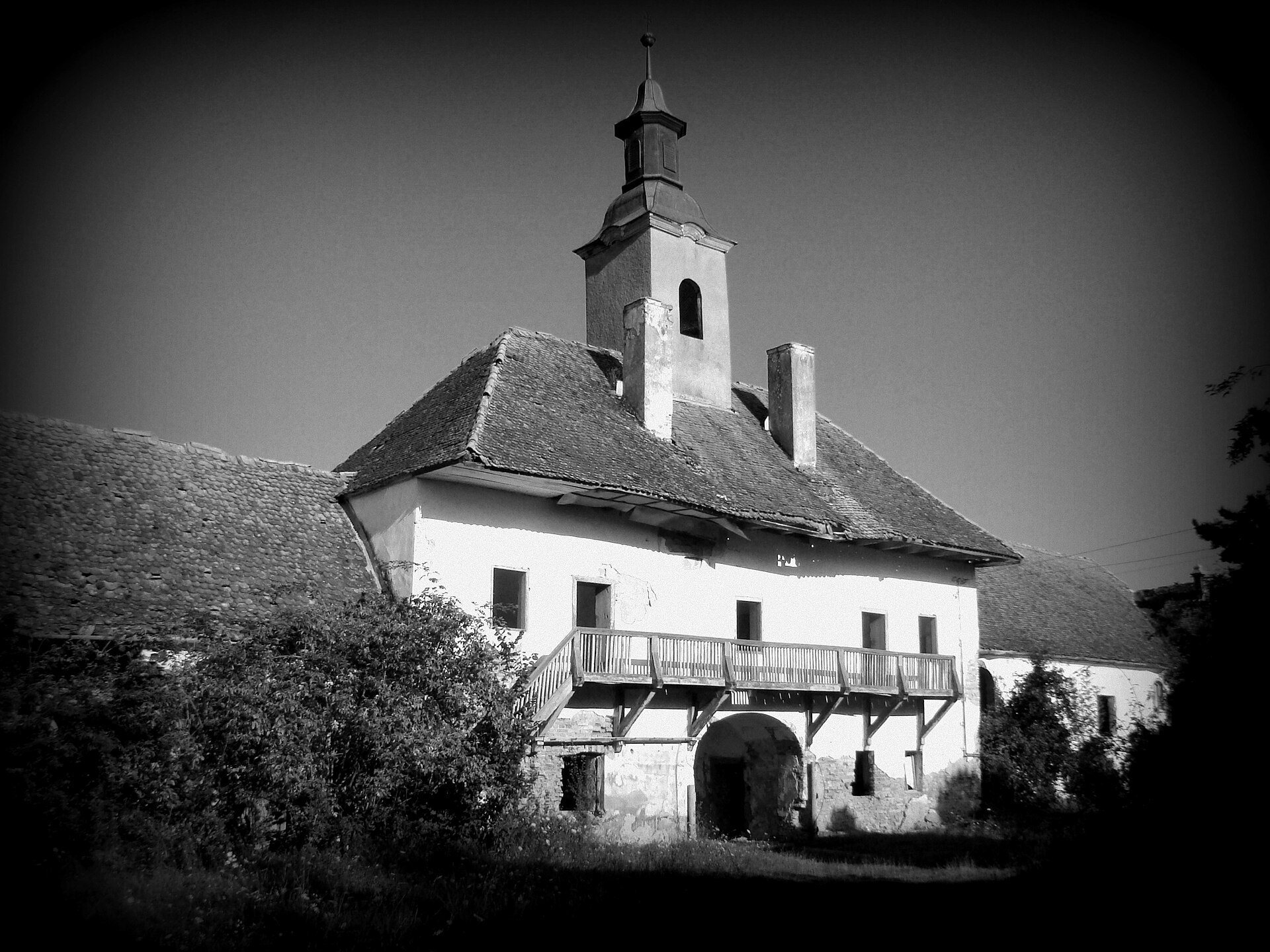
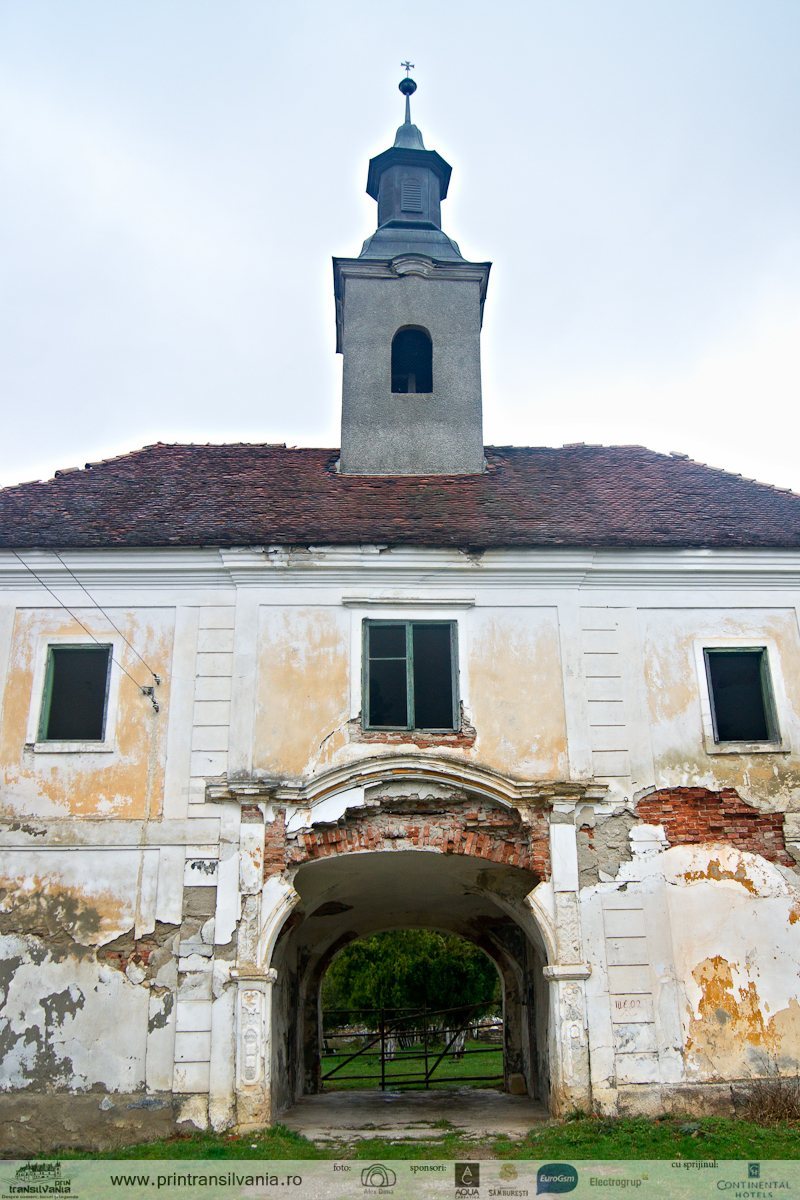
During the mid-eighteenth century, Pál Teleki and Borbála Haller rebuilt the manor in the Baroque style, an architectural tradition known for formal compositions, dramatic massing, and elaborate decoration. The principal building was reconstructed between 1750 and 1752, followed by the construction of the gate bastion around 1760. The bastion contained a chapel and later served as a guesthouse.
A fire damaged the manor in 1823. Ferenc Teleki directed its reconstruction, which was completed in 1830. The manor was then destroyed during the Revolution of 1848–1849, a period of political and social upheaval that affected the Habsburg lands. Ferenc Teleki subsequently moved to his estate at Șomcuta Mare. Andor Teleki carried out repairs at Posmuș in 1868.
Nationalization and decline
After 1945, the Teleki property was nationalized and put to agricultural use, including as the headquarters of a state agricultural enterprise. Soviet troops removed valuable antique furniture, paintings, and other possessions after the Second World War, while local residents destroyed additional valuables that remained. The estate became uninhabited from 1990 and deteriorated during the following years.
Ownership passed to the Bistrița-Năsăud County Council in 2002, and rehabilitation works began in 2019. The complex is listed as a historical monument and appears in Romania’s National Archaeological Register. Its monument-list designation is BN-II-m-A-01685, with separate entries for the entrance pavilion and the main castle.
Remains
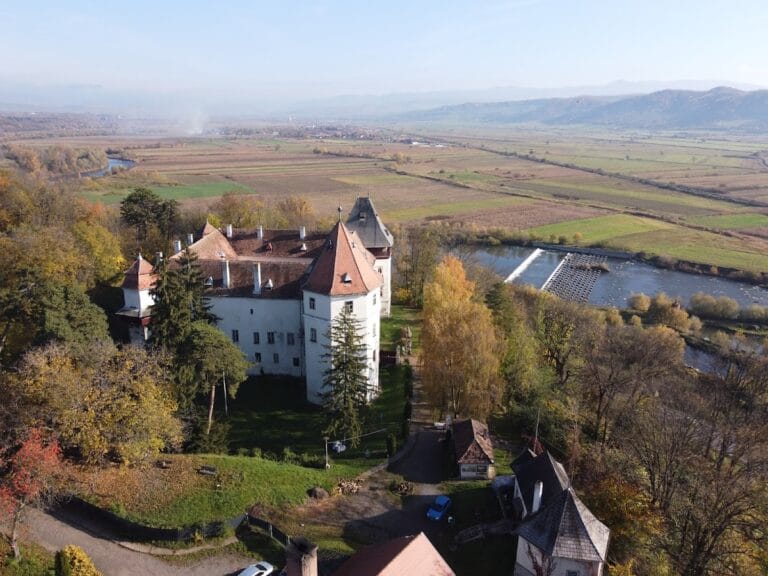
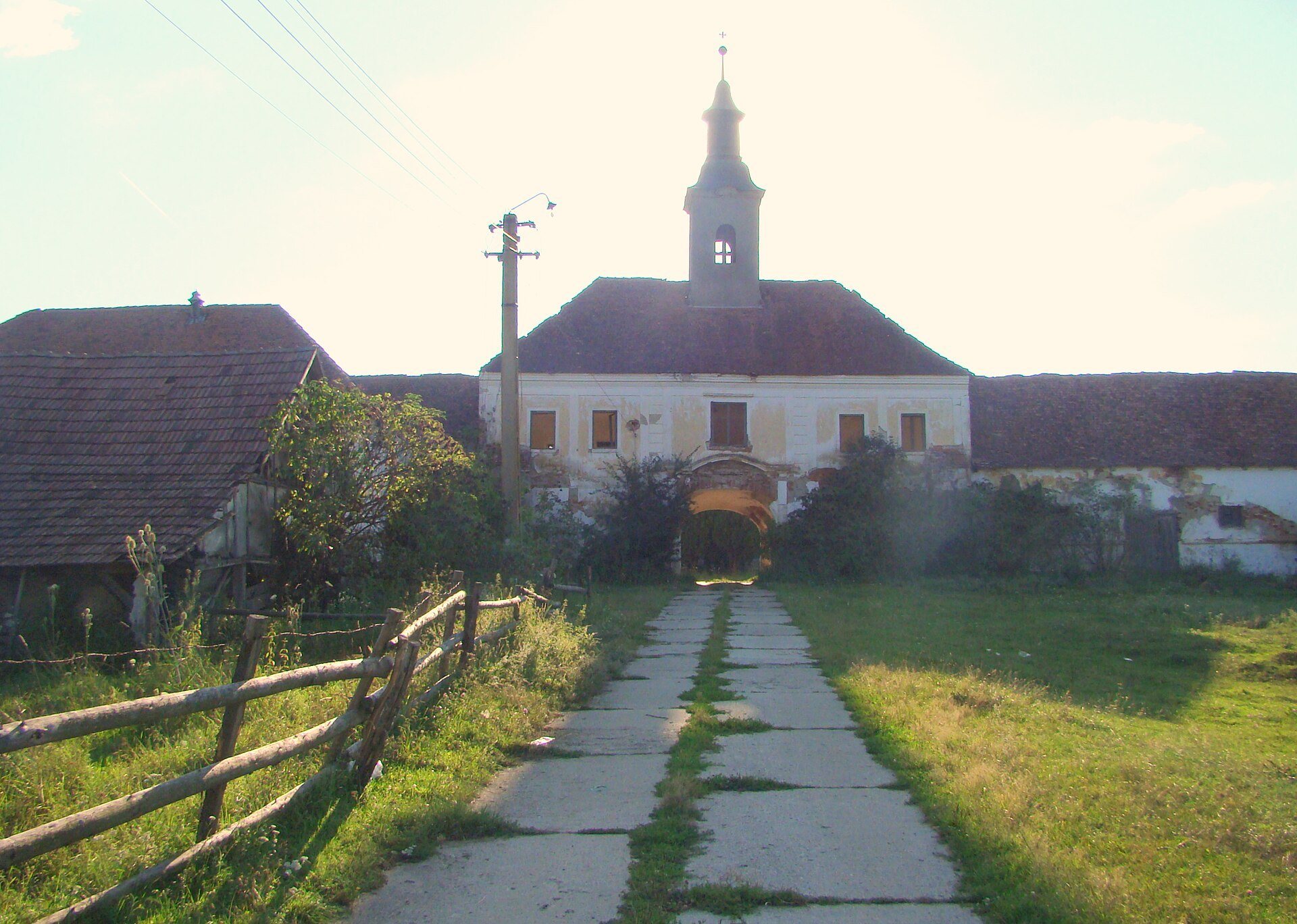
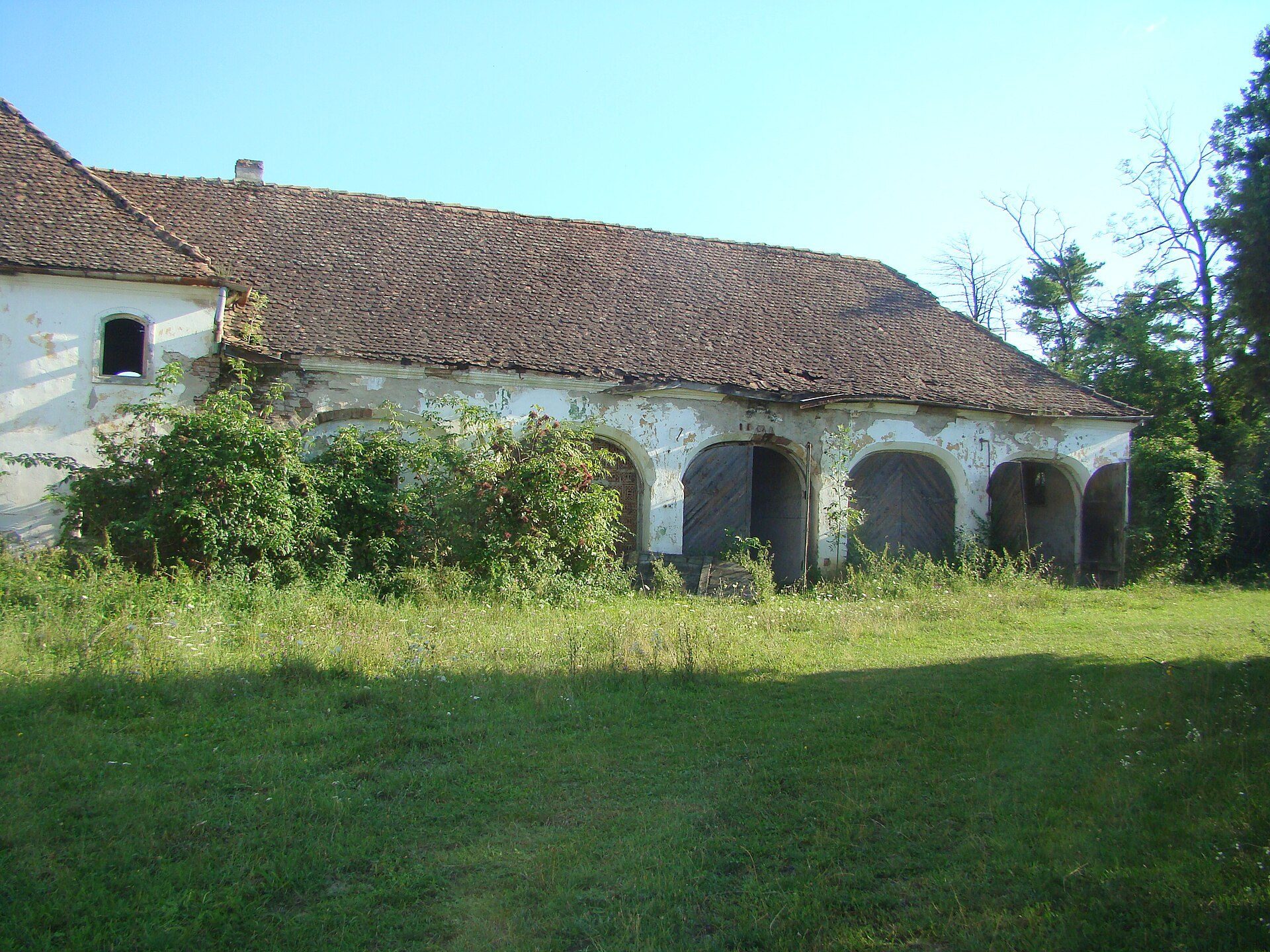
The complex is arranged around a rectangular plan. An entrance pavilion with lateral bodies forms one principal component, while the main castle stands at the rear. The side sections contained warehouses, a stable, and a prison, and the front was marked by a gate bastion. The estate was historically surrounded by extensive forests and a park, much of which was later cleared.
Entrance complex
The entrance pavilion includes bodies on its north and south sides. Its gate bastion projected from the entrance area and contained a chapel before being adapted as a guesthouse. The stable on the left of the bastion was demolished in 1936 and rebuilt farther from the manor. A new Baroque wing was completed during the 1930s according to plans by the architect Lajos Meczner.
Main castle
The principal building occupies the rear of the rectangular complex and is known as the Teleki castle. Rehabilitation work strengthened the buildings through underpinning, a structural technique that supports existing foundations, while preserving the vaults. A roof reconstruction was developed to retain the building’s historic architectural character. Castle bodies 2 and 3 were rebuilt and completely roofed during the works.
Grounds and surviving details
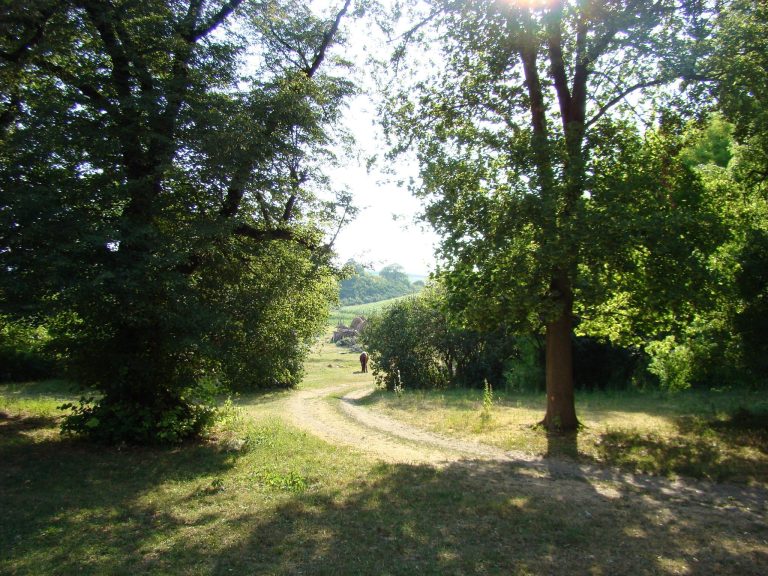
Several centuries-old trees survive within the former estate grounds, including an oak more than 500 years old. During the rehabilitation, a Teleki family coat of arms discovered beneath masonry was cleaned and protected. These surviving elements form part of the physical evidence of the estate’s long association with the family and its changing use.