Castello Grumello: A Medieval Twin Castle in Italy

Site at a Glance
- Rating
- 4.6
- Popularity
- Low
- Country
- Italy
- Primary era
- Medieval
- External website
- Open
- Eras represented
- Medieval
- Civilizations
- Holy Roman Empire
- Site type
- Military
- Remains
- Castle
On this page6 sections
History
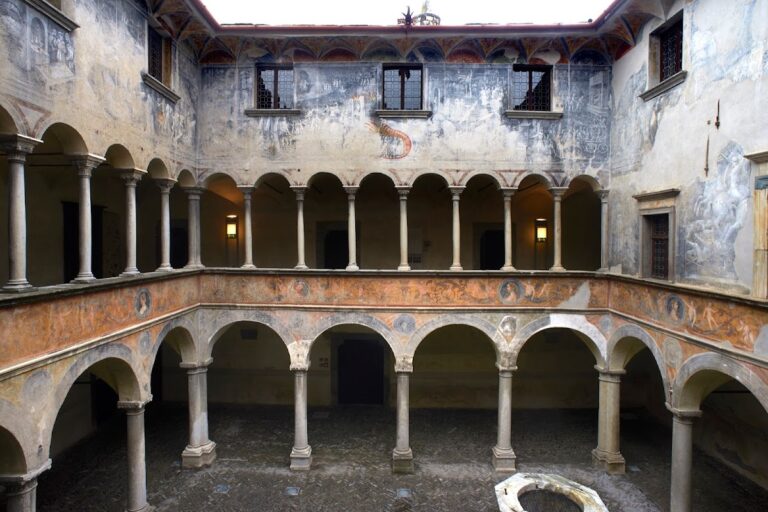
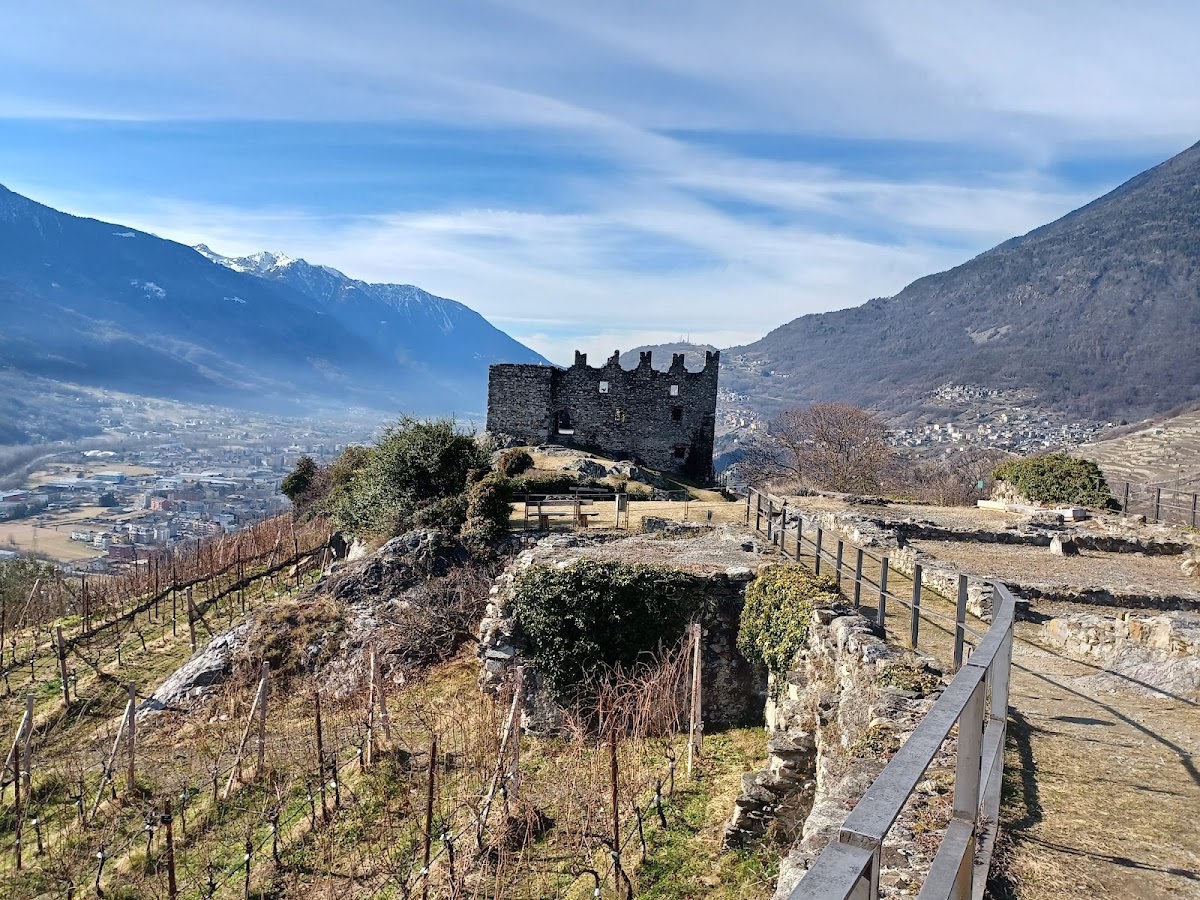
Castello Grumello is a medieval fortified castle in Italy, located in the municipality of Montagna in Valtellina, Lombardy. Built by the De Piro family in 1326, it occupied a strategically difficult hilltop and served as a fortified residence and military stronghold.
The De Piro and De Capitani Families
Corrado de’ Piro, a Ghibelline, appears to have owned the castle. The Ghibellines supported the Holy Roman Emperor during the medieval political conflicts between imperial and papal factions in Italy. In 1372, ownership passed from the De Piro family to the De Capitani family.
Destruction and Recovery
In 1526, Castello Grumello was destroyed after the Grisons occupied Valtellina. The Grisons were the political and military power associated with the Three Leagues in the region now known as the Swiss canton of Graubünden. The destruction also affected the nearby Castle of Mancapane, which had been connected to Castello Grumello by a gallery.
The Fondo Ambiente Italiano now owns Castello Grumello and has undertaken its recovery for cultural use. The Fondo Ambiente Italiano is an Italian nonprofit organization dedicated to preserving and promoting the country’s cultural heritage. The castle has Italian national heritage designation.
Remains
Hilltop Layout and Defensive Arrangement
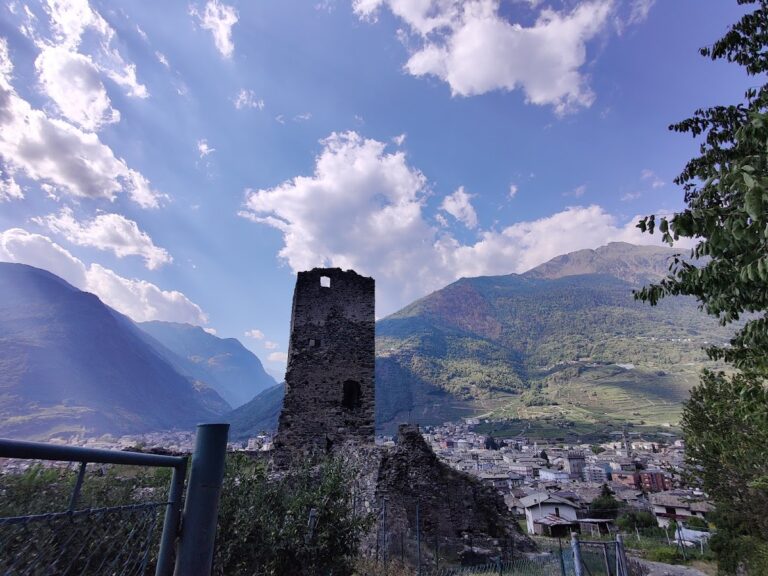
The castle occupies a hill on a steep slope that was difficult for enemies to reach. Its name derives from grumo, a local term for this type of hill. Castello Grumello was a twin castle, meaning that two distinct fortified structures functioned together within a shared defensive arrangement. The western and eastern building bodies were linked by a surrounding defensive wall, most of which has disappeared.
Residential and Military Wings
The western wing served as a residence, while the eastern wing had a military function. The surviving remains include a tower and several ruins, preserving part of the two-part complex and its defensive organization.