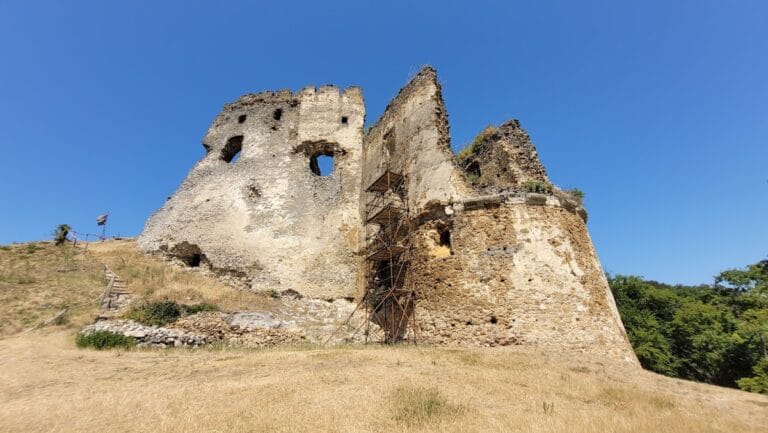
Trebišov Castle: A Medieval Water Castle in Slovakia

Site at a Glance
- Rating
- 4.5
- Popularity
- Low
- Country
- Slovakia
- Primary era
- Medieval
- Eras represented
- Medieval
- Civilizations
- Hungarian
- Site type
- Military
- Remains
- Castle
On this page6 sections
History
Trebišov Castle, also known as Parič, is the ruin of a medieval water castle in Trebišov, Slovakia. A timber-and-earth stronghold stood in the area by the mid-thirteenth century, while the later stone castle was founded at the beginning of the fourteenth century, probably after the Mongol invasion of the region.
From stronghold to noble seat
The site began as a fortified noble residence built with timber and earth. The stone castle that followed strengthened this seat and gave it a more lasting form. Its first recorded mention dates from 1327, when a donation charter referred to it as Castrum Parys, a Latin name for the castle.
Capture and destruction
In 1684, forces led by Emeric Thököly captured the castle. Thököly was a seventeenth-century Hungarian nobleman who led an uprising against Habsburg rule. Two years later, the castle was blown up with gunpowder, leaving its structure severely damaged.
Reuse and archaeological protection
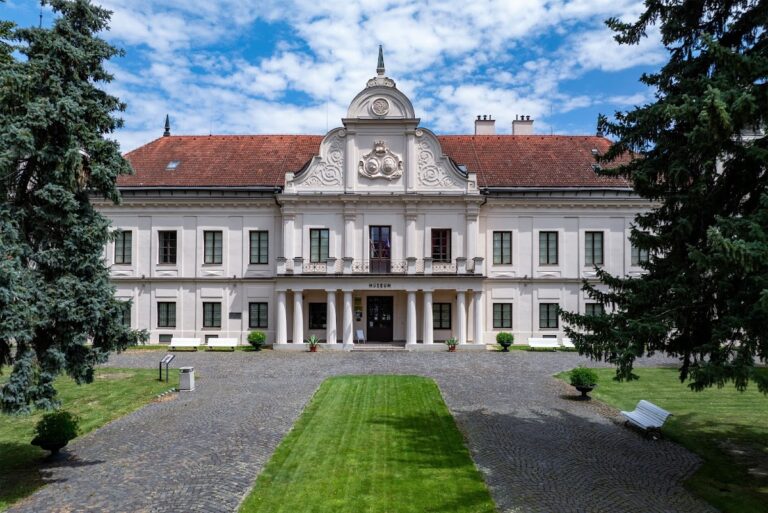
In 1786, surviving castle material was reused in the nearby Baroque château commissioned and owned by the Andrássy family, a prominent Hungarian noble family with major estates in the region. Further destruction followed during the second half of the twentieth century, when the Czechoslovak and Soviet armies used the ruins as a training shooting range. Archaeological investigations later took place during the reconstruction of part of the surrounding park. The castle remnant is protected as a national cultural monument.
Remains
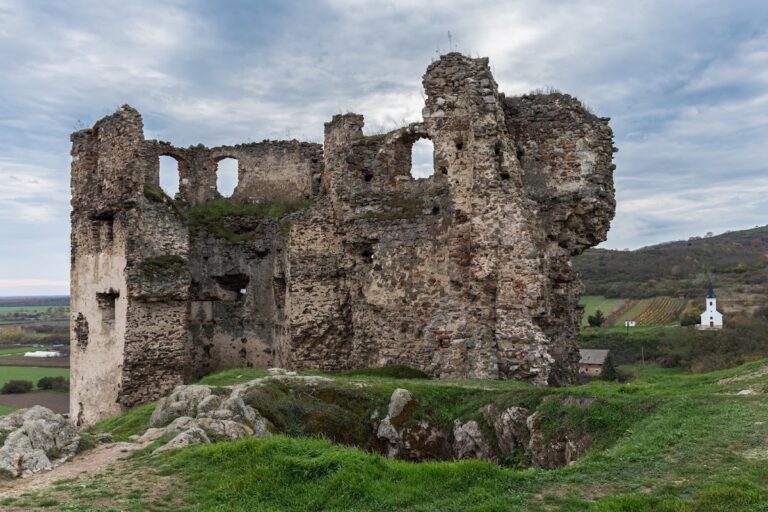
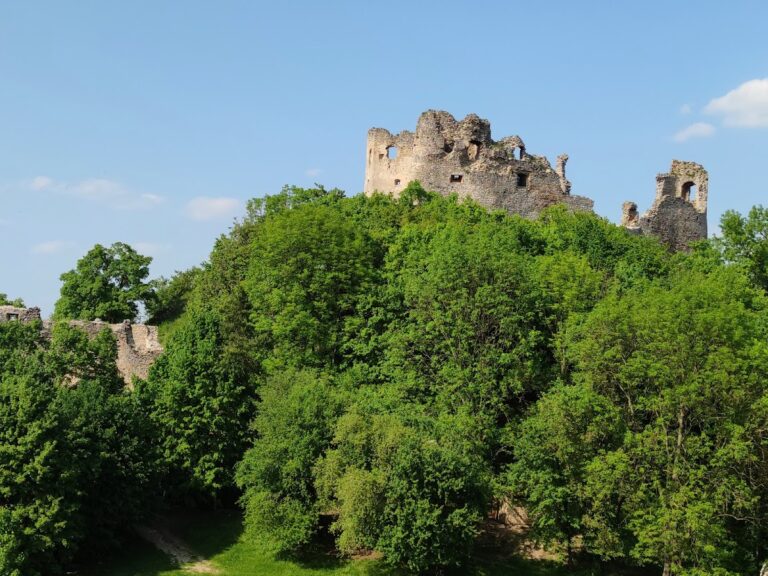
Castle ruin in the park
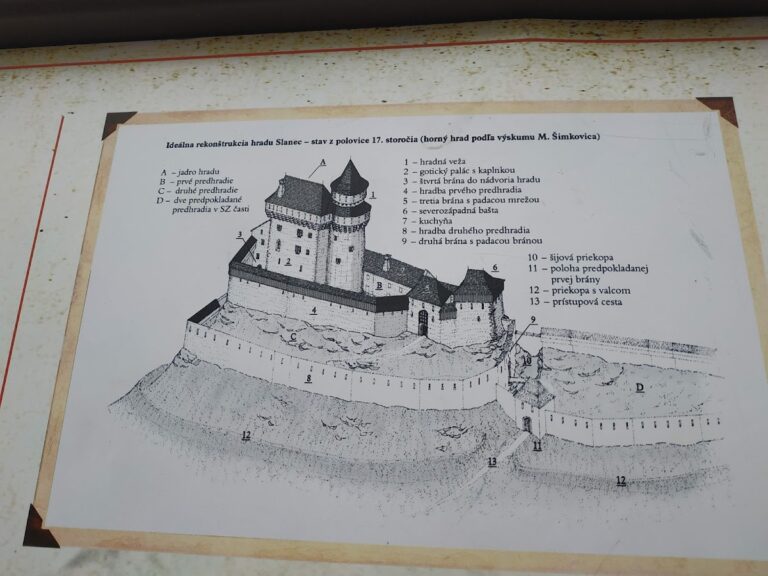
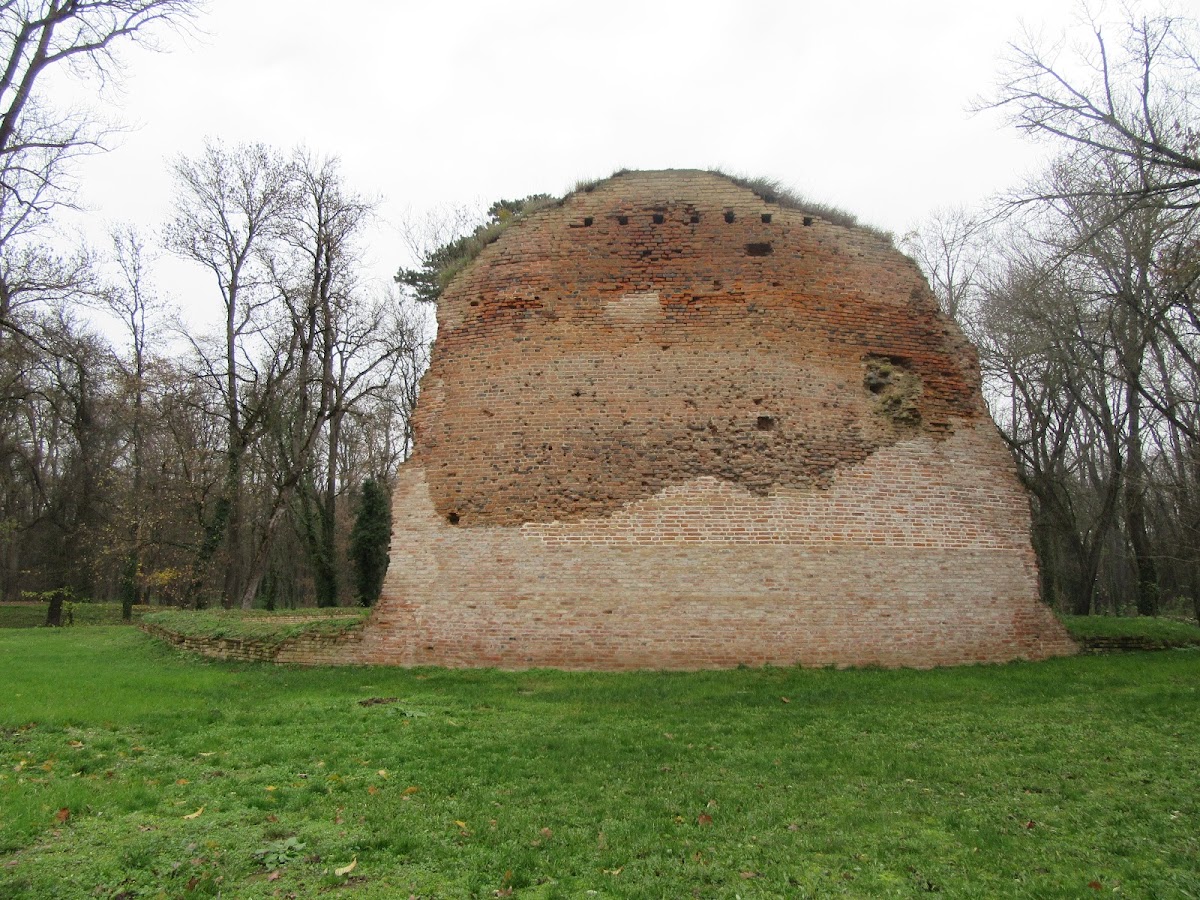
Trebišov Castle stands as a surviving fragment within Trebišov’s park. The earlier stronghold was constructed from timber and earth, but the medieval castle established at the beginning of the fourteenth century was built in stone and functioned as a water castle, a fortified residence protected partly by surrounding water or wet ground.
The surviving castle fabric consists of one wall. This remnant represents the small portion of the stone noble seat that endured the gunpowder destruction of 1686, later dismantling for building material, and twentieth-century military use of the ruins as a shooting range.