Castello di Torre Ratti: A Fortified Residential Mansion in Italy
Site at a Glance
- Rating
- 4.1
- Popularity
- Very Low
- Country
- Italy
- Primary era
- Early Modern
- Eras represented
- Medieval, Early Modern
- Civilizations
- Duchy of Milan, Holy Roman Empire, Spanish
- Site type
- Domestic
- Remains
- Castle
On this page7 sections
History
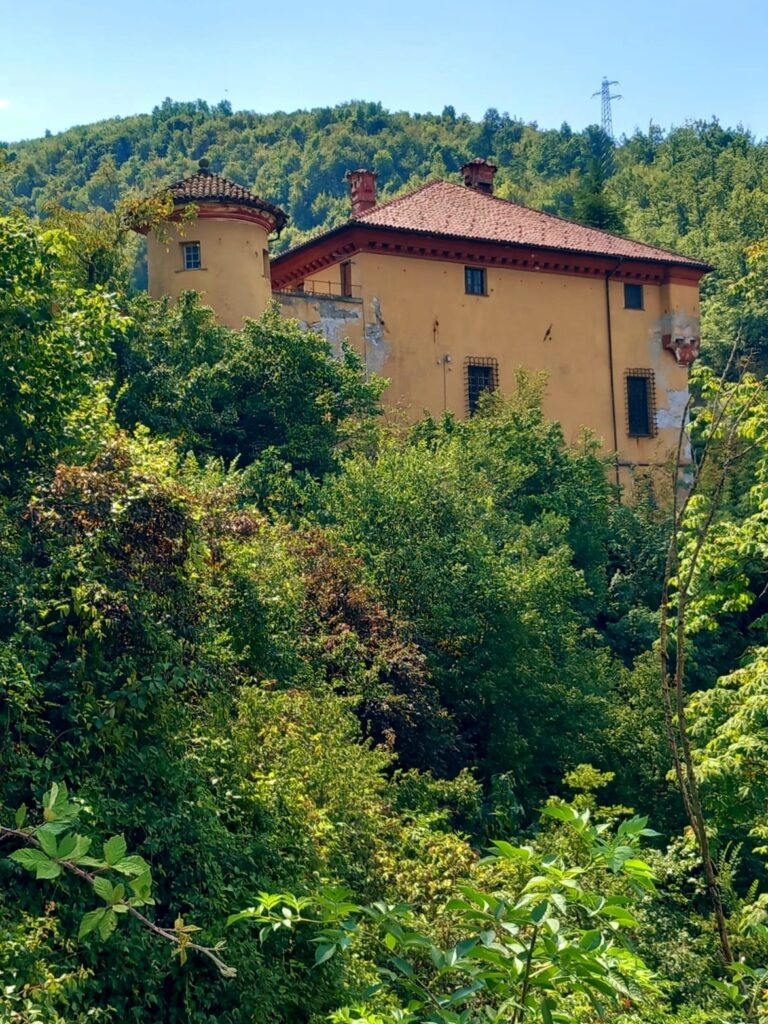
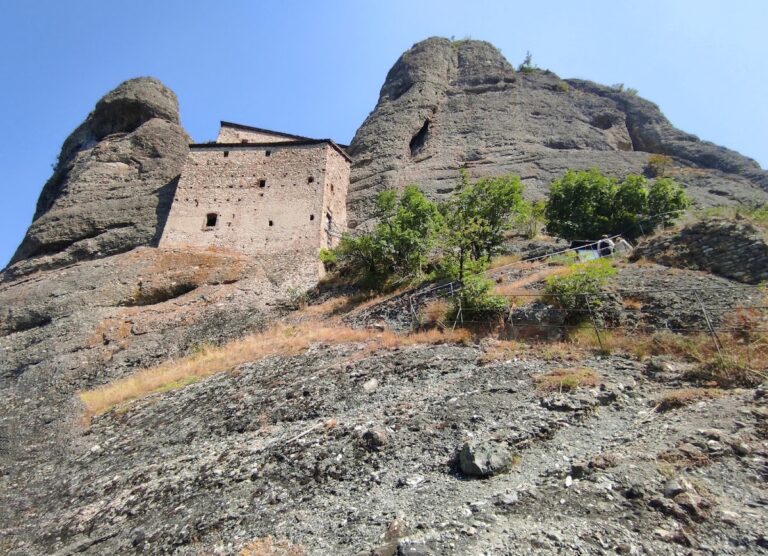
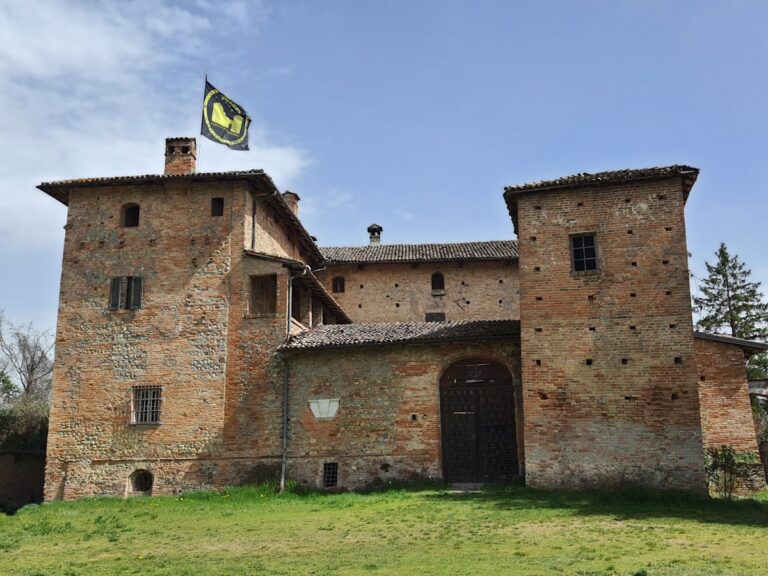
Castello di Torre Ratti is a fortified residential mansion in Italy, in the hamlet of Torre Ratti within the municipality of Borghetto di Borbera. It existed by around the year 1000 and developed through successive phases that gave it late-Renaissance and Baroque architectural elements. For centuries, the lower Borbera Valley belonged to the Duchy of Milan and was held as a fief by the Tortonese Rati-Opizzoni family.
Early history and the Duchy of Milan
The castle was already established when Frederick Barbarossa, the twelfth-century Holy Roman Emperor, arrived in the area during his Italian campaigns. Its first documented mention dates to 1413, when Filippo Maria Visconti, Duke of Milan from 1412 to 1447, ordered enlargement works. The project strengthened the castle’s role in controlling Milan’s extreme southern border, facing the Republic of Genoa and the Imperial Fiefs.
The present building took shape through several stages, including work completed before 1413, developments between 1413 and 1629, an intervention in 1560, and further construction after 1629. In 1629, the castle was enlarged with a square tower and its interiors were altered. A later addition filled the space between the two towers and was accompanied by a northern wing.
The Ratti family and later history
At the end of the nineteenth century, Cardinal Achille Ratti asked the Rati-Opizzoni family for permission to use their coat of arms because of their shared surname. The arms became the coat of arms of Pope Ratti, who later served as Pope Pius XI from 1922 to 1939. In exchange, the family received a ducal title. Castello di Torre Ratti has Italian national heritage designation.
Remains
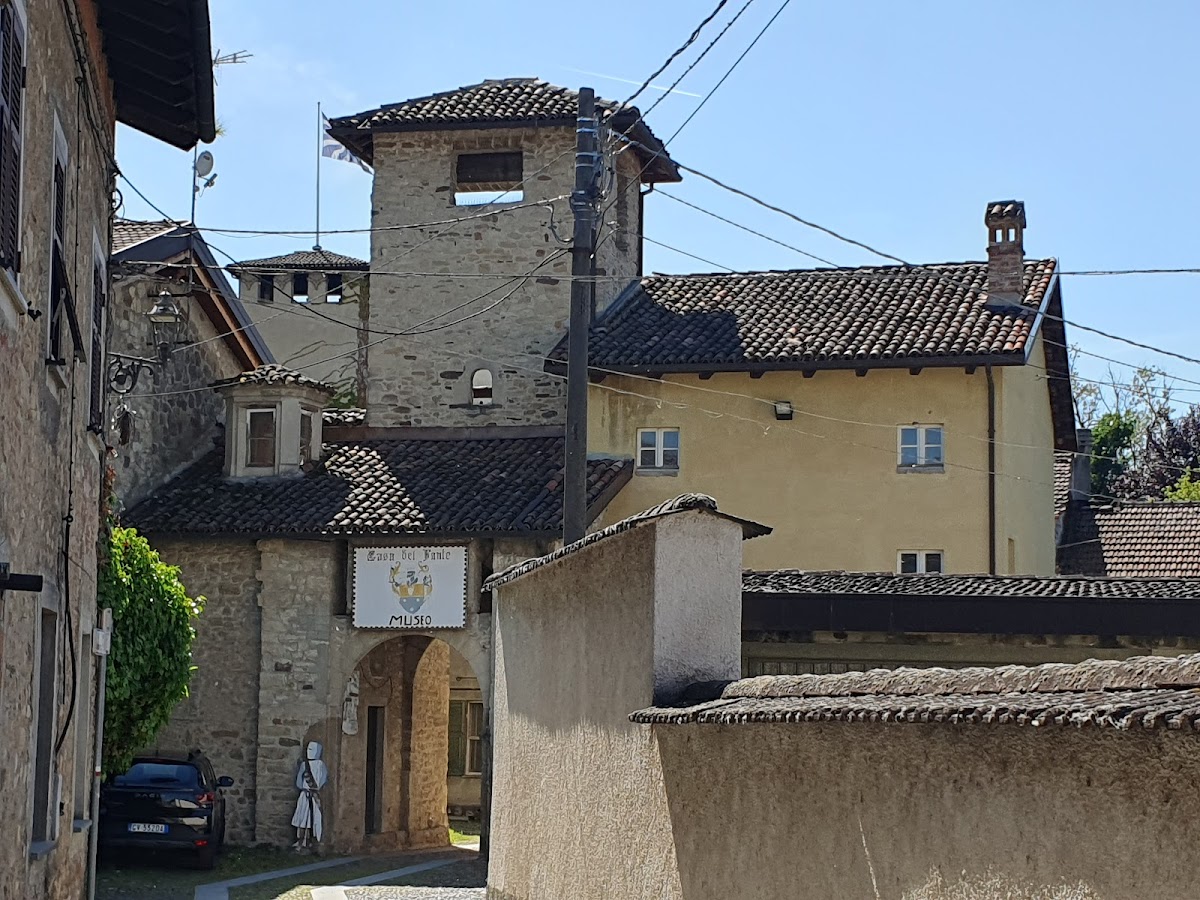
The surviving complex is a stone-and-brick fortified residence organized around two towers, the square tower added in 1629, the later construction between the towers, and a northern wing. Its architectural character combines late-Renaissance forms, associated with ordered proportions, and Baroque elements, known for more animated and decorative design. The building is currently described as being in good condition.
Interior features
Fireplace portrait
Above the castle fireplace hangs a painting of Costantino Balbi, Doge of the Republic of Genoa. A doge was the elected head of state in certain Italian maritime republics. Enrico Weimer painted the portrait in 1738.
Hall of Mirrors
The Hall of Mirrors contains two seventeenth-century mirrors, one still accompanied by its console. Filippo Parodi, a Genoese sculptor and architect, made these furnishings.