Castello di Bolzaneto: A Former Defensive Fortification in Genoa
Site at a Glance
- Rating
- 5
- Popularity
- Very Low
- Country
- Italy
- Primary era
- Medieval
- Eras represented
- Medieval, Modern
- Civilizations
- Genoese
- Site type
- Military
- Remains
- Castle
On this page8 sections
History
Origins and Genoese Reconstruction
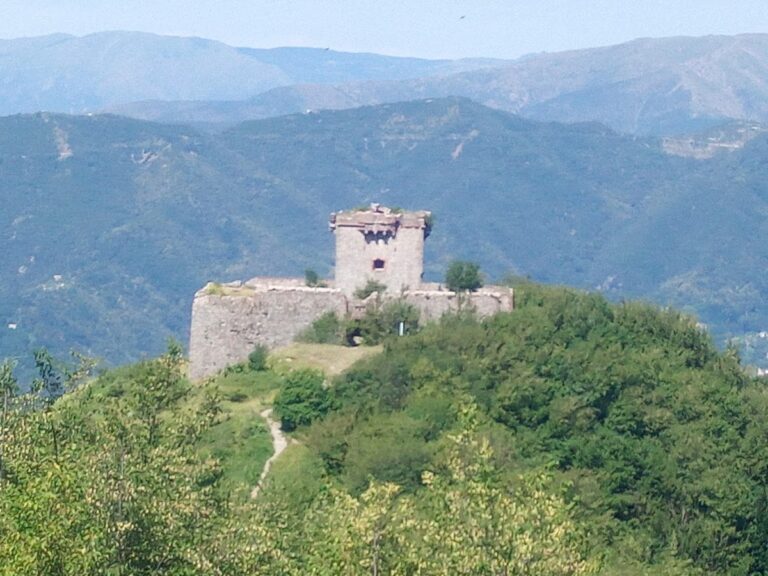
Castello di Bolzaneto is a former defensive fortification in Genoa, Italy, whose origins may date to the beginning of the fourteenth century. It stands in Bolzaneto, a district of Genoa in the Polcevera valley, where the settlement developed around the stronghold. The castle may have been built at the initiative of the Adorno family, which held substantial economic interests in the valley, perhaps as part of a group of fortified positions that also included strongholds at Pontedecimo and Sant’Olcese.
The first fortification was destroyed between 1336 and 1337 during fighting between Genoa’s Guelfs and Ghibellines, rival political factions in medieval Italy known locally in Genoa as the Rampini and Mascherati. The Republic of Genoa rebuilt the castle in 1380 on the initiative of Doge Nicolò Guarco. A doge was the chief magistrate of the medieval and early-modern republic. The rebuilt fort guarded the northern approaches to Genoa, since an army descending through the Polcevera valley could threaten the city.
Military and Administrative Roles
In 1382, Bertone Brusca served as castellan and commanded a garrison of about twenty crossbowmen. During the first decades of the fifteenth century, the fort briefly housed the seat of the Podesteria of Polcevera. A podesteria was an administrative district governed by a podestà, an official responsible for civil and judicial authority.
During the war between the Republic of Genoa and the Duchy of Milan, troops belonging to Filippo Maria Visconti captured the castle in 1435. Visconti, duke of Milan from 1412 to 1447, was a major political and military opponent of Genoa. His troops held the fort until the end of that year, when a popular uprising expelled the Visconti from Genoa.
Austrian troops occupied the fort during the military events of 1746–1747 and again in 1800. Neither occupation is associated with recorded armed clashes at the castle. By the nineteenth century, its strategic military role had ended, and after a long period of neglect it was decommissioned as a military post in the early twentieth century.
Conversion to Civilian and Healthcare Use
After decommissioning, the Pastorino family purchased the complex and first adapted it as a country residence. Carlo Pastorino later transformed it into a hospital dedicated to his mother, Carolina Pastorino. The hospital continued operating until the 1980s.
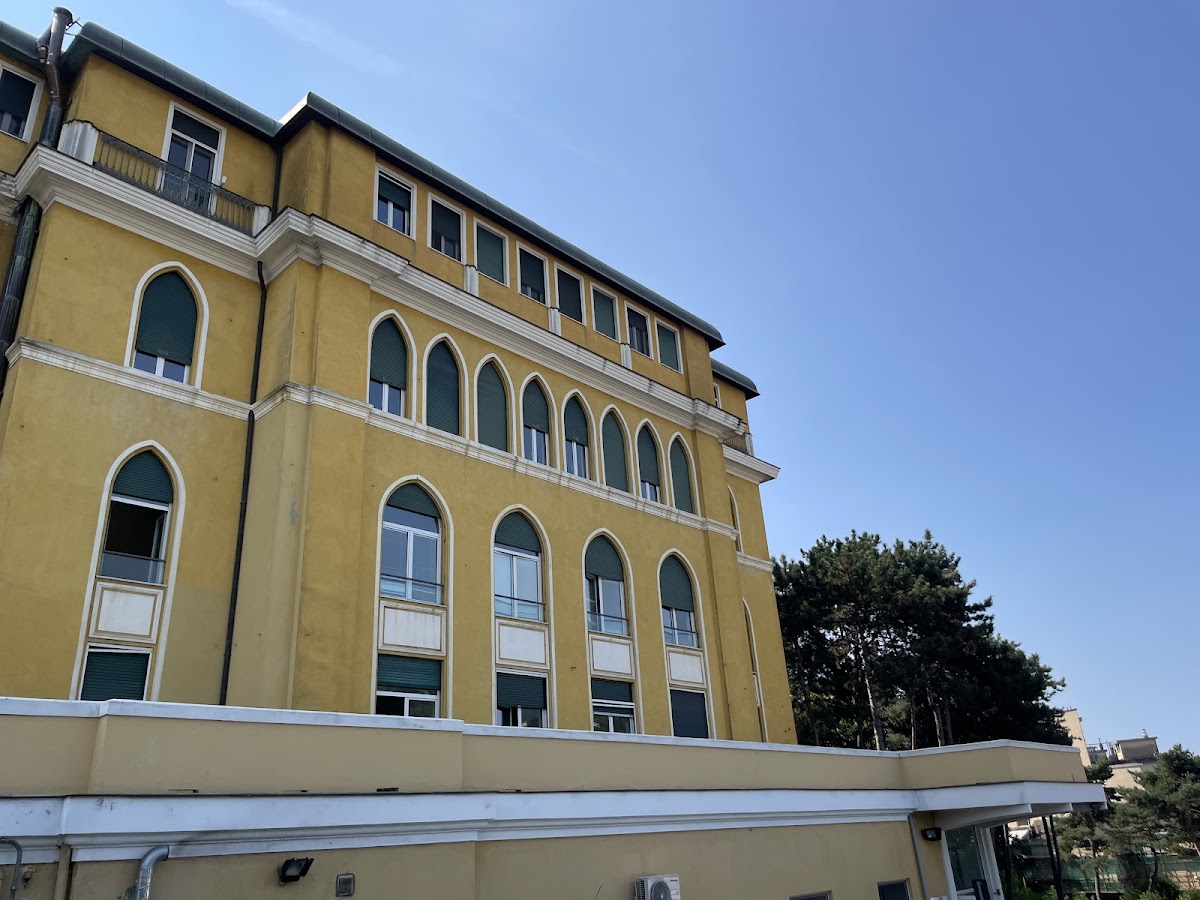
Since 2002, Castello di Bolzaneto has housed a residential healthcare facility and a hospice managed by the Gigi Ghirotti Association of Genoa. A hospice provides palliative care, especially for people with advanced or terminal illness. This modern use occupies a complex whose original military purpose belonged to an earlier phase of the site’s history.
Remains
Fortified Setting and Layout
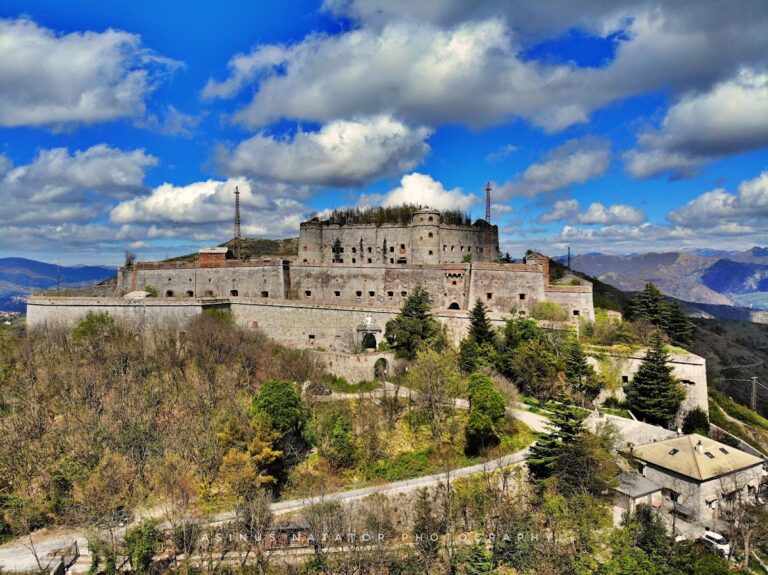
Castello di Bolzaneto occupies the small Montebello height, on a rocky spur at the foot of Brasile hill. The position formerly overlooked the left bank of the Polcevera River and stood near the confluence of the Secca, beside a broad marshy area known as Bratte. The marsh and the surrounding terrain made the site difficult to attack. Its position also controlled the principal route between the lower and upper Polcevera valley and lay near a ford across the Secca on the road from Pontedecimo to Genoa through the hills on the river’s left bank.
Central Castle
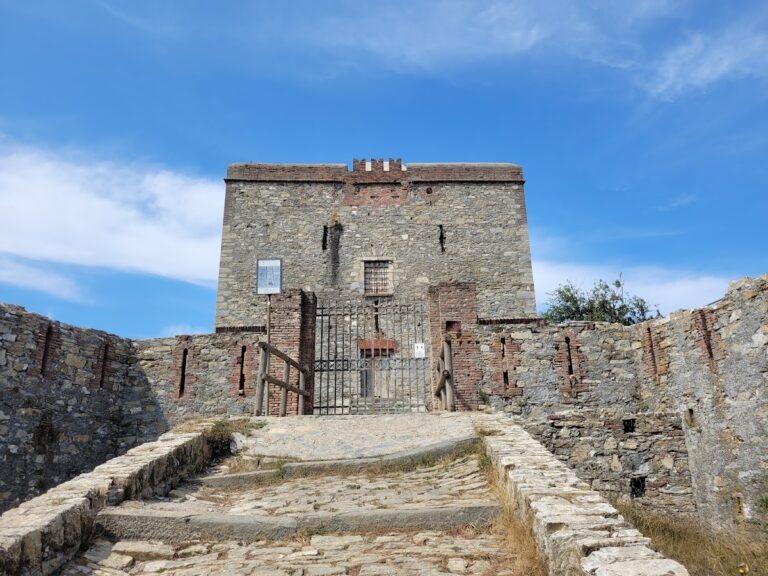
The fourteenth-century rebuilding created a square fortification organized around a central octagonal tower. The tower was covered by a pitched roof, while four smaller towers occupied the corners. Although the complex has been altered over time, this arrangement forms the basic structure that survives.
Later Additions and Alterations
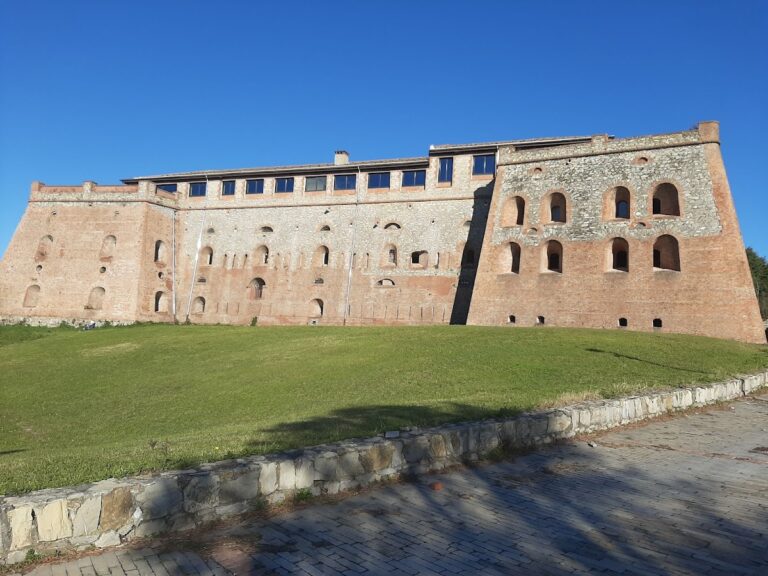
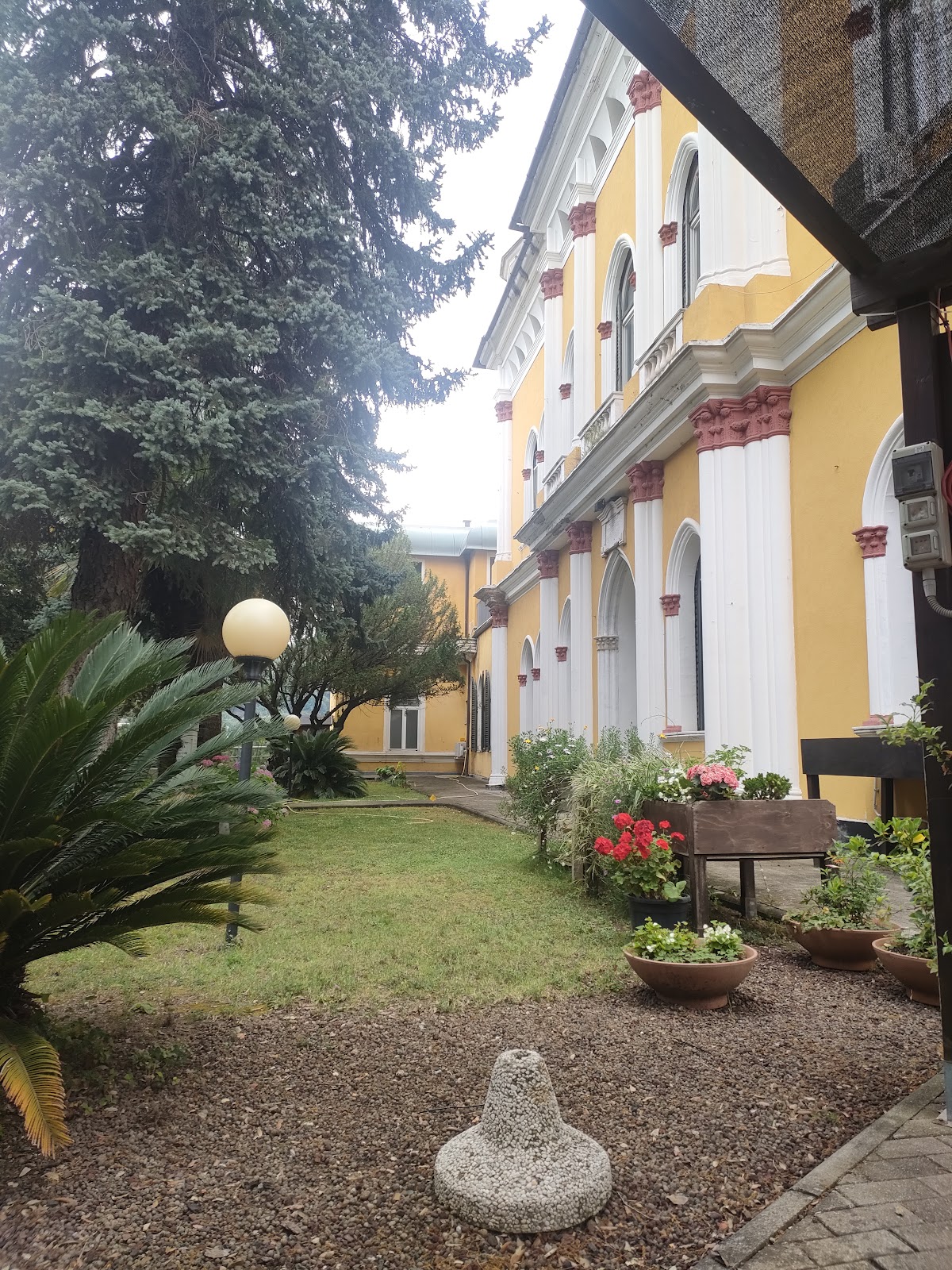
A long, rectangular building was later attached to the original fortification. During the early twentieth-century conversion into a residence, the complex acquired a Neo-Gothic appearance and an English-style park. Extensive renovation and substantial alteration have since accompanied its use as a healthcare facility.