Castello Colonna: The Medieval Castle of Eboli, Italy
Site at a Glance
- Popularity
- Medium
- Country
- Italy
- Primary era
- Medieval
- Eras represented
- Medieval, Early Modern
- Civilizations
- Kingdom of Naples, Kingdom of Sicily, Norman, Spanish
- Site type
- Military
- Remains
- Castle
On this page10 sections
History
Castello Colonna is an 11th-century castle in Eboli, Italy, built under Norman rule in southern Italy. It first appears in a donation deed. A Roman military camp has been suggested as an earlier predecessor, as has a Lombard military post protecting the county of Eboli under Count Lamberto of the House of Nocera, but neither proposal is verified.
Norman and Hohenstaufen rule
Eboli came under Norman control in 1054, and construction of the castle is attributed to William of Hauteville, brother of the leading Norman ruler Robert Guiscard. The Normans established control over parts of southern Italy during the 11th century, and their influence in Eboli continued into the 12th. The castle formed part of the defenses of the Principality of Salerno, a medieval state in southern Italy, and also served as an administrative center for the town.
During the conflict between Henry VI, Holy Roman Emperor, and Tancred of Lecce, ruler of Sicily, Eboli supported the Hohenstaufen, a dynasty that ruled parts of the Holy Roman Empire and southern Italy. Under Hohenstaufen rule the castle lost military importance. Frederick II later converted it into a hunting lodge.
Angevin rule
In 1290, Charles Martel of Anjou held a court assembly at the castle. The Angevins were a dynasty that ruled parts of southern Italy and Sicily, and the castle later remained with their Hungarian branch. In 1315 it passed to Joanna I, queen of Naples. Joanna II subsequently granted it as a fief, property held under feudal obligations, to Antonio Colonna. The castle’s present name derives from Colonna, who commissioned alterations in the 15th century.
Aragonese rule and noble ownership
Under Aragonese rule, the castle and Eboli were feudal possessions of several noble families, including the Della Ratta counts of Caserta and the Sanseverino. Ruy Gómez de Silva, Duke of Pastrana, held the castle from 1555 to 1567. It then passed to the Genoese nobleman Nicolò Grimaldi and, after his death, to the Doria d’Angri family, who lived there until feudal rule ended in the early 19th century. The castle was enlarged and fortified in 1640.
Institutional use
Baron Camillo Romano Avezzana sold the castle to the Ministry of Justice in 1935. The ministry established a juvenile correctional institution there, inaugurated in June 1939 by Justice Minister Arrigo Solmi. The castle has been used as a prison since 1939. In 1993 it became an adult prison for people convicted of offences who are dependent on drugs or alcohol.
Remains
Layout and surviving features
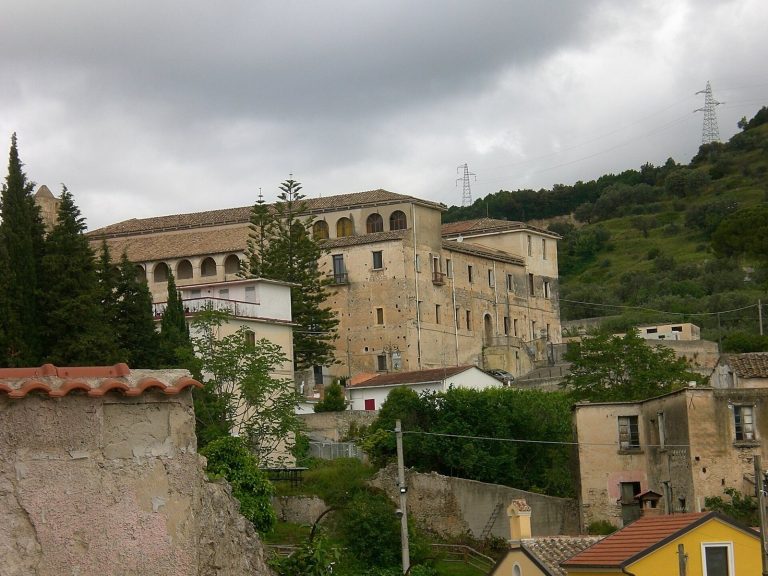
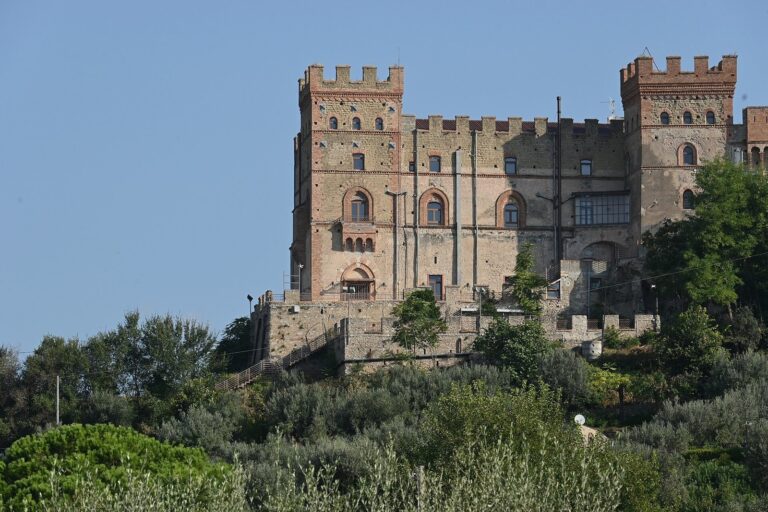
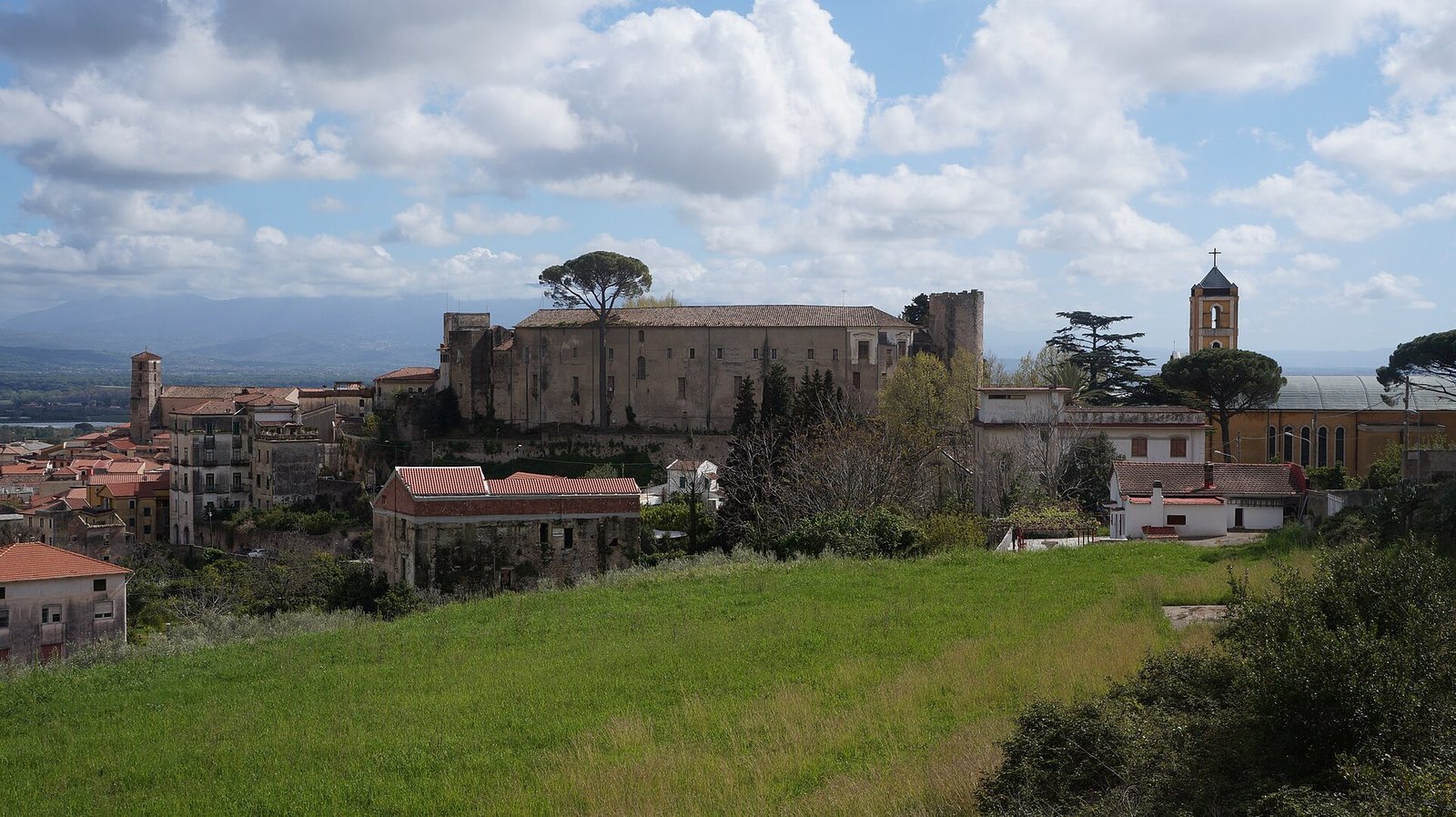
The castle stands on a hill above northern Eboli, overlooking the town and the Sele plain. Its form reflects successive building changes over the centuries, and the castle has been restored.
Round towers
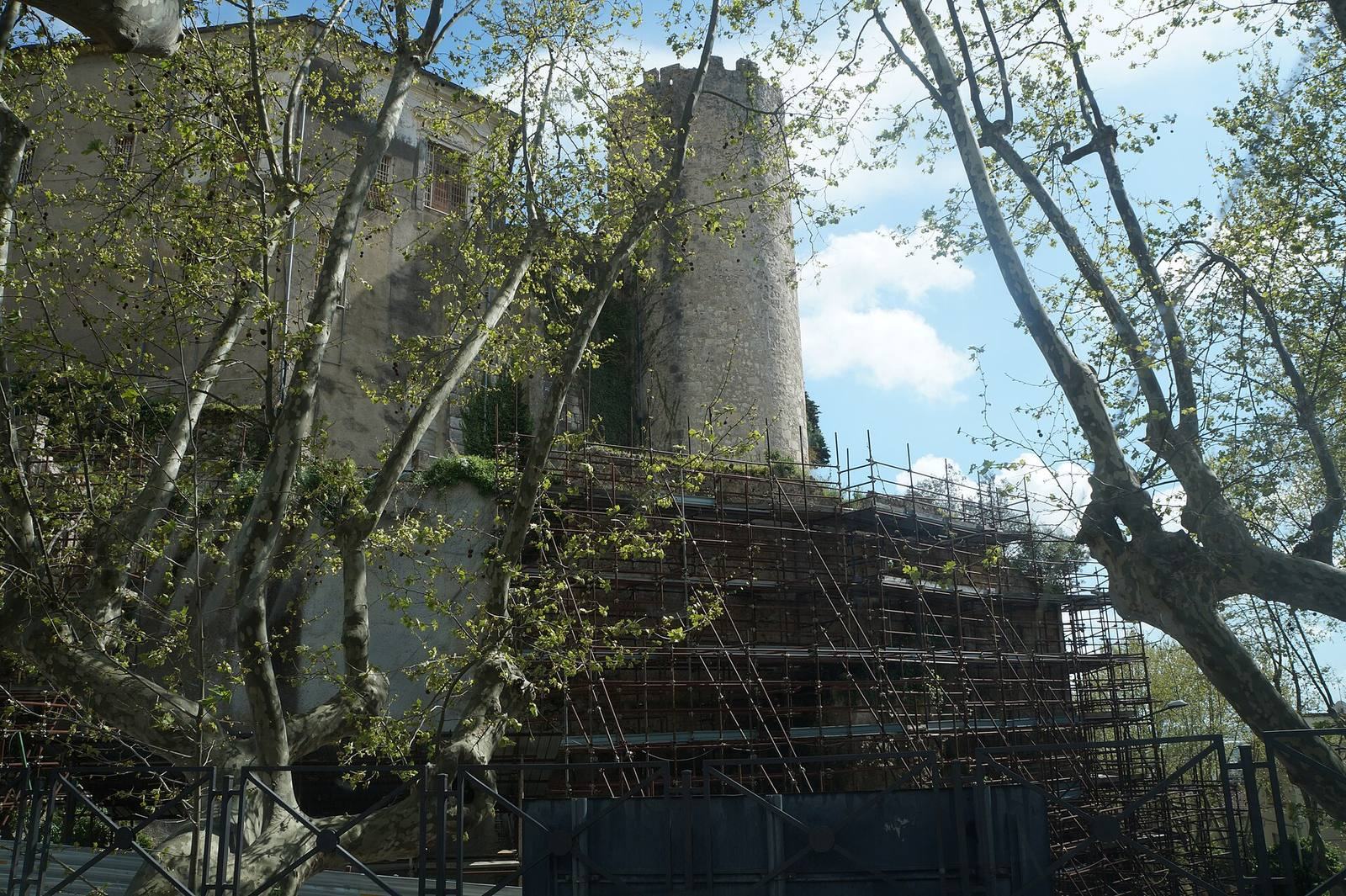
The round towers date to the period when Frederick II converted the castle into a hunting lodge.
Chapel of Saint Mark
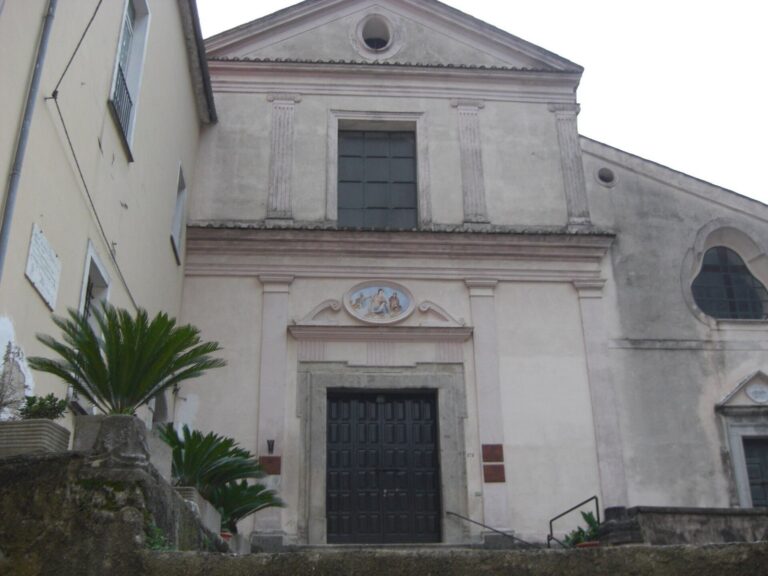
A small chapel dedicated to Saint Mark lies within the castle. It is first recorded in 1309.
Northern outer tower
The castle’s outer tower on the north side collapsed on the evening of 8 March 2016.