Castellaro Castle: A Medieval Fortress in Castel d’Ario, Italy
Site at a Glance
- Popularity
- Medium
- Country
- Italy
- Primary era
- Medieval
- Eras represented
- Medieval
- Civilizations
- Unclassified
- Site type
- Military
- Remains
- Castle
On this page7 sections
History
Origins and defensive role
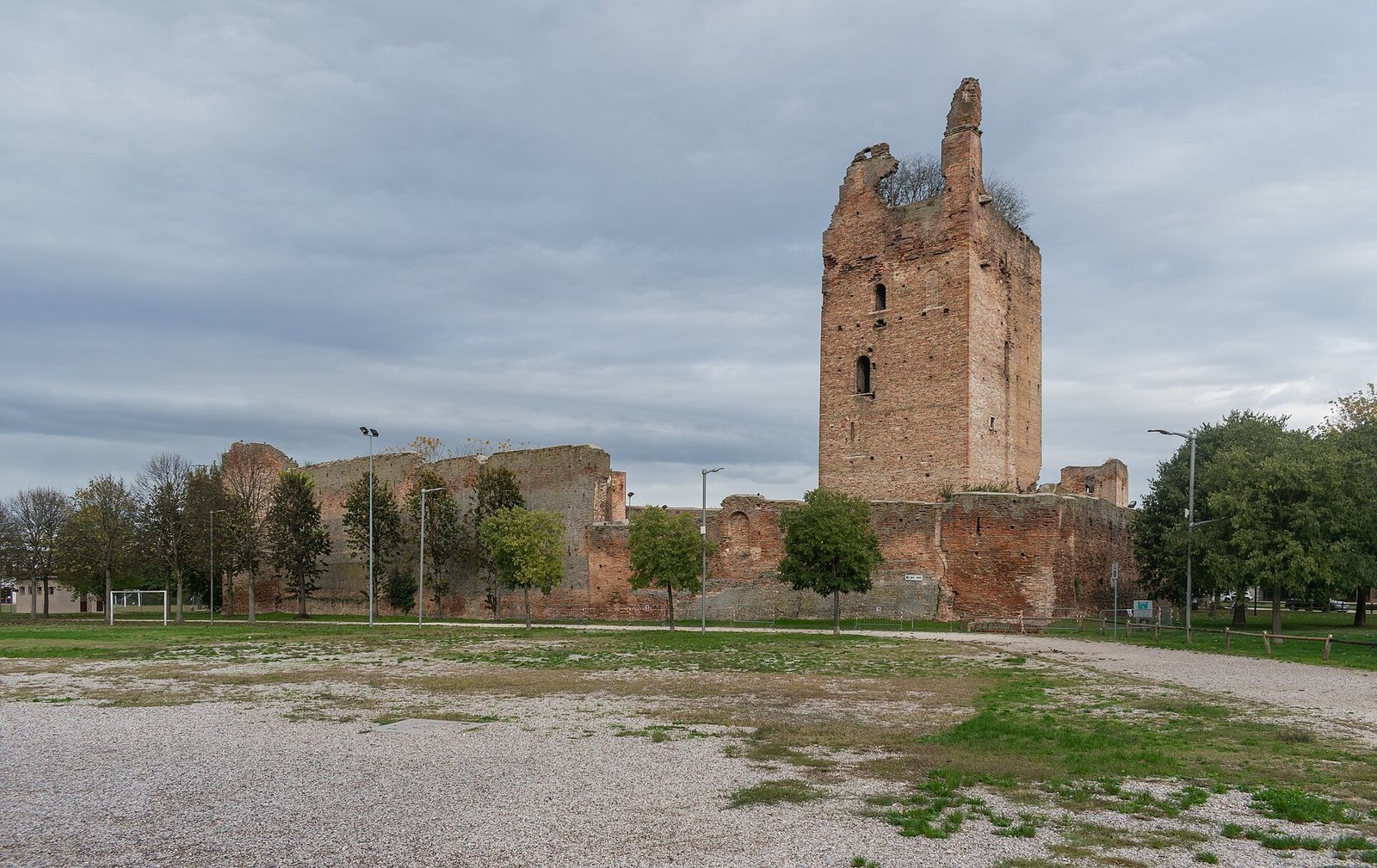
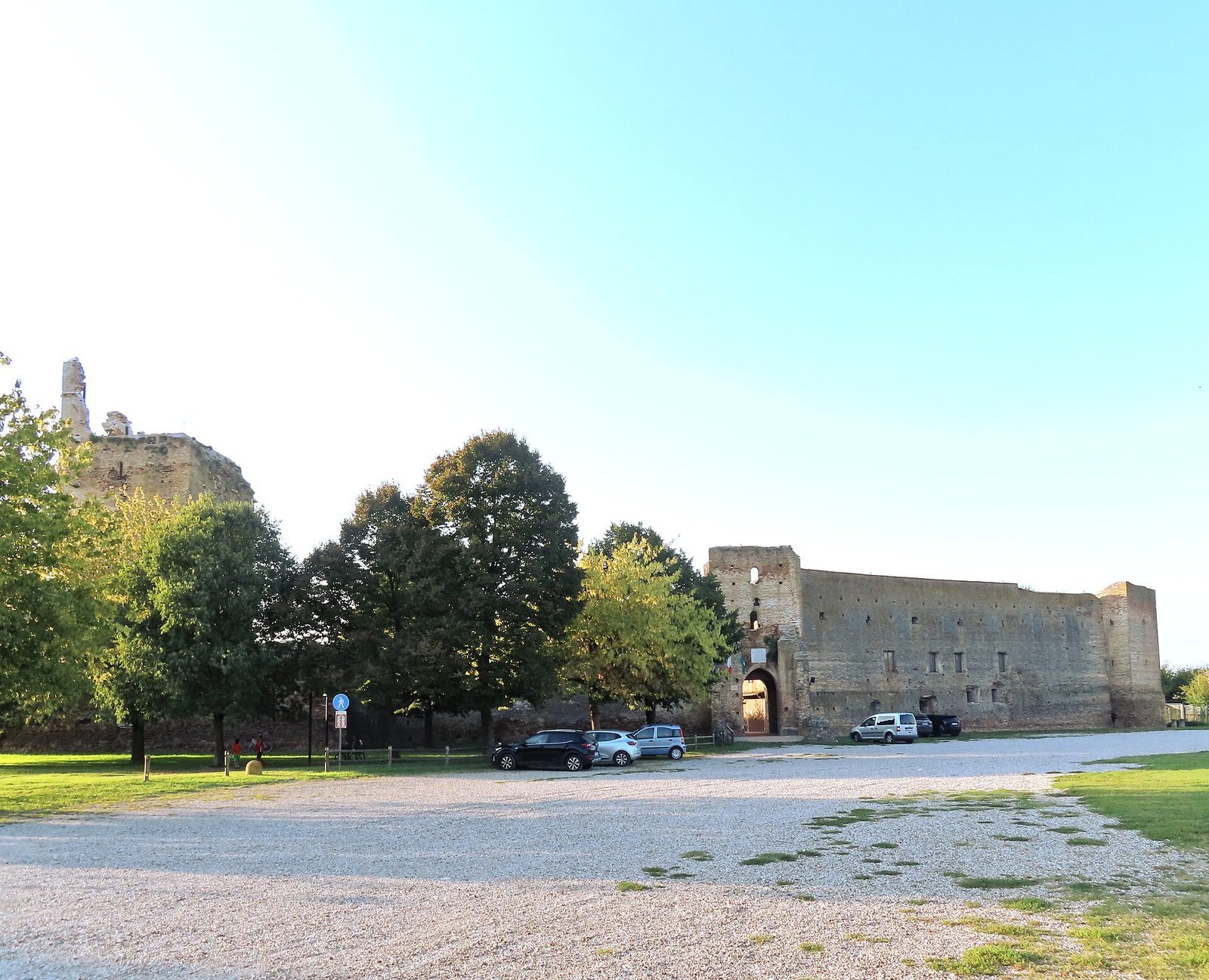
Castellaro Castle is a partly ruined fortress in the historic center of Castel d’Ario, Italy. It is dated to the 10th century, although its construction is also broadly placed between the 11th and 13th centuries. The Prince-Bishopric of Trent, a territory where a bishop held both religious and political authority, was its first owner. The castle defended the settlement and served as a border stronghold for the Scaligeri of Verona, the Bonacolsi, who held power in Mantua before the Gonzaga, and the Gonzaga, who later ruled Mantua.
Renaissance and later history
Restoration work took place from November 1478 to June 1484. In 1484, Evangelista Gonzaga was imprisoned in the Tower of Hunger on suspicion of plotting against Francesco II Gonzaga, Marquis of Mantua. He was later cleared of the accusation.
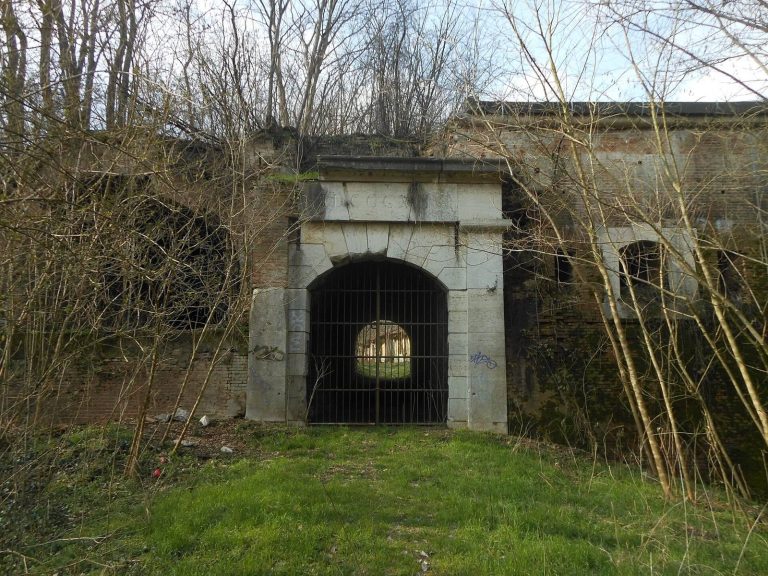
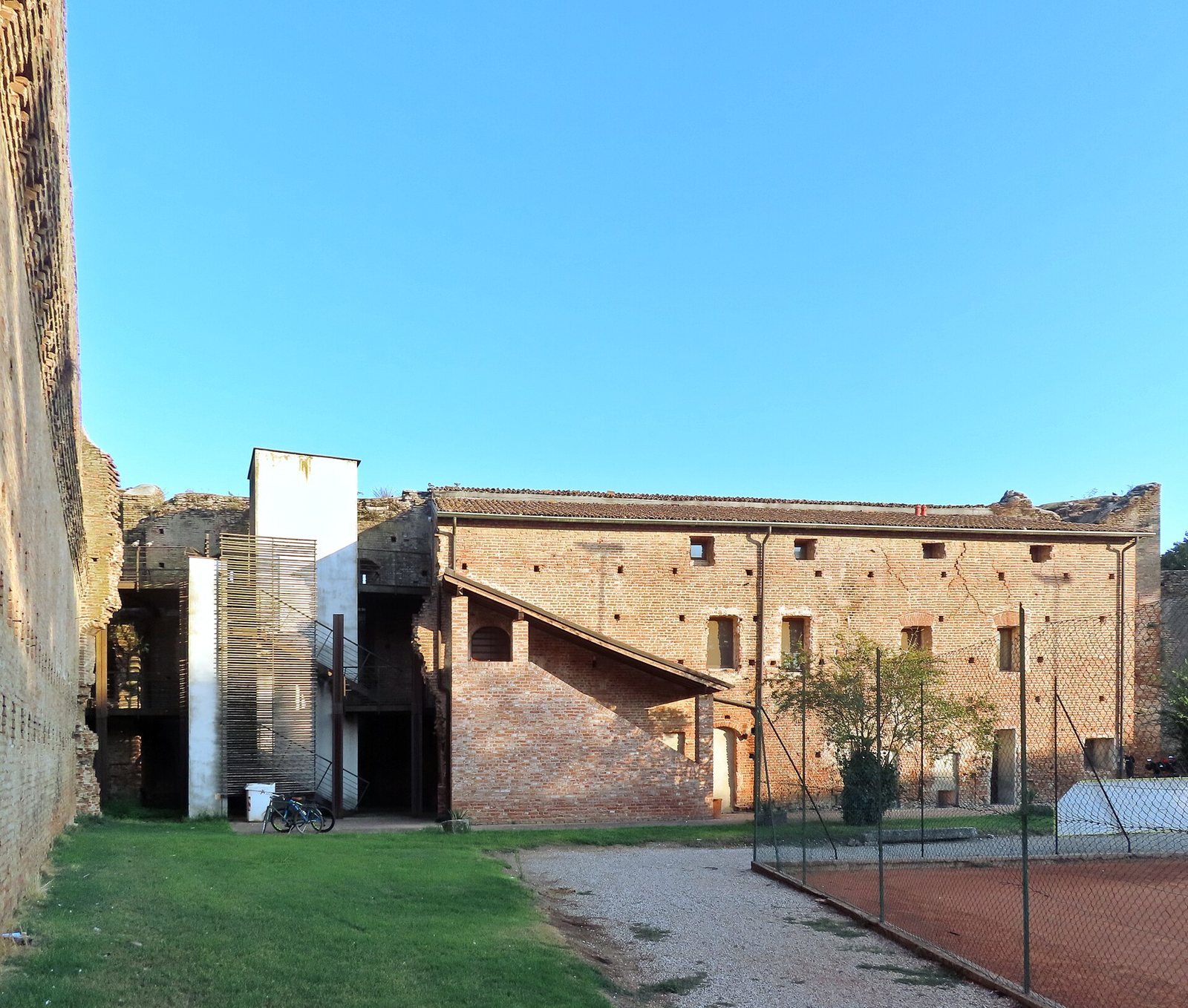
The castle underwent demolition in the 18th century and is now partly ruined. It was known as Castellaro until 1867 and is currently owned by the municipality of Castel d’Ario.
Remains
Plan and defenses
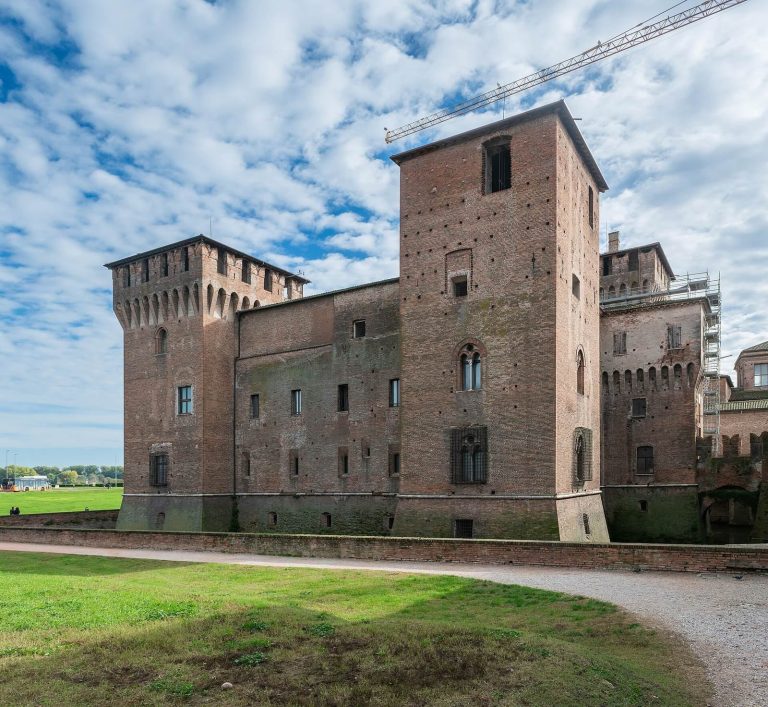
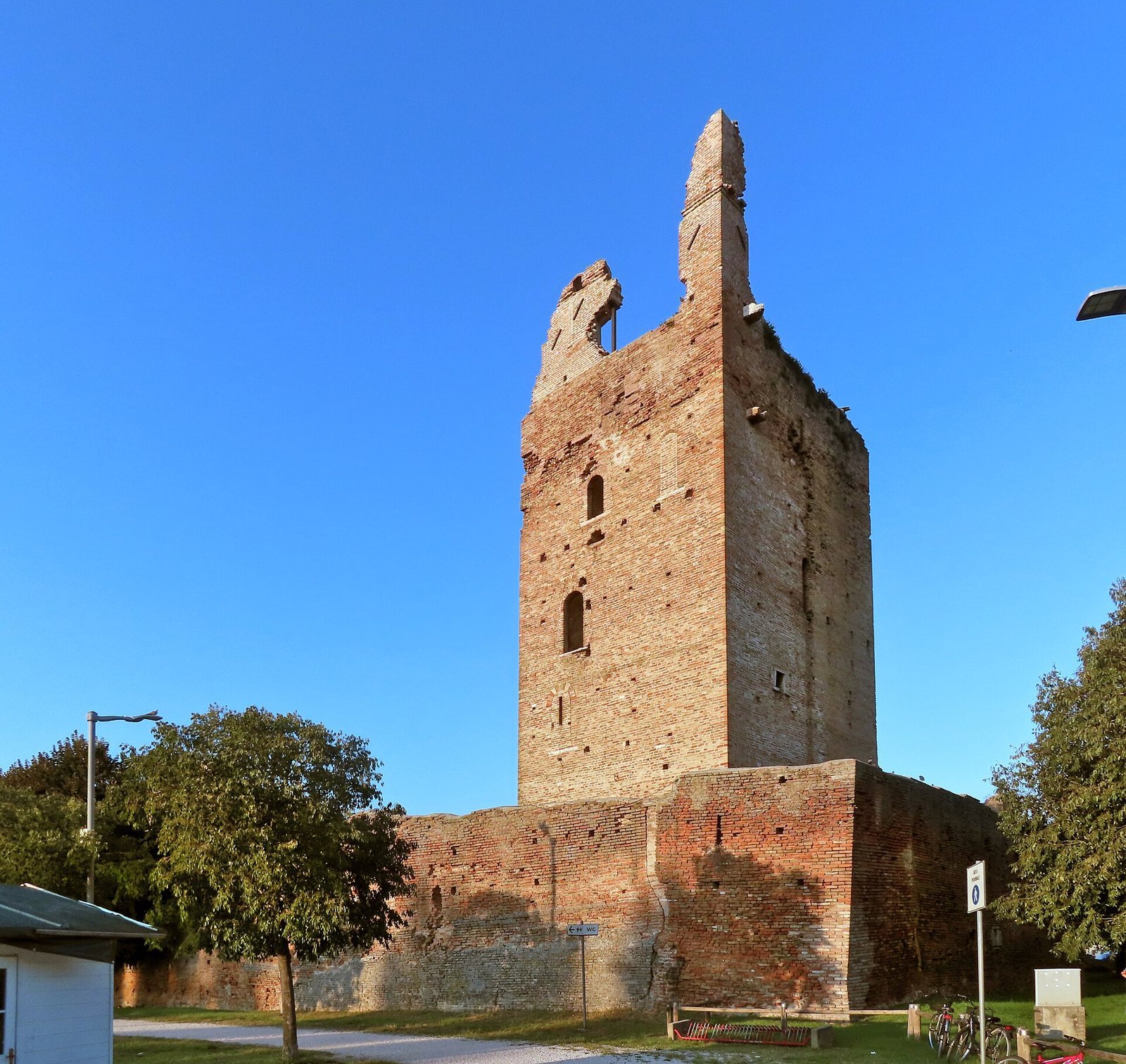
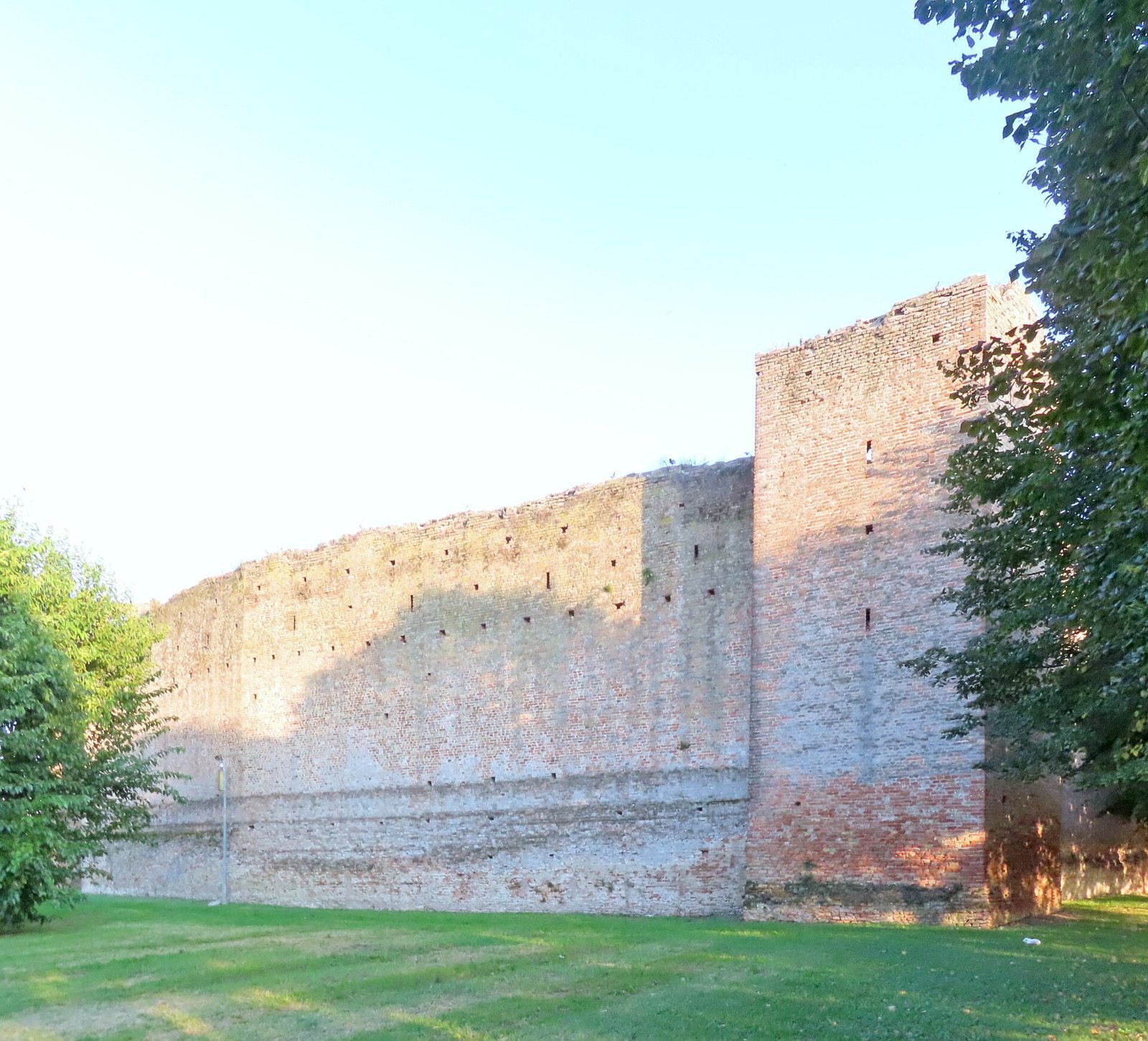
The castle has a pentagonal plan, and its original urban layout remains intact. Some buildings and defensive works survive, including five towers. The castle’s construction materials include cobbles, mortar, and brick.
Tower of Hunger
Skeletons found in the Tower of Hunger in the mid-19th century were attributed to members of Francesco Pico della Mirandola’s family and to Rinaldo Bonacolsi’s nephews and son, Francesco. They were said to have been imprisoned and starved in the tower. A plaque on the castle gate commemorates the starvation episode.
Palazzo Pretorio
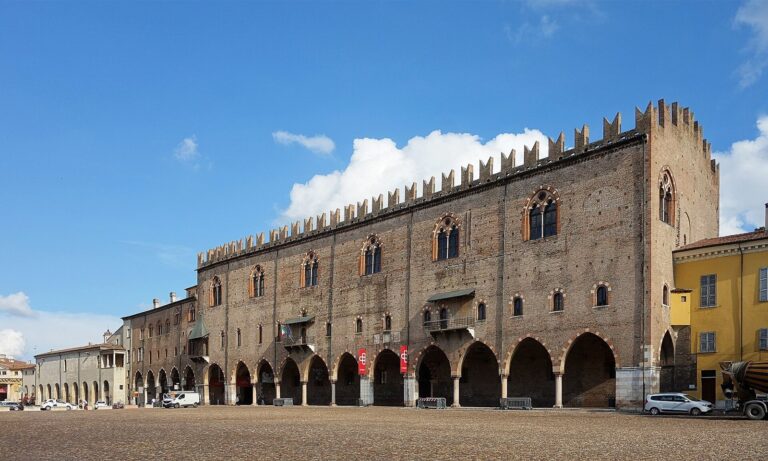
The Palazzo Pretorio, or magistrate’s palace, is the only building recently restored. It is used for official representation and houses the municipal library. Its 14th-century frescoes are attributed to the Scaligeri lordship.