Biosca Castle: A Romanesque Fortress in Catalonia
Site at a Glance
- Rating
- 5
- Popularity
- Very Low
- Country
- Spain
- Primary era
- Medieval
- Eras represented
- Medieval, Modern
- Civilizations
- Spanish
- Site type
- Military
- Remains
- Castle
On this page7 sections
History
From frontier territory to medieval lordship
Biosca Castle is an eleventh-century fortress in Biosca, Catalonia, Spain, built in the Romanesque style, a medieval European architectural tradition. In 1031, Biosca’s territory was included among the boundaries of the Castle of Fontanet, a frontier stronghold.
In 1067, the castle was held by Sança d’Aragó, the mother of Ermengol IV, count of Urgell, a medieval Catalan county. In 1093, Berenguer Brocard, a dependent of the counts, bequeathed it to his brother Pere. Guillem Gauspert and his wife Godlén left the castle to Pere Jospert in 1106. The knight Pere Guillem de Biosca is named in connection with 1117 and 1140.
Ramon Bernat de Seró was the castle’s castellan, an officer responsible for its custody or administration, in 1172. He was married to Ermessenda de Biosca and joined the Order of the Hospital, a Catholic religious and military order, in 1192. His son Ramon de Seró, who was married to Alet, held the castle for the Count of Urgell in 1190.
The Camporrells and later holders
In 1200, Berenguera, daughter of Ramon de Seró, married Ramon de Camporrells. The Camporrells family retained the lordship until Antoni de Camporrells i de Gallart died in 1709. The estate then passed to the Delpàs family through the marriage of Antoni’s sister Teresa to Àngel Delpàs i Alzina, who came from Perpignan.
In 1796, Josep Iglésias i Ramon, lord of Biosca and a resident of Sant Martí Sesgueioles, leased the castle and the Camporrells lands at Albesa for five years. The annual payment was 1,500 Catalan pounds, a historical monetary and accounting unit.
Nineteenth-century defenses and heritage status
During the First Carlist War, a Spanish civil war between the liberal government and supporters of the Carlist claim to the throne, Liberals enlarged the castle’s fortifications in 1839. Biosca Castle has held the designation Cultural Asset of National Interest since 1988.
Remains
Plan and setting
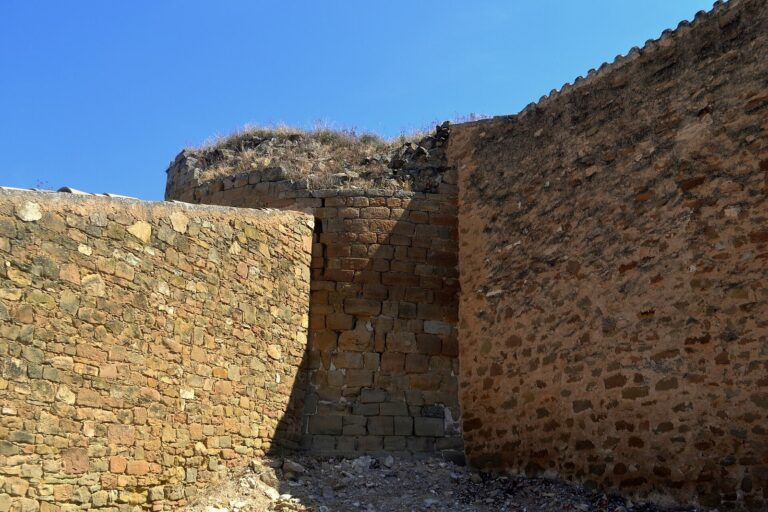
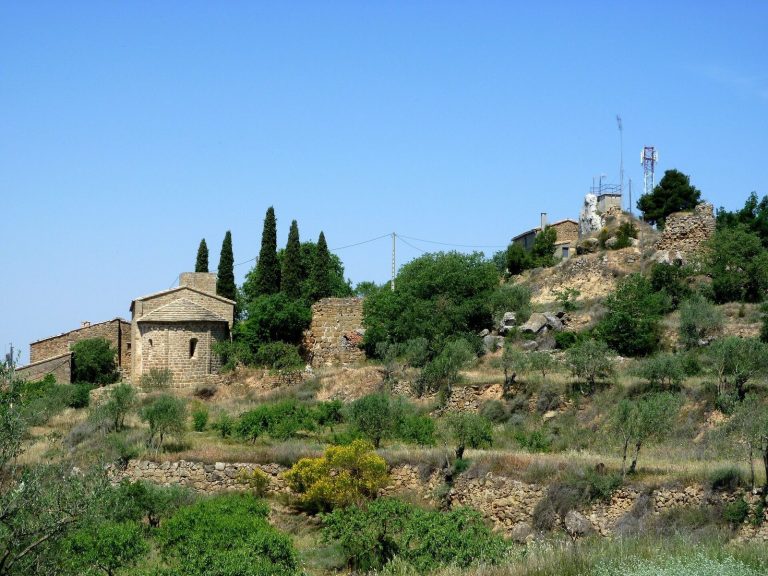
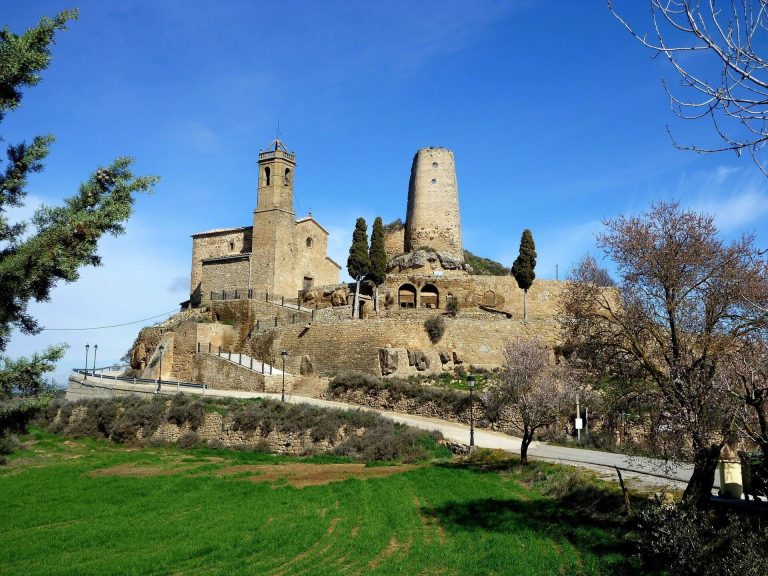
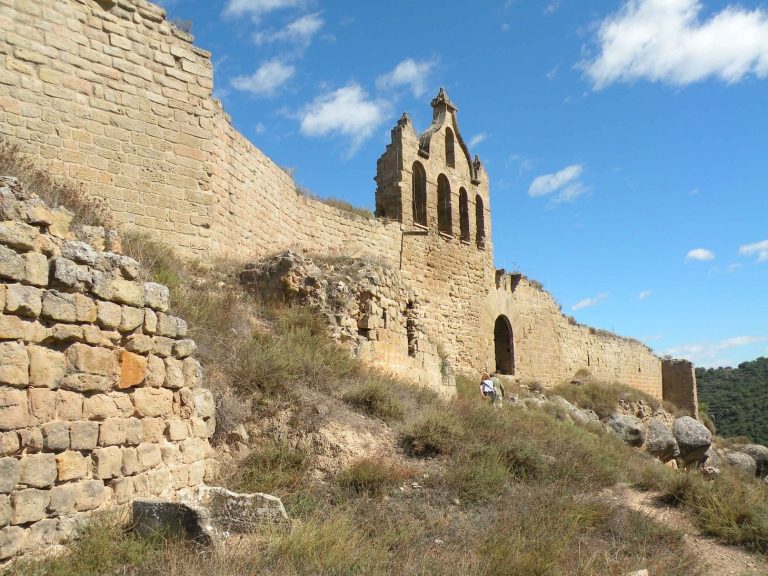
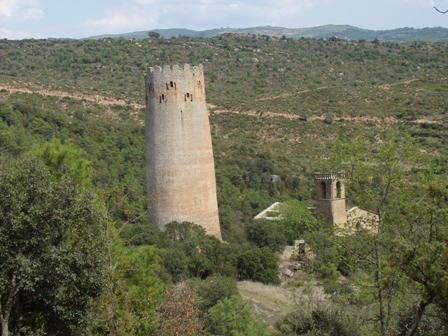
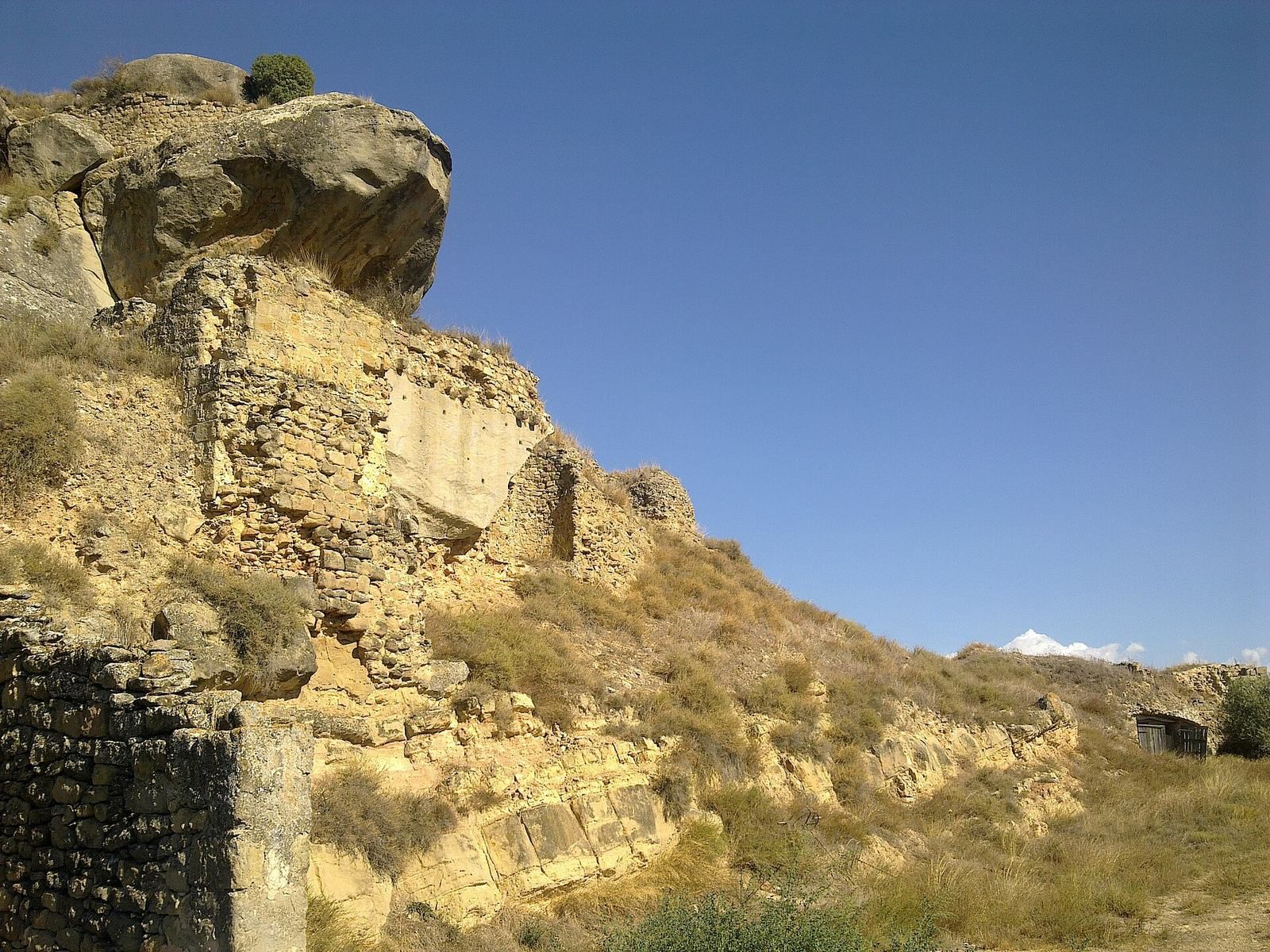
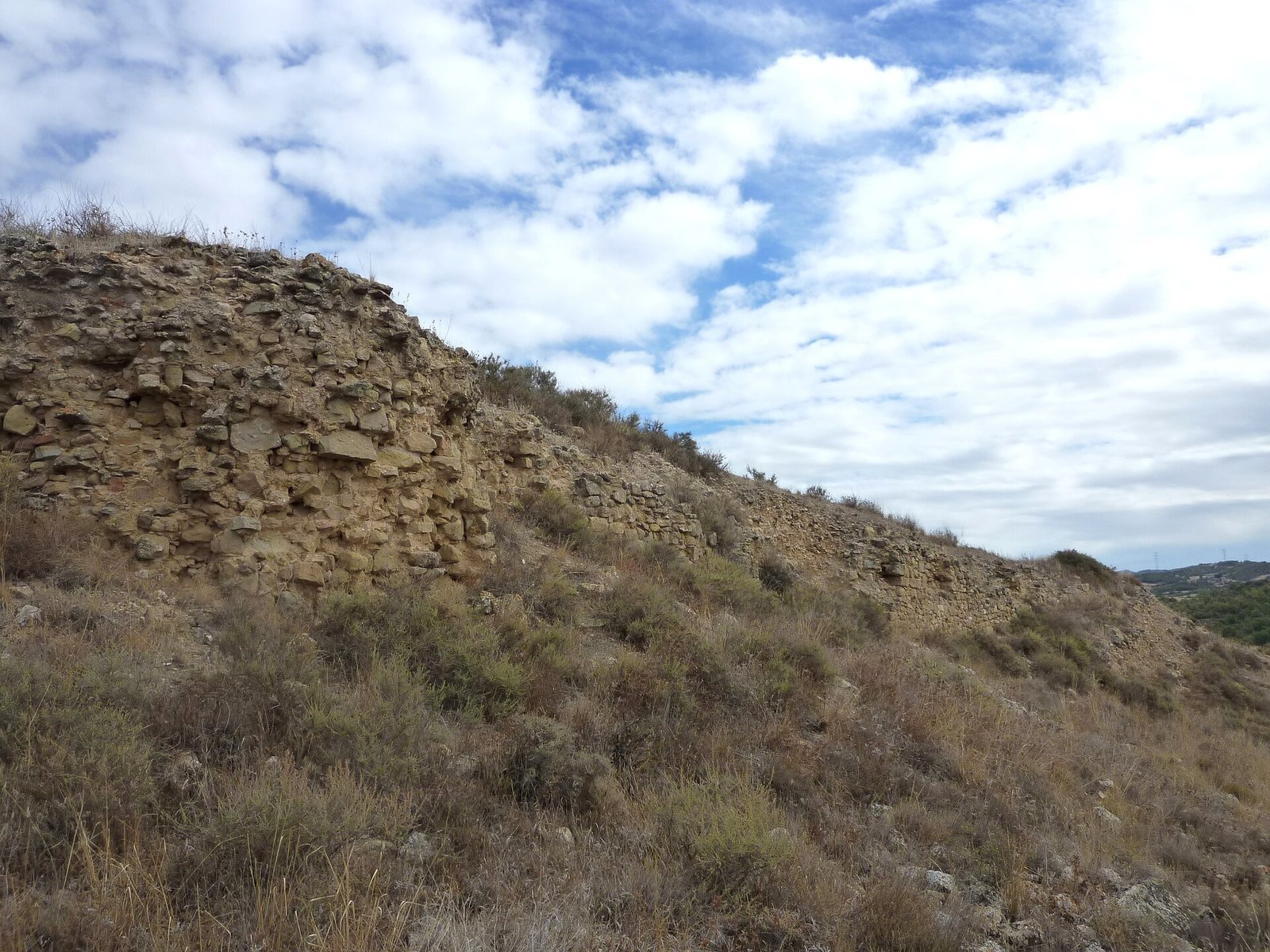
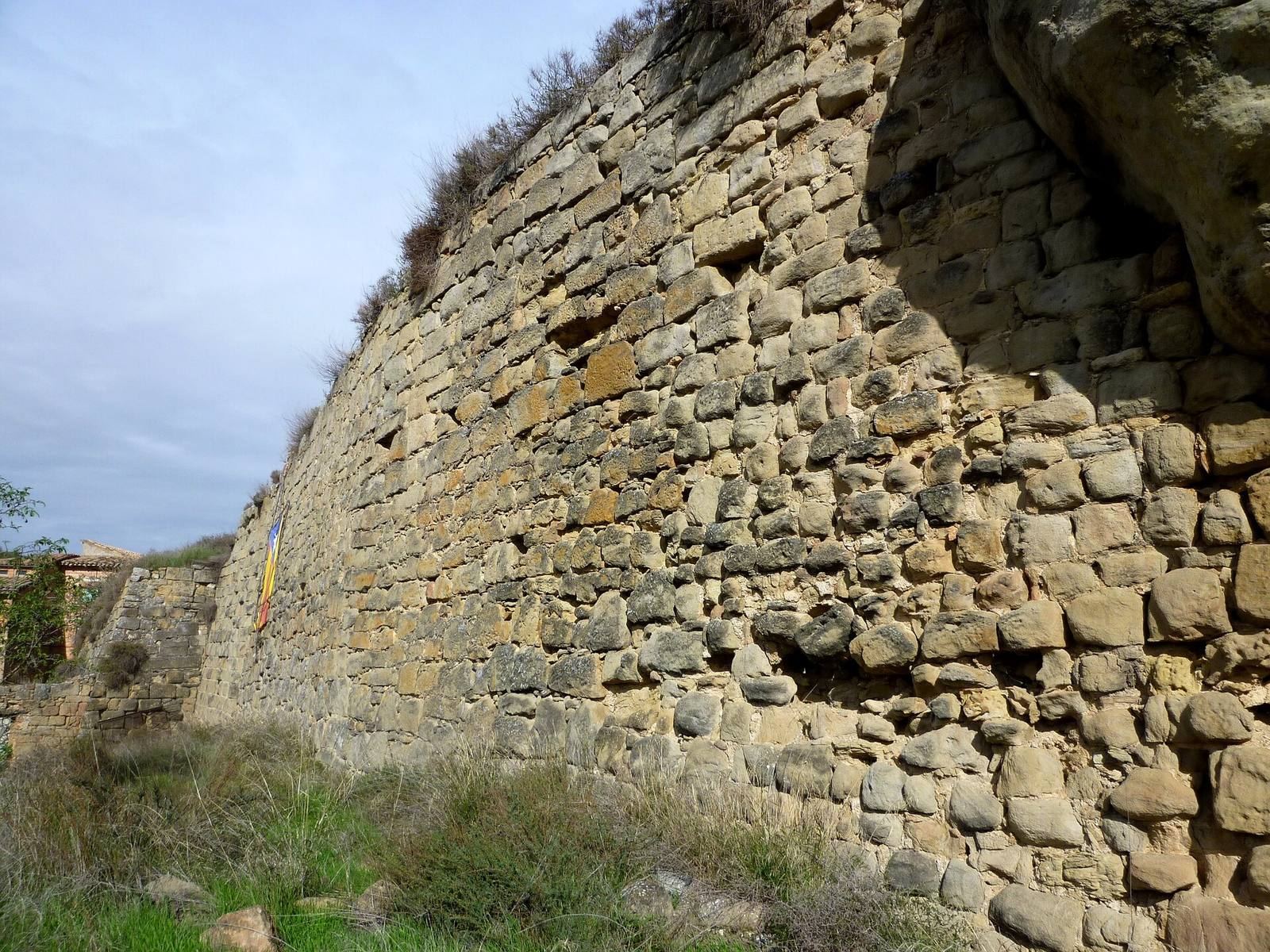
The ruins occupy the highest part of Biosca, at an elevation of 515 metres, on a hill above the town. Near the meeting of the Granell ravine and the Biosca stream, the castle stood beside the Llobregós, a communications route linking the Segre valley with Central Catalonia. The fortification has a rectangular plan, with solid north and east walls strengthened by rectangular towers.
Surviving levels
The upper, northern level preserves the most substantial remains, including the castle’s latest defensive works. On the lower level, the old Hermitage of Saint Mary, a small religious building, is located among the few surviving built remains.