Casa del Boia: A Fifteenth-Century House in Rome
Site at a Glance
- Rating
- 4.6
- Popularity
- Very Low
- Country
- Italy
- Primary era
- Medieval
- Eras represented
- Medieval, Early Modern
- Civilizations
- Papal States
- Site type
- Domestic
- Remains
- House
History
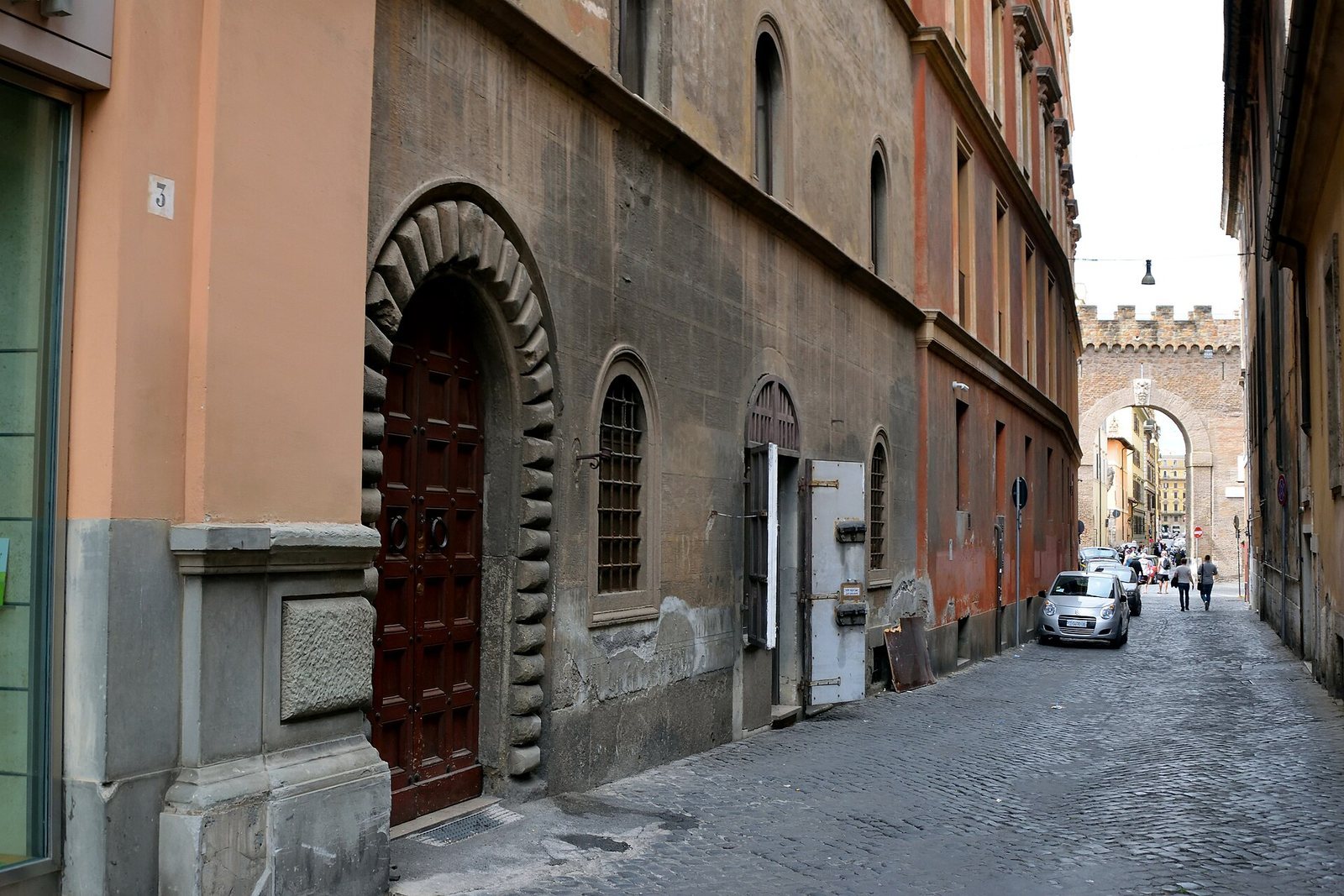
Casa del Boia is a fifteenth-century house in Rome’s Borgo district, Italy. It is also called Casa di Mastro Titta, a name associated with Giovanni Battista Bugatti, the papal executioner known by that nickname. Gaetano Latmiral, owner of Palazzo Latmiral, ordered the house restored in 1936, and it was restored again in 1980.
Remains
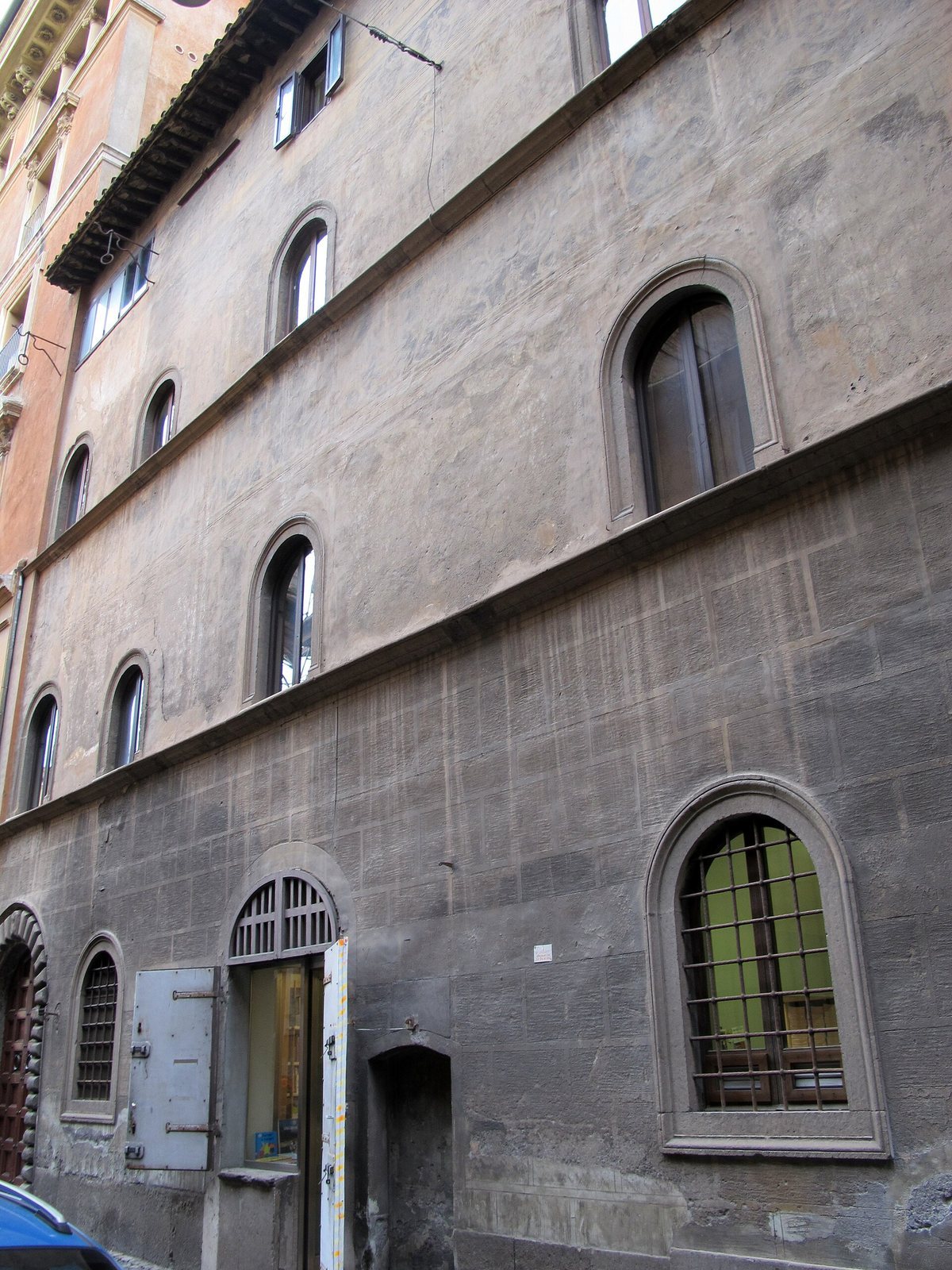
The four-storey house stands at number 4 Vicolo del Campanile and is incorporated into Palazzo Latmiral.
Façade decoration
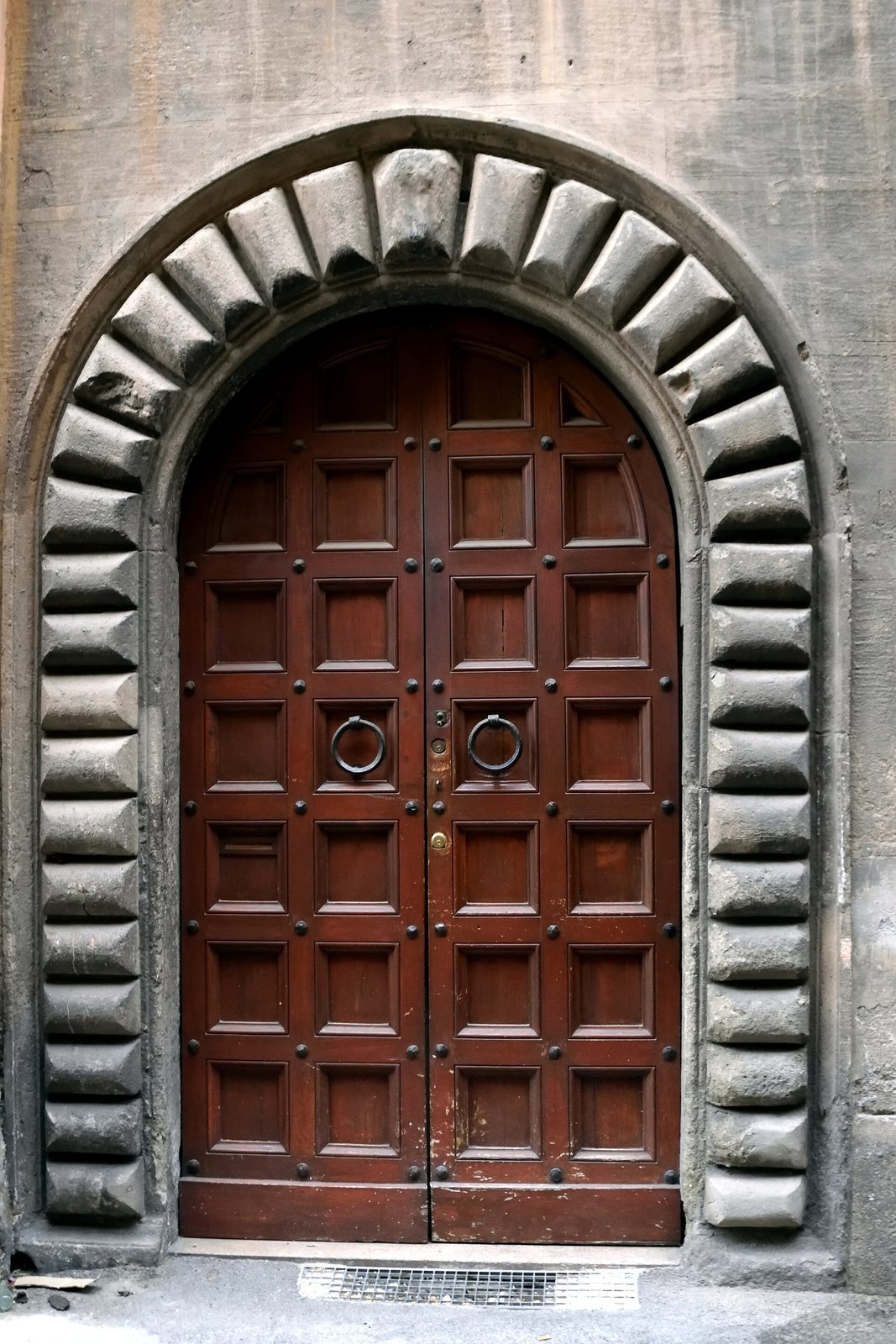
Deteriorated traces of grisaille (decoration in shades of gray) remain on the front. Giorgio Vasari, a Renaissance artist and biographer, attributed the decoration to Giulio Romano, a painter and architect. Vasari described a sgraffito (a scratched surface exposing a contrasting layer) façade made in the Borgo around 1520, with prisoners and other scenes. Faux sculpted figures surround the ground-floor portal. Four arched windows on the first floor frame four captive Dacian kings, rulers of an ancient southeastern European people, and a garden scene with cattle stolen by Mercury, the Roman god, asleep. Between the first and second floors, a frieze displays the Medici emblem among lions; the Medici were a prominent Italian ruling family. The second floor shows four mythological female figures and Argus, a figure in Greek mythology, with three cattle. Its upper frieze depicts winged lions and fruit vases, while lion heads decorate the top floor.