Captain Cook Museum, Whitby: An Independent Maritime and House Museum
Site at a Glance
- Popularity
- Medium
- Country
- United Kingdom
- Primary era
- Early Modern
- Eras represented
- Early Modern
- Civilizations
- British, English
- Site type
- Domestic
- Remains
- House
On this page6 sections
History
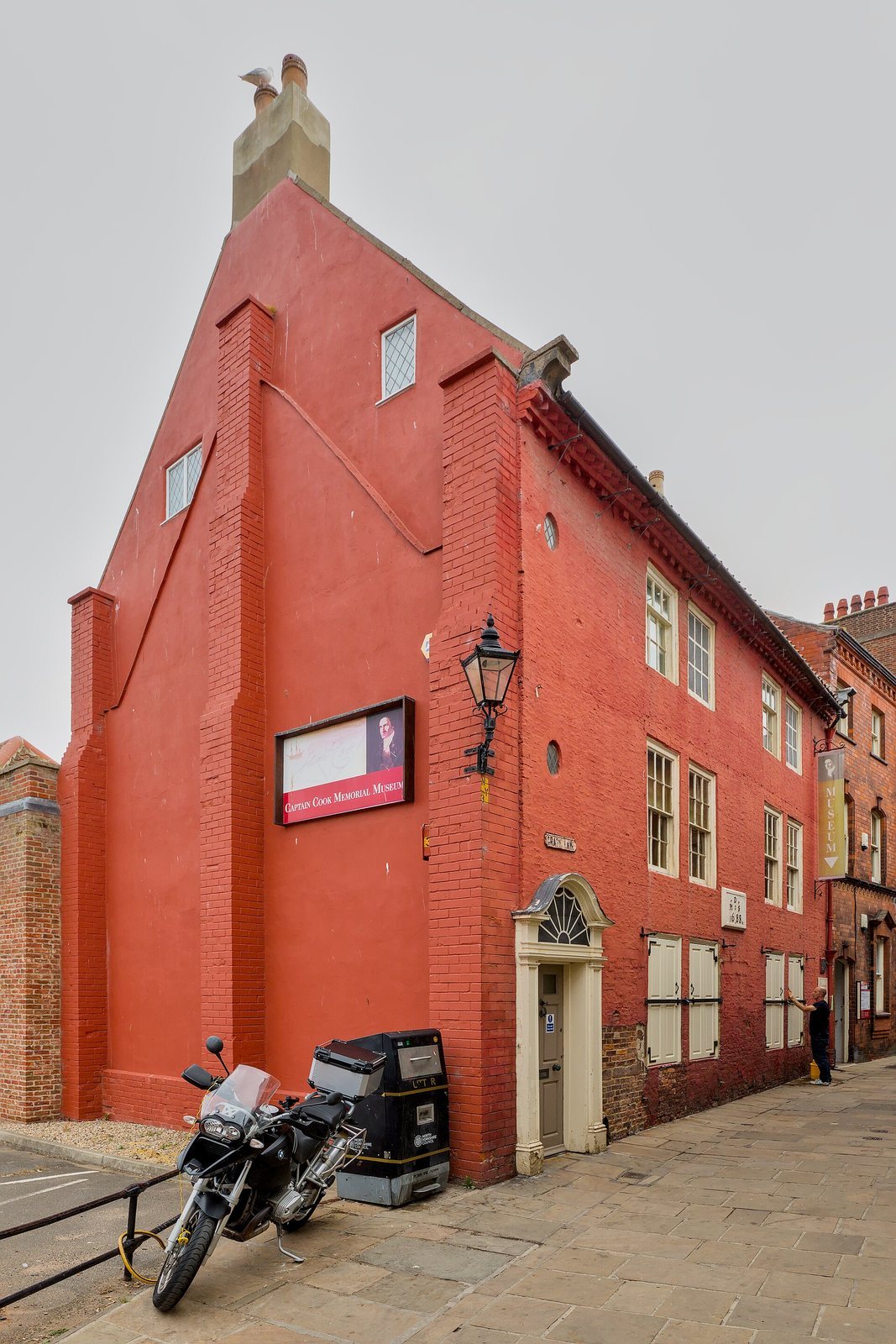
The Captain Cook Museum is an independent maritime and house museum in Whitby, United Kingdom, housed in Walker’s House, a substantial residence built in 1688. Its history links the Walker family’s shipping business with James Cook’s early career at sea.
The Walker family and its shipping business
A plaque on the house names Moses and Susannah Dring as its builders. In 1729, the father of Captain John Walker bought the property and made it his home and business base. A merchant-marine captain, he expanded the family’s shipping enterprise. When he died in 1743, his will divided his ships between his sons John and Henry and left them the house in shared ownership. They allowed their mother to continue living there. After she and Henry died, John had moved into the house by 1755.
Cook’s apprenticeship and return to Whitby
In 1746, grocer William Sanderson, for whom Cook had worked in Staithes, introduced him to Walker. Walker took Cook on for a three-year apprenticeship as a seaman. Cook later served on Walker’s ships as a sailor and then as a master’s mate, a shipboard officer who assisted the vessel’s master. He spent much of this period at sea in coal-carrying ships, mainly on routes between the Tyne and London, and also sailed to the Baltic and Dublin. He joined the Royal Navy in 1755.
Whitby historian George Young wrote in 1836 that Walker sometimes kept Cook in Whitby during his apprenticeship and lodged him in the house’s attic, although Walker lived elsewhere at the time. Apprentices were often sent home to their families in winter; those who stayed ashore could be boarded wherever convenient, including at the Grape Lane house. Young also described Mary Prowd, a family servant, bringing Cook candles as he studied there. Cook may have worked on algebra, geometry, trigonometry, and navigation, perhaps with instruction from schoolmasters paid by shipowners.
Cook’s only known visit to Whitby after 1755 was in the winter of 1771–72. While staying in Great Ayton, he rode to Whitby to see Walker. The household gathered to welcome him, and Prowd, now elderly, greeted him warmly and embraced him.
The Walker family retained the house until the mid-nineteenth century. It later served at different times as a hospital and a private residence. Listed at Grade I in 1954, a category for buildings of exceptional architectural or historic interest, it was acquired by the Cook Museum Trust in 1986. The trust established a museum dedicated to Cook and the scientists, artists, and crews who sailed with him.
Remains
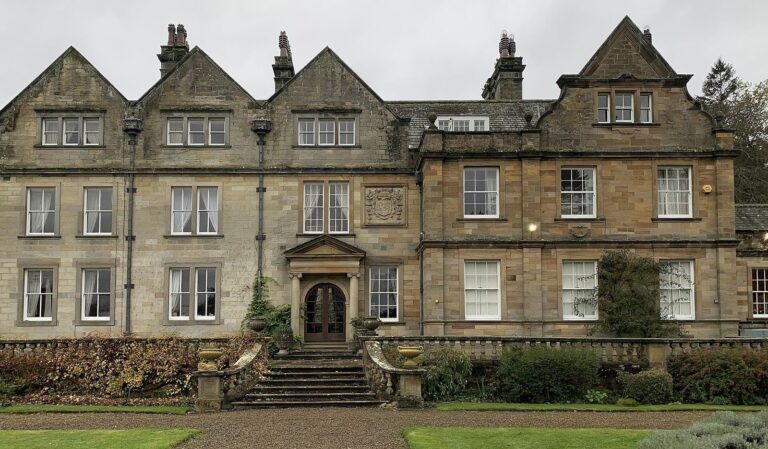
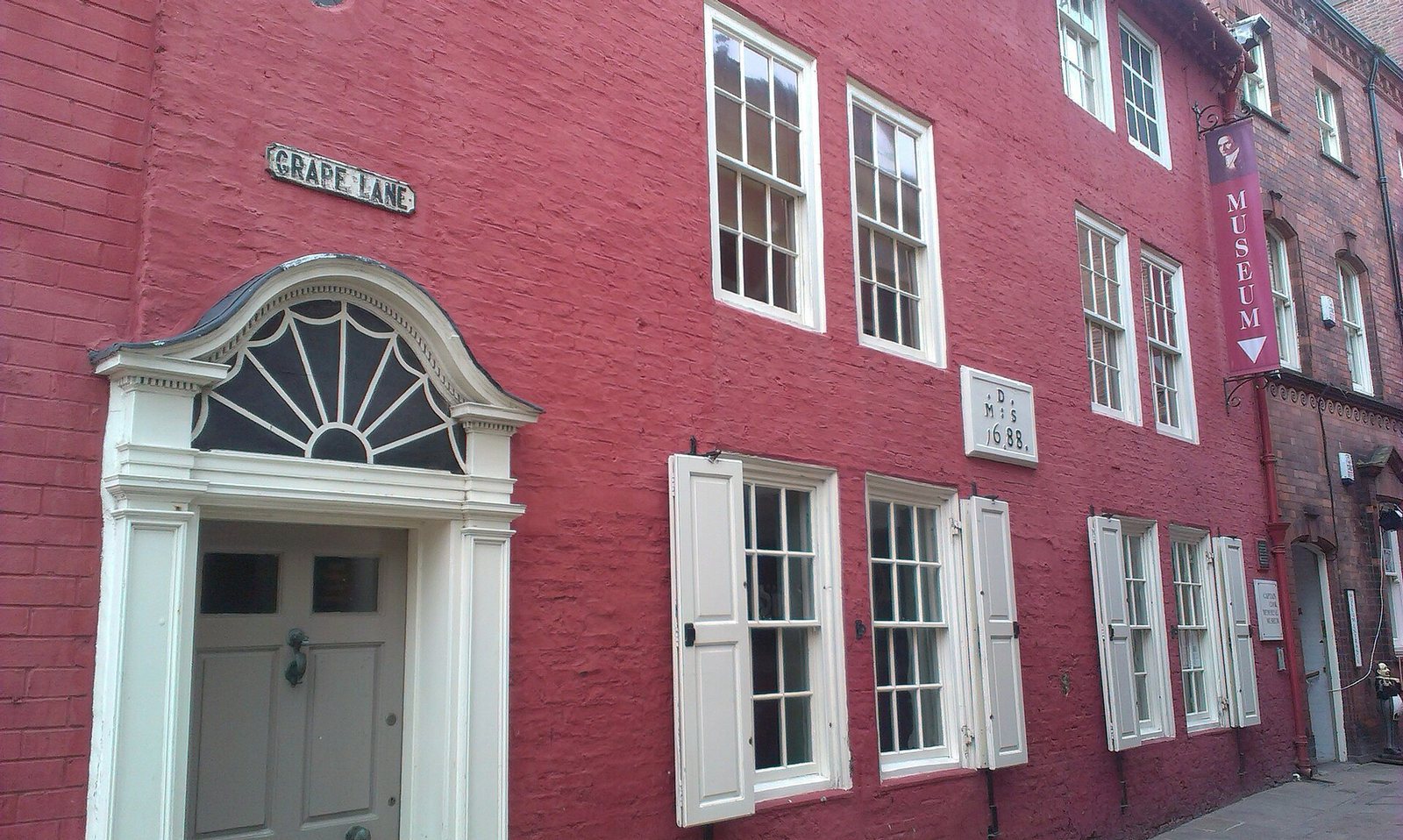
Walker’s House stands on the harbour side of Grape Lane. It is a three-storey building with an attic, typical of a prosperous shipowner’s residence of its period. The two ground-floor rooms are furnished in keeping with an inventory made in 1754, and their decoration retains its original colour.
Archaeological remains
Investigations in 2001 uncovered foundations of small buildings associated with the Walkers’ shipping business. Beside the house, about a metre below today’s ground level, archaeologists found a brick floor laid in a herringbone pattern. Its connection to a brick-floored room in the 1754 inventory helped identify the room as a kitchen. A slipway, a sloping passage linking the house to the river, ran from the main building down to the water. Deposits above it date to the middle and later parts of the eighteenth century. As the family moved from shipowning into banking and insurance, a courtyard was built over the slipway, about a metre higher than it.
Museum collections
The collections include original letters about Cook’s voyages, including correspondence involving Cook, Lord Sandwich, a British statesman who led the Admiralty, naturalist and science patron Sir Joseph Banks, and naturalists Johann Reinhold and Georg Forster. They also contain work by artists who travelled with Cook in the Pacific, including Sydney Parkinson, William Hodges, and John Webber, as well as objects from Pacific islands and New Zealand, maps, charts, and ship models. In 2009 the museum acquired Hodges’s 1770s painting Matavai Bay Otaheite, which depicts the bay in Tahiti visited by Cook on his second voyage. Charities and trusts helped with the purchase.