Caco Fortress: A Crusader Stronghold in Israel
Site at a Glance
- Popularity
- Medium
- Country
- Israel
- Primary era
- Medieval
- Eras represented
- Medieval
- Civilizations
- Crusader, Kingdom of Jerusalem, Mamluk, Ottoman
- Site type
- Military
- Remains
- Castle
On this page10 sections
History
Caco Fortress is a stronghold at Tel Qaqun in Israel, built by Crusaders between 1101 and 1123. The Crusader states were Latin Christian polities established in the eastern Mediterranean during the Crusades. Caco guarded the route from Caesarea to Shechem and was held by the lord of Caesarea, who owed allegiance to the king of Jerusalem.
Roman settlement and Crusader rule
Settlement at Caco probably began in Roman times. Crusaders took the area around 1101, and the fortress is first explicitly recorded in 1123. The Knights Templar guarded it, and it apparently passed soon afterward to the Knights Hospitaller, two military-religious orders that maintained armed forces and held property in the region.
Saladin, the Ayyubid sultan who led Muslim forces against the Crusader states, briefly captured the fortress. It was retaken in 1191 during the Third Crusade, a campaign in the wider conflict between Crusader and Muslim powers.
Mamluk rule
Mamluk forces, from the military elite that ruled Egypt and surrounding territories, captured Caco in the 1260s under Sultan Baibars. They repaired and enlarged the fortress and reinforced the settlement’s defenses. Encouraged migration helped Caco grow into a commercial center on the main road between Damascus and Egypt. It also served as a military and administrative center and as one of the principal postal stations. After Arsuf and Caesarea fell, Caco became the coastal region’s capital.
In 1271, Prince Edward of England, later King Edward I, tried unsuccessfully to retake the fortress. His forces plundered the surrounding area but could not capture the citadel. They withdrew as a larger Mamluk relief force approached, and Caco remained under Muslim control.
Ottoman and Egyptian rule
Under the Ottoman Empire, a state centered in Anatolia that ruled across the eastern Mediterranean and western Asia, Caco was a settlement of 127 inhabitants in the sixteenth century. During Napoleon Bonaparte’s eastern Mediterranean campaign, his forces defeated Ottoman troops at Caco and then advanced to besiege Acre.
In the 1830s, while Egypt ruled the region, the army of Ibrahim Pasha, an Egyptian commander, destroyed the village during the suppression of a peasant revolt. A few years later, Egyptian immigrants and people from neighboring villages resettled it.
Abandonment and later conservation
The village was abandoned and destroyed during the 1948 Arab-Israeli War. After the war, discharged soldiers from the Alexandroni Brigade, an Israeli military brigade active in the conflict, and others settled at Caco. They formed the founding core of the cooperative agricultural settlements of Amatz and Gan Yoshiya.
A conservation and national-park initiative later began at the fortress. Early work focused on conserving the ruins.
Remains
Fortress complex
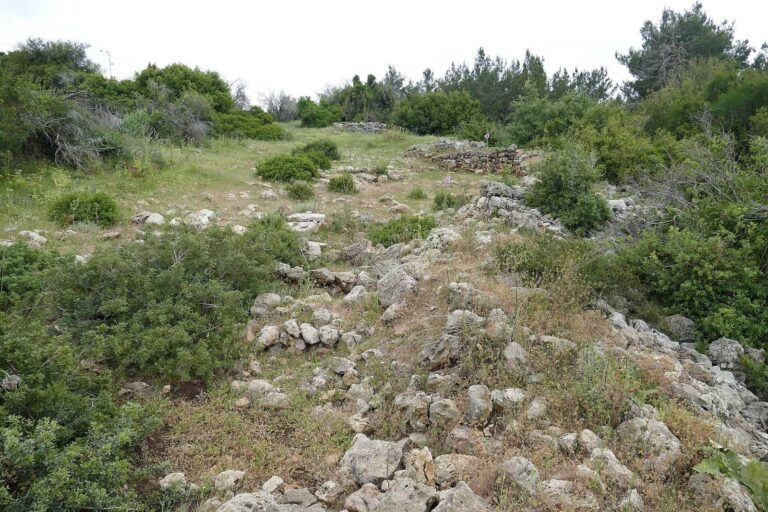
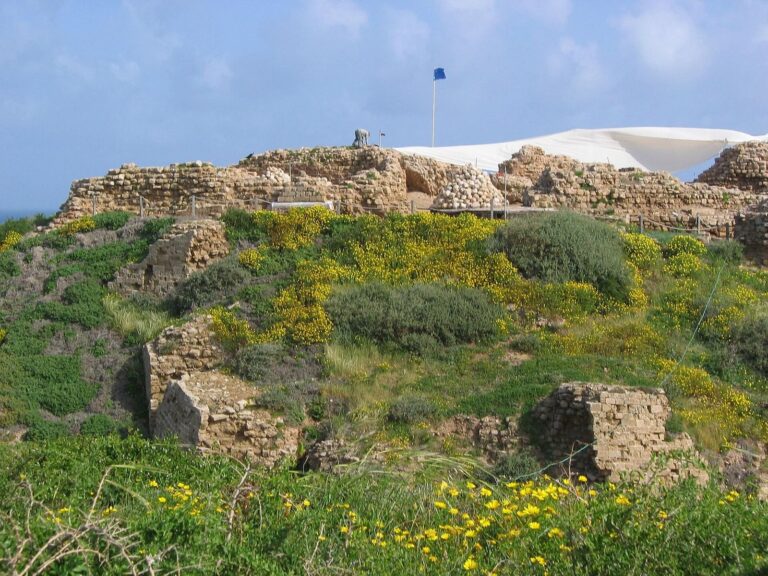
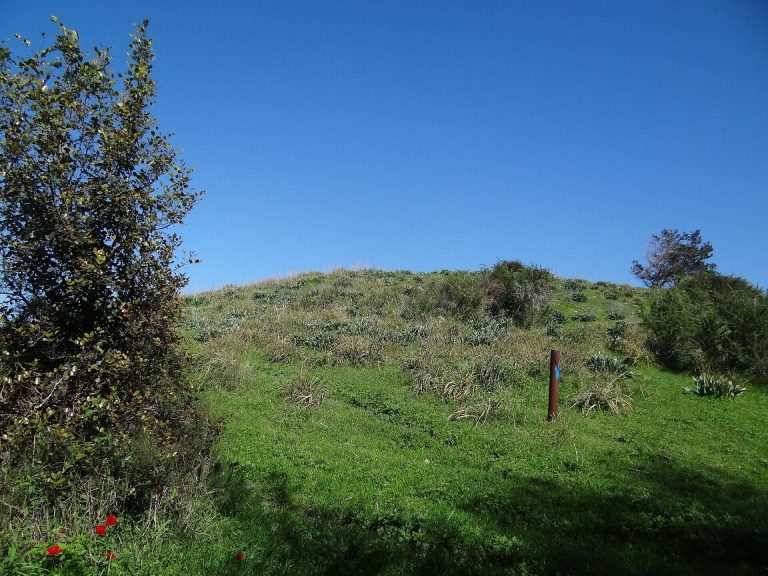
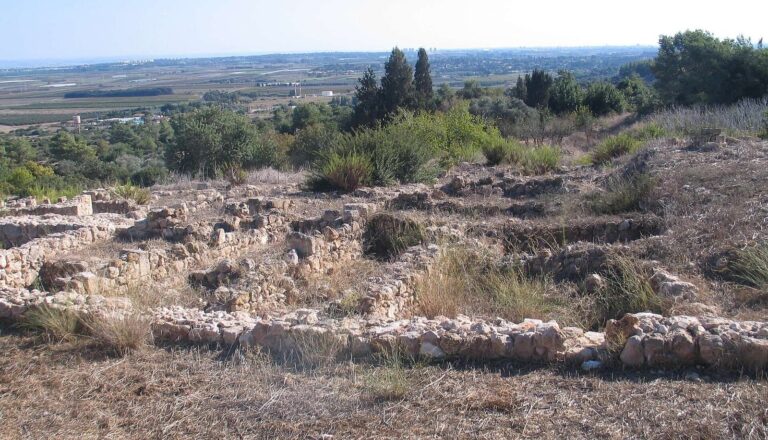
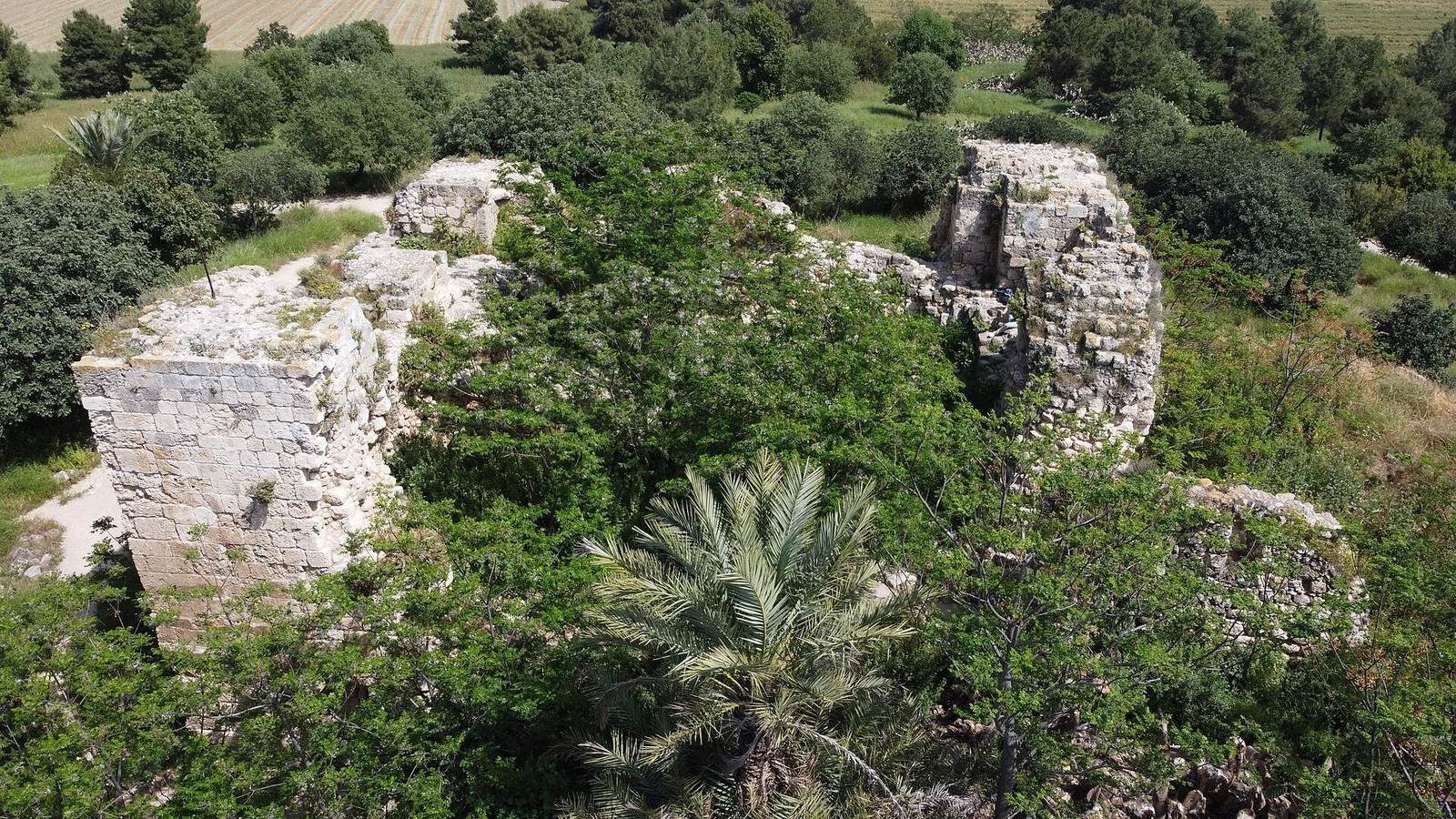
The fortress ruin occupies the top of Tel Qaqun in the Hefer Valley. The hill rises to 52 m and stands about 30 m above its surroundings. It lies between Gan Yoshiya and Ometz, roughly 1.5 km south of Ometz. The complex includes the fortress and associated buildings, and the fortress survives in a conserved, ruined condition.
Fortress and church
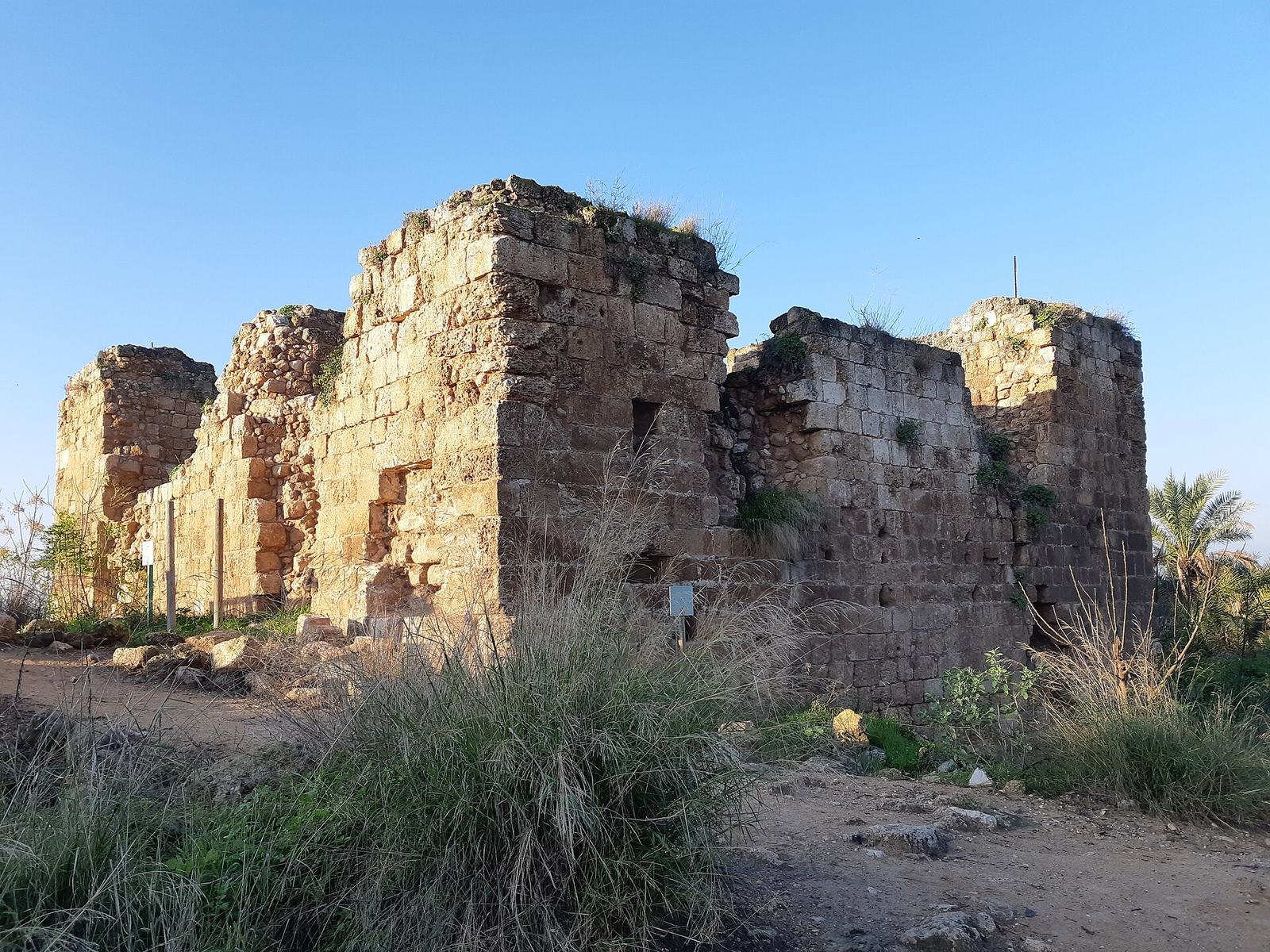
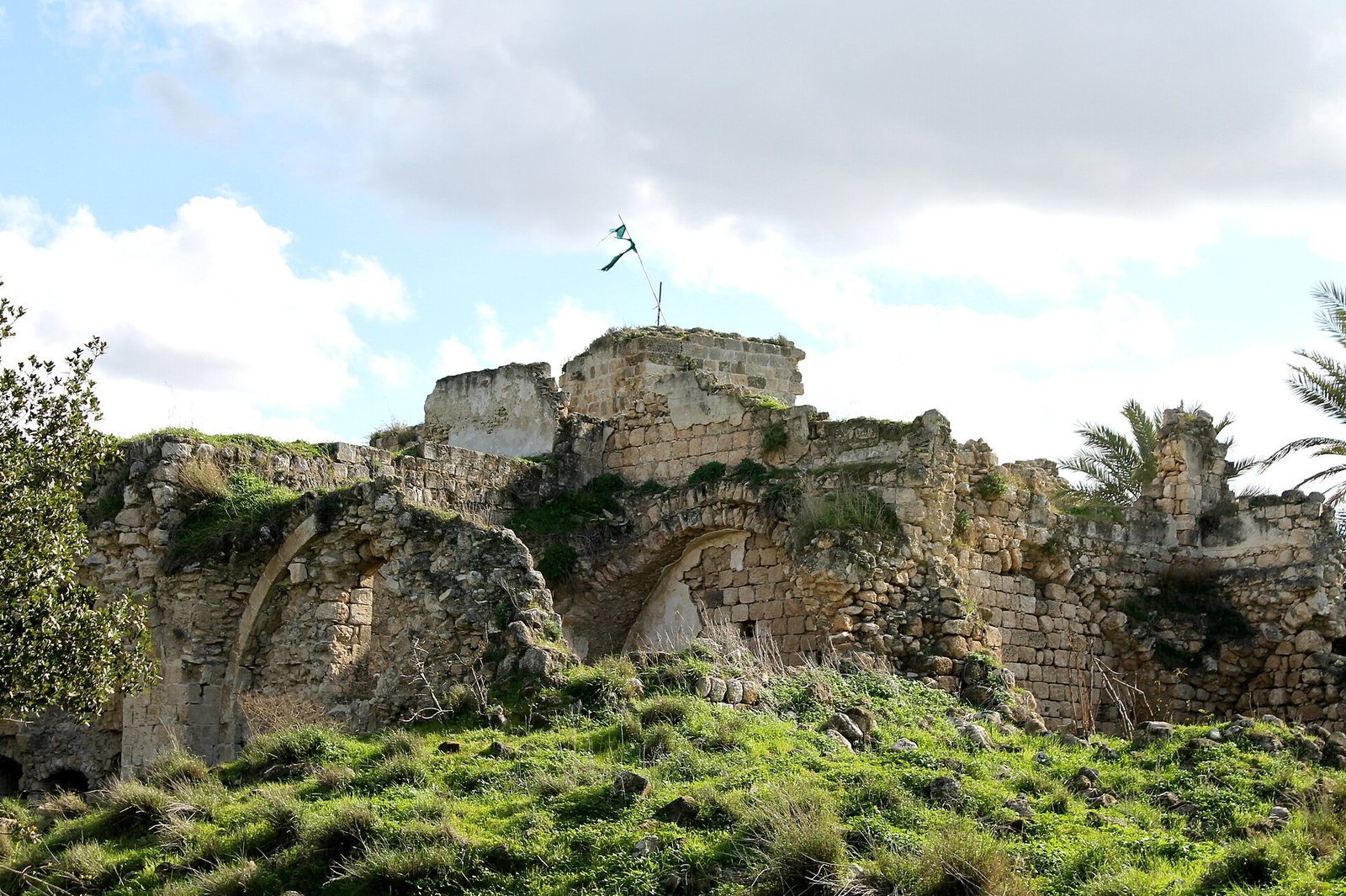
The fortress has Crusader foundations with later Mamluk additions. A church formed part of the complex and was later converted into a mosque.
Roadside lodging complex
A roadside lodging and service complex, known as a khan, was built at the site in the early fourteenth century on the order of the governor of Gaza.
Ottoman-period building and well
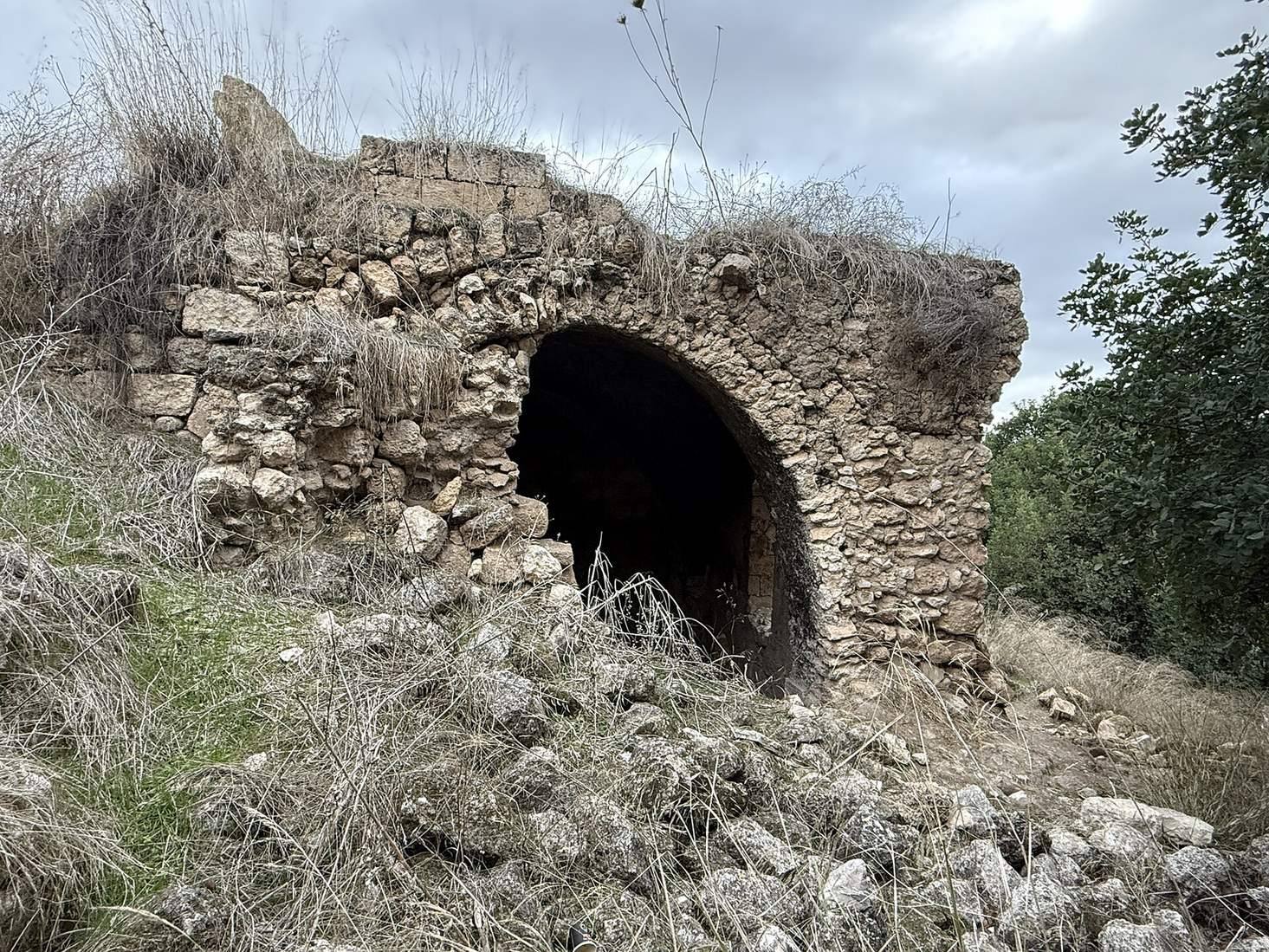
An Ottoman-period building at the site includes a lower room. A well is also present.