Burgwall Robisch: A Sorbian Refuge Fort near Dohna
Site at a Glance
- Popularity
- Very Low
- Country
- Germany
- Primary era
- Medieval
- Eras represented
- Medieval
- Civilizations
- Unclassified
- Site type
- Military
- Remains
- Fort
On this page6 sections
History
Burgwall Robisch is a hillfort near Dohna, Germany, developed as a Sorbian refuge fort around the 10th century.
Bronze Age and Sorbian settlement
The hill was occupied during the Bronze Age, between 2000 and 800 BCE. A later Sorbian settlement dates to the 10th–12th centuries. The Sorbs are a West Slavic people, and around the 10th century the hill was developed into a refuge fort, an enclosure intended to shelter people in times of danger.
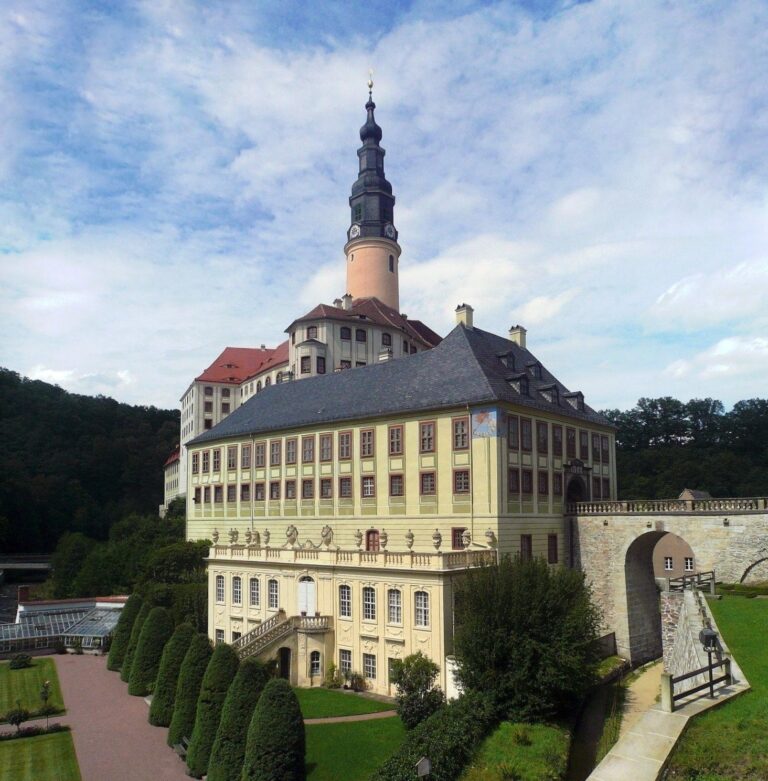
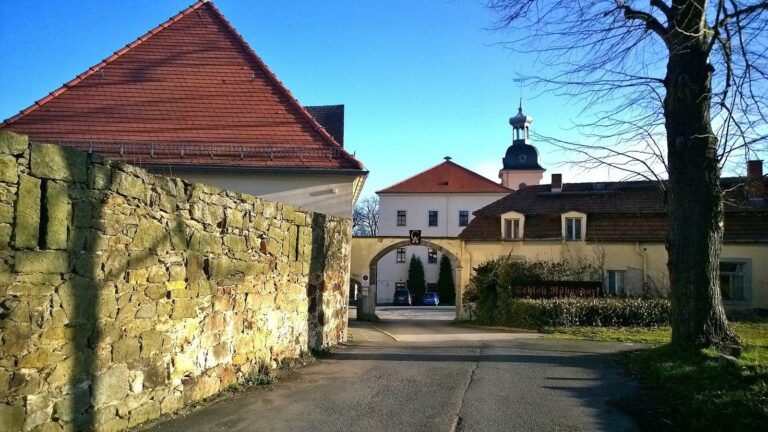
Robisch was functionally connected with a Sorbian fortification on Schlossberg, about a kilometre away. That fortification preceded the imperial castle at Donin (Dohna), later built over the site. The two forts are understood to have been linked to the importance of the road to Bohemia within Nisan, a historical district associated with Sorbian settlement.
The proposed identification as Burg Thorun
Nineteenth-century reference works identified Robisch as Burg Thorun. They attributed Thorun’s construction to the burgraves of Dohna, medieval officials who administered a castle and sometimes its surrounding territory, on land belonging to the bishopric of Meissen, an ecclesiastical territory governed by a bishop. They also stated that Thorun’s demolition was ordered in 1206. This identification is no longer accepted: the fortification is interpreted as Sorbian, and no documentary evidence places Thorun at Robisch. No written records describe the fort itself.
Remains
Setting and earthworks
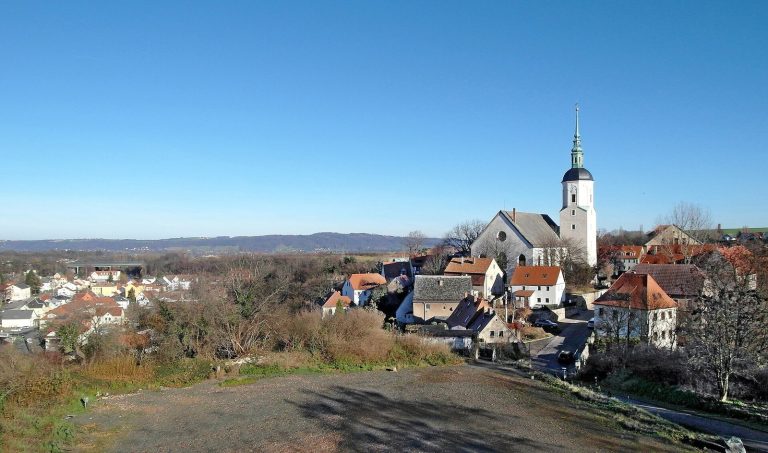
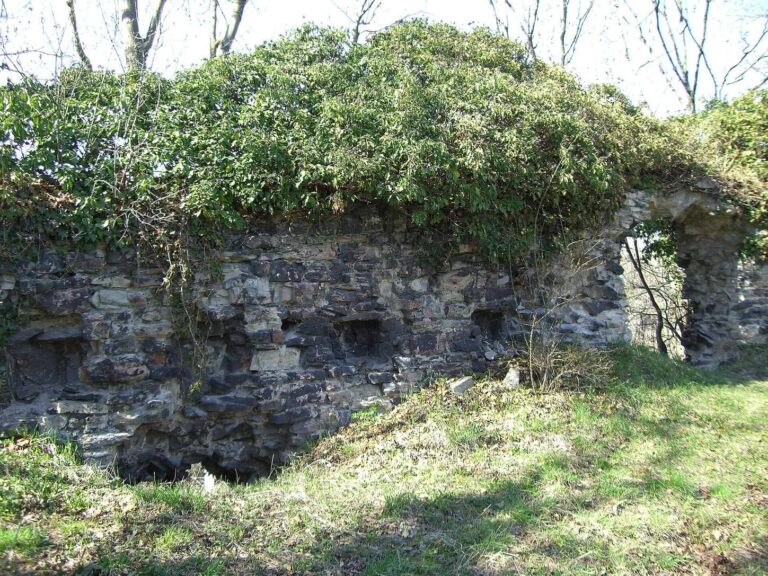
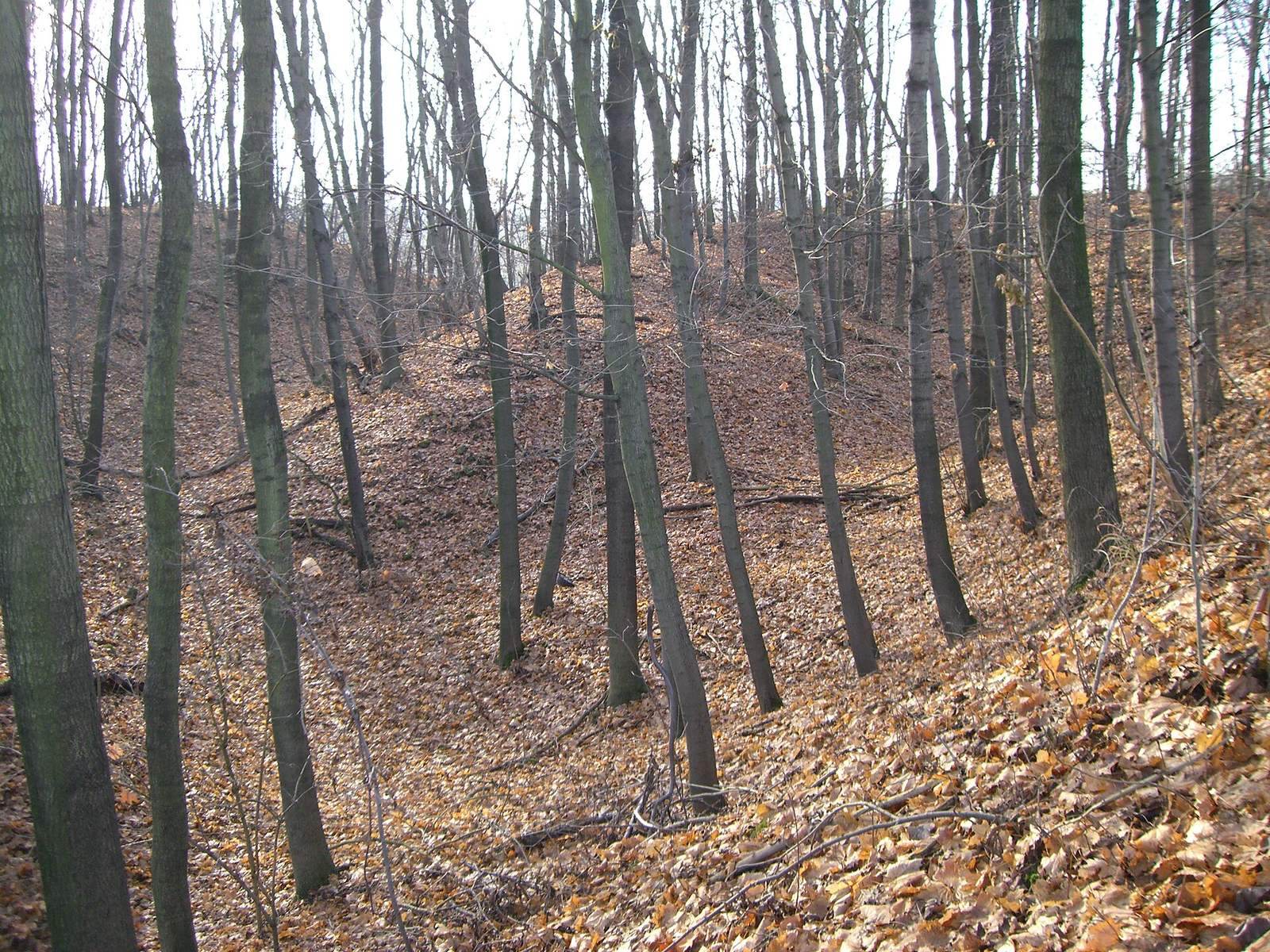
The hillfort occupies a spur about 140 metres above sea level, above the meeting of the Ritzschke stream and the Müglitz, and overlooks the grounds of Dohna railway station. Steep slopes protect three sides. On the otherwise exposed northwest side, toward Meuschaer Höhe, visible ramparts and ditches defend the site. A palisade fence may have stood on the highest inner rampart.
Finds and present condition
Finds from the hill include Bronze Age material and ceramics dating to the 10th–12th centuries. The terrain has changed substantially in recent decades, and buildings now cover part of the upper terrace of the former fortification.