Burg Stein im Drautal: Medieval Castle and Lordship Centre in Austria
Site at a Glance
- Rating
- 4
- Popularity
- Very Low
- Country
- Austria
- Primary era
- Medieval
- External website
- Open
- Eras represented
- Medieval
- Civilizations
- Habsburg, Holy Roman Empire
- Site type
- Military
- Remains
- Castle
On this page9 sections
History
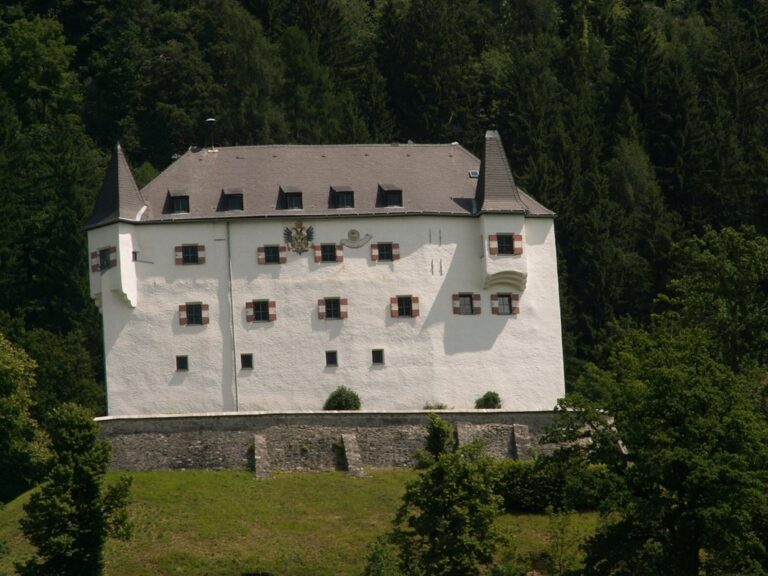
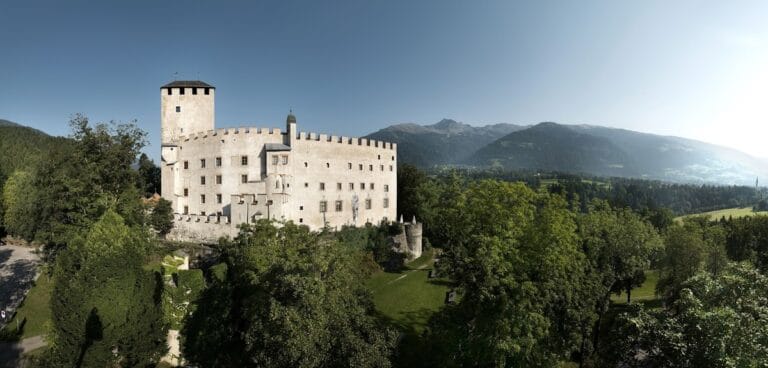
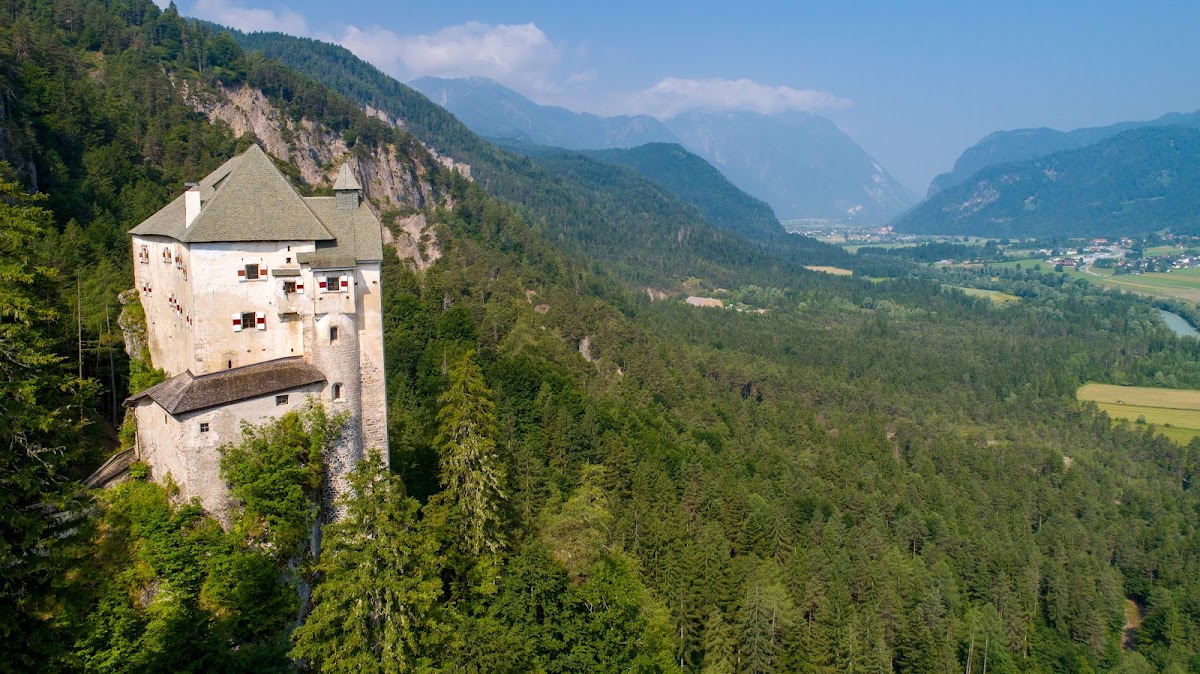
Burg Stein im Drautal, also called Schloss Stein, is a medieval rock castle in Austria, built in the late twelfth century on a steep crag above the Upper Drau Valley. First recorded around 1190 as the property of Haidenrich de Lapide, a ministerial serving the Counts of Ortenburg, it became the centre of the lordship of Stein.
Medieval Lords
During the thirteenth century, the castle and its surrounding lordship belonged to the Meinhardiner Counts of Gorizia. The Meinhardiners were the dynasty that ruled the County of Gorizia and related territories. Stein was recorded in 1440 as belonging to the Counts of Cilli, before passing to the Habsburg rulers in 1456. The Habsburgs were a major European ruling dynasty whose hereditary lands included Austria.
The von Graben Line
In 1500, King Maximilian I granted the castle and lordship to Virgil von Graben and his son Lukas von Graben zum Stein. Their branch thereafter adopted the name von Graben zum Stein. The successive lords were Lukas von Graben zum Stein, who held Stein from 1500 to 1550; Hans von Graben zum Stein the Elder, from 1550 to 1587 or 1591; Hans von Graben zum Stein the Younger, from 1587 or 1591 to 1593; Georg von Graben zum Stein, from 1593 to 1595; Oswald von Graben zum Stein, from 1595 to 1609; Christof von Graben zum Stein, from 1609 to 1628; and Christof David von Graben zum Stein, from 1628 to 1664.
When Christof David died without a male heir in 1664, a dispute developed over the heavily tax-indebted lordship. The Tyrolean branch of the von Graben family and the Lords of Lamberg both advanced claims. The inheritance returned to the Habsburg rulers because the applicable succession rules limited inheritance to the male line, excluding the more distant von Graben relatives, while the Lambergs were related only through the female line.
Later Ownership
The Habsburgs sold Stein to Balthasar von Beverellis in 1668. In 1681, ownership passed to the Orsini-Rosenberg family, descendants of the von Graben. The castle remains with their heirs and is not open to the public.
Remains
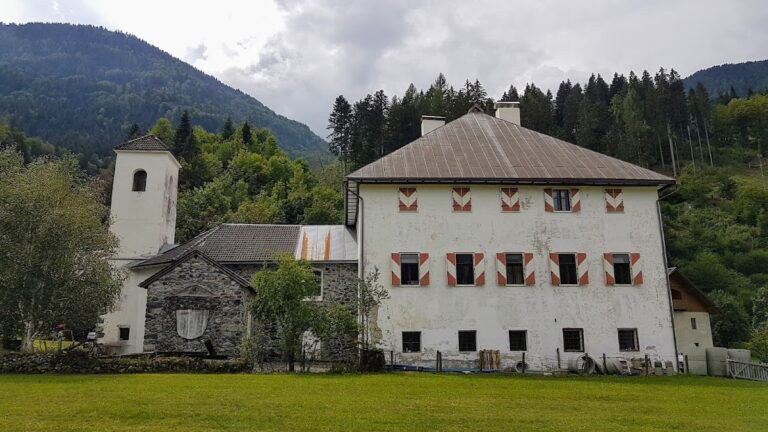
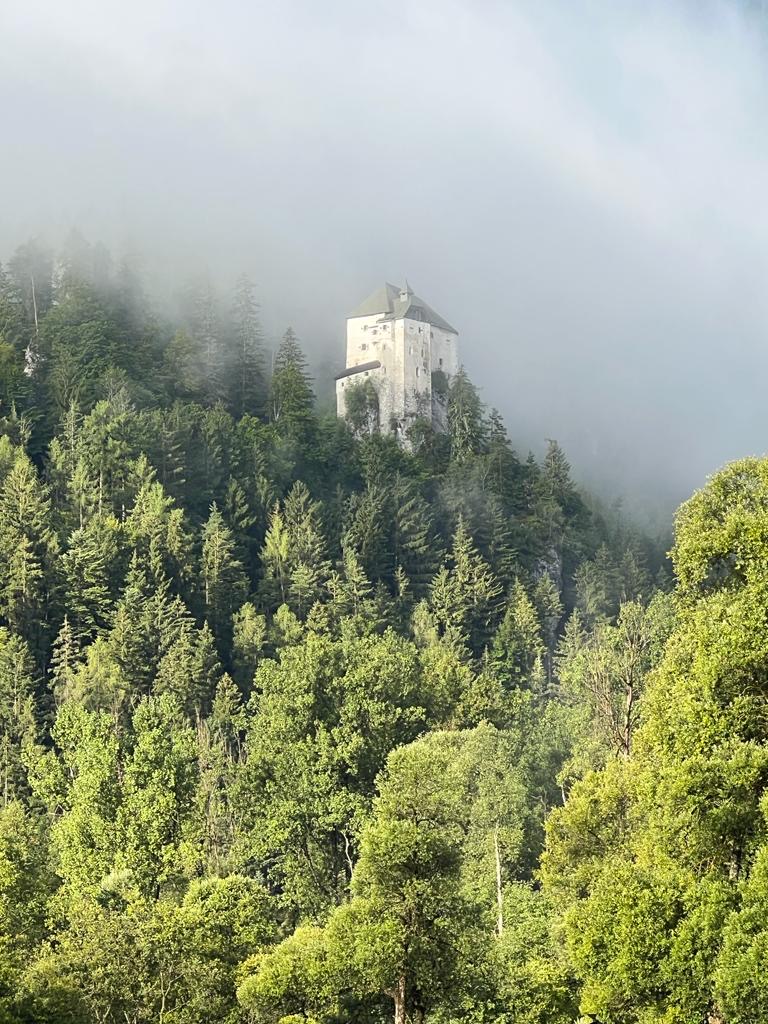
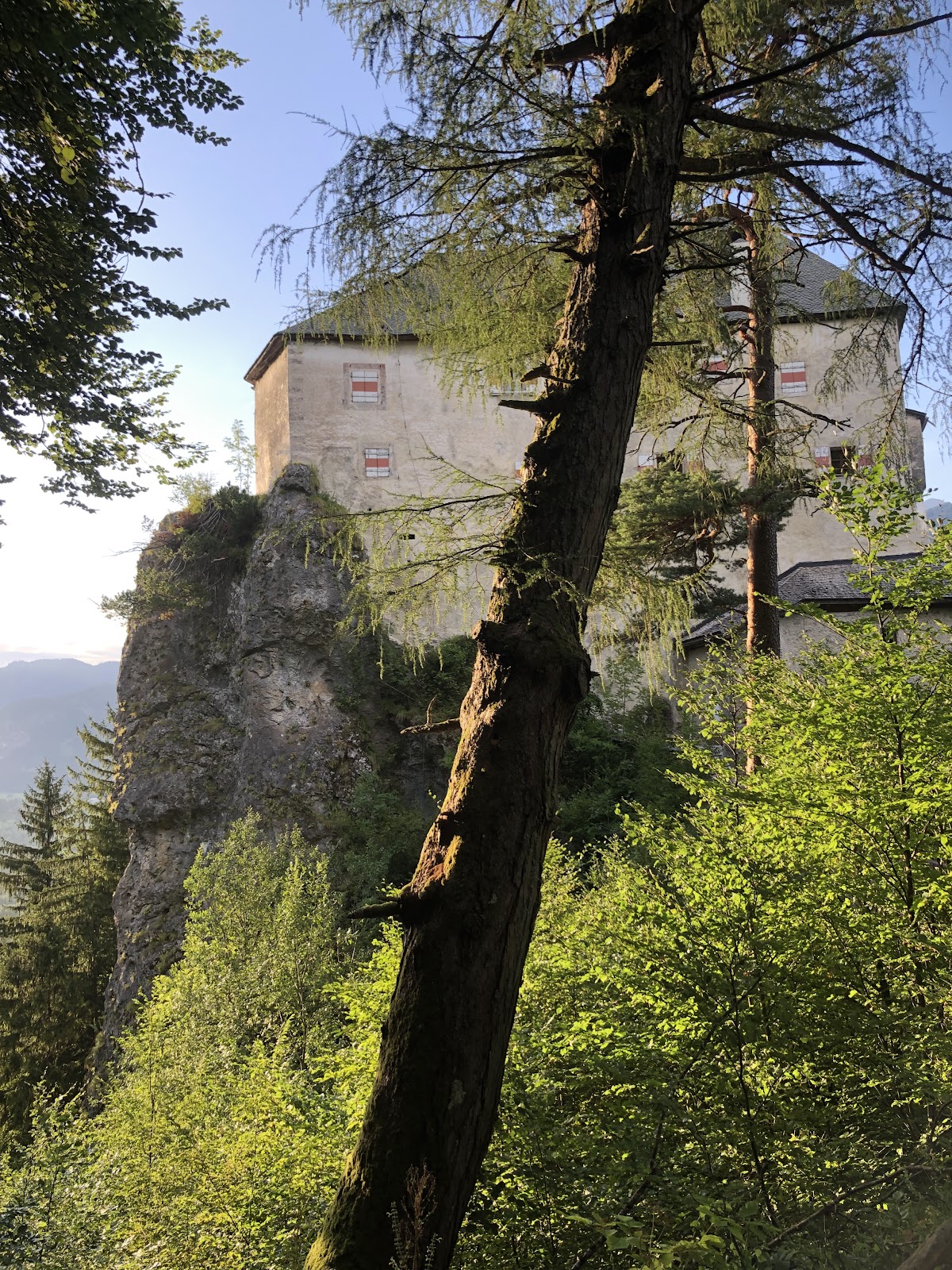
Burg Stein im Drautal is a well-preserved medieval rock castle on a crag rising steeply about 200 metres above the floor of the Upper Drau Valley, at approximately 676 metres above sea level. Its principal surviving elements include a square keep, the residential palas, and a double chapel at the northeastern corner of the castle.
Castle Buildings
Square Keep
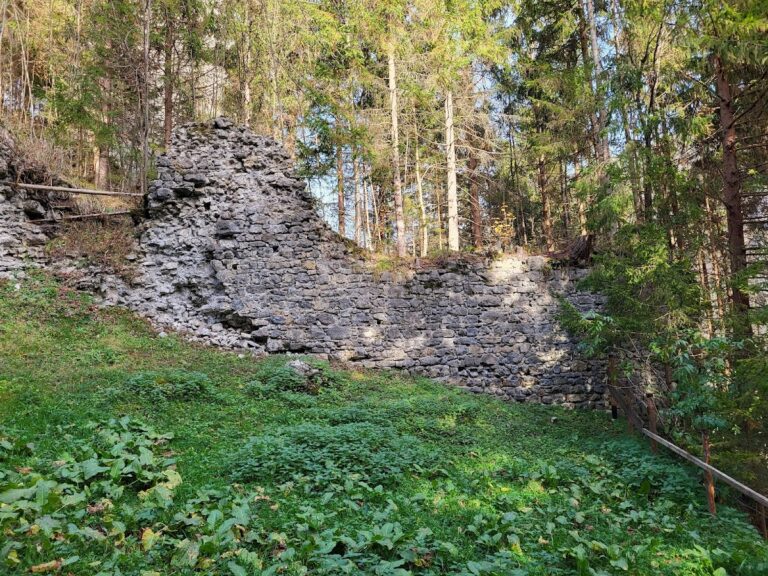
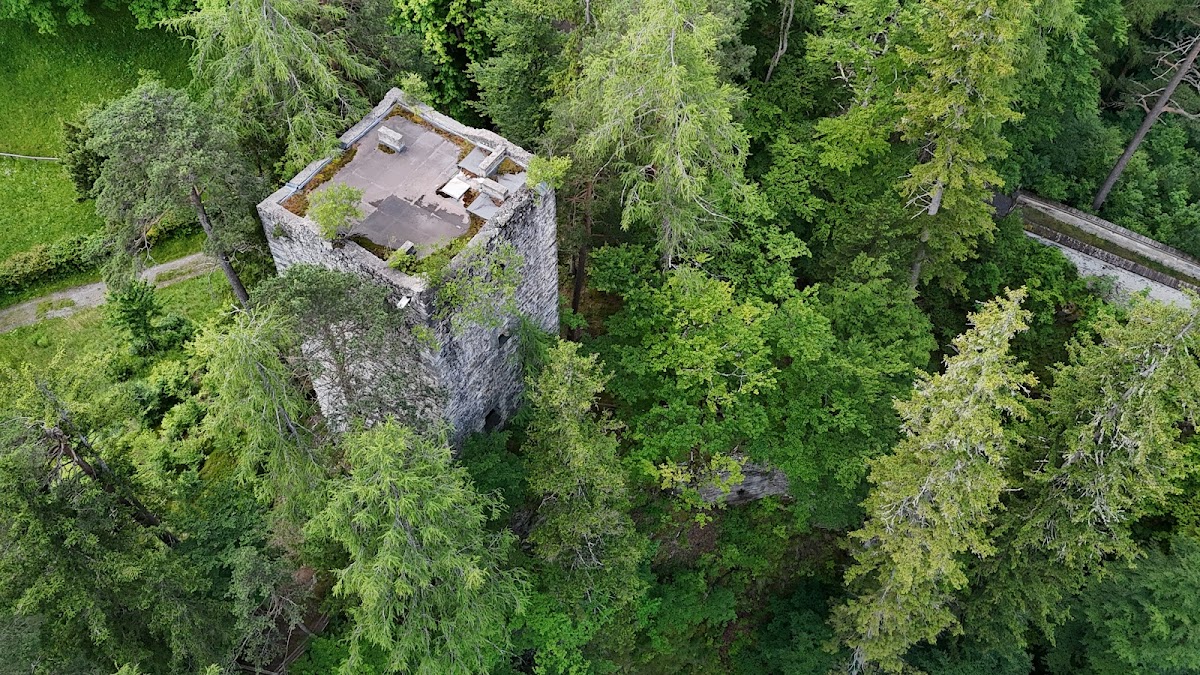
The square keep rises approximately 15 metres and was built separately from the palas, the castle’s principal residential and representational building. A wooden bridge originally connected the two structures. The keep is partly ruined and is used as a lookout tower.
Double Chapel
The castle’s northeastern corner contains two Romanesque chapels arranged one above the other. An opening in the ceiling connects the upper and lower spaces. Dating from the fifteenth century, the chapels are dedicated to Saint Valentine and Saint Martin, Christian saints to whom many churches and chapels are dedicated.
The chapels contain carved statues and vault paintings by Simon von Taisten, a late-medieval South Tyrolean painter known for religious wall paintings. The work in the Saint Martin chapel is specifically attributed to Bartlmä Firtaler, a fifteenth-century sculptor associated with religious carving in the Alpine region.
Model of the Castle
A masonry model of Schloss Stein stands beside the Steiner Straße in the Stein district of Dellach.