Hammerstein Castle in the Southern Black Forest: A Medieval Defensive Site
Site at a Glance
- Popularity
- Very Low
- Country
- Germany
- Primary era
- Medieval
- Eras represented
- Medieval
- Civilizations
- Holy Roman Empire
- Site type
- Military
- Remains
- Castle
On this page8 sections
History
Origins and medieval occupation
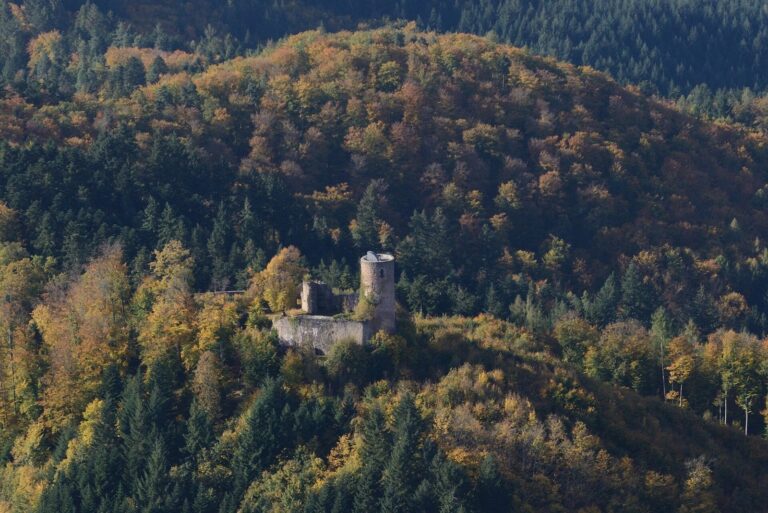
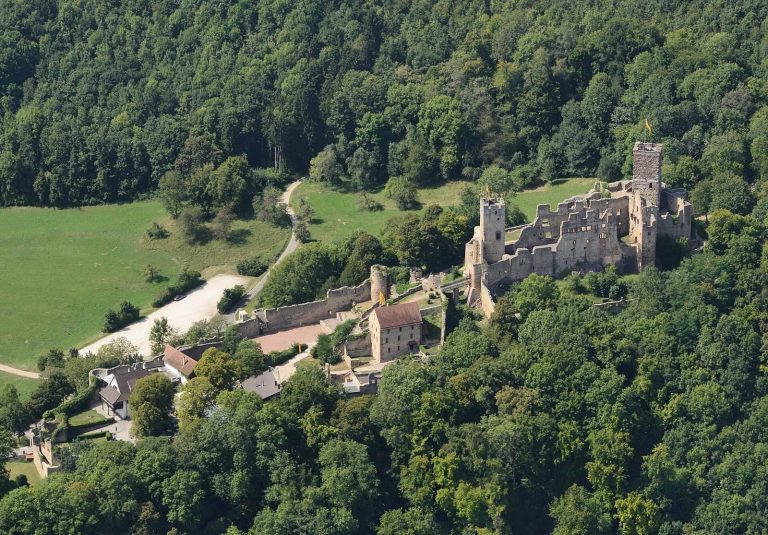
Hammerstein Castle in the Southern Black Forest was a medieval defensive site at the village of Hammerstein, part of Wollbach in Kandern, Germany. Its origins are placed in the 12th century, though the precise date is unknown. The castle protected a hammer forge, a metalworking workshop where a hammer, often powered, shaped material.
Ceramics recovered during an excavation indicate that the castle was occupied from the early 12th century through the end of the Middle Ages.
Destruction and excavation
In 1913, the castle ruin was blasted to establish a quarry. E. Eble excavated the site in 1958, uncovering evidence of its medieval occupation and the foundations of a round tower.
Remains
Setting and surviving features
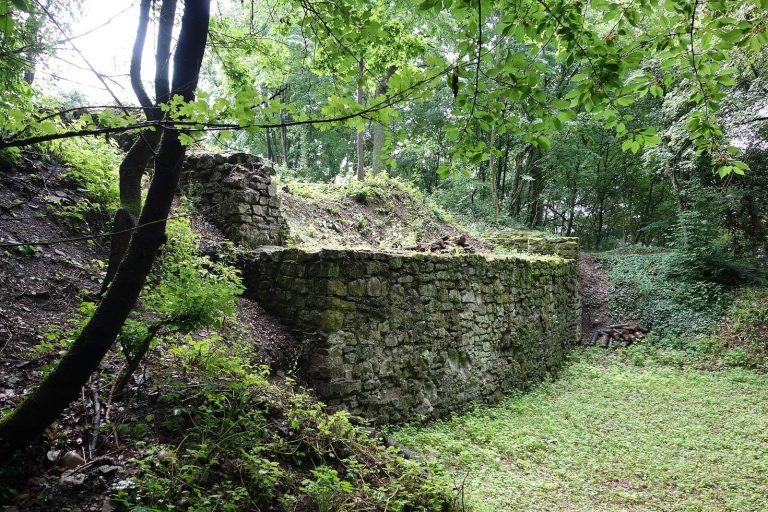
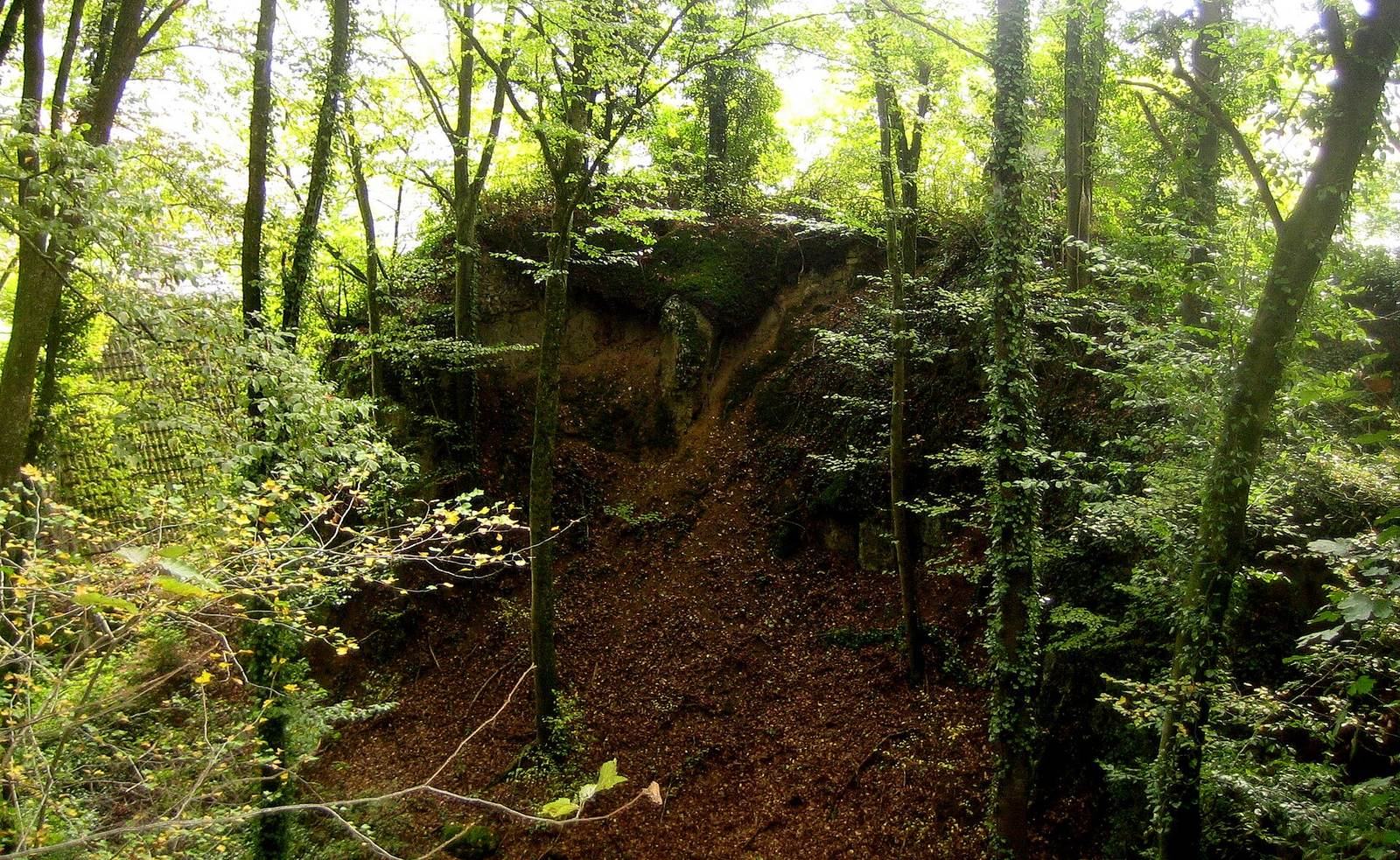
The castle stood on a rocky spur on the southeastern side of Behlen, at the angle between the Kander and the road from Kandertal to Holzen in the Feuerbach Valley. The spur rises about 20 metres above the valley floor and was said to have once extended as far as the road. Old maps give its elevation as 330.7 metres above sea level. Only slight masonry remains.
Excavated features and local tradition
Round tower foundations
The 1958 excavation uncovered the foundations of a massive round tower approximately eight metres in diameter.
Passage
Local tradition describes a secret passage linking the castle with the Hammerstein Mill opposite. In 1958, a narrow, low passage leading from the castle to a neighboring building was also noted.