Istein Castle: A Medieval Fortress and Regional Administrative Center
Site at a Glance
- Popularity
- Medium
- Country
- Germany
- Primary era
- Medieval
- Eras represented
- Medieval, Early Modern
- Civilizations
- Holy Roman Empire
- Site type
- Military
- Remains
- Castle
On this page8 sections
History
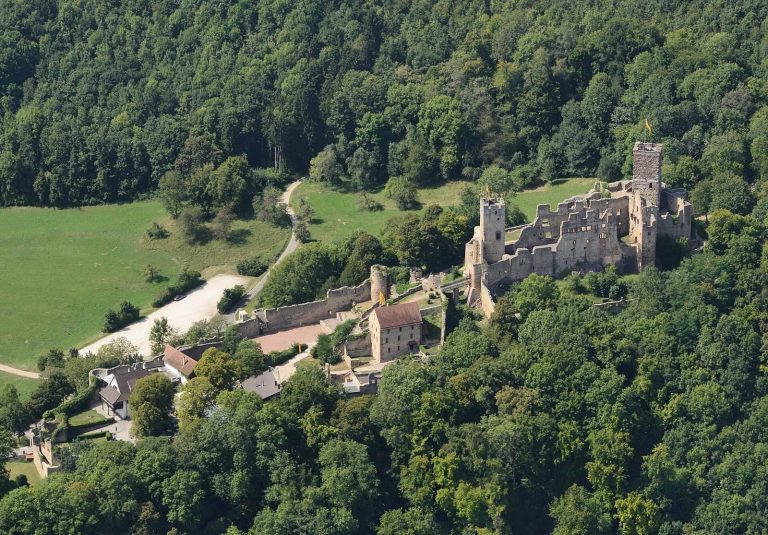
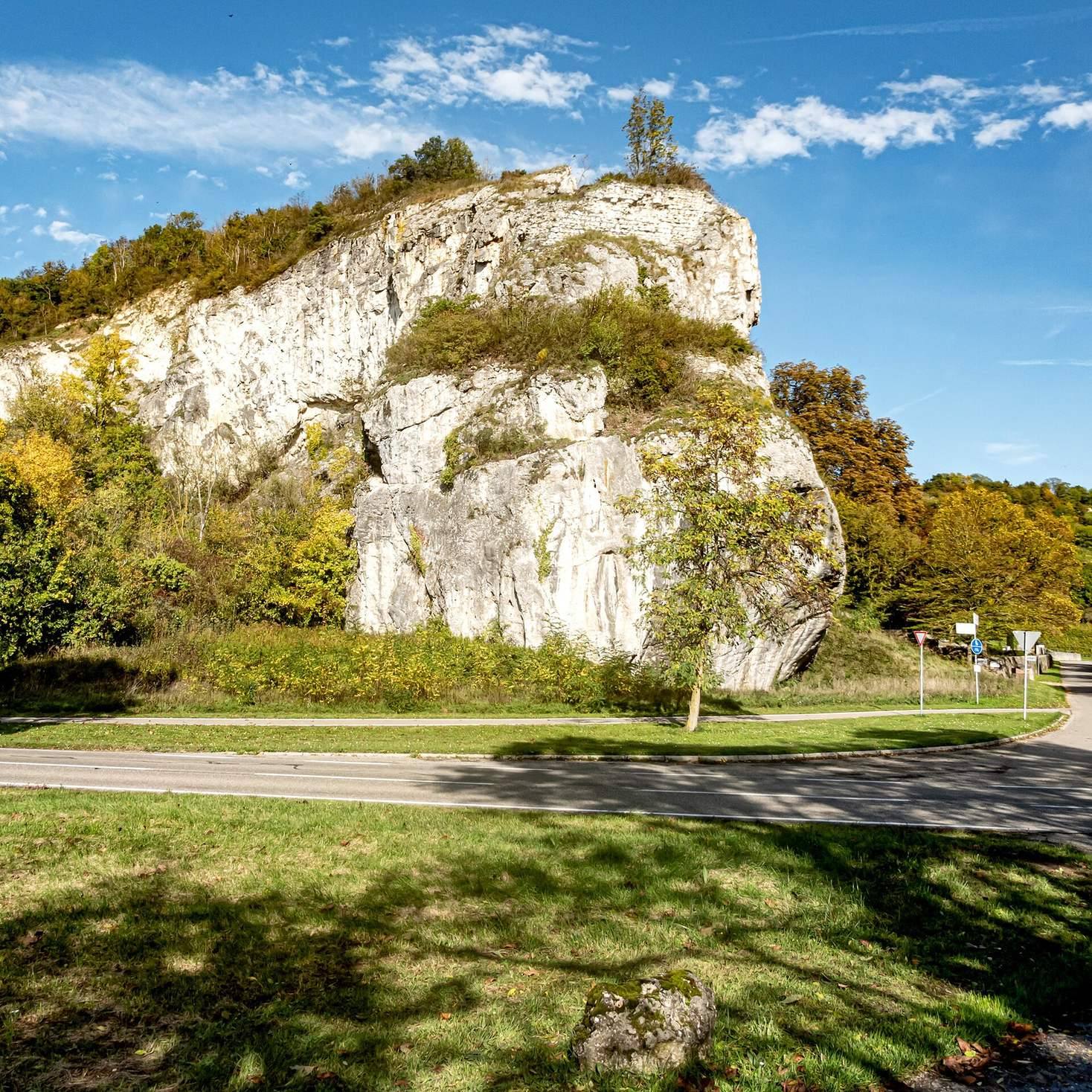
Istein Castle is a stone-built hilltop fortress on the Isteiner Klotz, a rocky outcrop in Germany. The bishops of Basel, senior clergy who governed the Christian diocese centered on that city, built it in the 11th–12th centuries. The castle later became a regional administrative center.
Medieval foundation and changing control
The castle is first mentioned in 1185. A reference from around 1233 calls it castrum Istein, using the Latin word for a fortified place. Control changed hands repeatedly. In 1382, Werner Schaler, elected bishop of Basel that year, gave up the office and received the lordship of Istein in compensation.
After the 15th century, the castle was often pledged, a practice in which a holder received temporary control as security. Holders included Jakob von Waldkron, Werner Schaler, and both the elder and younger Burkhart Münch von Landskron. The counts of Freiburg, the margraves of Sausenberg, rulers of a border territory, Basel, and Austria also held it as pledgees.
Destruction, rebuilding, and decline
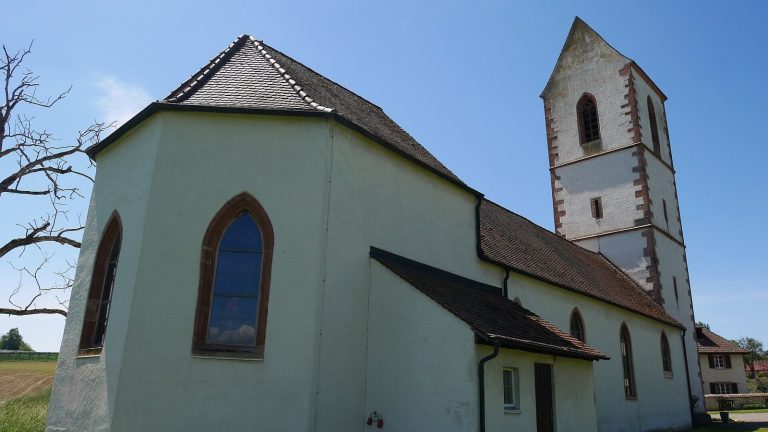
Basel troops destroyed the castle during armed conflicts in 1410–1411. It was rebuilt in the mid-15th century and then served as a regional administrative center. In 1650, it was captured and destroyed again. Afterward, local residents rebuilt St. Vitus Chapel, named for an early Christian martyr venerated as a saint, and regular services took place there for the next 300 years.
By the 18th century, the castle had lost its military importance. Its defenses deteriorated, and the site was gradually abandoned.
Modern fortification and postwar damage
Local authorities restored the castle complex between 1900 and 1914 and enlarged it as a fortress. From 1936, it formed part of the Westwall, Germany’s western defensive system, which was intended to protect the country against a possible invasion from the west. After World War II, the castle was blown up. The chapel was left in ruins and substantially rebuilt in the 1980s.
Remains
The castle complex
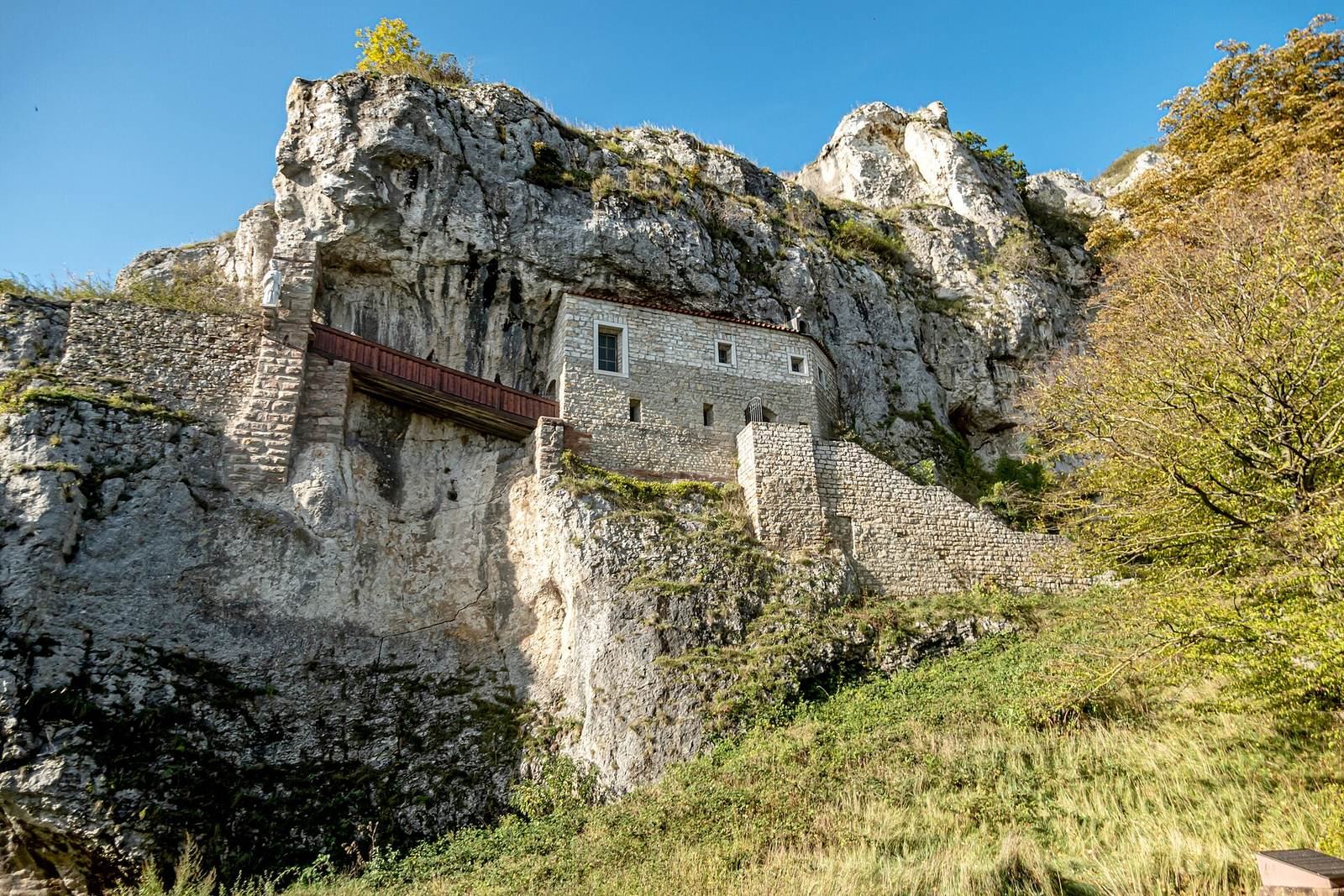
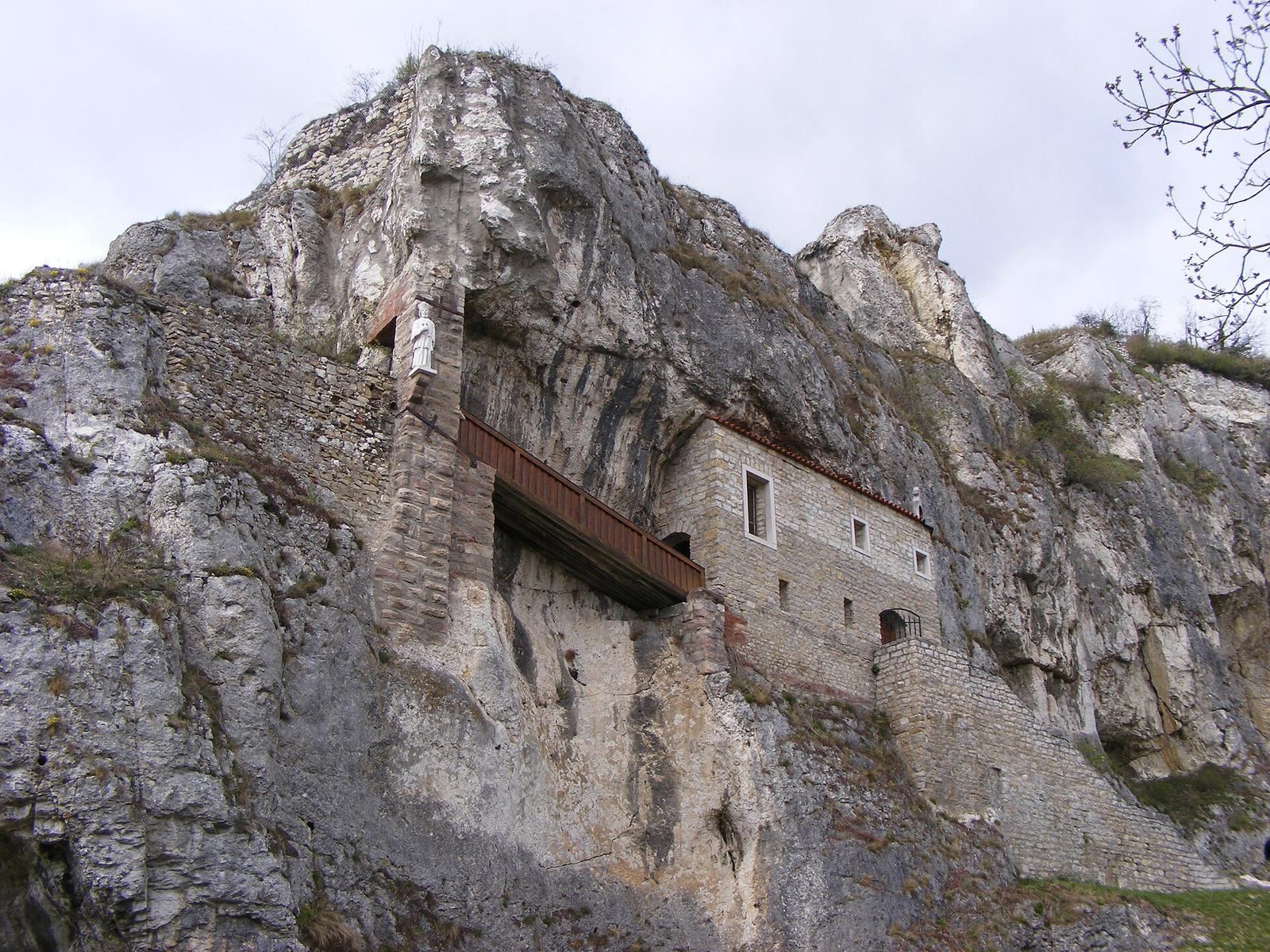
The remains occupy a rocky outcrop on the right bank of the Rhine, near Istein in the municipality of Efringen-Kirchen, Baden-Württemberg. The stone-built complex was both a hilltop castle and a rock castle, with the chapel set into a deep niche in the steep cliff.
Castle walls
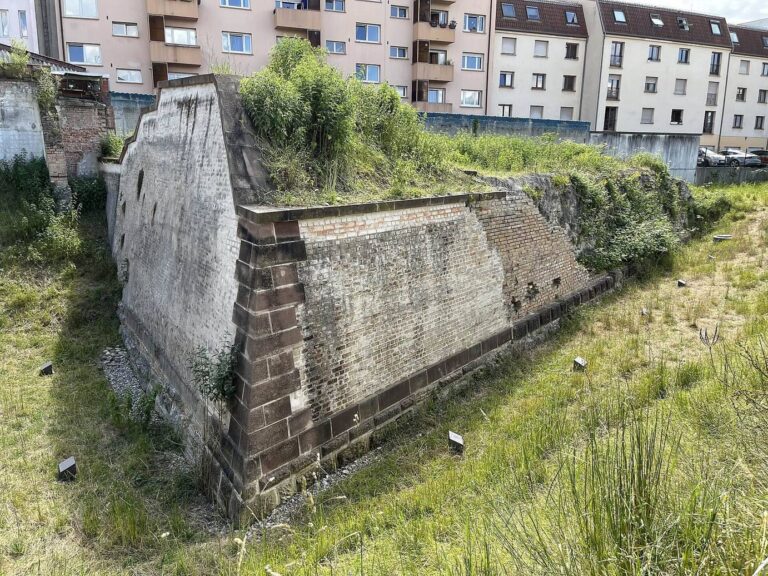
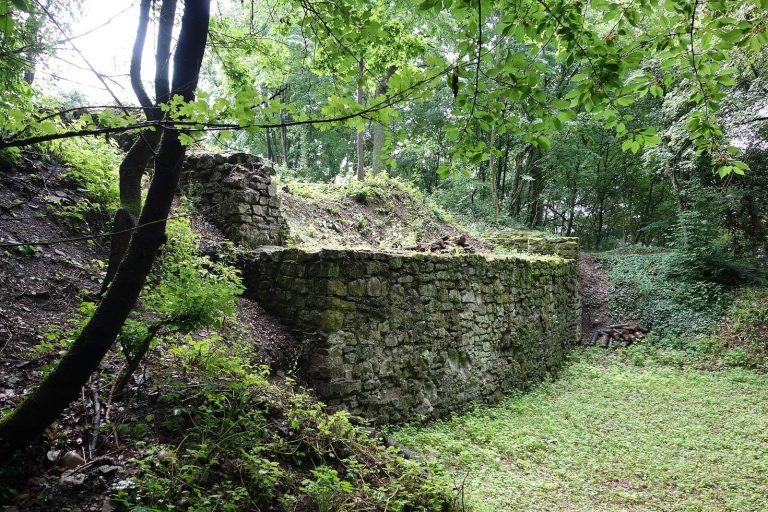
Fragments of the castle’s former stone walls survive on the Isteiner Klotz, marking the remains of the fortified complex.
St. Vitus Chapel
Built between 1100 and 1200, the small chapel is thought to have been one of two chapels within the castle. Its remains lie in a deep recess in the cliff and can be seen from far away. The substantial rebuilding in the 1980s shaped the chapel’s present form.