Boarstall Tower: A Medieval Defensive Gatehouse in the United Kingdom
Site at a Glance
- Popularity
- Medium
- Country
- United Kingdom
- Primary era
- Medieval
- Eras represented
- Medieval
- Civilizations
- English
- Site type
- Military
- Remains
- Gate
On this page7 sections
History
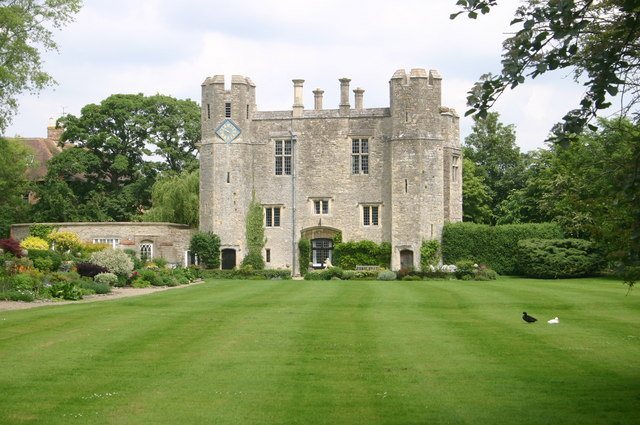
Boarstall Tower is a medieval gatehouse, a fortified building controlling an entrance, in the United Kingdom. John de Haudlo built it in 1312 to defend a manor, and it later became a contested military position during the English Civil War.
Legend and medieval manor
A local legend links the manor’s beginnings to Edward the Confessor, king of England from 1042 to 1066. In the story, Edward granted land to a man named Neil after he killed a wild boar that had troubled nearby Bernwood Forest. Neil supposedly built a mansion and called it “Boar-stall,” meaning “Boar House” in Old English. The legend also says he received the animal’s horn, and that possession of it brought lordship of the manor.
Manorial records from 1265 name the manor’s owner as ceremonial keeper of Bernwood Forest, a position that may relate to the legend. In 1312, John de Haudlo fortified the manor by building the gatehouse.
Boarstall in the English Civil War
The English Civil War, fought from 1642 to 1651 between supporters of King Charles I and forces supporting Parliament, brought repeated military changes at Boarstall. Charles I’s Royalist forces used it as a garrison while he held nearby Brill. When Brill fell in 1643, Boarstall’s garrison fell as well, though the manor escaped the destruction that Brill suffered. John Hampden’s Parliamentarian men then used the manor as a base for attacks on Royalist Oxford, about eight miles (13 km) away.
Hampden left in 1644 to fight elsewhere, and Royalist Colonel Henry Gage retook the manor and stationed a small garrison there. Gage’s cannon fire apparently drove the occupant, Penelope, Lady Dynham, to flee in disguise. Sir Thomas Fairfax led a Parliamentarian attack in May 1645, but it did not capture the manor. Fairfax returned in 1646, and the garrison surrendered on 10 June after an 18-hour siege. The Dynham family later regained possession with help from relatives close to Oliver Cromwell, a leading Parliamentarian.
Demolition and preservation
The manor house was demolished in 1778, while the gatehouse remained. Philanthropist Ernest Cook later gave Boarstall Tower to the National Trust, a British organization that owns and manages historic places. Twentieth-century restoration helped preserve the tower and its historic features. The National Trust is its current owner.
Remains
Gatehouse and grounds
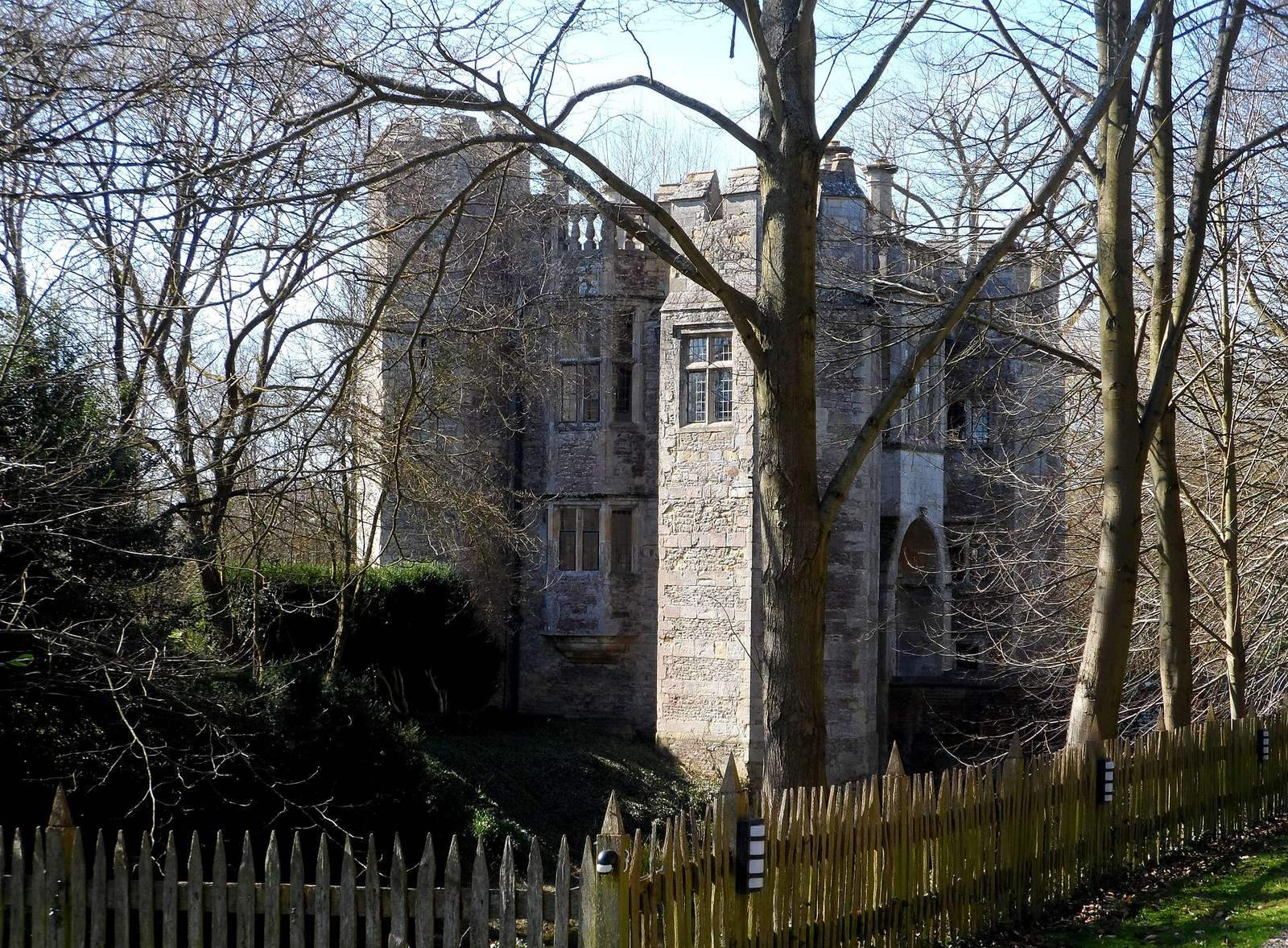
The surviving gatehouse stands within a moat, a defensive ditch surrounding a structure. It is unusually large and grand for its period, remains relatively unaltered, and bears visible damage attributed to the Civil War. Gardens also surround the tower.
The horn
The 1806 edition of Magna Britannia described a large horn in the possession of Sir John Aubrey. It was dark brown, with variegated markings and veins resembling tortoiseshell. The horn measured two feet four inches along its curved outer edge and three inches across at its wider end. Silver-gilt tips covered both ends, and a leather loop allowed it to hang around the neck.