All Souls College Library: The Library of an Oxford College
Site at a Glance
- Country
- United Kingdom
- Primary era
- Early Modern
- Eras represented
- Early Modern
- Civilizations
- British
- Site type
- Civic
- Remains
- Library
On this page5 sections
History
Foundation and construction
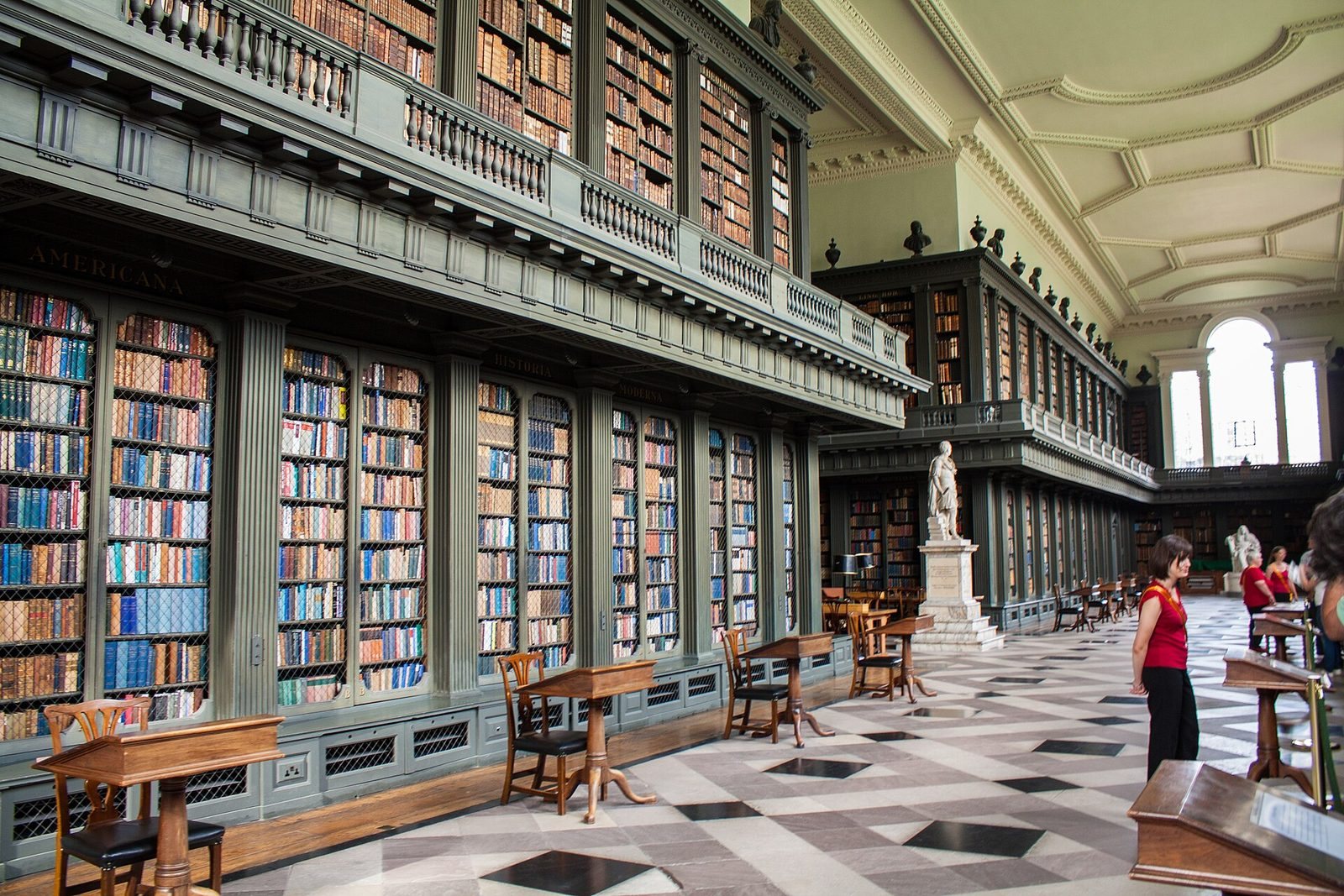
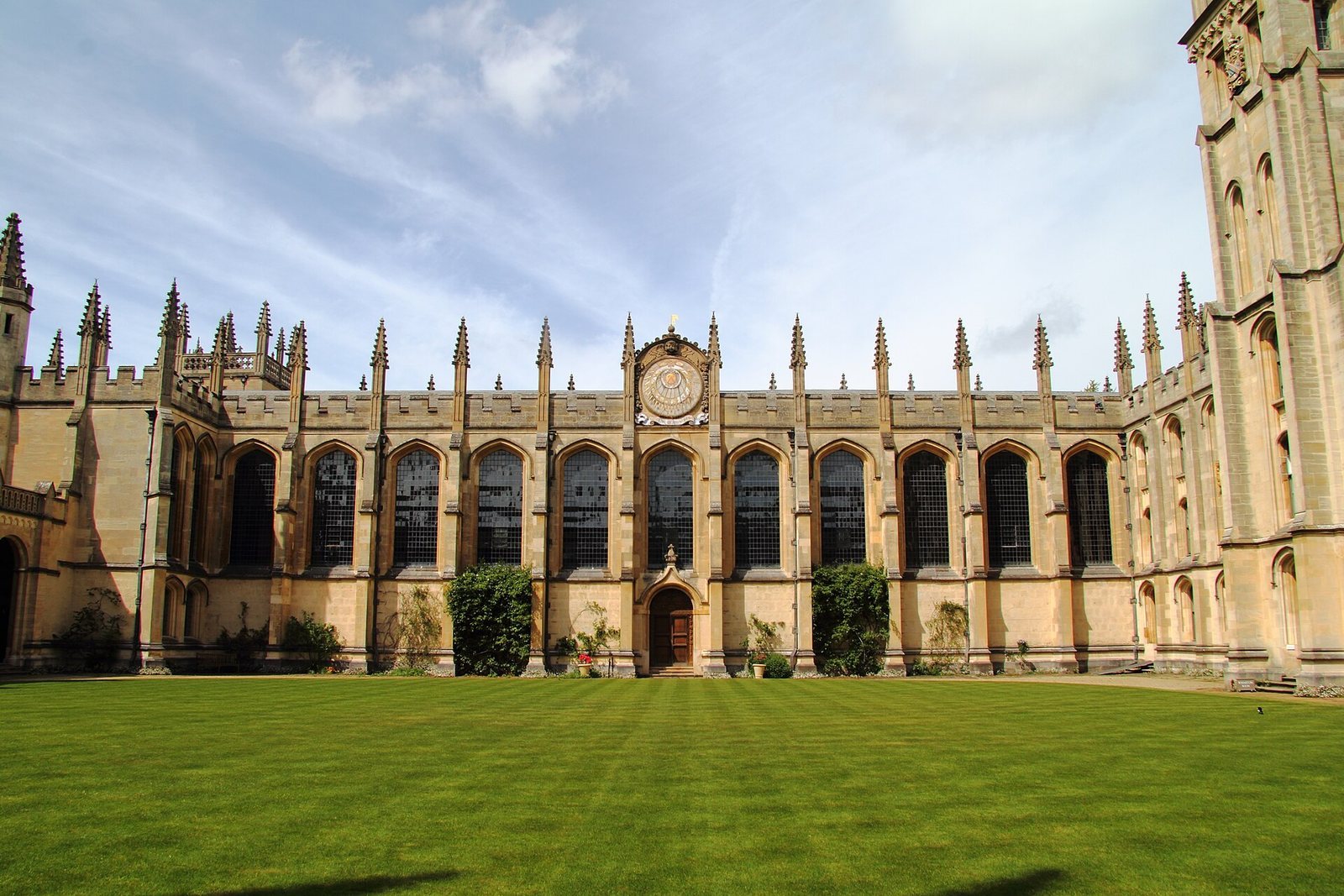
All Souls College Library is the library of All Souls College, a graduate constituent college of the University of Oxford in Oxford, England. It took its present form in 1751, when construction of its building, designed by Nicholas Hawksmoor, was completed. Scholars have used the library continuously since then.
Christopher Codrington (1668–1710), a college fellow and English colonial official and military officer, endowed the library. He left books valued at £6,000 and £10,000 in cash. Codrington had amassed his fortune through sugar plantations in Barbados worked by enslaved people of African descent.
Readership and collections
In 1890, Cornelia Sorabji, an Indian lawyer and social reformer who belonged to Somerville College, became the library’s first woman reader. She was invited by Sir William Anson, a legal scholar and politician.
The collection now contains about 185,000 items, roughly one-third of them produced before 1800. Books, journals, newspapers, magazines, maps, drawings, and manuscripts cover fields including law, European and church history, military history, and classics. The library’s holdings in sociology and the history of science are also growing. Its manuscripts and early printed books draw scholars from many countries.
Name and status
From the 1840s, people often called the library the Codrington Library, although this was never its official name. In November 2020, the college ended that usage as part of its response to Codrington’s ties to plantation exploitation, and the library was renamed All Souls College Library. It is listed at Grade I, England’s highest category for buildings of exceptional architectural or historic interest.
Remains
The library occupies the building designed by Nicholas Hawksmoor and completed in 1751. Its reading room contains a statue of Christopher Codrington at its center. The statue remained in place after the library’s name changed.