Bischöfliche Residenz (Marianum): An Austrian Palace and Episcopal Residence
Site at a Glance
- Popularity
- Medium
- Country
- Austria
- Primary era
- Early Modern
- Eras represented
- Early Modern
- Civilizations
- Habsburg, Habsburg Austria, Holy Roman Empire
- Site type
- Religious
- Remains
- Palace
On this page8 sections
History
Construction and garden
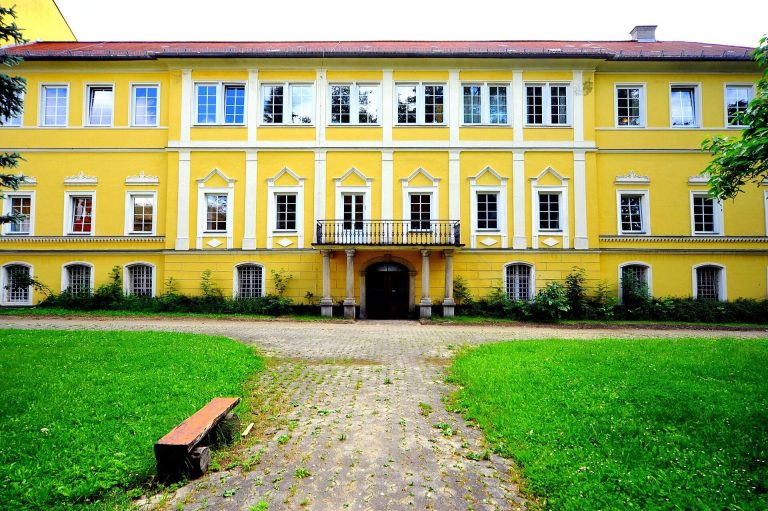
The Bischöfliche Residenz, historically known as the Marianum, is a palace in Austria built from 1769 to 1776 for Archduchess Maria Anna, daughter of Empress Maria Theresa. The plans were drawn by Nikolaus von Pacassi, an architect at the Viennese court.
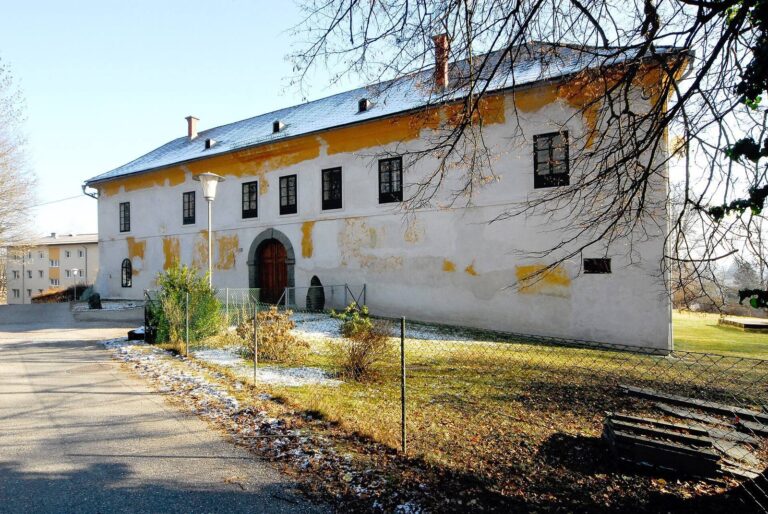
Work on the park behind the palace began in 1779 under Georg Tille and was continued by his brother Benedikt. A gardener’s house associated with the entrance to the residence garden appears in 1780.
From archduchess’s home to bishops’ residence
Around 1780, the palace was probably altered by the Viennese Baroque architect Franz Anton Hillebrand. Maria Anna lived there from 1781 until her death in 1789. The furnishings were then sold, and the Diocese of Gurk took over the palace as a home for its bishops.
Remains
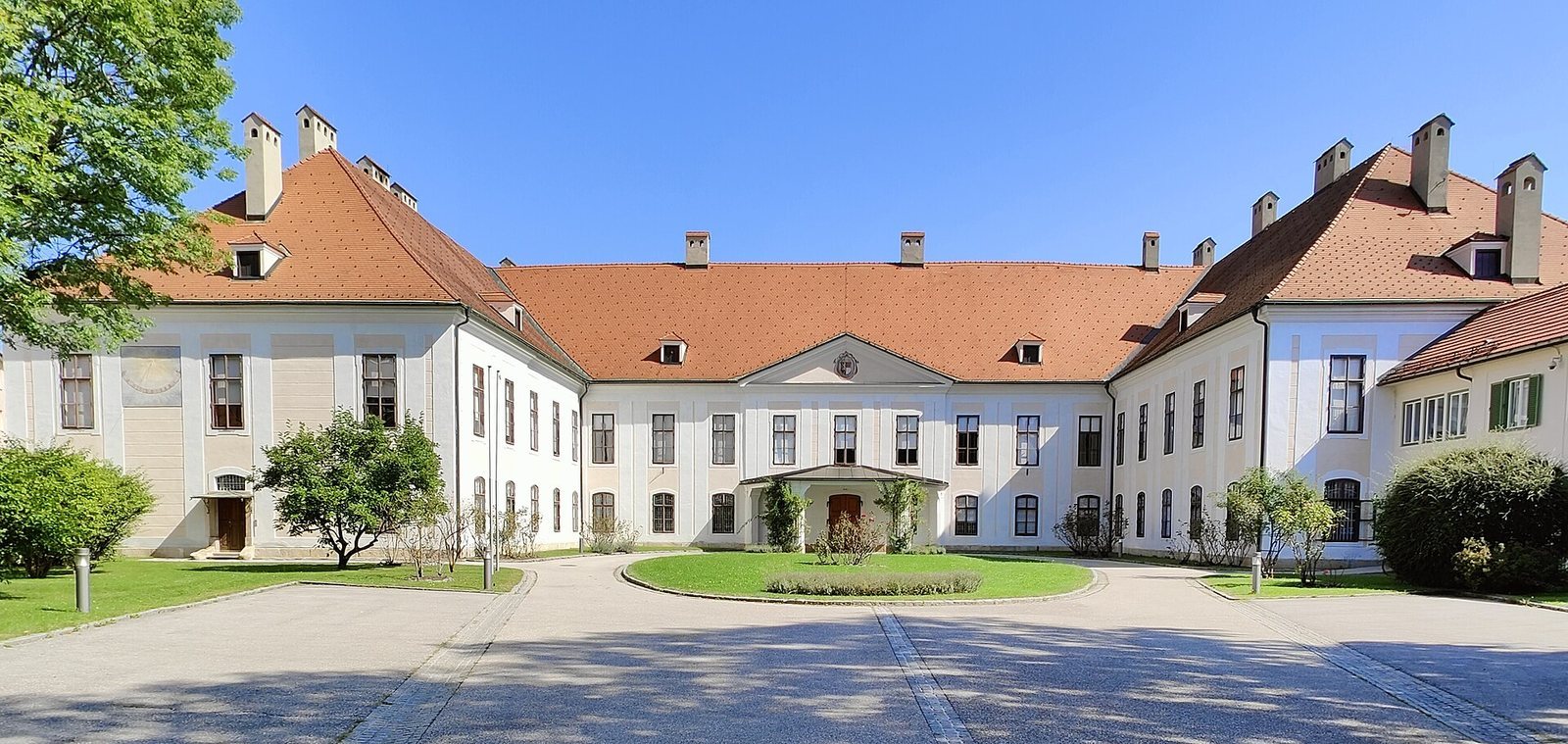
The two-storey palace is arranged around a horseshoe-shaped formal courtyard. Its east wing contains reception rooms, while the chapel occupies the central part of the south side. The park lies behind the building.
Palace and courtyard
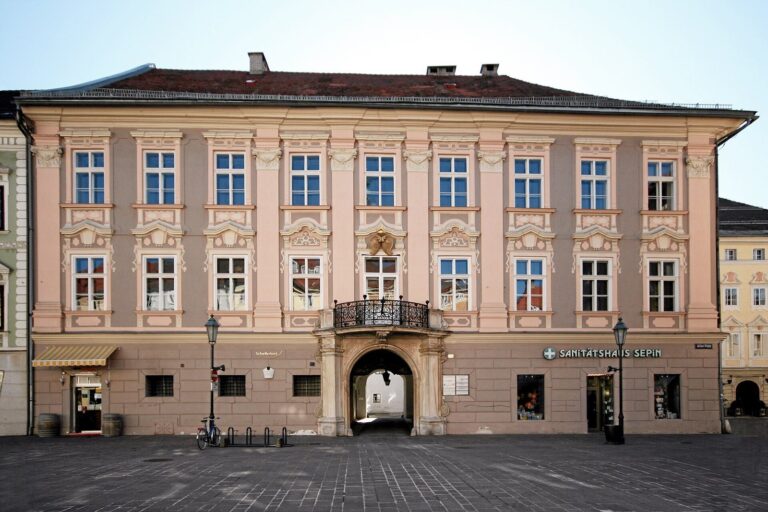
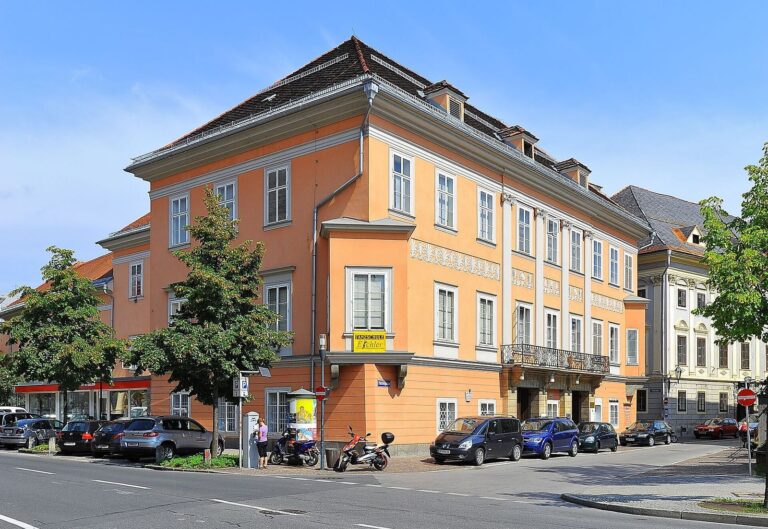
The nine-section main façade has paired, shallow vertical strips and a slightly projecting central section topped by a triangular pediment. A wrought-iron gate in the Rococo style opens onto the courtyard. Above it is the coat of arms of Cardinal Franz Xaver von Salm-Reifferscheid-Krautheim, a senior Catholic cleric and prince-bishop of Gurk.
Reception rooms
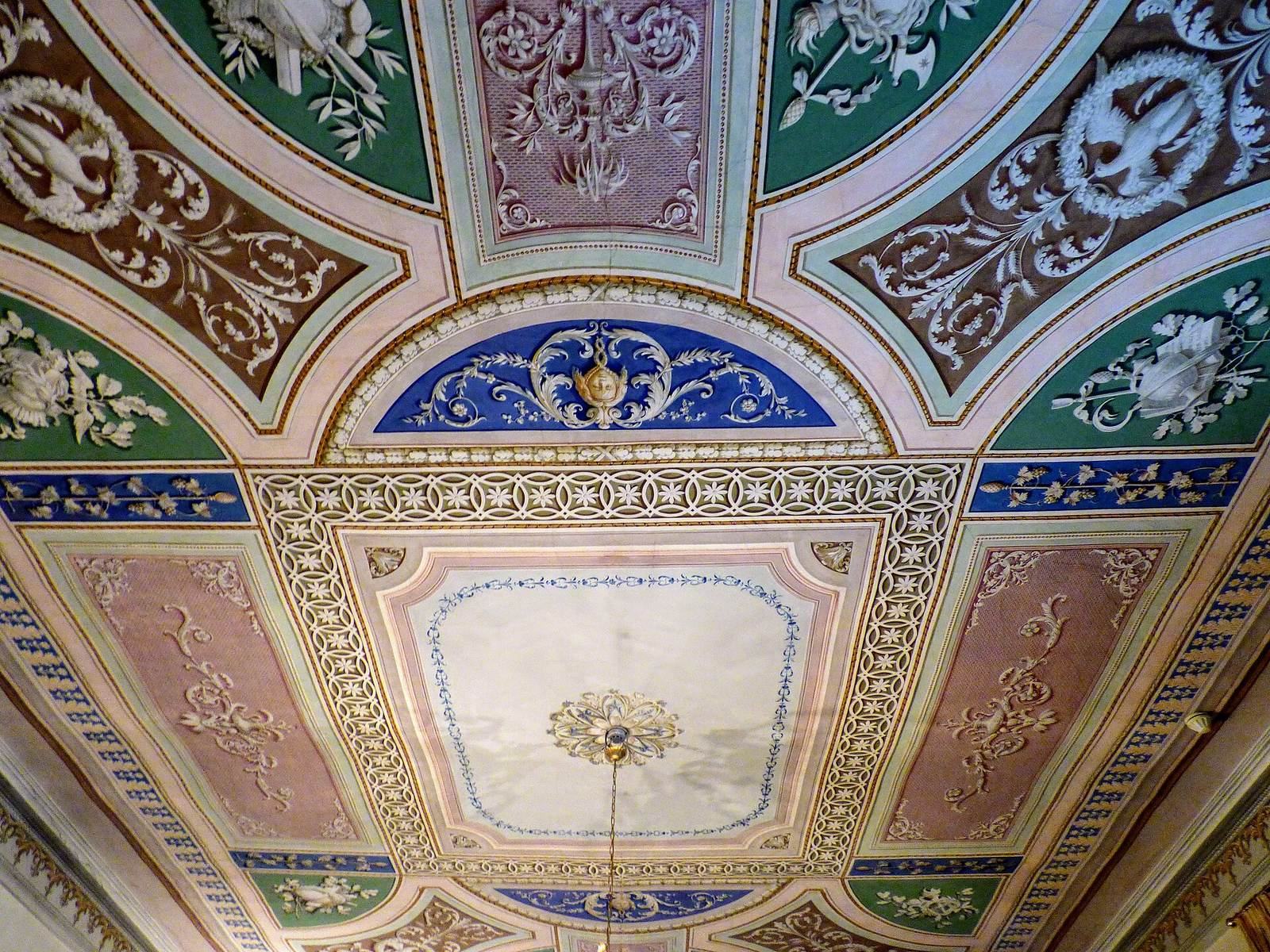
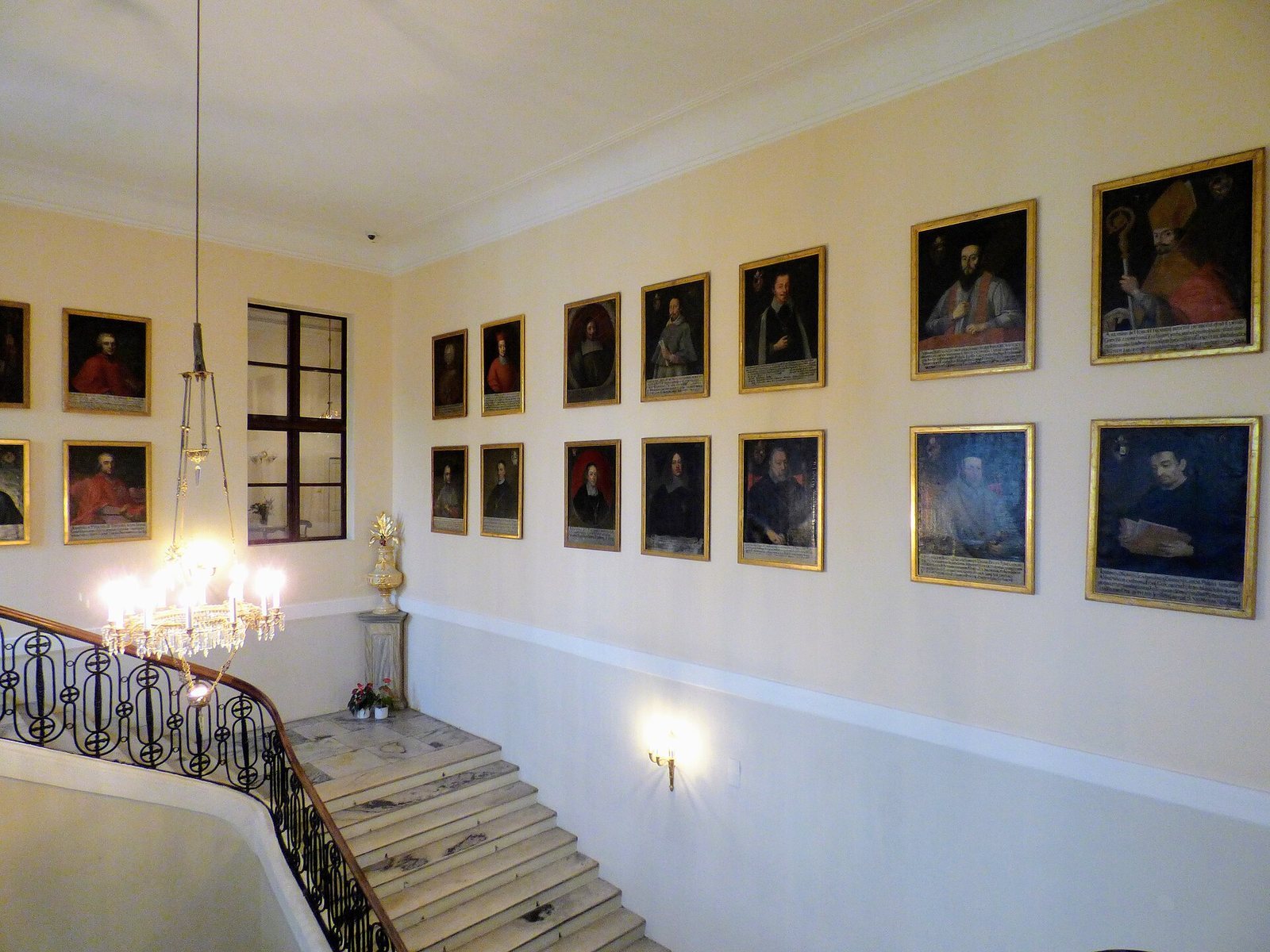
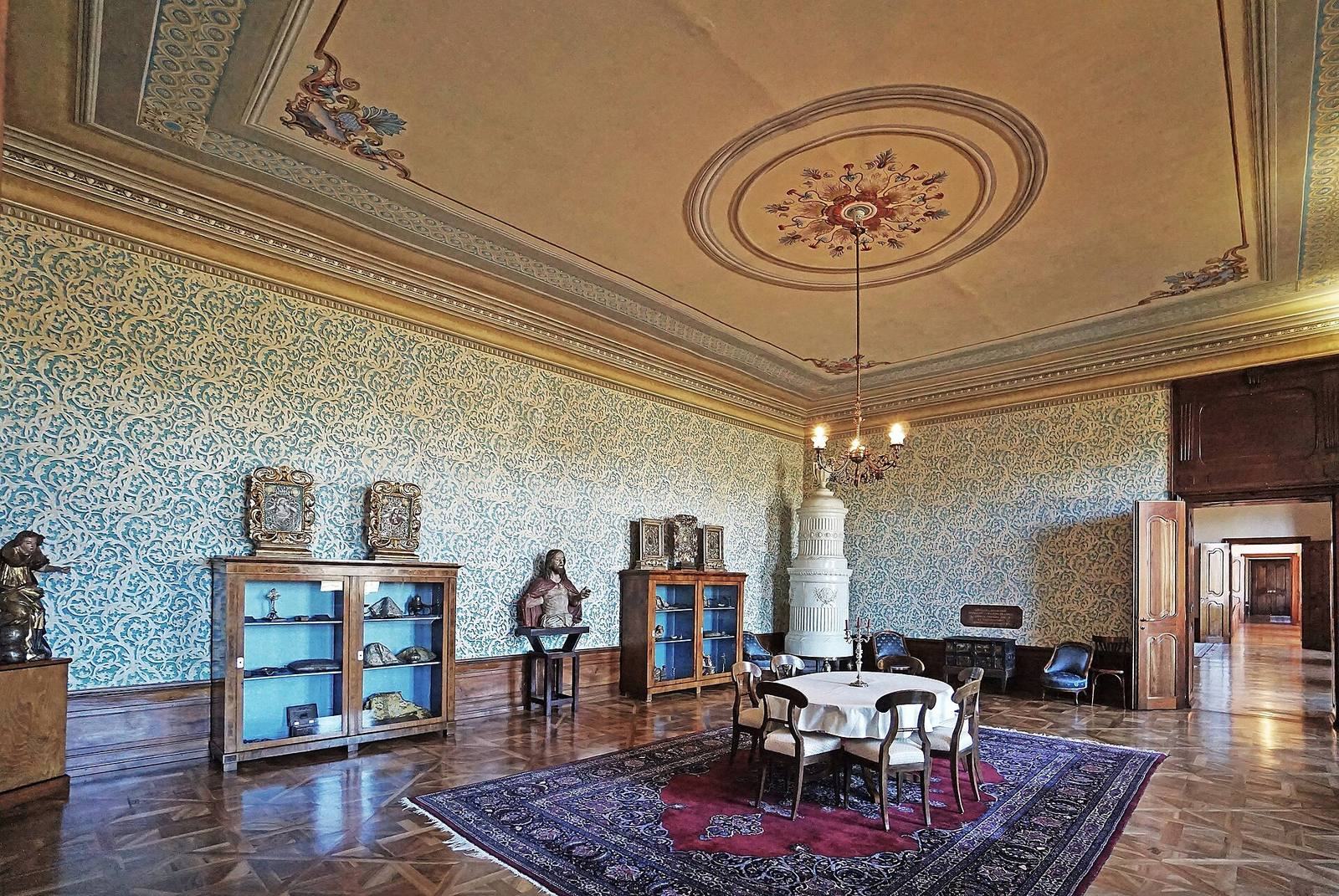
The upper-floor rooms once used by Maria Anna now serve as formal reception rooms. In one corner room, 13 oil portraits of the Salm family by Georg Weikert are set into Neoclassical wall paneling.
Chapel
Dedicated to Mater dolorosa, meaning the Sorrowful Mother, the chapel is a simple hall in the Empire style. Its architectural detailing was removed during remodeling in 1958. In place of the altar stands a wood-carved, bronze-finished copy of Georg Raphael Donner’s Gurk Pietà, made by Johann Probst in 1801. A Pietà depicts Mary mourning Christ. Statues of the apostle John and Mary Magdalene stand beside it, while small figures of Saint Hemma and John the Baptist are mounted on the north wall.
Park and forecourt
The park occupies the ground behind the palace, and a gardener’s house is associated with the entrance gate to the residence garden. On the forecourt is einklang : sozvočje, an installation presented in 2025. Austrian media artist Nataša Sienčnik created it with jazz musician Wolfgang Puschnig; it originated in an artistic competition organized by the Catholic Church in Carinthia.