Birkenhead Priory: A Medieval Benedictine Monastery in Merseyside
Site at a Glance
- Popularity
- Medium
- Country
- United Kingdom
- Primary era
- Medieval
- Eras represented
- Medieval, Modern
- Civilizations
- British, English
- Site type
- Religious
- Remains
- Monastery
On this page9 sections
History
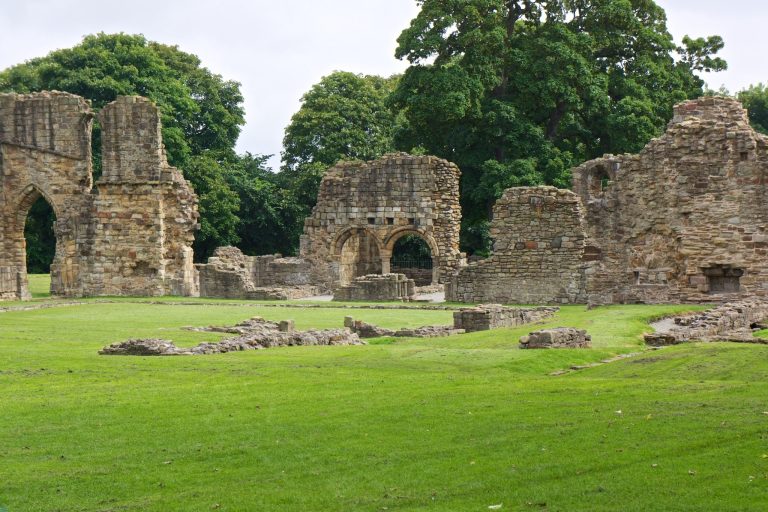
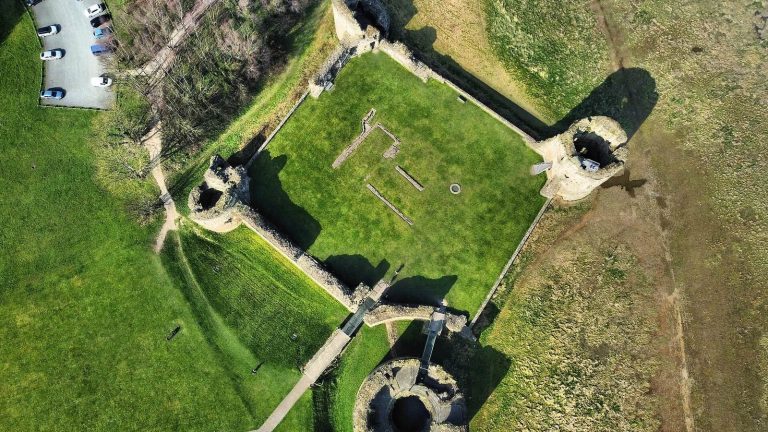
Birkenhead Priory is a medieval monastery on Priory Street in Birkenhead, United Kingdom. Hamon de Masci, 3rd Baron of Dunham Massey, founded it around 1150 for the Benedictine Order, a Christian monastic community that follows the Rule of Saint Benedict. It is the oldest building still standing in Merseyside.
Medieval foundation and royal connections
Edward I visited the priory twice. Its position near the Irish Sea and the Welsh border made it strategically important. In 1318, Edward II granted the monks rights to operate a ferry across the River Mersey. Those rights enabled them to build a house on what is now Water Street, where they stored corn and sheltered travellers when poor weather prevented a crossing.
Religious and parish changes
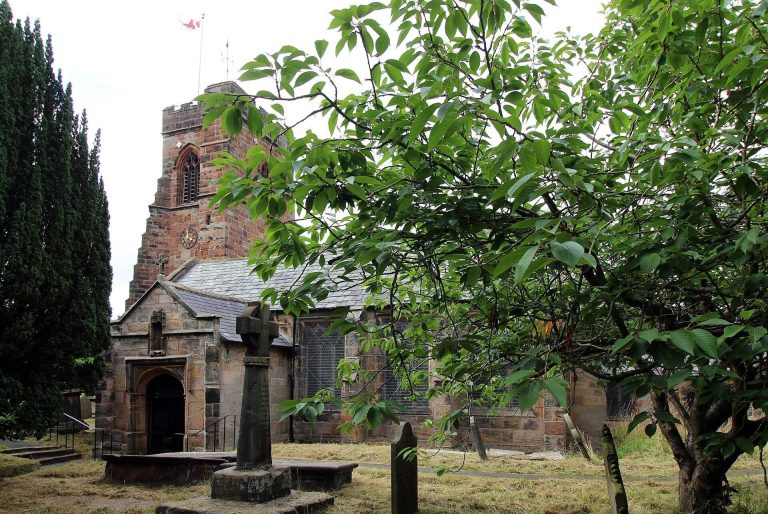
During the Reformation, the sixteenth-century religious changes that reshaped England’s churches and institutions, the chapter house began serving as a chapel. It remains a consecrated Anglican church and continues to host services. St Mary’s, Birkenhead’s first parish church, opened within the priory grounds in 1821.
Twentieth-century changes
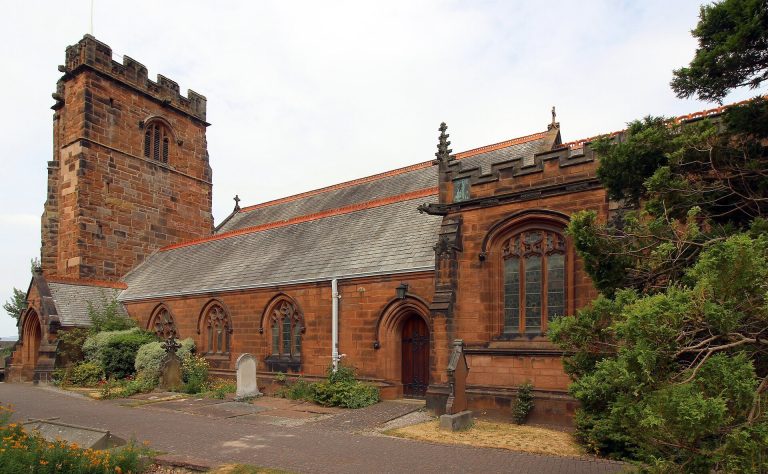
Work on the Queensway Tunnel began in 1925 and cleared much of the housing in St Mary’s parish. In the 1960s, expansion of the adjacent Cammell Laird shipyard’s No. 5 dry dock removed a substantial part of the churchyard. Later changes to the Mersey Tunnel approach roads separated the church from most of the remaining parish and further reduced its congregation. St Mary’s closed in 1974 and was partly demolished in 1975 for safety reasons. Its surviving tower was later refurbished.
The chapter house underwent extensive restoration in the early twentieth century and further work in 2005. The medieval priory remains have Grade I listing, the highest listed-building category, and protection as a Scheduled Monument. The chapter house is Grade II* listed.
Remains
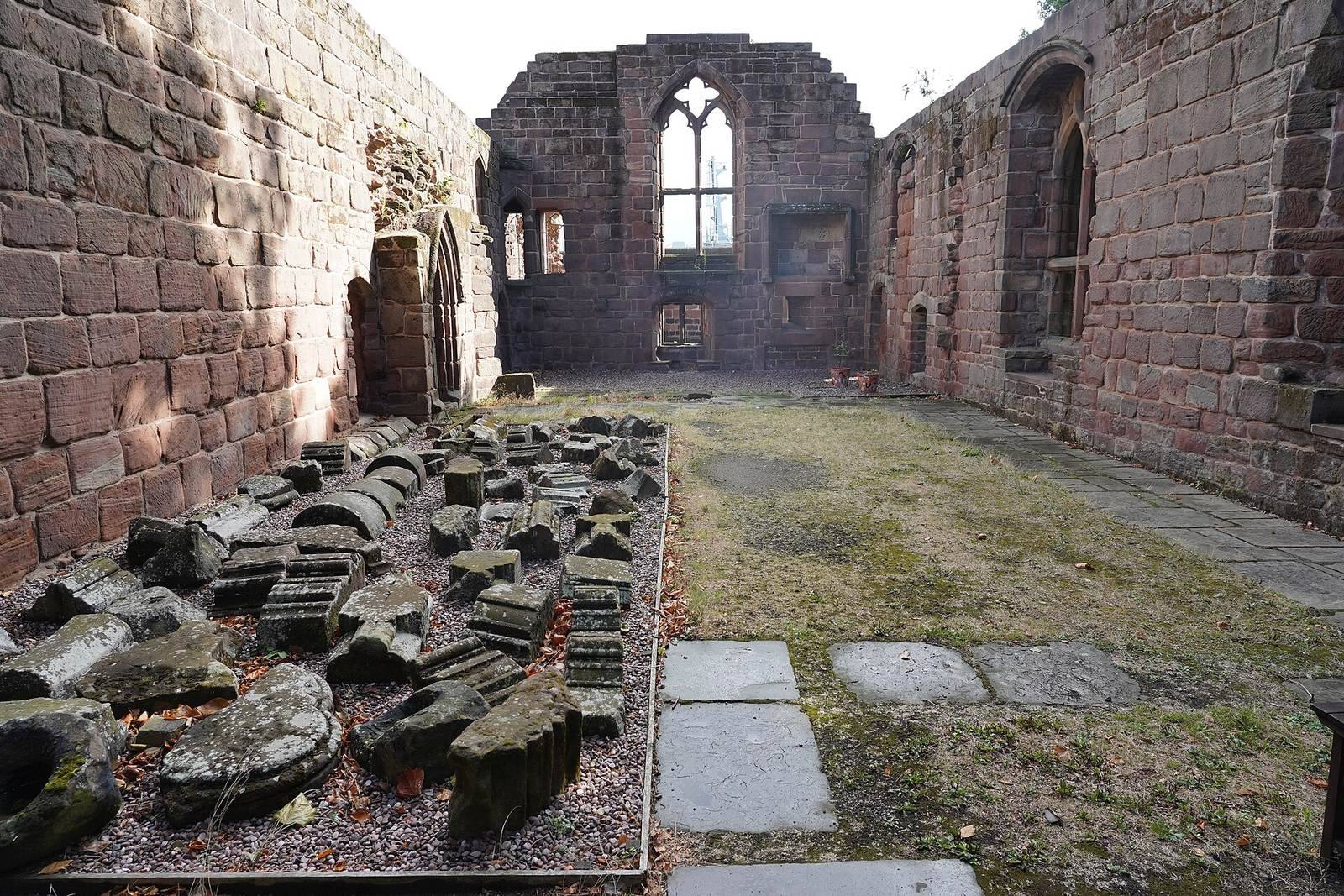
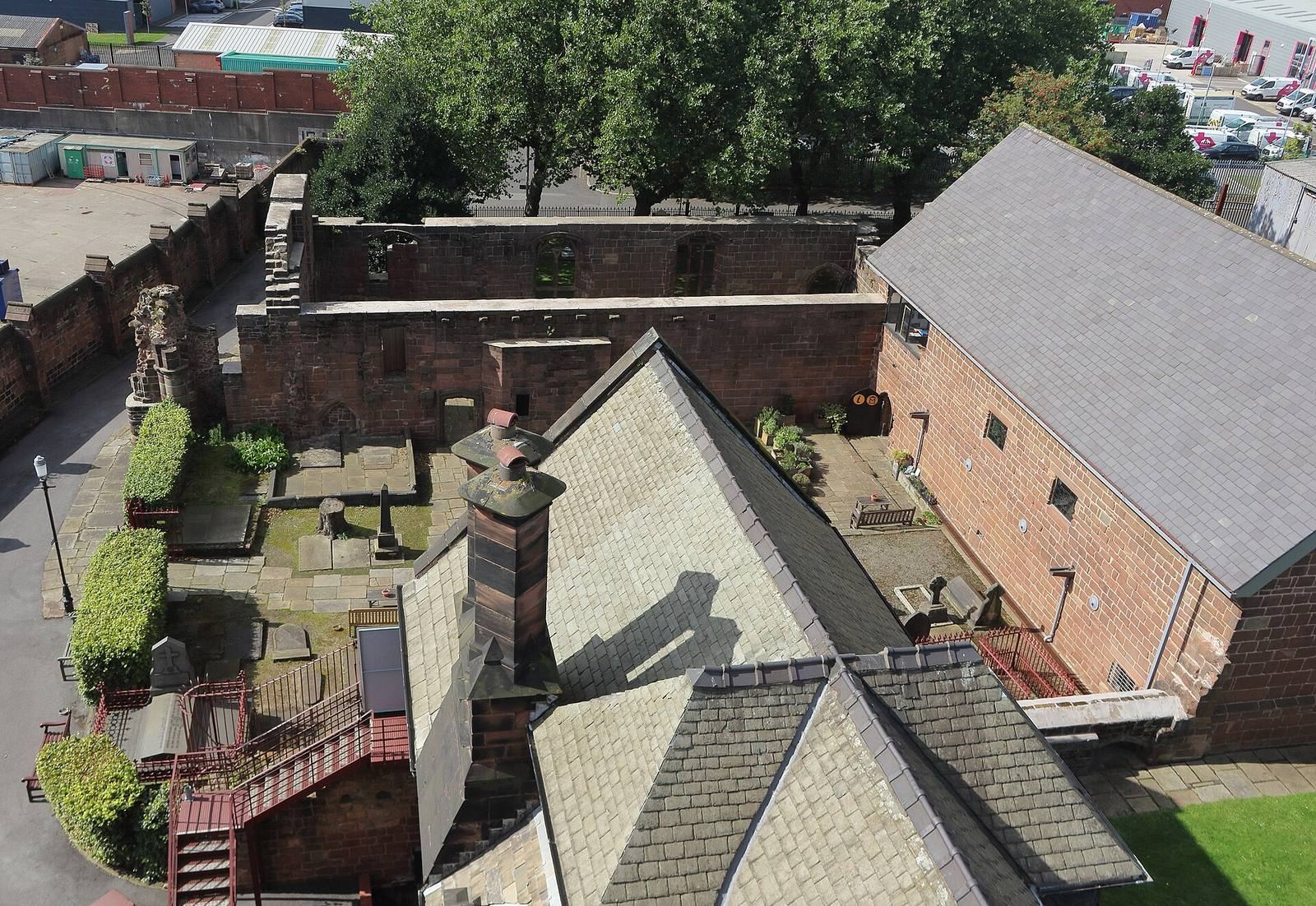
The surviving site brings together medieval priory buildings and remnants of St Mary’s Church, which was built within the priory grounds. The chapter house preserves Norman architecture, the Romanesque style associated with Norman rule in England.
Priory buildings
Chapter house
The chapter house dates from the late twelfth century. Its upper floor, called the Scriptorium (a room for writing or copying manuscripts), contains a chapel dedicated to HMS Conway, a naval training ship.
Frater House
Frater means a monastery’s communal dining hall. The ground floor of Frater House houses a museum about the site’s history.
St Mary’s Church and churchyard
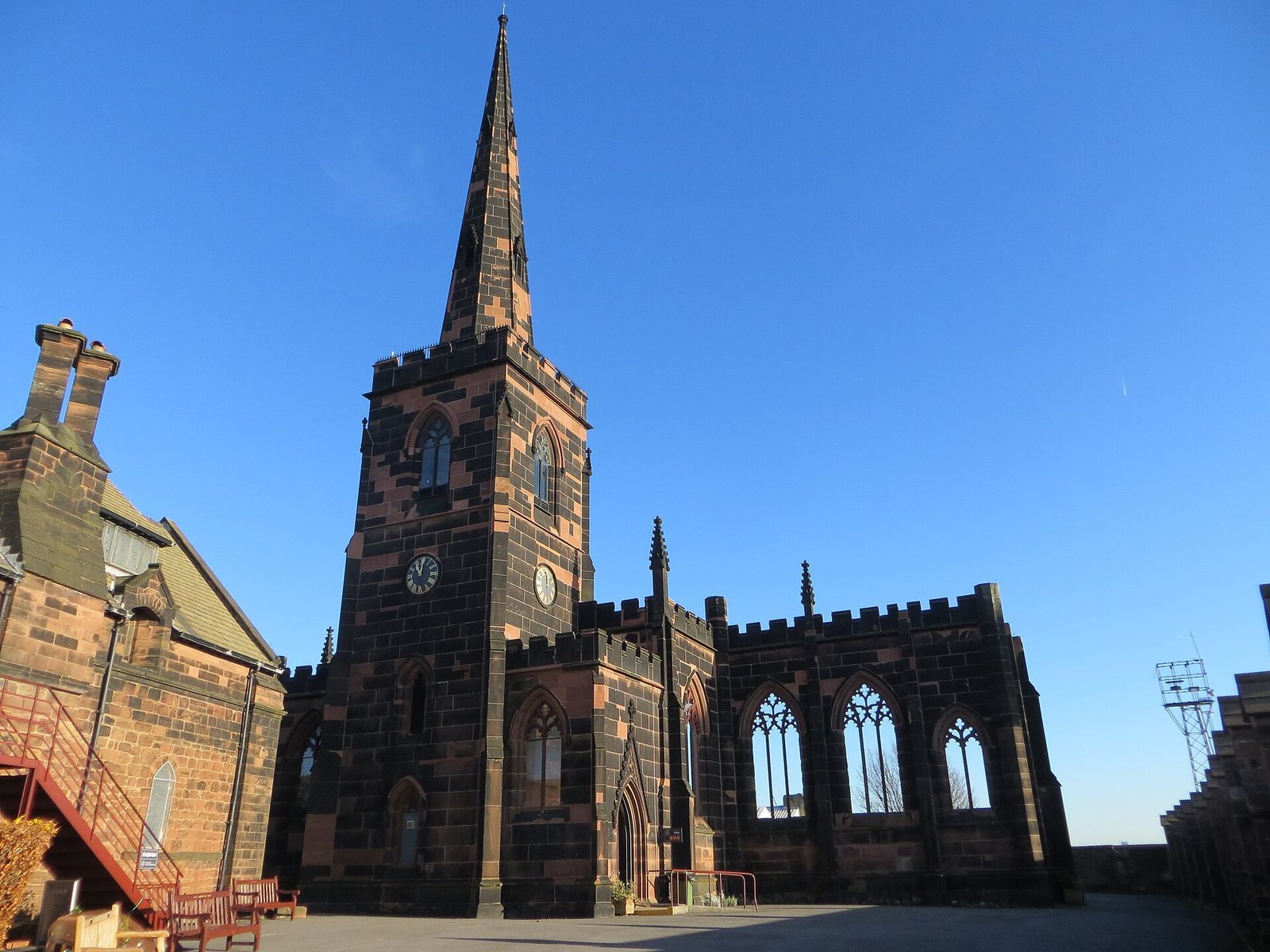
St Mary’s survives as its former tower and sections of its outer walls. The tower is dedicated to those who died aboard HMS Thetis, a Royal Navy submarine lost in a sea-trial disaster in 1939. The churchyard contains the Laird family burial vault, where John Laird (1805–74), Birkenhead’s first Member of Parliament and a co-founder of the adjacent Cammell Laird shipbuilding company, is buried.