Beauvoir-en-Royans Castle: A Medieval Residence of the Dauphins
Site at a Glance
- Rating
- 4
- Popularity
- Very Low
- Country
- France
- Primary era
- Medieval
- Eras represented
- Medieval
- Civilizations
- Holy Roman Empire
- Site type
- Military
- Remains
- Castle
On this page9 sections
History
Beauvoir-en-Royans Castle is a medieval fortress in Beauvoir-en-Royans, France, built in the 13th century by Humbert II as a residence for the Dauphins of Viennois, rulers of the Dauphiné, a principality in southeastern France. Humbert’s ambitions for the residence drew on the court of Naples, ruled by his uncle Robert of Sicily.
Residence under the Dauphins
The castle was the principal residence of the Dauphins from 1258 to 1350. More than 2,000 people may have lived there, reflecting the scale of the household and community associated with the site.
Transfer to France
On 30 March 1349, under the Treaty of Romans, Humbert ceded the Dauphiné and his domains, including the castle, in return for 200,000 florins and annual payments of 24,000 livres. The transfer ceremony took place at a Dominican convent in Lyon. Humbert gave up his overlordship and formally invested Charles, son of John of Normandy and grandson of Philip VI. Charles became the first to bear the title Dauphin of France, later used for the French heir to the throne. Humbert handed him the Dauphin’s sword, a banner of Saint George, a sceptre, and a ring. Before Jean de Chissé, bishop of Grenoble, Charles swore to uphold the privileges of the Dauphiné, including statutes promulgated by Humbert. The castle was abandoned after the transfer to France.
Modern preservation
The ruins were classified as a French historic monument by decree on 1 September 1922. In the 1920s, collector César Filhol established the Museum of the Dauphins in the former Carmelite convent to present the history of the Dauphins and the formation of the Dauphiné. A conservation garden was created in 2009 to preserve old local plant varieties.
Remains
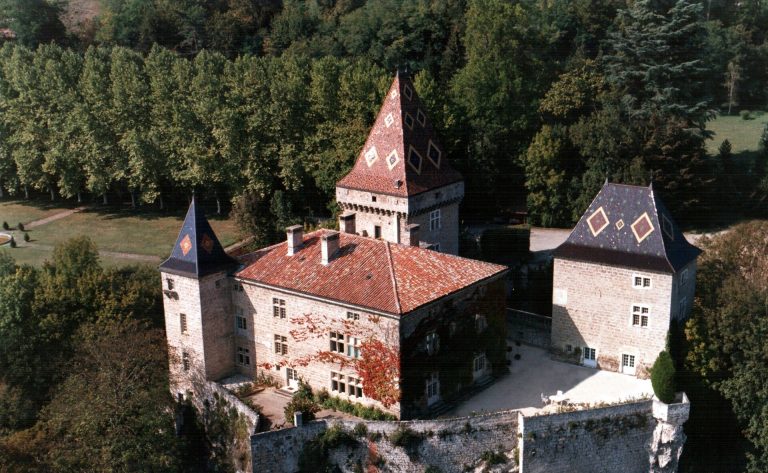
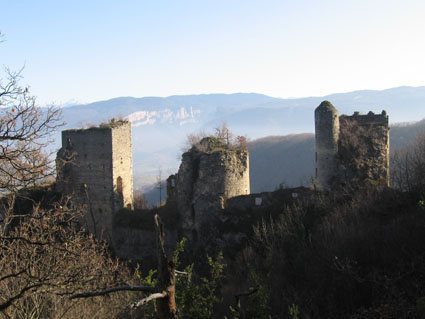
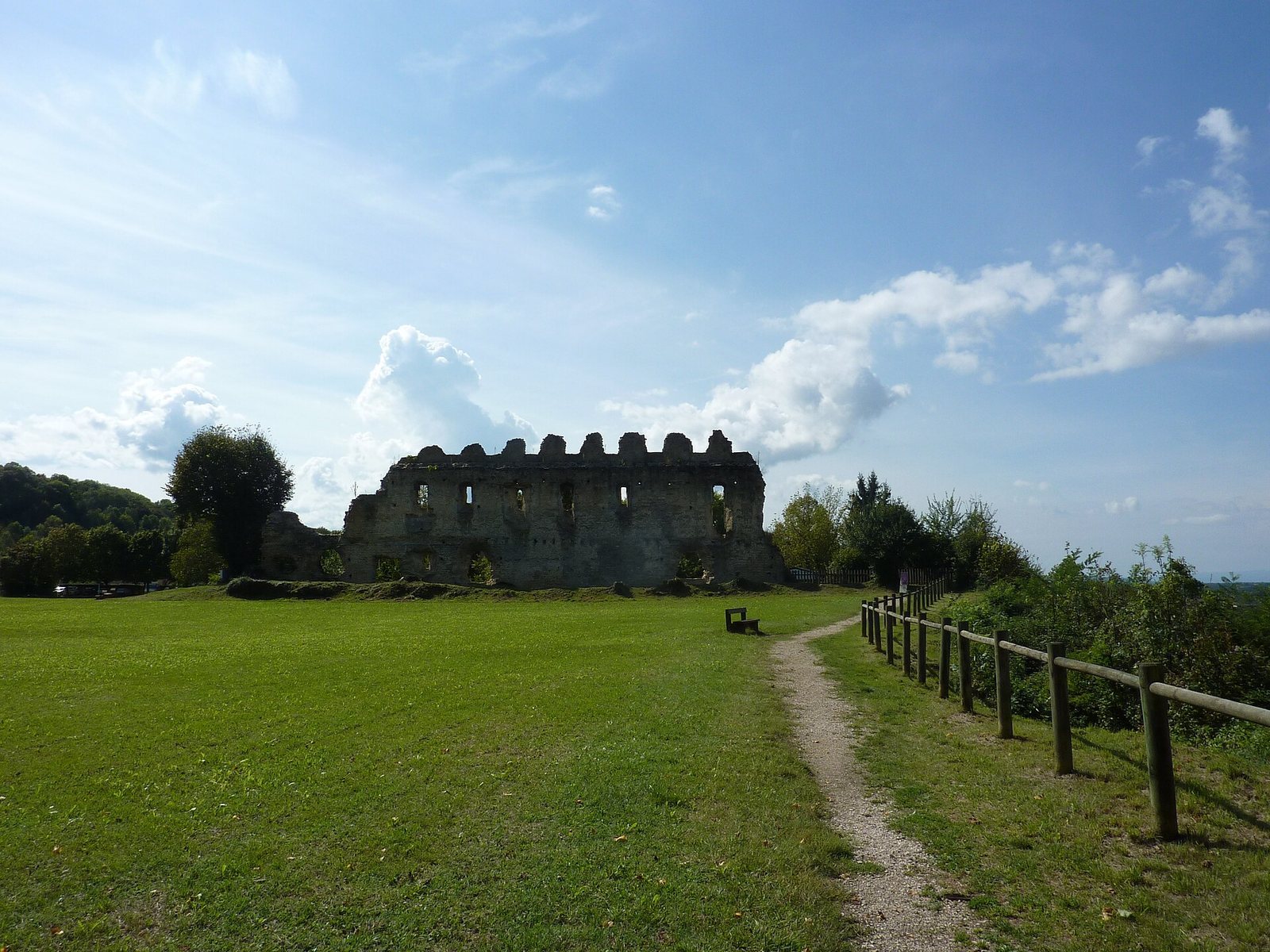
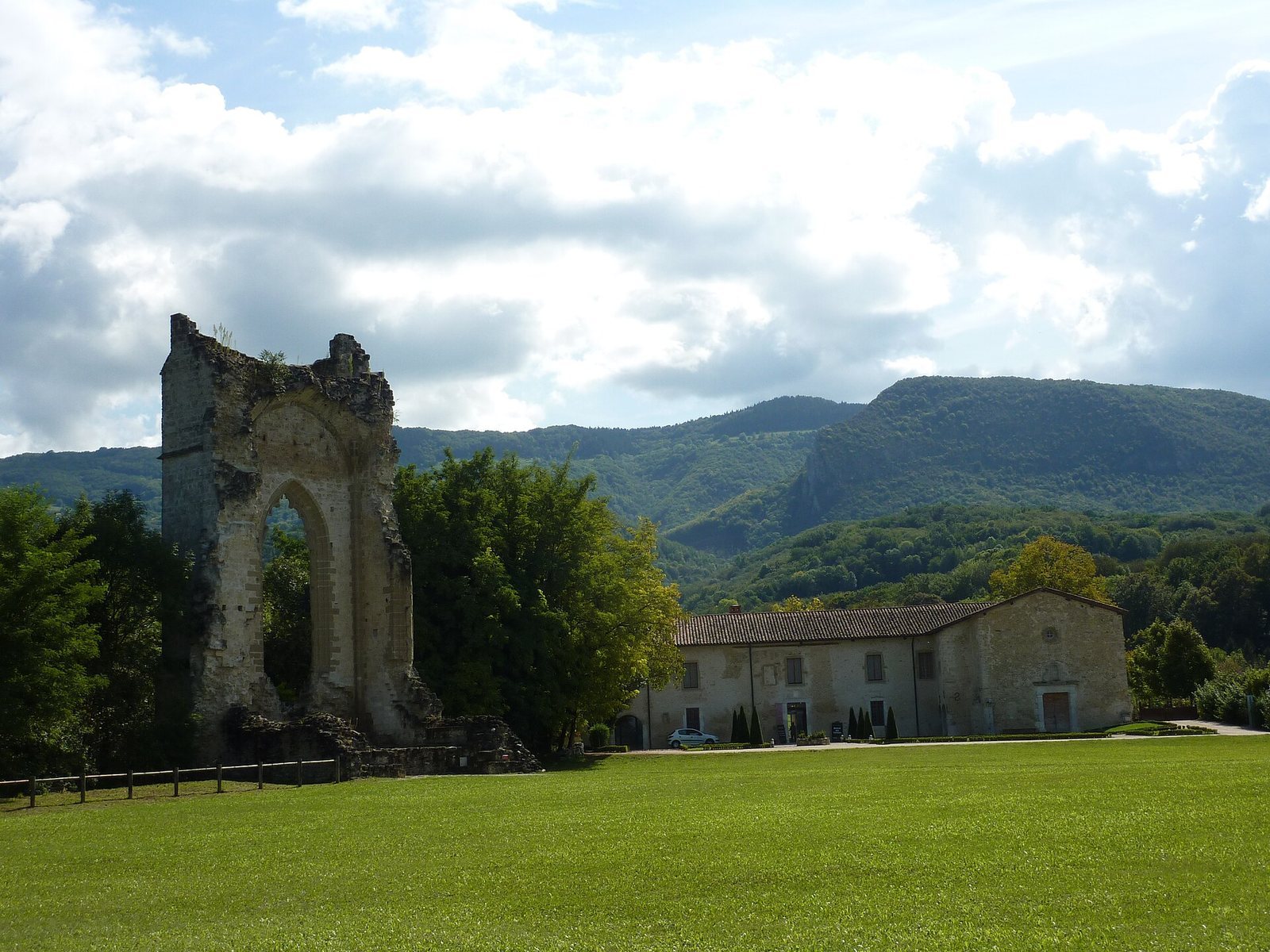
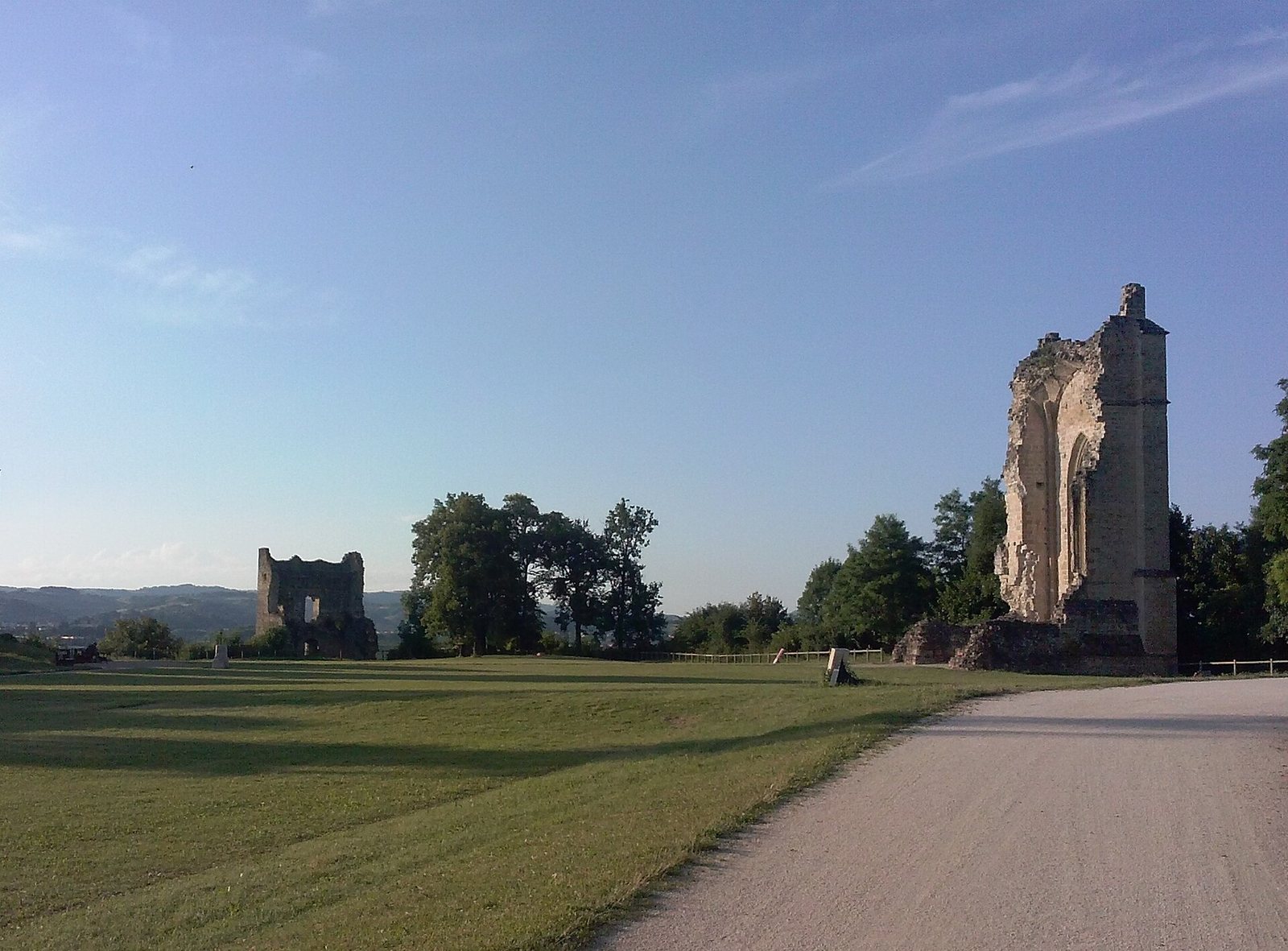
The castle ruins lie in a large park near the village, within the former Carmelite convent complex. In the Royans region of western Isère, the site is near the Isère River and at the foot of the Vercors limestone cliffs. It overlooks the Isère valley and the former road linking Grenoble and Valence.
Surviving structures and landscape
Castle ruins
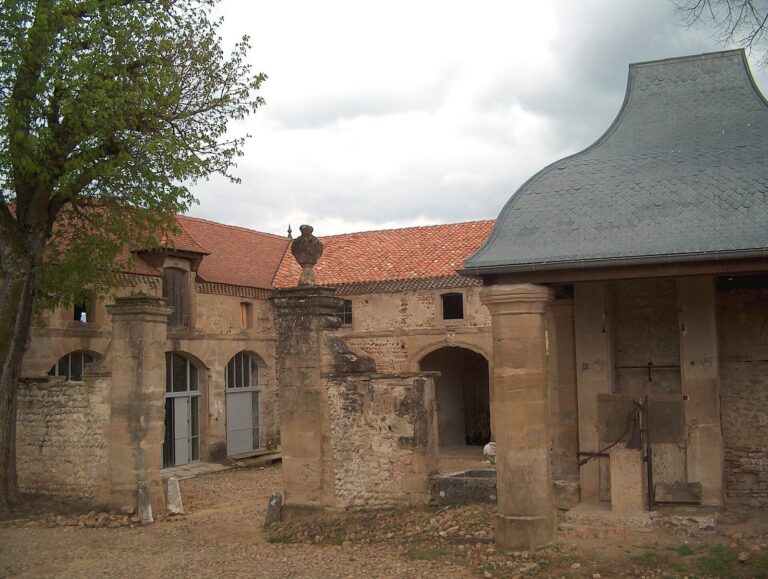
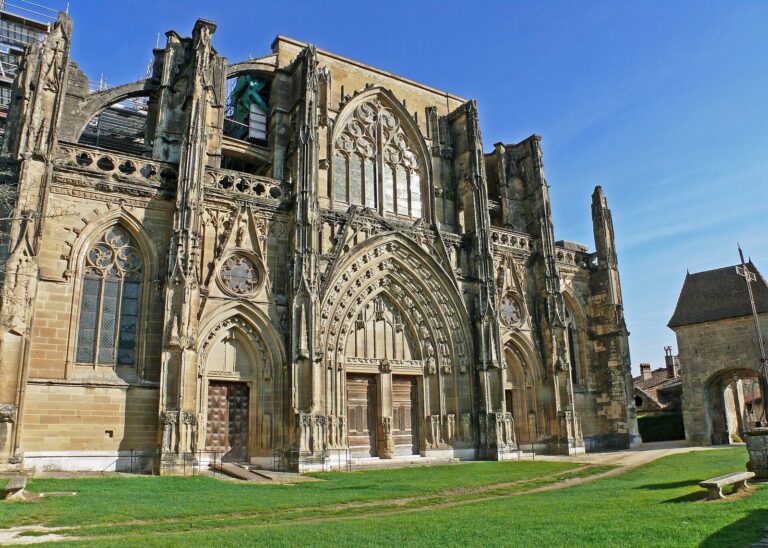
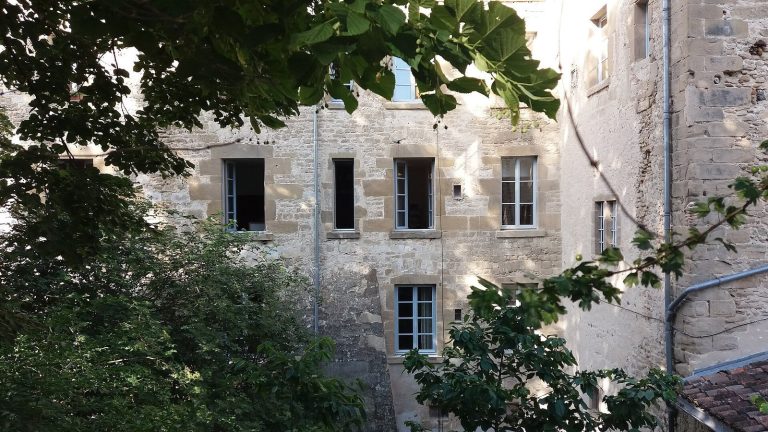
Surviving parts of the castle include a section of the enclosure wall, the great chapel of the Dauphins, the keep, and elements of the residential building. The castle may have had 1,000 windows.
Museum in the former convent
The Museum of the Dauphins occupies the former convent beside the ruins. Medieval objects associated with the museum support the interpretation of the castle as a palace and a favored residence of the Dauphins.
Conservation garden
The garden has three areas. Its herb garden follows a checkerboard layout and contains culinary, aromatic, and medicinal plants. A vegetable garden grows old varieties and numerous condiments, while the orchard contains more than 200 fruit trees.