Beaufort Castle: Traditional Seat of the Lords Lovat


Site at a Glance
- Rating
- 4.1
- Popularity
- Very Low
- Country
- United Kingdom
- Primary era
- Modern
- Eras represented
- Medieval, Early Modern, Modern
- Civilizations
- British, Kingdom of Scotland
- Site type
- Domestic
- Remains
- Castle
On this page7 sections
History
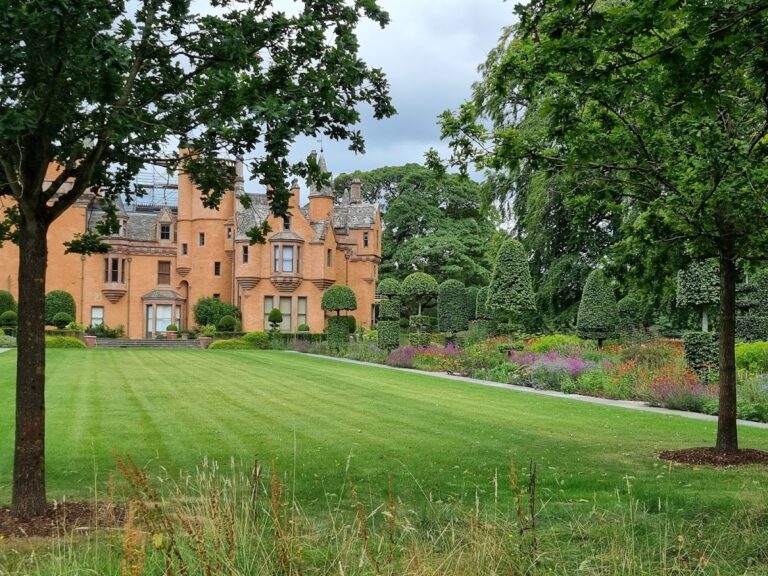
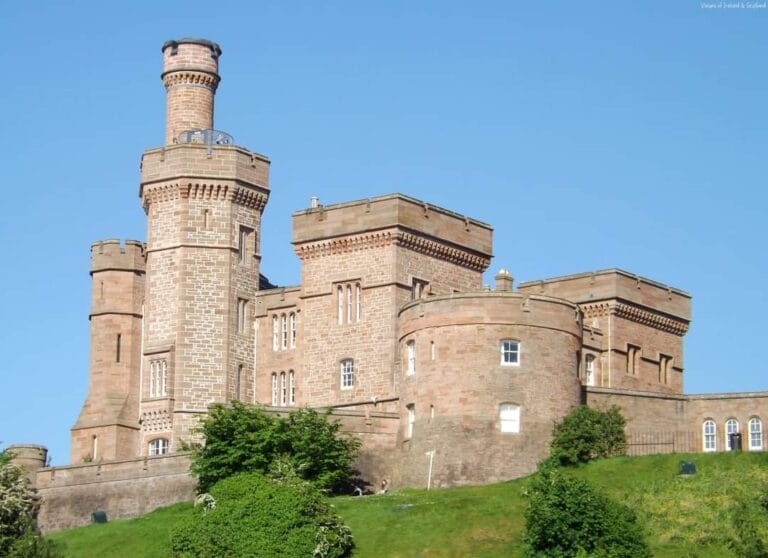
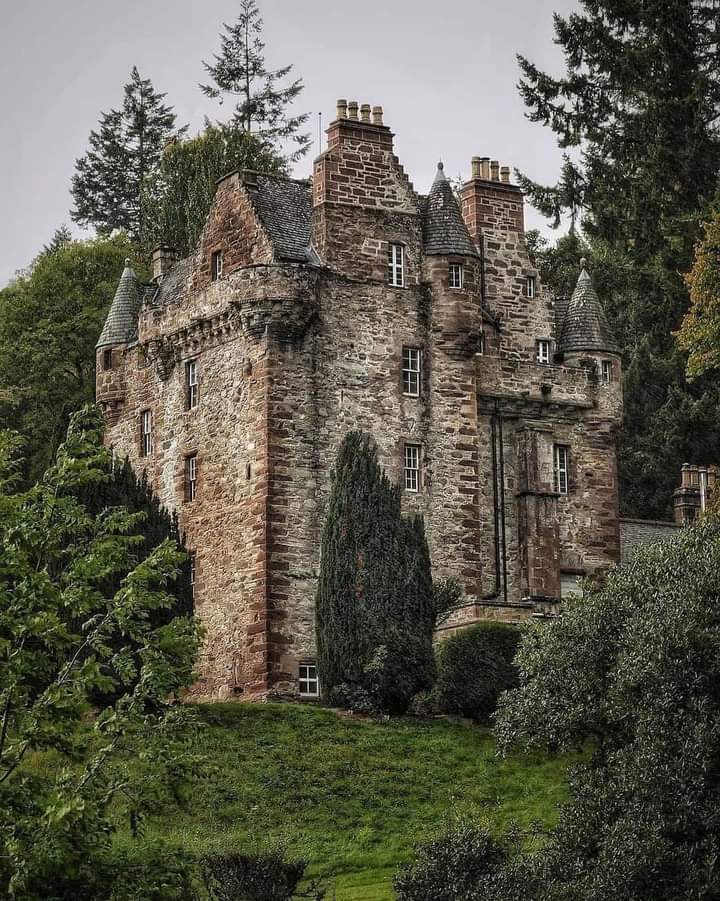
Beaufort Castle is a stone mansion near Beauly in the United Kingdom, built in 1880 in the Scottish Baronial style and incorporating part of an earlier house. A castle has occupied the site since the twelfth century, and Beaufort has traditionally served as the seat of the Lords Lovat and the chiefs of Clan Fraser of Lovat.
The medieval castle
The earliest recorded reference to the stronghold, then known as Dounie or Downie Castle, belongs to the reign of Alexander I, King of Scotland from 1106 to 1124. The castle was besieged during that period. The original building was constructed by the Byset family, passed to the Fentons in the late thirteenth century, and subsequently came into Fraser ownership. English forces besieged it again in 1303.
Destruction and the Jacobite era
Dounie Castle was attacked and burned in the 1650s by forces commanded by Oliver Cromwell, the English military and political leader whose army invaded Scotland during that decade. The Fraser estates later passed to Simon Fraser, 11th Lord Lovat, in 1699. Known as “The Fox,” Lovat became involved with the Jacobites, who supported restoring the exiled Stuart dynasty to the thrones of Scotland and England. He went into exile in France, joined James Stuart, converted to Catholicism, and spent ten years imprisoned in France after attempting to recruit Scottish nobles. He returned in 1714 and apparently renounced the Jacobite cause in exchange for possession of his estates.
In the 1740s, Lovat commissioned the Scottish architect William Adam to design a new house at Dounie. The project advanced only as far as the delivery of stonework, since construction did not begin before the Jacobite Rising of 1745. The rising ended with the Jacobite defeat at Culloden in 1746. Lovat subsequently supported the Jacobites, was captured and executed, and Dounie Castle was razed by the Duke of Cumberland, the British commander who defeated the Jacobites at Culloden. The estate was then declared forfeit.
Rebuilding the estate
From 1746, the Forfeited Estates Commissioners administered the property. Appointed by Parliament, they were responsible for disposing of estates confiscated after the Jacobite defeat. A small house for the estate factor was built on the site of the demolished castle. In 1774, the estate was returned to Lovat’s son, Simon Fraser of Lovat, who had raised and commanded the 78th Fraser Highlanders for the British Army. Proposals for a replacement house were prepared in 1777 but were not carried out.
Thomas Fraser of Strichen inherited the estate in 1815 and was reinstated as Lord Lovat in 1854. In 1839, he commissioned William Burn to extend the house and improve the grounds and estate. His son, Simon Fraser, 13th Lord Lovat, later commissioned the present Beaufort Castle from James Maitland Wardrop. Built in 1880, the mansion incorporated part of the eighteenth-century house.
Later ownership and protection
The 15th Lord Lovat sold Beaufort Castle in 1994 to Ann Gloag, a director of Stagecoach, to meet inheritance-tax liabilities. The sale was associated with debts estimated at £7 million. The grounds entered Scotland’s Inventory of Gardens and Designed Landscapes on 30 March 2003 under reference GDL00052, while the house is a Category A listed building.
Remains
Beaufort Castle is a stone mansion set on slightly elevated ground on the south side of the River Beauly. Its park extends to the southwest and east. The house follows the Scottish Baronial style, a nineteenth-century approach based on medieval and early-modern Scottish castle forms, with towers, fortified-looking elements, and asymmetrical compositions. It incorporates older work from the eighteenth-century house and contains a private Roman Catholic chapel.
Remains of Dounie Castle
The remains of Dounie Castle stand beside the mansion as a single surviving wall, measuring 11 metres in length and 1.5 metres in height. A plaque beside it identifies the structure as the ruin of Downie Castle, the former stronghold of the Frasers of Lovat. The plaque dates the castle’s construction to around 1400 and associates its destruction with the Duke of Cumberland after the Battle of Culloden.