Bärenburg: A Medieval Hilltop Castle in Switzerland
Site at a Glance
- Rating
- 3
- Popularity
- Very Low
- Country
- Switzerland
- Primary era
- Medieval
- Eras represented
- Medieval
- Civilizations
- Holy Roman Empire
- Site type
- Military
- Remains
- Castle
On this page8 sections
History
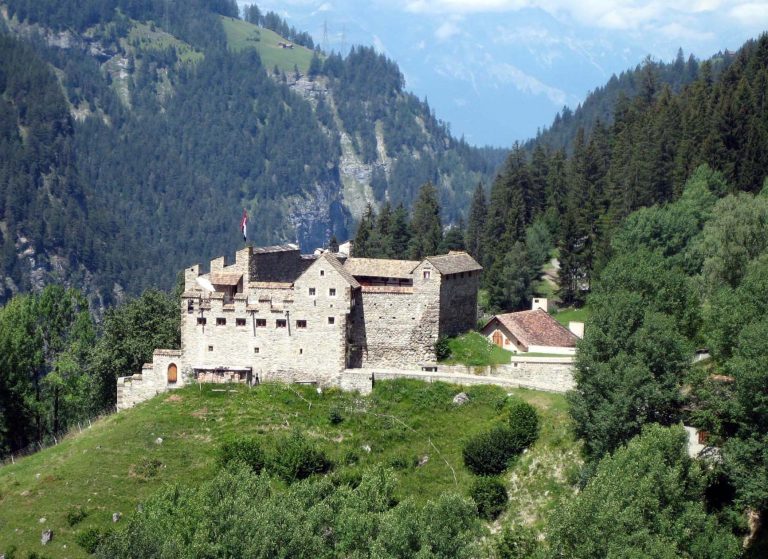
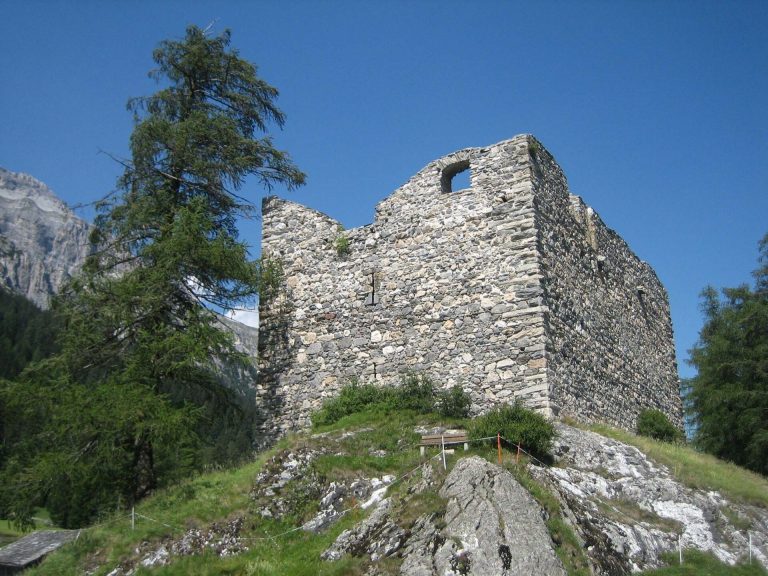
Bärenburg is a hilltop castle above the hamlet of Bärenburg, south of Andeer in Switzerland. Its construction date is unknown, but it is generally placed around 1200 to 1300. The castle was associated with the Lords of Bärenburg, a knightly family in Upper Raetia, the historical region around Chur in present-day Graubünden.
The Lords of Bärenburg
The brothers Konrad and Bartholomäus are the first members of the family recorded, in 1257. Konrad died in 1296, while Bartholomäus died in either 1290 or 1298. The family maintained close ties to the Prince-Bishopric of Chur, an ecclesiastical territory governed by the bishop. Its members probably held land from the bishop, served the Barons of Vaz as mounted retainers, or had both relationships.
Other family members include Simon, recorded from 1299 to 1337, his brother Bartholomäus, recorded from 1308 to 1325 with the later date uncertain, and Bertram, recorded in 1369 and dead by 1395. After the Barons of Vaz died out in 1338, the Bärenburg family also held fiefs, lands or rights granted under a lord’s authority, from the bishopric. A Chur register of fortifications listed the castle in 1410.
Demolition and the estate afterward
The male line of the Bärenburg family appears to have ended by 1424, after the last recorded mention of Symon, Bertram’s son. In 1443, the Lords of Werdenberg used the title lords of Bärenburg. Ursula von Vaz was married to Rudolf von Werdenberg.
During the Schams Feud, a fifteenth-century conflict associated with the valley, troops from Schwyz and Glarus occupied the castle. It was demolished in 1450, and rebuilding required the consent of the League of God’s House, one of the Three Leagues that formed the historical territory of Graubünden.
The Bärenburg estate continued after the castle’s destruction. In 1456, Parren von Patzen was described as a former castellan, and the Werdenbergs sold the lordship of Schams together with Obervaz to the League of God’s House. In 1472, dues from the people of Sufers that had gone to Bärenburg were redirected to Splügen Castle. Parren was described as residing at Bärenburg in 1480, and a farm there in Schams is noted in 1492. The castle also appears as the motif on Andeer’s coat of arms.
In the winter of 1977–78, a section of the eastern curtain wall, about 8 metres long, collapsed.
Remains
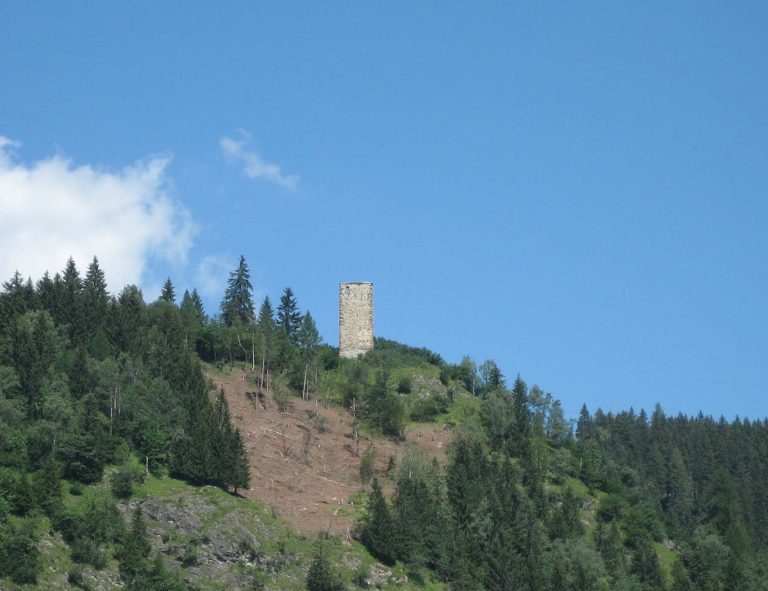
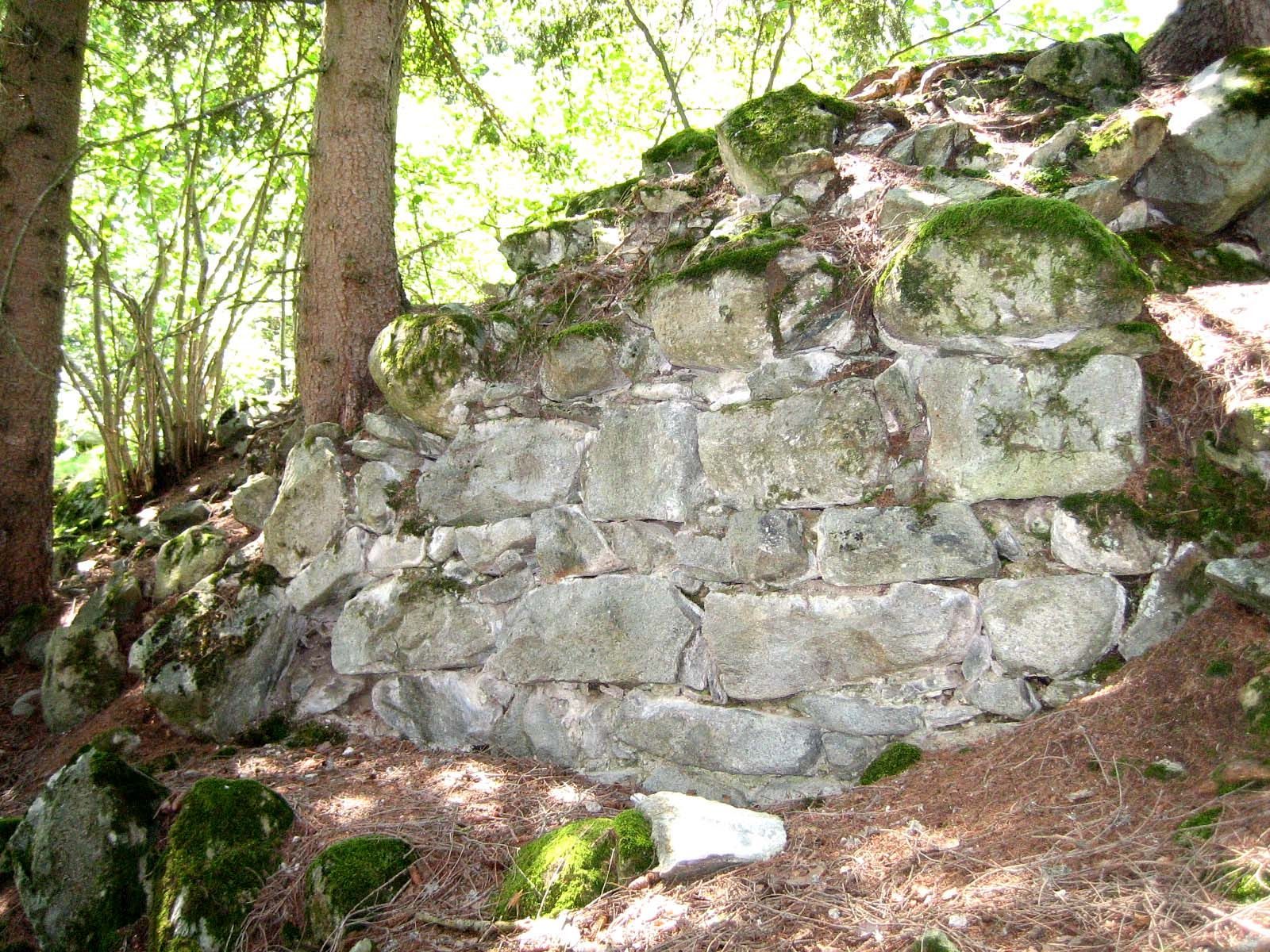
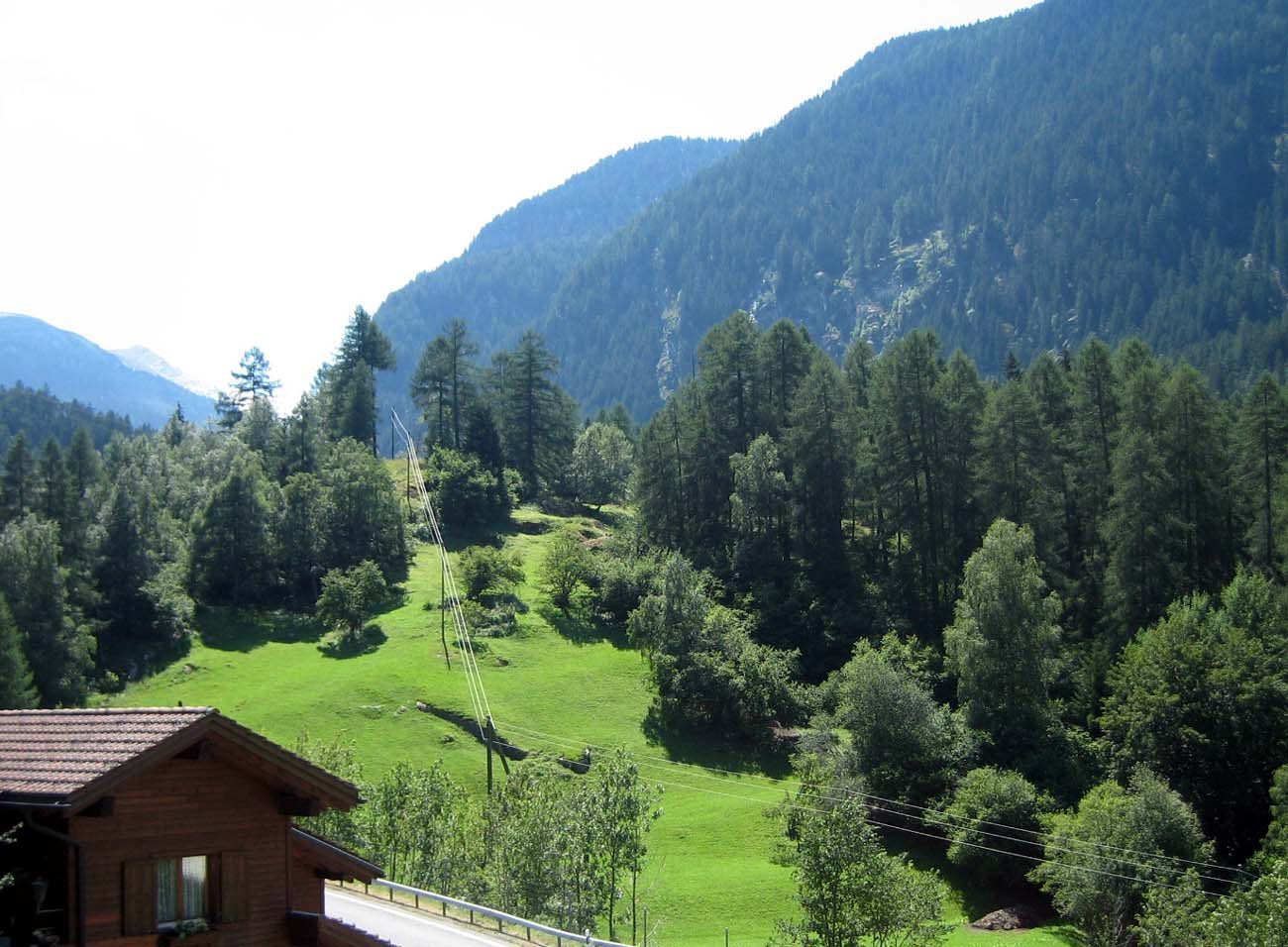
The ruins stand at about 1,100 metres above sea level on a wooded hill south of Andeer, above the hamlet of Bärenburg and the deeply cut Hinterrhein gorge. Rough-stone masonry and overgrown rubble survive, but the original layout is difficult to make out.
Castle layout
Enclosing walls and entrance
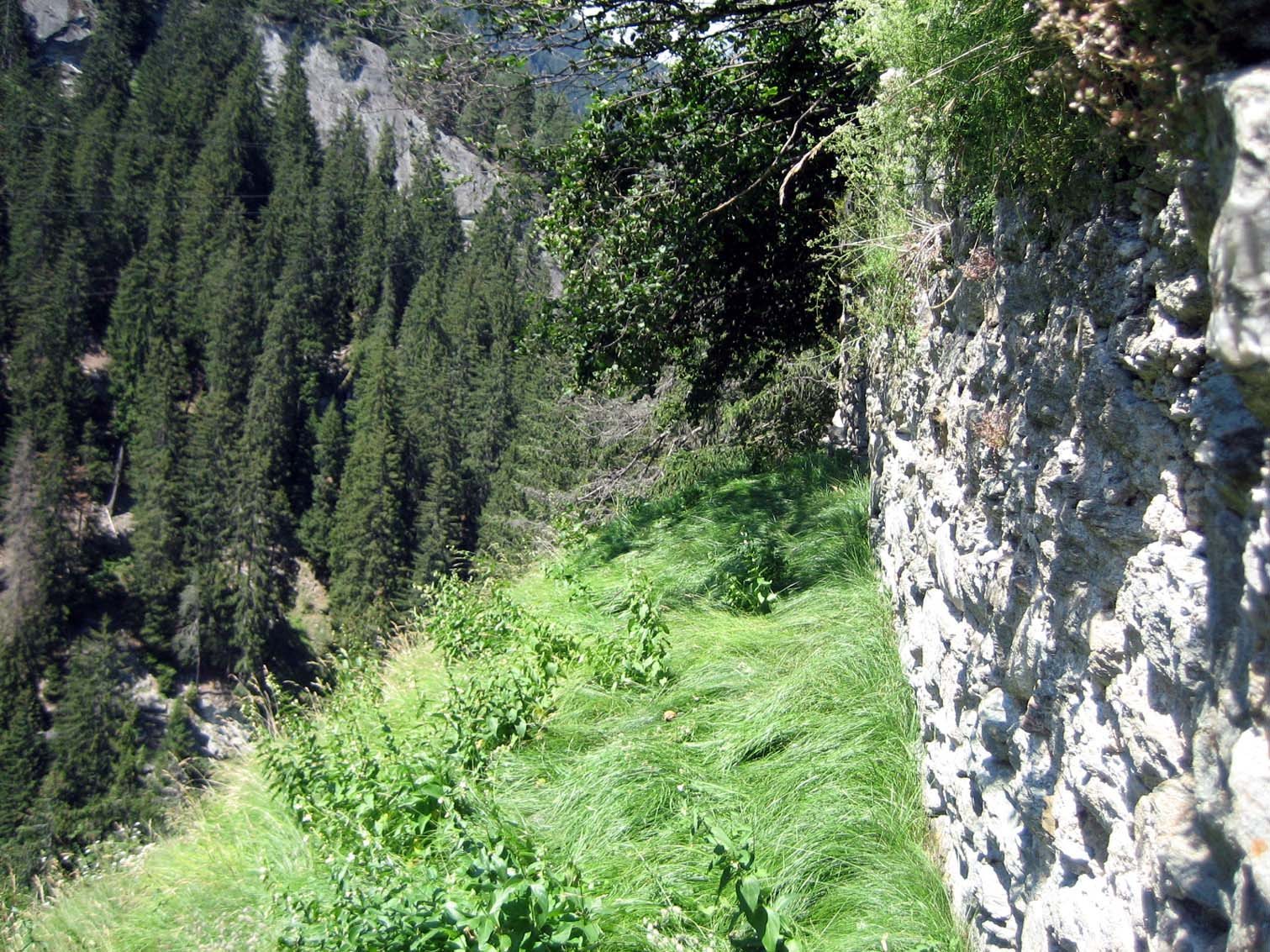
A wall about 1.6 metres thick once enclosed the fortress, and sections of it remain recognizable. The outer gate stood on the southwest side. A joint in the masonry shows that this part was added later. About 20 metres of an outer defensive wall survive on the west, closing the castle toward the gorge. Rubble also marks a collapsed section of the enclosure.
Buildings and towers
An elongated building, about 19 by 6 metres, stood on the western side. Foundations for a rectangular tower measuring 8.6 by 6 metres were found on the northern rocky spur, though they are now barely distinguishable. A rubble field in the southern part of the site may mark the position of a second tower.
Southern ditch
A ditch crosses the southern neck of the site. It may have been dug by people, but its origin is uncertain.