Archaeological Museum of Centuripe: A Museum of Sicilian and Roman Antiquity

Site at a Glance
- Rating
- 4.6
- Popularity
- Low
- Country
- Italy
- Primary era
- Classical
- External website
- Open
- Eras represented
- Classical
- Civilizations
- Ancient Greek, Roman
- Site type
- Museum
On this page17 sections
History
The Archaeological Museum of Centuripe in Centuripe, Italy, presents the history of the city from its earliest settlement to its destruction through approximately 3,000 archaeological objects. Founded institutionally in 1920 as the Civic Museum, it preserves material from a territory inhabited almost continuously since about 5000 BC and is regarded as holding the largest collection of Roman archaeological finds in inland Sicily.
Early settlement and Hellenization
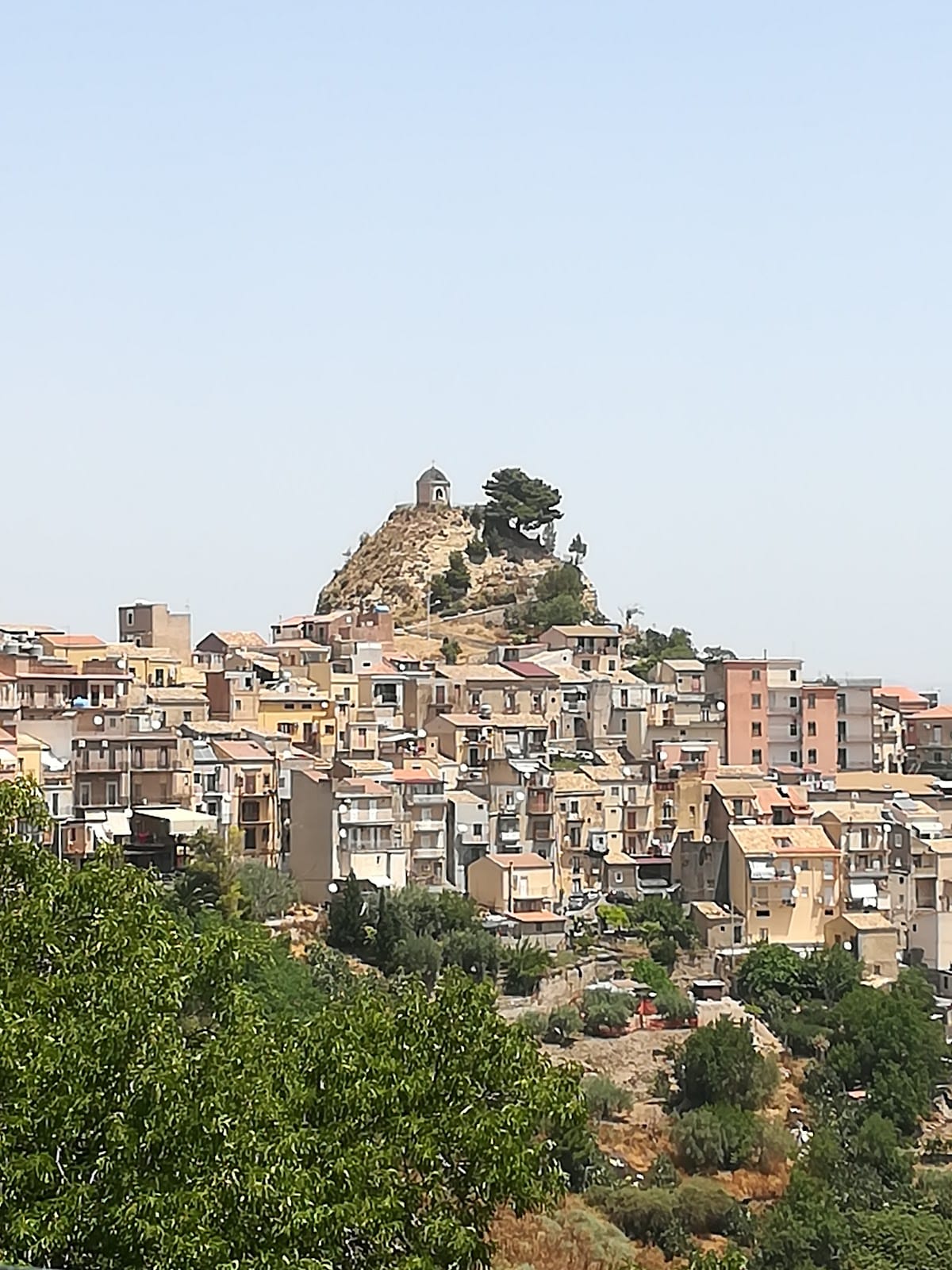
Centuripe stands on a mountainous relief between Enna and Catania. Its watercourses, especially the Simeto River, supported settlement and activity, since the river was navigable in antiquity. The Sicels, an ancient people associated with eastern and inland Sicily, lived in the area through an economy based partly on agriculture and pastoralism.
The Sicels later clashed with Greek communities, particularly during the rule of the tyrants of Syracuse, whose governments were led by powerful individual rulers. Centuripe was destroyed twice and subsequently underwent Hellenization, adopting the Greek language and commercial practices. The city’s later artistic and funerary traditions preserve evidence of this transformation.
Alliance with Rome and imperial prosperity
In 263 BC, Centuripe formed an alliance with Rome. The agreement brought the city tax exemptions and considerable autonomy. Under Roman rule, Centuripe reached its greatest prosperity. During the periods associated with Augustus and Hadrian, it expanded and acquired monumental tombs, a forum, and the Augusteum, a building associated with the worship and commemoration of Augustus and the imperial cult.
The population during this period has been estimated at up to 12,000 inhabitants. The museum stands near the Augusteum and other archaeological areas connected with the Roman city. Its collections also preserve evidence of the city’s economic activities, sculpture, funerary customs, and locally produced Hellenistic art.
Formation of the museum collection
Archaeological excavations in the early twentieth century prompted the municipality to assemble a collection during the 1920s. It included objects from early investigations by the University of Catania and finds whose precise archaeological contexts were not known. The Civic Museum was first housed in the former municipal building.
In 1956, the municipal administration led by Mayor Scarlata approved a new museum building in a panoramic position overlooking Mount Etna and the Simeto Valley. Construction advanced slowly and then stopped for many years. Work resumed in the 1980s under a new project by the architect Franco Minissi, and the completed building opened in December 2000.
Reorganization and continuing archaeological issues
The museum closed again about ten years later for safety reasons. It reopened in 2024 with a larger and more modern installation. The former civic collection was combined with finds from excavations carried out by the Superintendency from 1968 onward. The museum operates under the Regional Polo of Piazza Armerina, Aidone, and Enna within the Superintendency for Cultural and Environmental Heritage of Enna.
Centuripe’s artistic and funerary heritage has been affected by the removal of finds by foreign archaeologists and looters, as well as by illicit excavation and the manufacture of archaeological forgeries. The museum addresses this history through material connected with illegal digging and local counterfeit production. For some families, skills once used in making forgeries later became the basis for lawful craft production.
An inscribed object discovered by chance in a woman’s house had been used to crush olives. It was confiscated when an illicit excavator tried to sell it. The inscription describes a diplomatic journey by three ambassadors from Centuripe to Rome and then to Lanuvium, undertaken to renew an ancient alliance based on a blood relationship. The friendship between the two cities is commemorated each year in a ceremony and may represent the oldest still-active twinning.
Centuripe’s archaeological history also extends beyond objects held locally. A fifth-century BC askos, a small ancient vessel suited to pouring liquids, found at Centuripe carries the longest known inscription in the Sicel script and is now in Karlsruhe, Germany. Much of the city’s coroplastic production, meaning molded or modeled terracotta art, is held at the Paolo Orsi Regional Archaeological Museum in Syracuse.
Remains
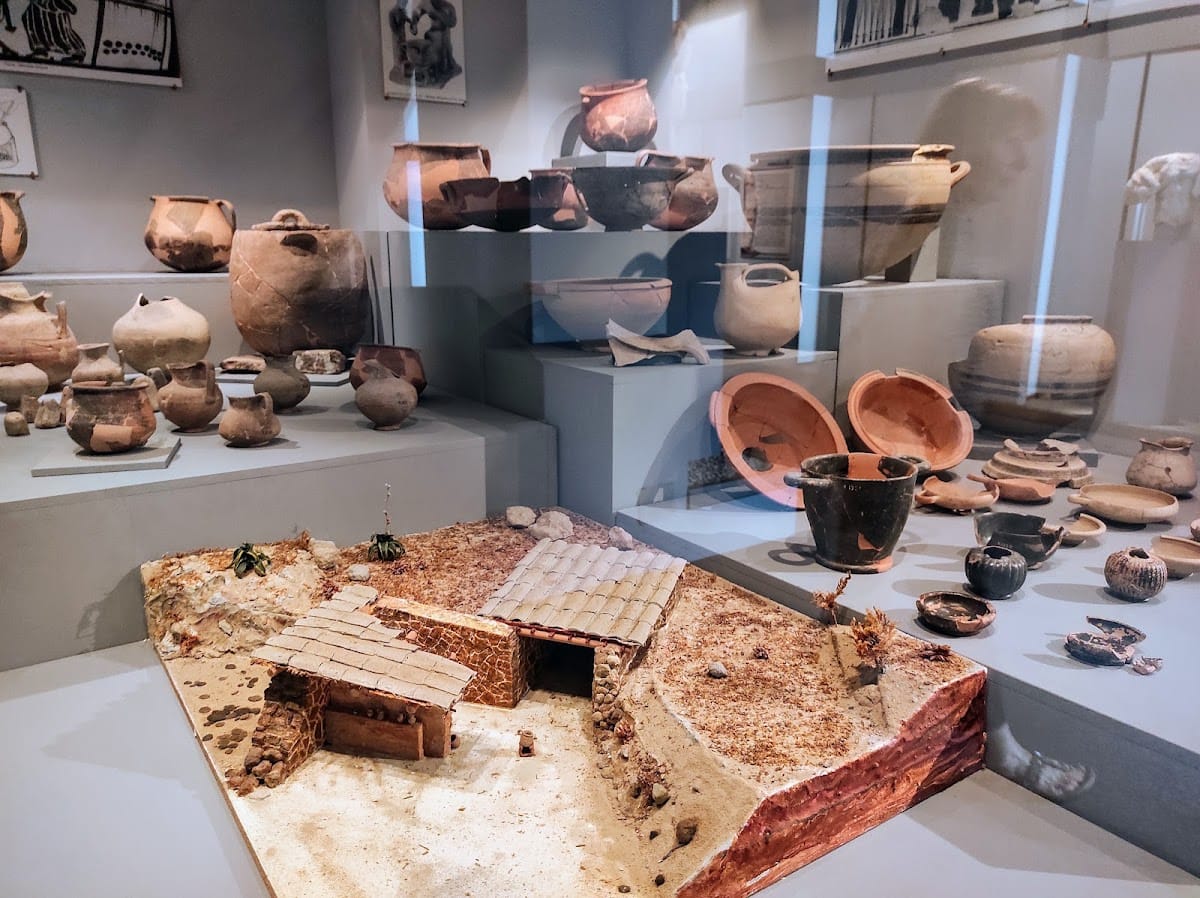
The museum occupies a large building arranged on several levels, with an outlook toward Mount Etna and the Simeto Valley. Its first level combines evidence from habitation areas and economic activity with Roman sculpture and Hellenistic terracottas. The second level is organized around a necropolis, funerary equipment, and burial customs, while the mezzanine contains material from the old municipal collection and objects associated with illicit excavation. The third level is reserved for temporary exhibitions.
Roman sculpture and the Augusteum
Augusteum sculpture
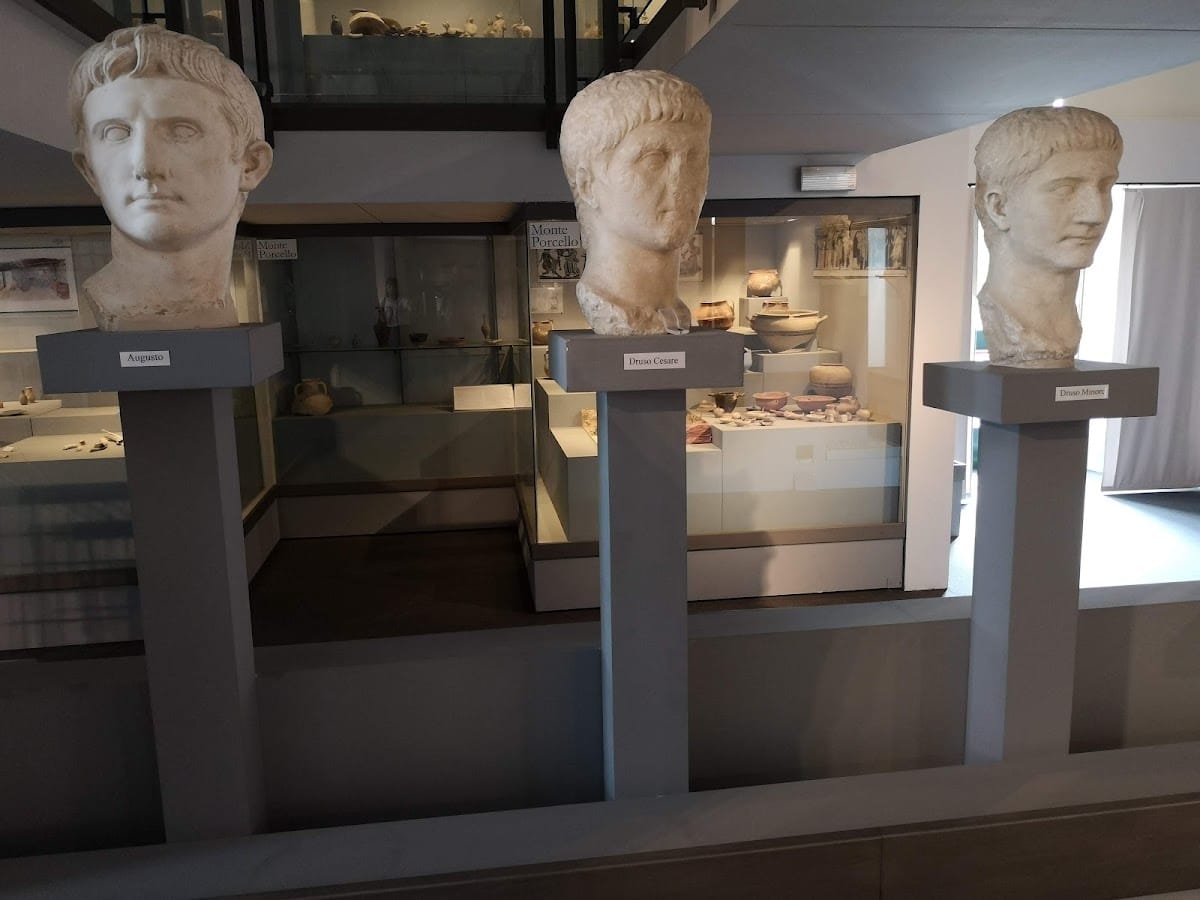
The central space of the first level is devoted to the Augusteum, or Augustales complex. Sculptures from the building represent emperors and members of the imperial family. Among them is an exceptional marble cuirassed torso, probably depicting Augustus. The displays also include a headless cuirassed bust probably of Augustus and a reconstruction of the Augusteum complex.
Imperial portraits
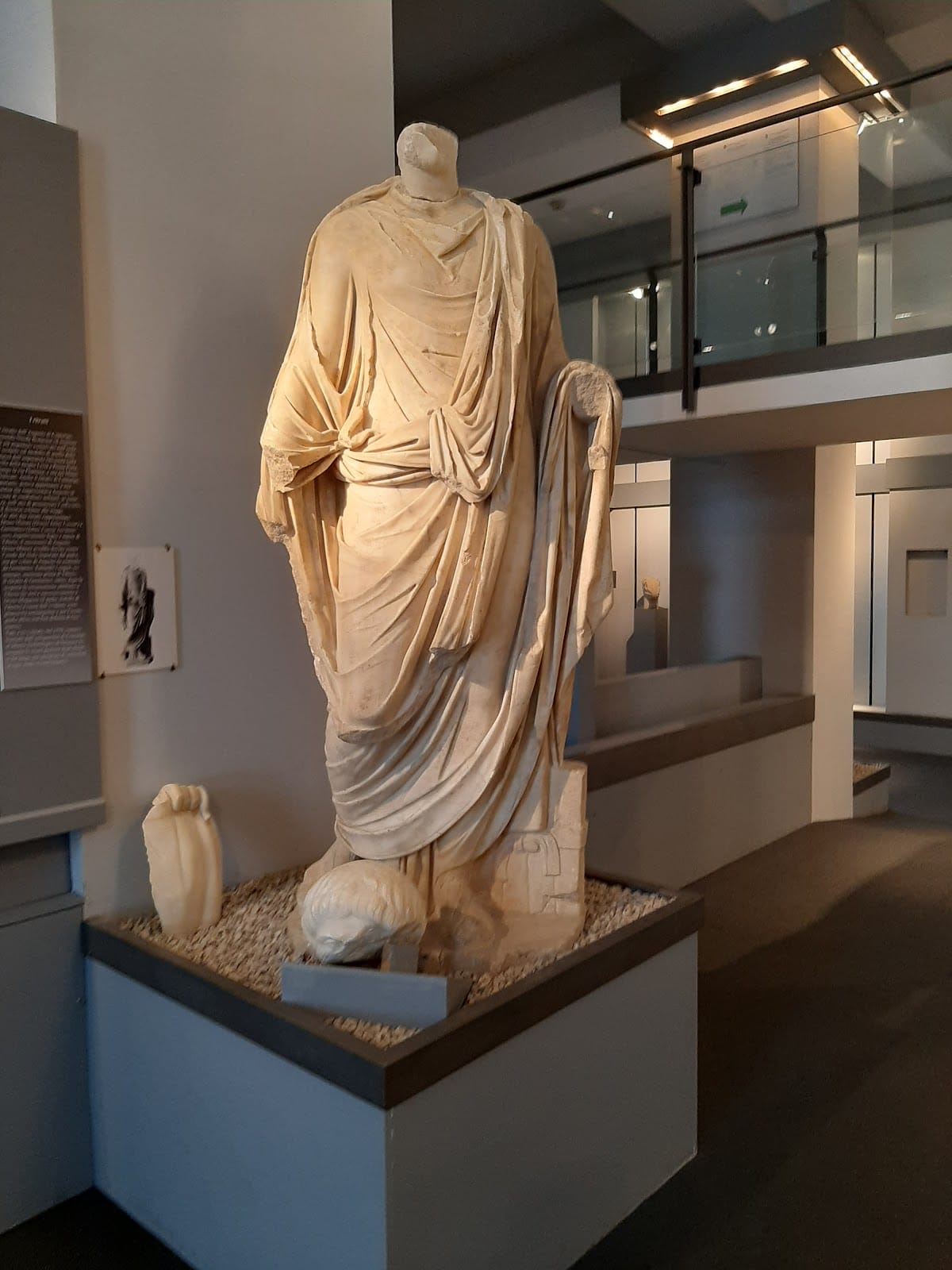
A colossal head of Emperor Hadrian, dating to the second century, was found in the Difesa district. Roman portraits of Germanicus and Drusus the Younger are also displayed. Another sculpture is a headless female figure whose elaborate drapery envelops the body, while two headless statues represent members of the Pompeii Falcones, an important local family.
A colossal head of Augustus was discovered during road works in 1938. Regarded as one of the finest representations of the emperor, it remained in Centuripe for one year before being transferred to the Paolo Orsi Museum in Syracuse. It returned to Centuripe in 2021 for display there through 2026. Its highly idealized form draws on the Augustus of Prima Porta and has been compared stylistically with the neoclassical sculpture of Antonio Canova.
Hellenistic terracottas and painted vessels
Theatrical masks and figurines
The first level contains locally made Hellenistic terracottas, including theatrical masks and figurines from Centuripe. Paolo Orsi found the masks during excavations in the early twentieth century. They form the second-largest group of such masks in Sicily after those of Lipari. Proposed uses for the masks include frightening spirits, funerary rites, and providing models for actual theatrical masks. Some show faces with African or eastern features.
The figurines depict women in carefully arranged drapery, men engaged in everyday activities, deities, and mythological figures. Their quality has led to comparisons between Centuripe and Tanagra, a well-known Greek center of terracotta production. A statuette of Demeter, the Greek goddess associated with agriculture, grain, fertility, and the agricultural cycle, was found in a Hellenistic settlement and is included among the museum’s displays.
Centuripe vases
Centuripe vases were produced between the third and second centuries BC. Relief decoration and tempera paintings applied after firing show Dionysiac and female scenes. These vessels served as dowry objects or were placed with the dead. Examples are held outside the museum, including one in the Metropolitan Museum of Art in New York.
Necropolis and funerary material
Burials and grave goods
The second level contains material from a necropolis used between the fourth and second centuries BC. Among the finds is a cup incised with the name “Artemonos.” A small jug contained chamomile and may have been used by the deceased during life. Funerary decorations, female figures, Centuripe lekanides, or lidded Greek and Hellenistic vessels, and kraters, large vessels traditionally used for mixing wine and water, form part of the same presentation.
Columbaria
Several columbaria are displayed in the museum. A columbarium is a funerary installation containing niches for cremation urns. The examples from Centuripe bear the names of the deceased and were generally placed in family tombs. They are unusually numerous for Sicily, where such installations were traditionally uncommon.
Collections from excavations and illegal digging
The mezzanine brings together objects from the old municipal collection, including material without excavation data, with a repertory of forged objects and items recovered from illegal excavations. This arrangement connects the museum’s early collecting history with the later archaeological work that added material from controlled excavations.
Rock paintings of the Centuripe area
Rock paintings from the Riparo Cassataro are preserved in the Centuripe area. They depict animals, humans, and possibly dancers involved in fertility rites. Some of the paintings are described as exceptionally well preserved.