Araki Shrine: An Ancient Shinto Shrine in Takayama, Japan


Site at a Glance
- Rating
- 4.3
- Popularity
- Very Low
- Country
- Japan
- Primary era
- Medieval
- External website
- Open
- Eras represented
- Stone Age, Medieval
- Civilizations
- Ashikaga shogunate, Jomon
- Site type
- Religious
- Remains
- Sanctuary
On this page10 sections
History
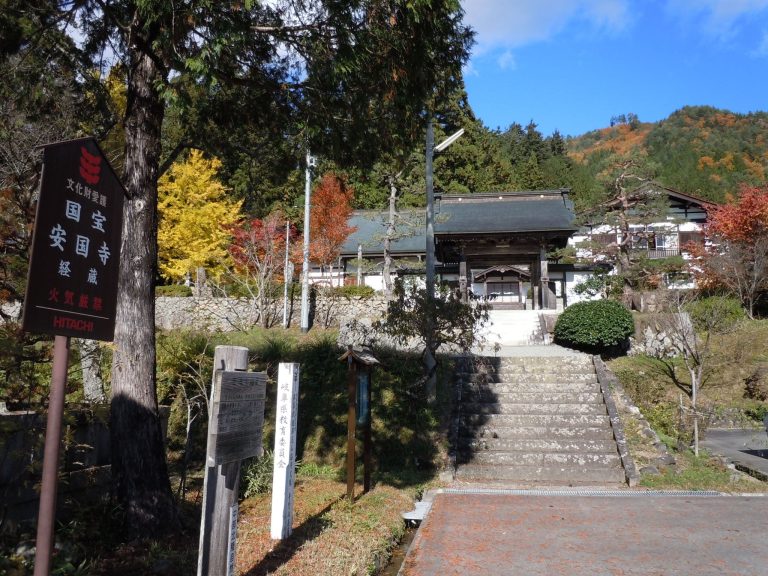
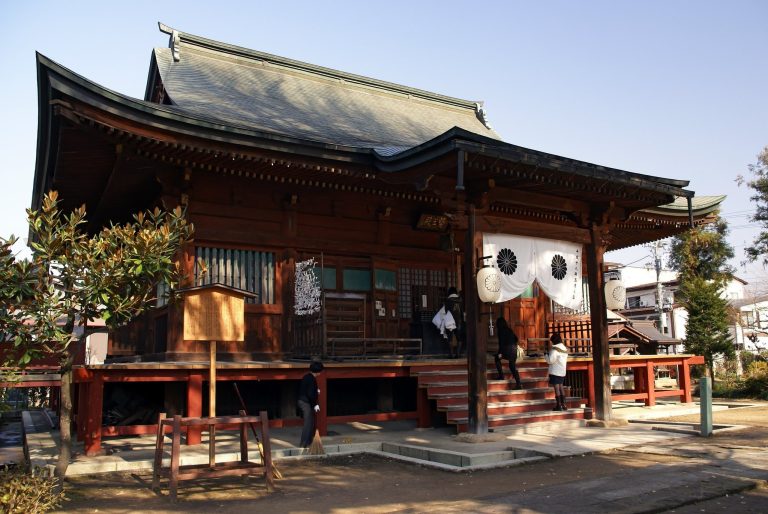
Araki Shrine is a Shinto shrine in Takayama, Gifu Prefecture, Japan. Its surviving main hall dates to 1390 and represents the traditional nagare-zukuri style of shrine architecture. The shrine is one of the eight shrines of Hida Province listed in the Engishiki, an early tenth-century Japanese court compilation containing regulations and a register of officially recognized shrines. Its principal deity is Ōaraki no Mikoto.
Early recognition
The foundation date of Araki Shrine is not known. Its shrine register describes its establishment as reaching back to ancient times, while the Nihon Sandai Jitsuroku records that the Araki deity of Hida Province received the rank of Junior Fifth Rank on October 5, 867. This record places the shrine within the recognized religious and administrative world of ancient Hida.
Names and modern status
From the Muromachi period onward, the shrine was known as Kahaku Daimyojin. Investigation during the Bunka era of the Edo period identified it with Araki Shrine, restoring the connection between the later name and the shrine listed in the Engishiki.
Araki Shrine was formerly classified as a prefectural shrine. On July 1, 1952, it received Kinpeisha designation, a formal status within modern Shinto administration associated with recognition by the Gifu Prefectural Association of Shinto Shrines. Its archaeological remains are designated a historic site of Gifu Prefecture, and the shrine’s grounds and cedar-dominated vegetation became a Green Environment Conservation Region on September 30, 1977.
The shrine’s autumn festival was traditionally held on September 7. Since 2016, it has taken place on the first Sunday of September and includes the Araki Shrine kane-uchi and lion dance. This performance is designated an Important Intangible Cultural Property of Gifu Prefecture. In 2016, the main hall also became part of the Japan Heritage group “The Skills and Spirit of Hida Artisans: Medieval Buddhist and Shinto Architecture in the Kokufu Basin.”
Remains
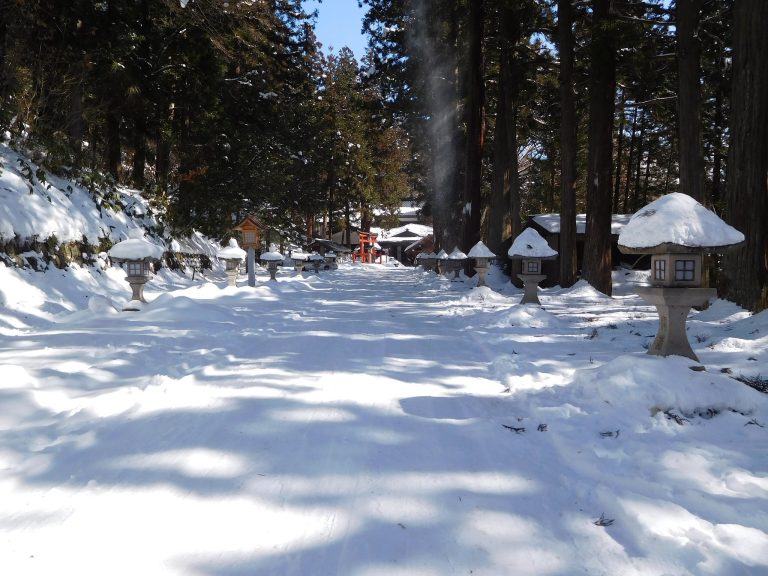
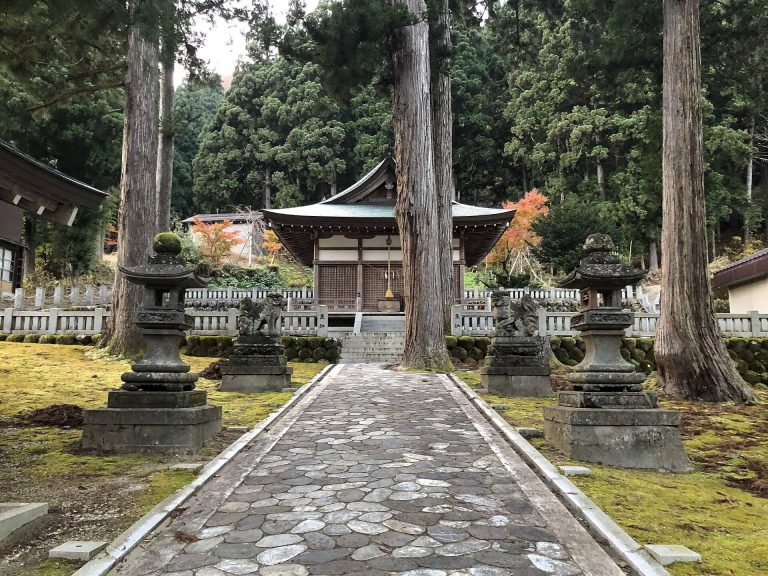
Araki Shrine stands within a wooded green area dominated by Japanese cedars. The grounds contain both the surviving shrine buildings and the Araki Shrine archaeological site, where evidence of much earlier settlement has been recovered.
Main hall
Fourteenth-century sanctuary
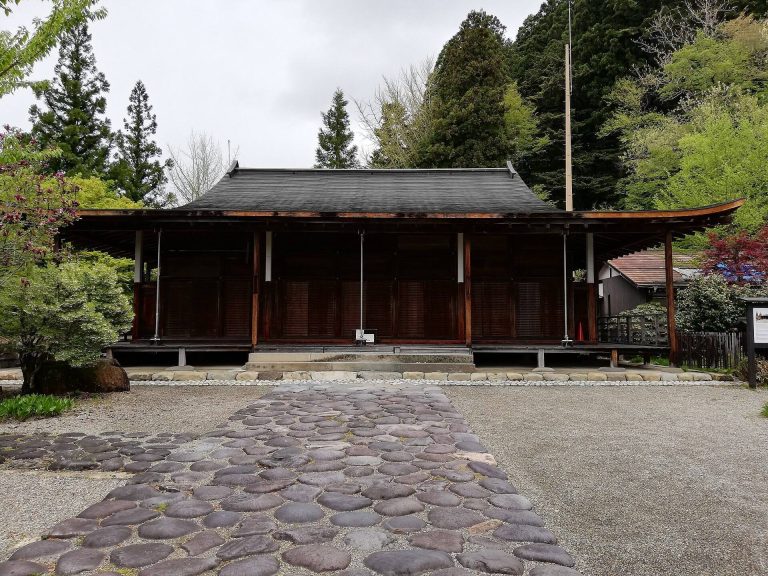
The current main hall was built in 1390. It is a three-bay building in nagare-zukuri, a Shinto style in which the front slope of a gabled roof extends forward to create a covered entrance. The hall has a wooden-shingle roof and forms the principal architectural remains of the shrine.
Legal protection and ridge plaques
In 1909, the main hall was designated a specially protected building under the Ancient Shrines and Temples Preservation Law. It was later treated as a national treasure under the National Treasure Preservation Law and became an Important Cultural Property under the current legal system. Seven ridge plaques associated with the hall were added to its Important Cultural Property designation in 1963.
Archaeological site
Jomon-period dwellings
The archaeological site within the shrine grounds includes four dwelling remains from the Jomon period. The Jomon period was a prehistoric era of the Japanese archipelago, conventionally dated from about 14,000 to 300 BCE and associated with hunter-gatherer communities and cord-marked pottery. Middle-to-Late Jomon pottery from the site provides material evidence for settlement long before the surviving shrine hall was built.
Stone tools
Stone tools recovered at Araki Shrine include chipped stone axes, stone arrowheads, polished stone axes, stone knives, stone crowns, and stone slabs. Together with the dwelling remains and pottery, these objects form an archaeological record of prehistoric activity beneath the later sacred grounds.