Aquincum Mithraeum: A Roman Sanctuary of Mithras in Hungary
Site at a Glance
- Rating
- 5
- Popularity
- Very Low
- Country
- Hungary
- Primary era
- Classical
- Eras represented
- Classical
- Civilizations
- Roman
- Site type
- Religious
- Remains
- Mithraeum
On this page6 sections
History
The Aquincum Mithraeum is a Roman sanctuary of Mithras at Aquincum in Hungary. Mithras was a Roman deity worshipped in a mystery cult, and a Mithraeum was a sanctuary for that worship. The shrine was one of six identified at Aquincum, a Roman frontier settlement within the limes, the empire’s defended border system. Aquincum also included a castrum, a military fort or camp.
The sanctuary occupied part of a large residence near the ancient city’s center. The residence is attributed to Marcus Antonius Victorinus, whose name is also associated with the shrine, sometimes called Mithraeum II of Aquincum or the Mithraeum of Marcus Antonius Victorinus.
Excavations uncovered the Mithraeum in 1888. Its remains were later extensively restored and consolidated for display.
Remains
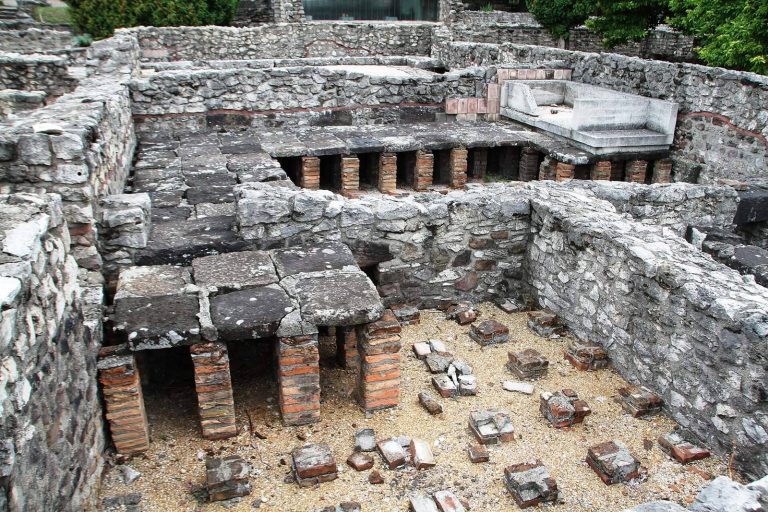
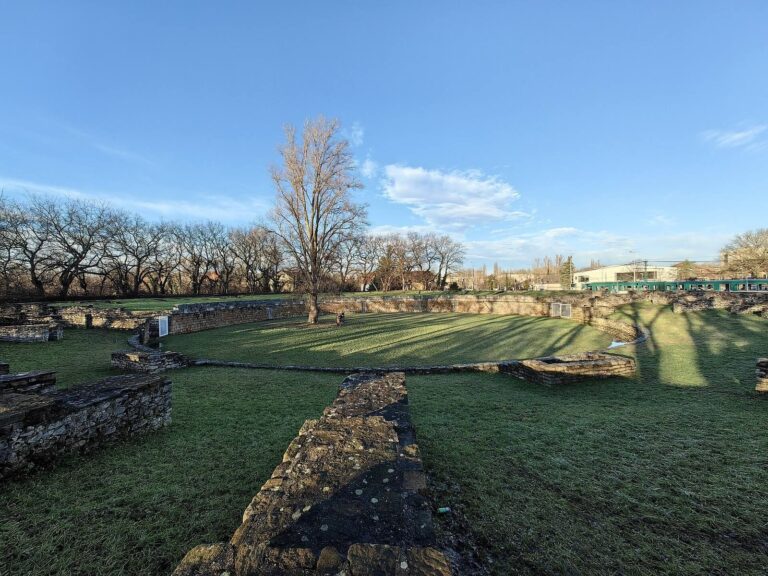
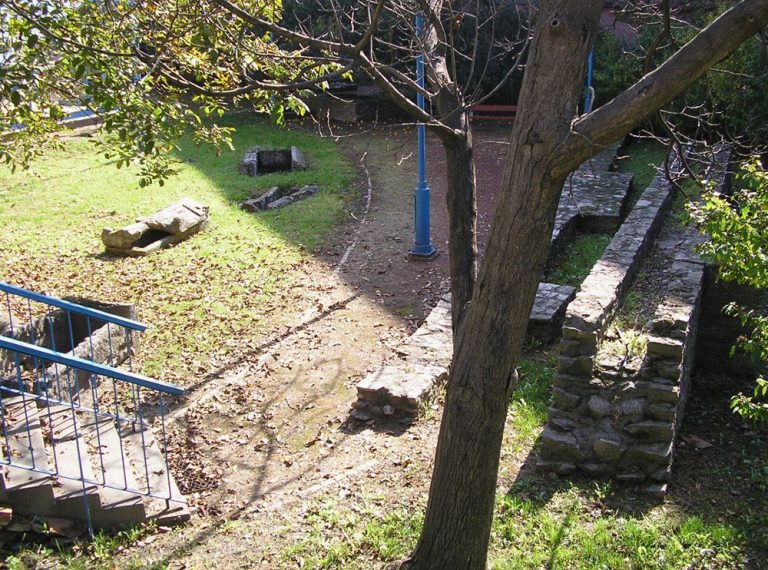
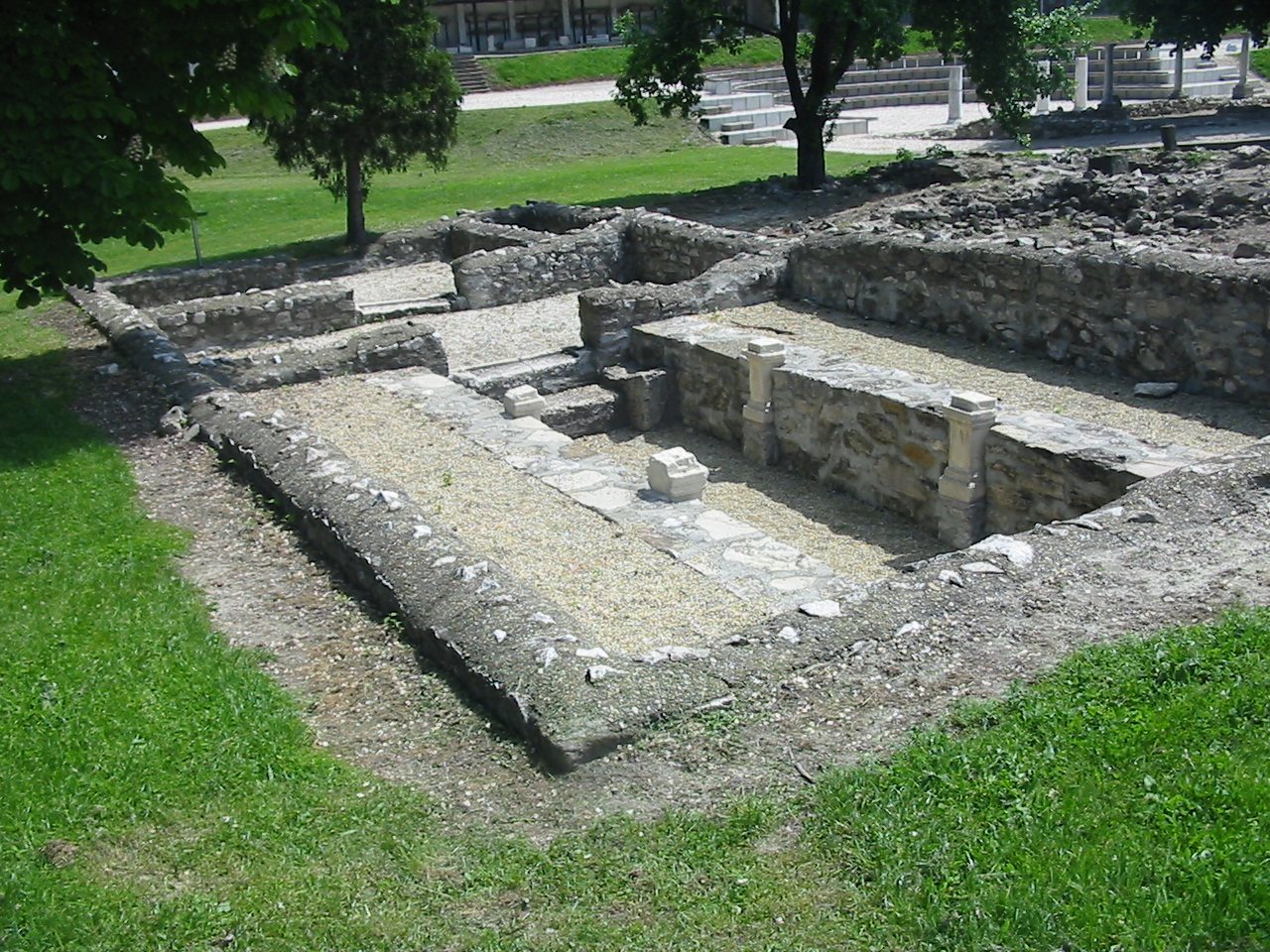
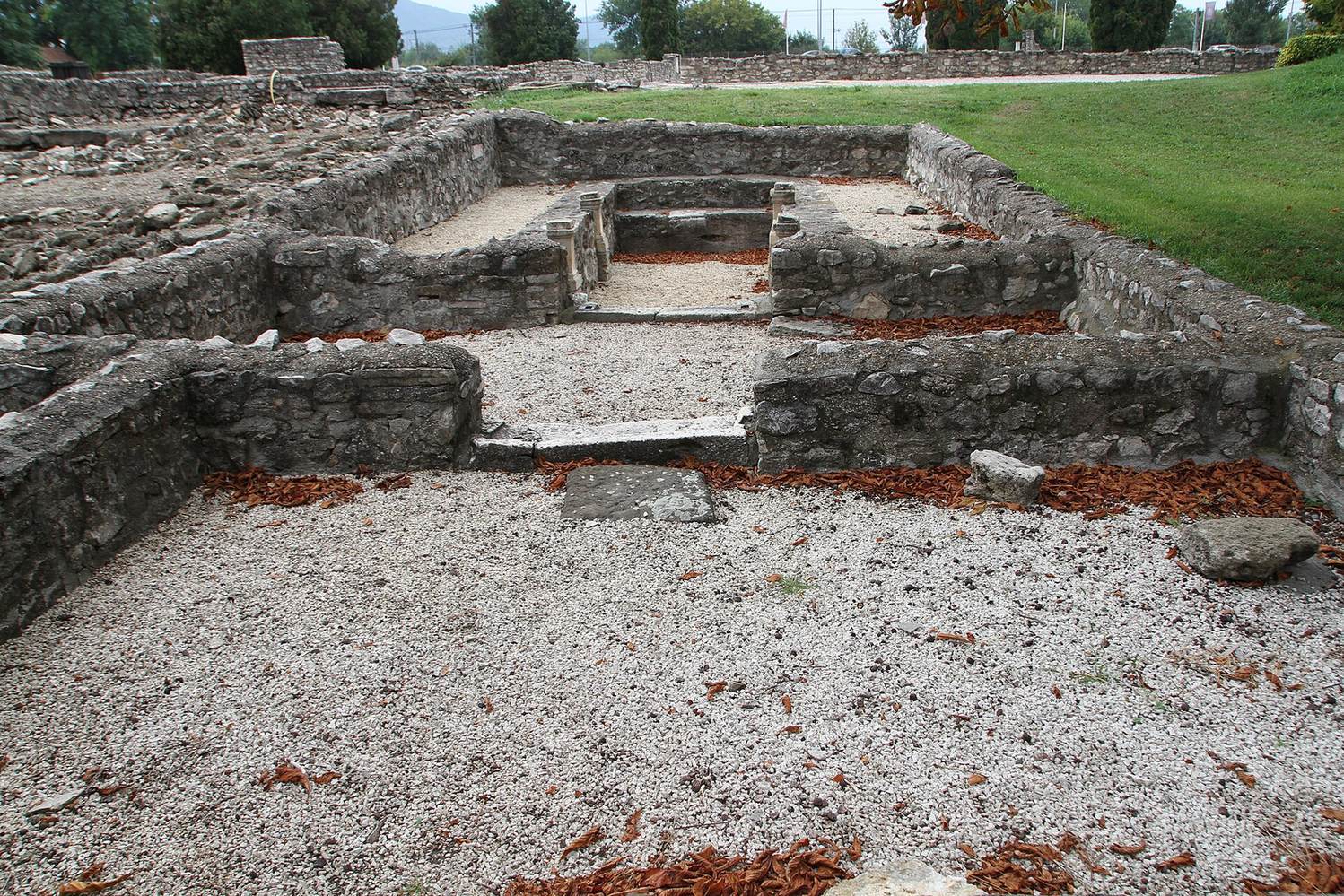
The north–south-oriented sanctuary measured about 7 m by 15 m and lay roughly 2 m below ground level. Steps led down to two anterooms and the main sanctuary.
Rooms and sanctuary plan
Room A measured 4.75 by 2.90 m and was interpreted as a shrine to Mercury. On its west side, Room B measured 0.85 by 2.90 m. The middle room, Room C, was 5.90 by 3 m and probably served as an entrance vestibule. The main sanctuary had a central aisle about 2.18 m wide, set 1 m below ground level, with benches on either side where initiates could recline during ceremonies. Steps descended from the entrance to the aisle, while smaller steps beside its lowest step gave access to the higher benches.
Cult images and altars
Images of Mithras
A fragment of a tauroctony, the characteristic image of Mithras killing a bull, was found in the sanctuary. It would have stood on a large stone base at the south end. Two limestone reliefs, each 0.98 by 0.55 m, show Mithras emerging from a rock encircled by a serpent. In one relief he appears to mid-thigh, holding a raised torch and a dagger; in the other he emerges nearly to the knees with both objects raised in his hands.
Altars and inscriptions
A pair of small altars, each 0.65 m high and 0.30 m wide, stood slightly recessed along the fronts of the benches. Their inscriptions include dedications to Cautes and Cautopates, torch-bearing figures associated with Mithraic worship, and identify Marcus Antonius Victorinus as a decurion (town council member) and aedile (municipal magistrate). Another inscription dedicates an altar to a “lasting spring,” while a fragment preserves part of a dedication and the same civic offices. The remains lie in Aquincum Archaeological Park, immediately south of the Aquincum Museum. The tauroctony fragment and an altar are displayed in the eastern wing of the lapidarium, a display area for stone monuments, at the park’s northern edge; the Victorinus altars remain in their original positions.