Zichy Palace, Óbuda: An Eighteenth-Century Residence and Cultural Center
Site at a Glance
- Popularity
- Medium
- Country
- Hungary
- Primary era
- Early Modern
- Eras represented
- Early Modern
- Civilizations
- Habsburg, Habsburg Austria, Hungarian
- Site type
- Domestic
- Remains
- Elite Residence
On this page6 sections
History
Construction as a noble residence
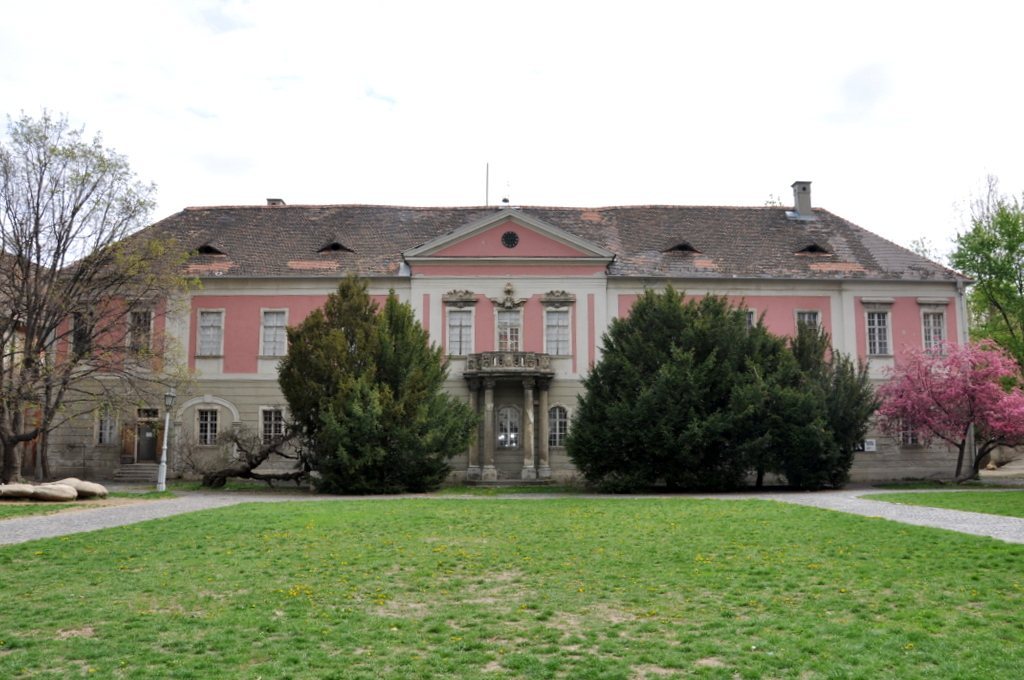
Zichy Palace is a Baroque residence in Óbuda, a district of Budapest, Hungary, built between 1746 and 1757. After Ottoman forces withdrew in the late seventeenth century, Óbuda’s old town passed into the possession of the Zichy family, Hungarian nobles. Count Miklós Zichy commissioned the palace, and architect Henrik János Jäger designed it.
War damage and later use
The palace suffered severe damage during the Second World War. Postwar restoration continued until 1974, and later work repaired parts of the palace and its service wings. In 2008, restoration was still incomplete, with some areas requiring further repairs.
The former residence later became a cultural center, with the palace and its service buildings used by museums.
Remains
Palace and service buildings
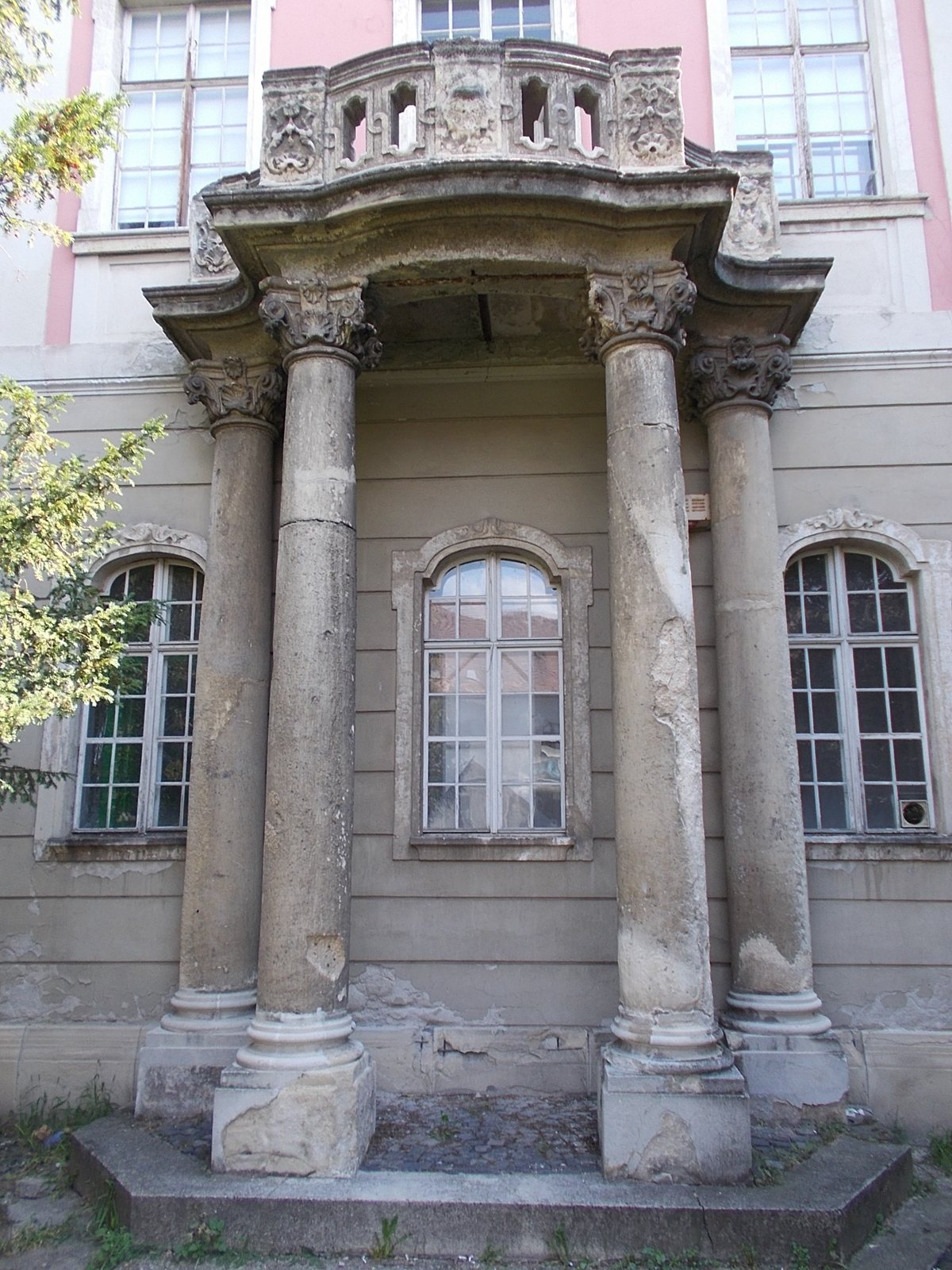
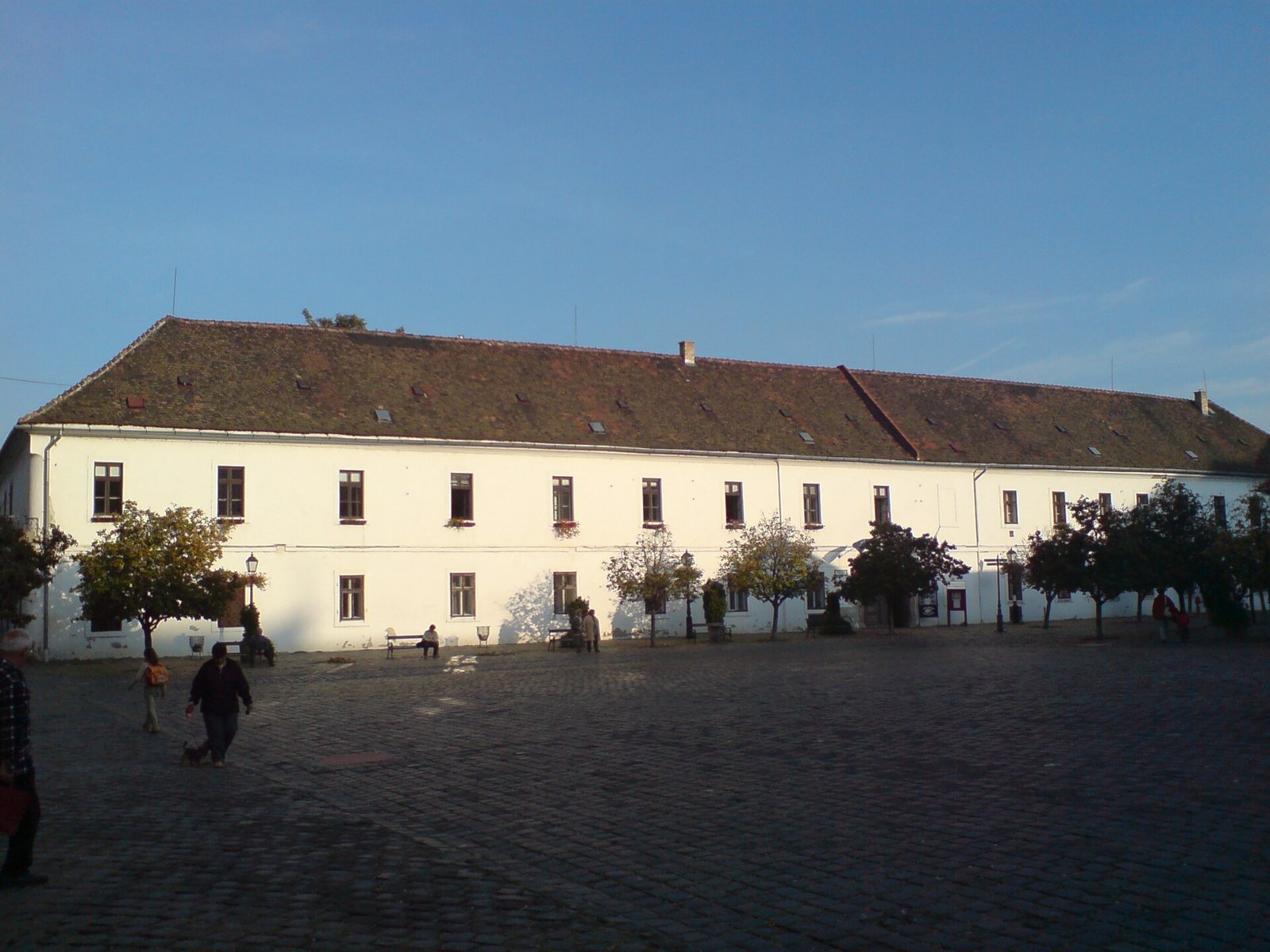
Set among the remains of Óbuda’s old town, the palace is a plain, two-storey Baroque building with thirteen bays, or vertical divisions of the façade. Its main entrance façade faces east, toward a side branch of the Danube. On the west, a large gate and service-building complex extends around three sides of the palace. Later construction has diminished the effect of the façade, and parts of it are overgrown. Frescoes decorate both the main building and the chapel.
Museums and collections
The palace and service buildings house the Kassák Museum, the Vasarely Museum and the Óbuda Museum. The Kassák Museum presents the work of artist and poet Lajos Kassák, including an exhibition tracing his work from 1915 to 1967 and a permanent exhibition on twentieth-century Hungarian art. The Vasarely Museum is devoted to painter and graphic artist Victor Vasarely. The Óbuda Museum occupies a service-building wing and focuses on local history, with collections spanning the Roman period to the twentieth century. Its holdings include wrought-iron decorations from houses in old Óbuda and interiors from the Art Nouveau period.