St Martin’s Church, Stamford: An Anglican Parish Church
Site at a Glance
- Rating
- 4.5
- Popularity
- Medium
- Country
- United Kingdom
- Primary era
- Medieval
- Eras represented
- Medieval, Modern
- Civilizations
- British, English
- Site type
- Religious
- Remains
- Church
On this page13 sections
History
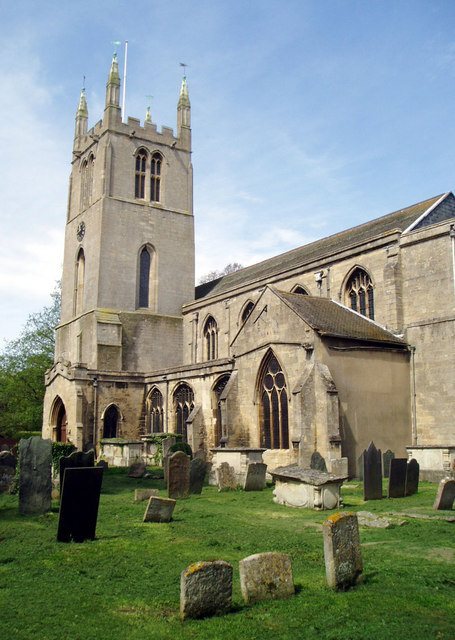
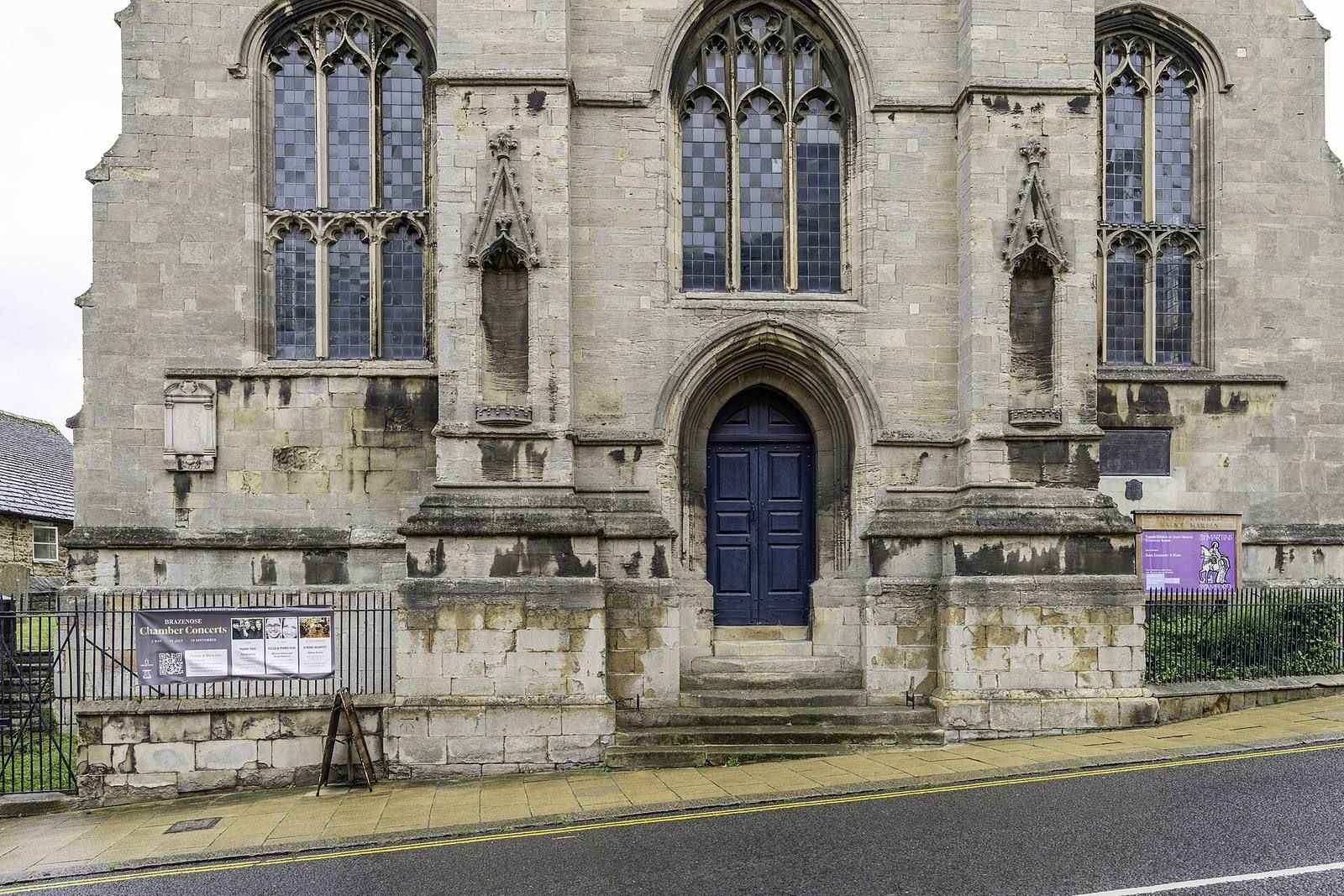
St Martin’s Church, Stamford, is an Anglican parish church in the United Kingdom, south of the River Welland in an area historically called Stamford Baron or St Martin’s. Martin de Vecti, also known as Martin de Bec, founded the first church here between 1133 and 1147 while serving as abbot of Peterborough, and dedicated it to Saint Martin of Tours, a fourth-century Christian bishop widely venerated as a saint. The church was rebuilt in 1482–1485 in the Perpendicular style, a late English Gothic style noted for its strong vertical emphasis. The district belonged to Northamptonshire until 1889. Today the church belongs to the Church of England’s Diocese of Lincoln and the parish of St Martin’s Without; its Broad Church tradition is associated with an inclusive approach to Anglican doctrine and worship. It is Grade I listed, England’s highest listed-building category, reserved for buildings of exceptional interest.
Medieval rebuilding
The church may have suffered damage in 1461 during the Wars of the Roses, the dynastic conflict between the houses of Lancaster and York. By 1473 it was apparently in a ruinous condition. Rebuilding followed, and the work was completed in 1485.
Burials and later alterations
Dutch portrait painter William Wissing was buried in the churchyard in 1687. Daniel Lambert, known in Britain for his exceptional size, was buried in a detached part of it in 1809.
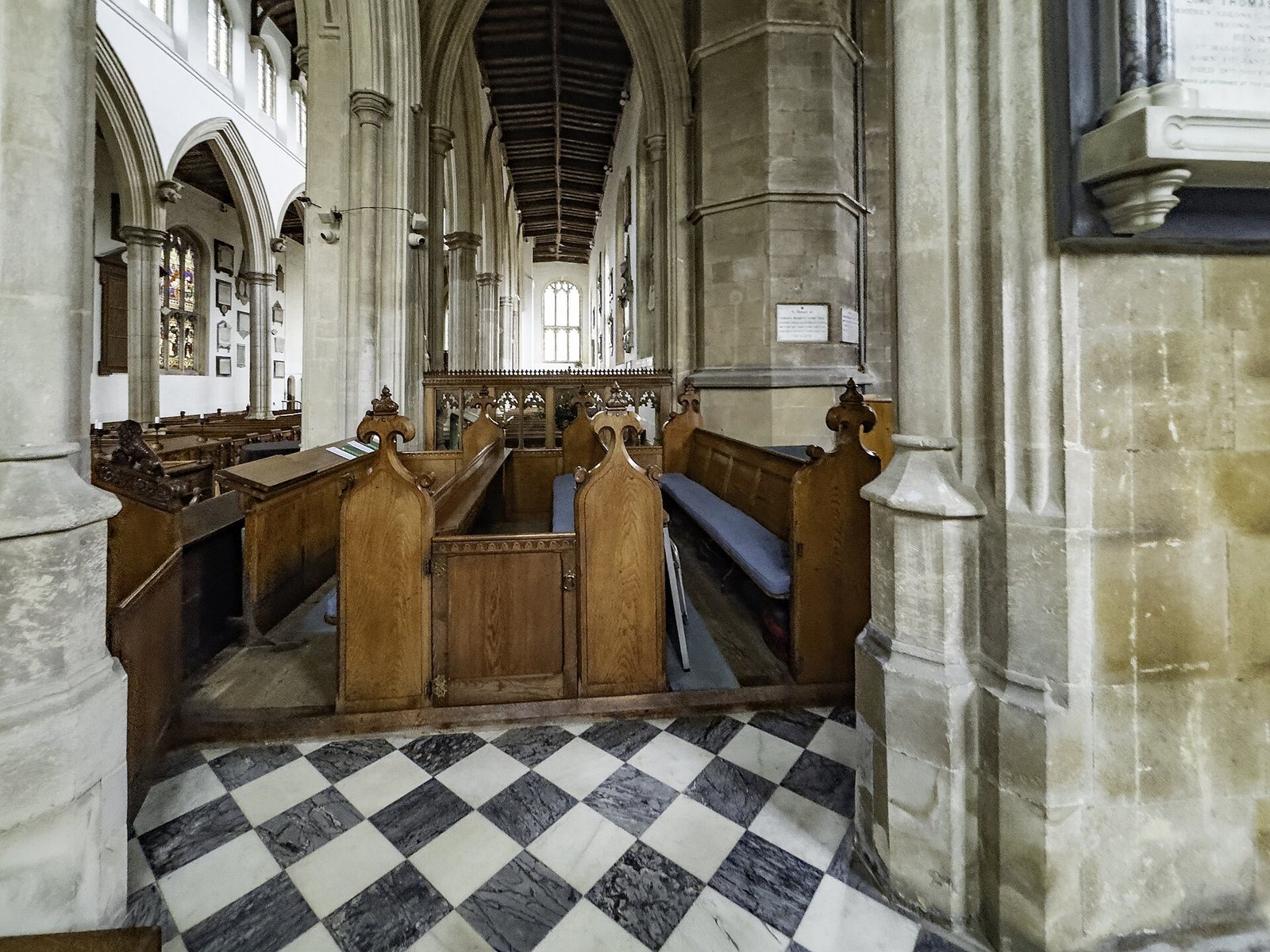
Edward Browning reordered the church in 1843, changing its interior arrangement. The Cecil Chapel was extended northward in 1865. Nineteenth-century work also included a new nave roof and a lowered floor. New choir stalls and an altar were installed in 1894, paid for by a general parish subscription.
Additions in the 1920s and 1930s included a screen and pulpit with carvings by Mahomet Thomas Phillips, made while he was working at Bowman & Sons.
Remains
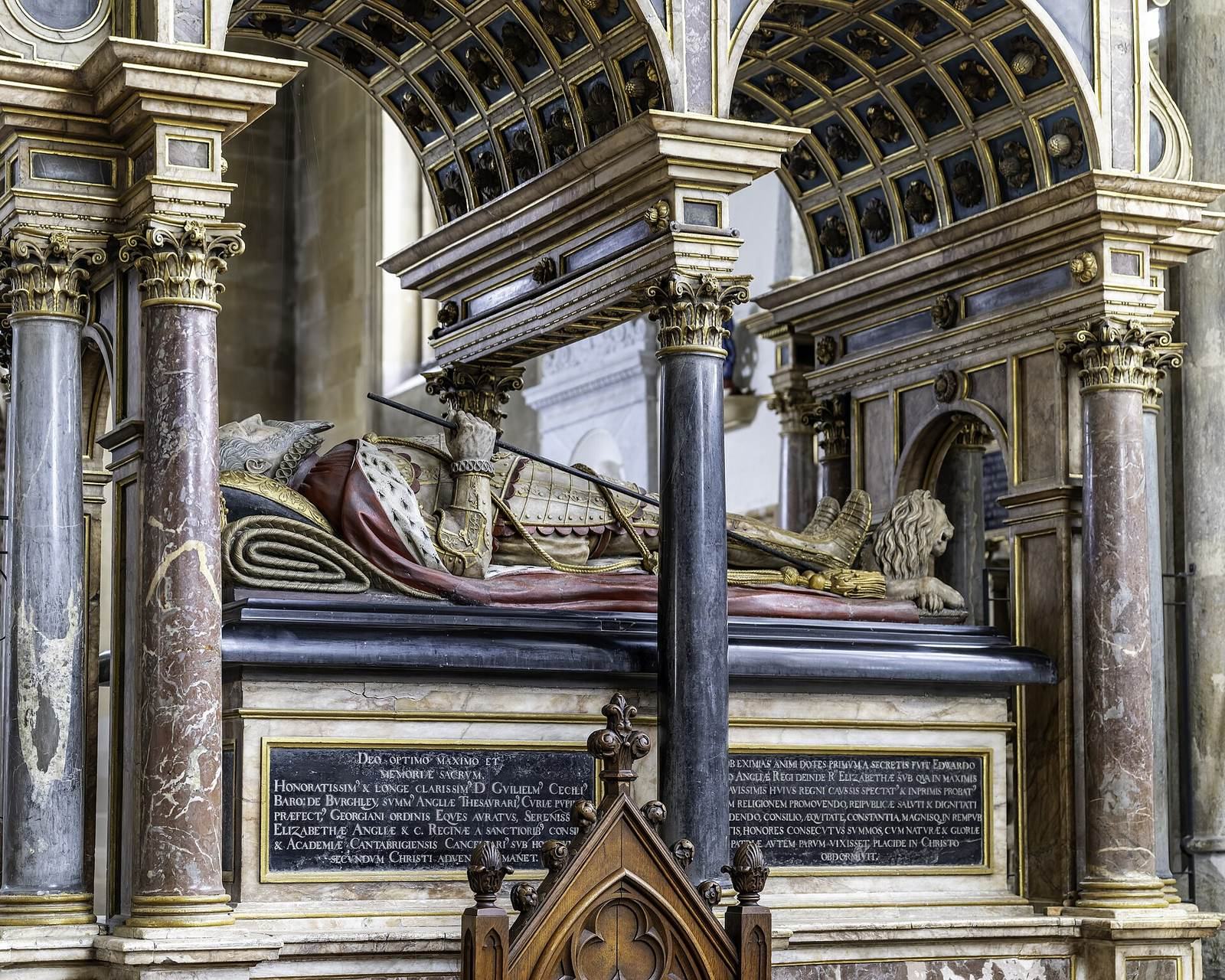
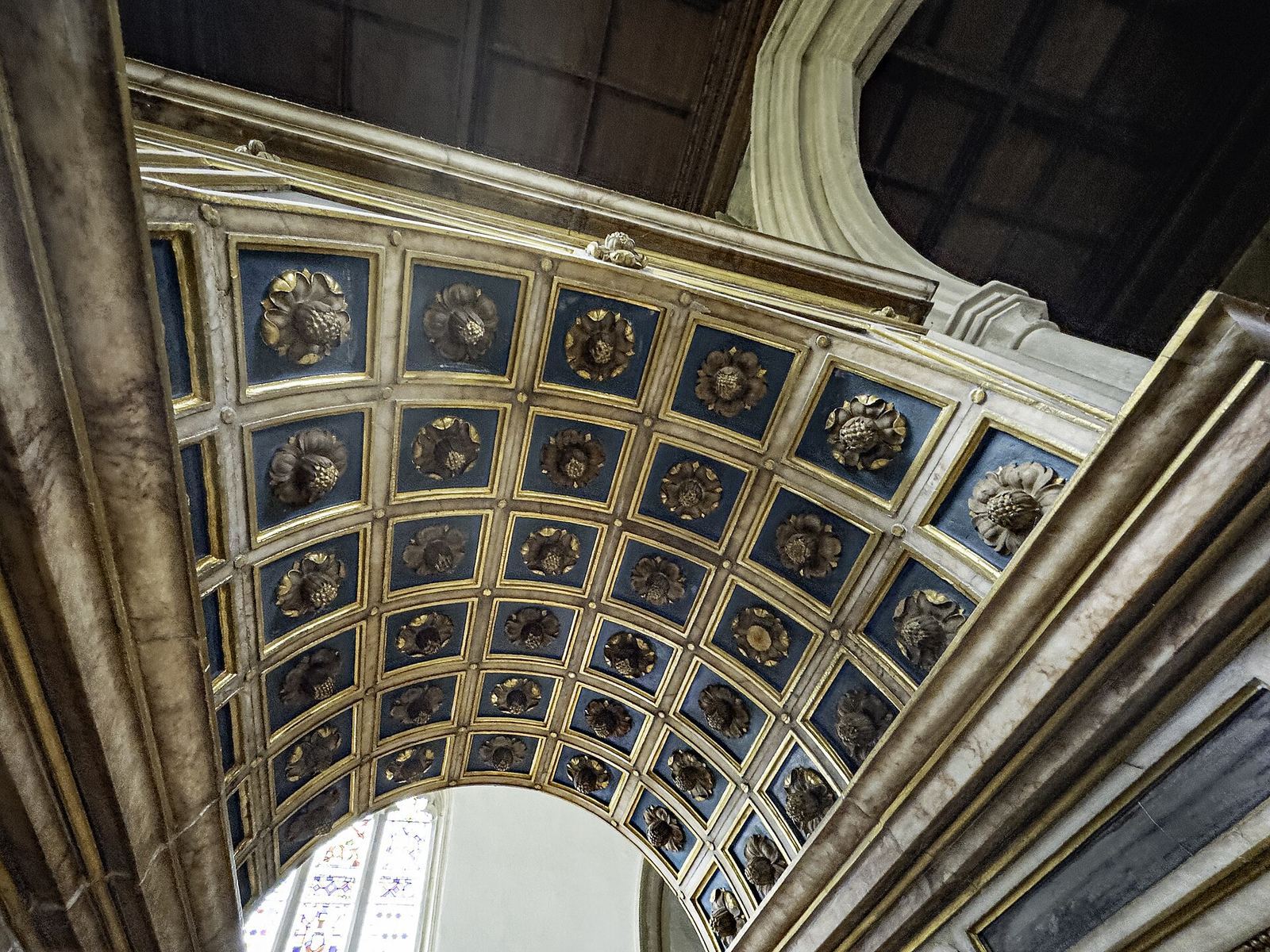
The church’s surviving features combine its Perpendicular design with later furnishings and commemorative works. The identified parts include the tower and the northward-extended Cecil Chapel, which contains tombs of the Cecil family, a prominent English noble family.
Architecture and furnishings
Cecil Chapel
The Cecil Chapel forms a northward extension of the church. Its tombs commemorate members of the Cecil family.
Medieval glass
Most of the church’s medieval coloured glass came from the Church of the Holy Trinity at Tattershall. The Earl of Exeter acquired it for St Martin’s in 1754.
Tower bells
The tower holds six bells, all cast in 1850 by Charles and George Mears. The largest and lowest-pitched, known as the tenor, weighs 1,505 pounds (683 kilograms).
Organ
Before 1890, the organ stood in a gallery at the church’s west end and had two keyboards and 14 stops, controls for sets of pipes. The Bevington organ was dedicated on 23 May 1890. At the service, Haydn Keeton, organist of Peterborough Cathedral, played, and Haydon Hare gave an afternoon recital.
Memorials
Early memorials
Memorials commemorate Sir Richard Cecil (d. 1555) and William Cecil, 1st Baron Burghley (d. 1598), a leading minister to Elizabeth I. They also include one to William Wissing (d. 1687) and a memorial to John Cecil, 5th Earl of Exeter (d. 1700), made by Pierre-Étienne Monnot.
Nineteenth-century memorials
Memorials to Edward Henry Cecil (d. 1862) and Henry Poyntz Cecil (d. 1858) were made by Giovanni Maria Benzoni. Others commemorate Brownlow Cecil, 2nd Marquess of Exeter (d. 1867), and his wife Isabella (d. 1879), as well as Lord Thomas Cecil (d. 1873), whose memorial was made by Millward & Co of London. Further memorials honour statesman and prime minister Benjamin Disraeli, 1st Earl of Beaconsfield (d. 1881), Thomas Cooper Goodrich (d. 1885), and Adelbert Percy Cecil (d. 1889).
Later Cecil memorials
Later memorials commemorate William Cecil, 3rd Marquess of Exeter (d. 1895), and his wife Georgiana Sophia Pakenham (d. 1909), and Brownlow Cecil, 4th Marquess of Exeter (d. 1898), and his wife Isabella Whichcote (d. 1917). A memorial to William Cecil, 5th Marquess of Exeter (d. 1956), and his wife Myra Rowena Sibell (d. 1973) was made by Bowman & Sons in Ketton stone.
Other Cecil memorials honour David Cecil, 6th Marquess of Exeter (d. 1981), his first wife Mary Theresa (d. 1984), and his second wife Diana Mary (d. 1982). William Martin Alleyne, 7th Marquess of Exeter (d. 1988), is also commemorated.