Apuolė: A Curonian Hillfort and Fortified Settlement in Lithuania
Site at a Glance
- Popularity
- Medium
- Country
- Lithuania
- Primary era
- Classical
- Eras represented
- Classical
- Civilizations
- Unclassified
- Site type
- Military
- Remains
- Fort
On this page5 sections
History
Apuolė is a fortified settlement of the Curonians, a Baltic people, in the Lithuanian village that bears its name. Its earliest known written mention concerns events in 854, and it is regarded as the oldest settlement in Lithuania named in written records.
The conflict of 854
In 854, the Curonians at Apuolė rejected Swedish demands for tribute. Danes attacked in an effort to make the settlement pay tribute to Denmark, but its defenders defeated them and seized substantial booty.
After the Danish defeat, Swedish king Olof I led a large expedition against the Curonians. The Swedes captured and burned another settlement before advancing on Apuolė. The defenders held the fort for eight days, then surrendered. They paid a silver ransom for each person inside, pledged loyalty to Sweden, and gave 30 hostages to guarantee future tribute payments. Rimbert, a ninth-century churchman, gives the number of defenders as 15,000 in his Life of Ansgar, a Christian missionary and archbishop.
Medieval and early modern history
A 1253 treaty between the Bishop of Riga, head of the medieval diocese, and the Livonian Order, a religious military order active in Livonia, describes Apuolė as uncultivated land. The fort had probably been destroyed by then, and residents had moved to safer locations. By the late sixteenth century, Apuolė belonged to the Grūstė administrative district of Skuodas and had several noble residences. The settlement is mentioned again in the seventeenth century.
Archaeological study and modern administration
Interest in Apuolė’s hillfort and cemetery dates back to the late eighteenth century. Lithuanian archaeologist Eduards Volters and Swedish archaeologist Birger Nerman carried out the first excavations from 1928 to 1932. Finds from the work are held at the Vytautas the Great War Museum in Kaunas.
During the Soviet period, Apuolė served as the administrative center of its local district from 1954 to 1963, when the district was merged into Aleksandrija district. Lithuania’s Soviet occupation disrupted contact with Sweden and delayed publication of Nerman’s archaeological study. He wrote the manuscript around 1950; it was found in his archives after his death in 1971 and published in 2009.
Remains
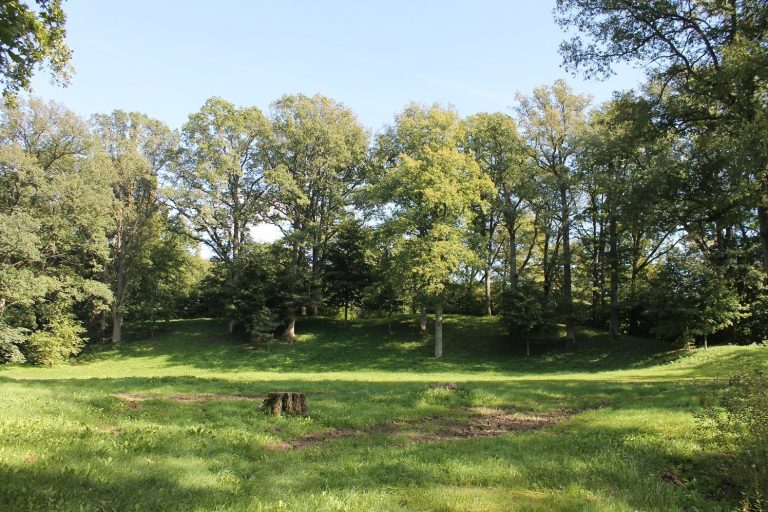
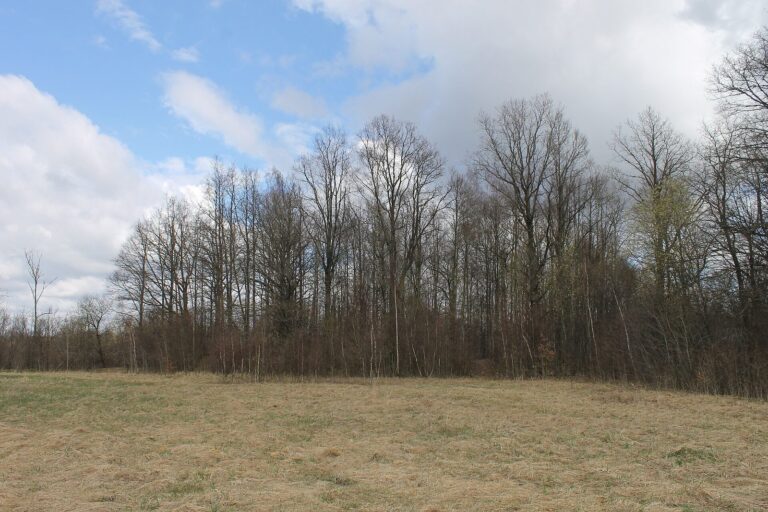
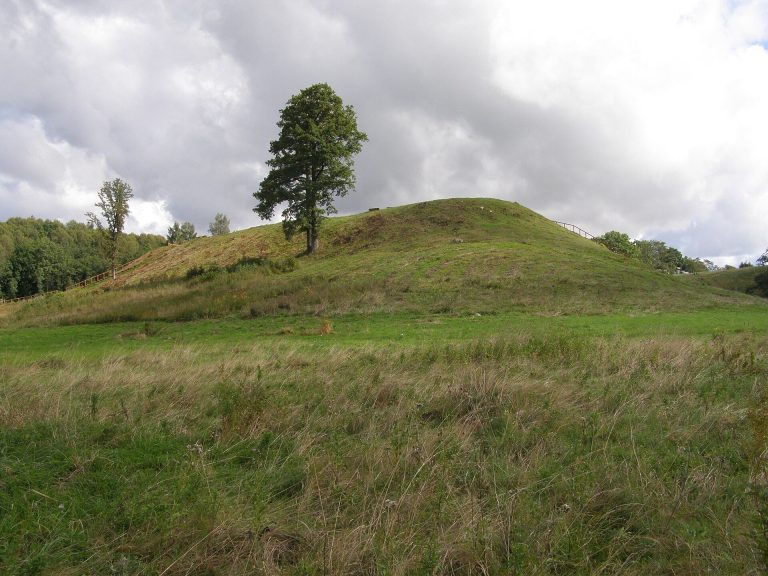
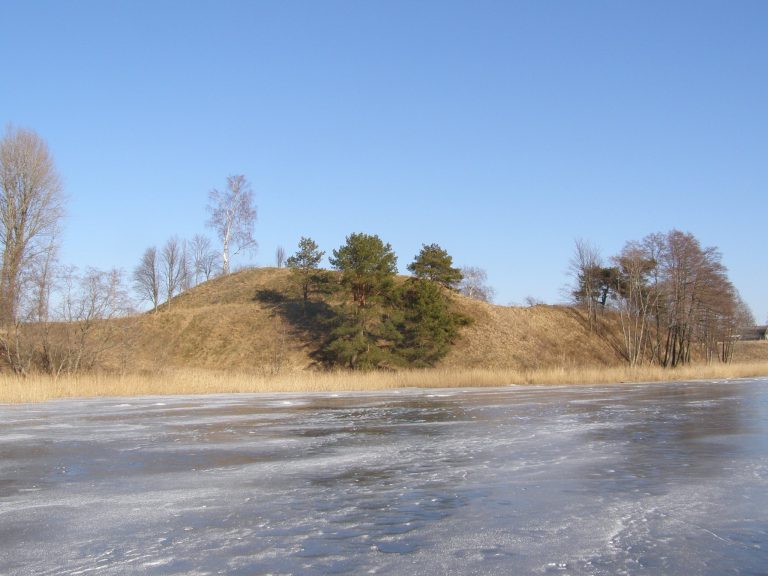
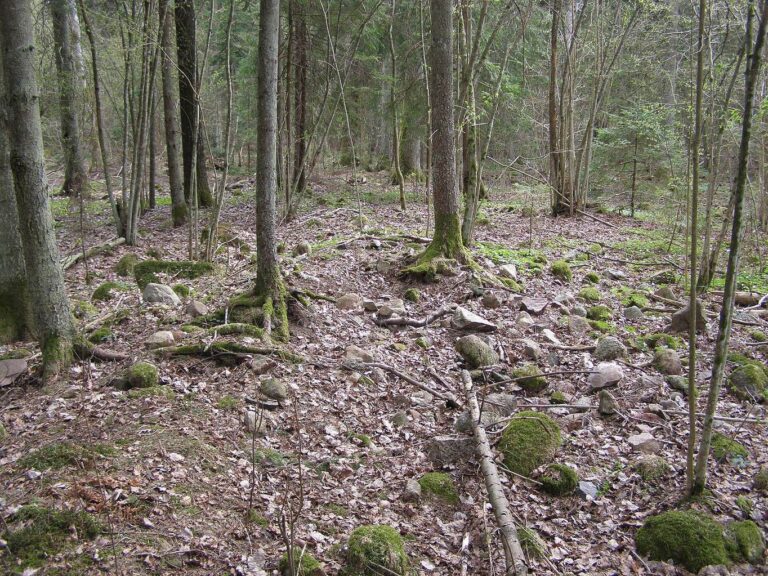
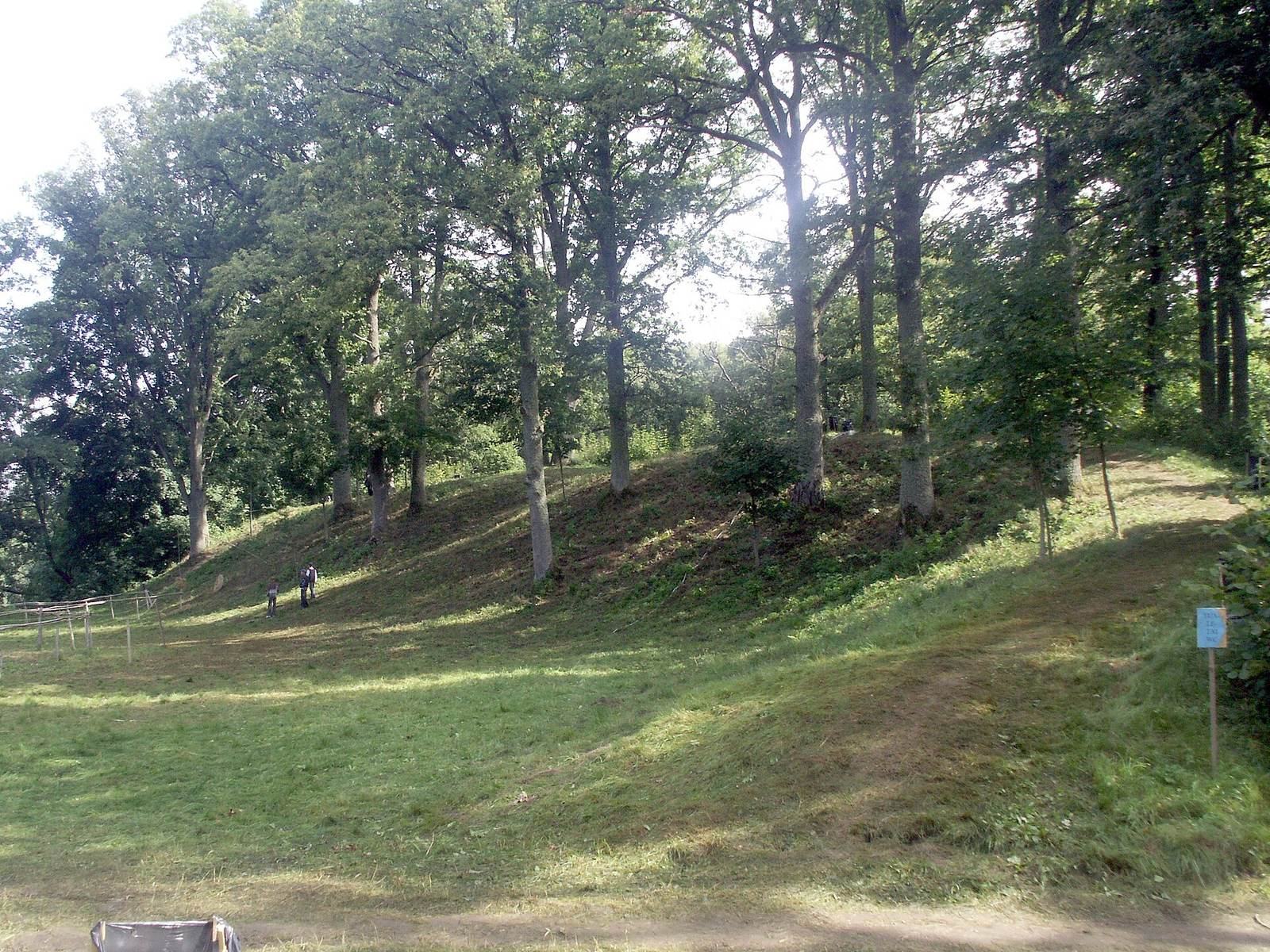
The hillfort stands at the confluence of the Luoba River and Brukis Stream, with a large settlement beside it and a cemetery associated with the site. Its wooden fortifications date to the first century AD.