Akeai Kofun: A Fifth-Century Burial Mound in Japan
Site at a Glance
- Popularity
- Medium
- Country
- Japan
- Primary era
- Classical
- Eras represented
- Classical
- Civilizations
- Yamato
- Site type
- Burial
- Remains
- Burial Mound
On this page11 sections
History
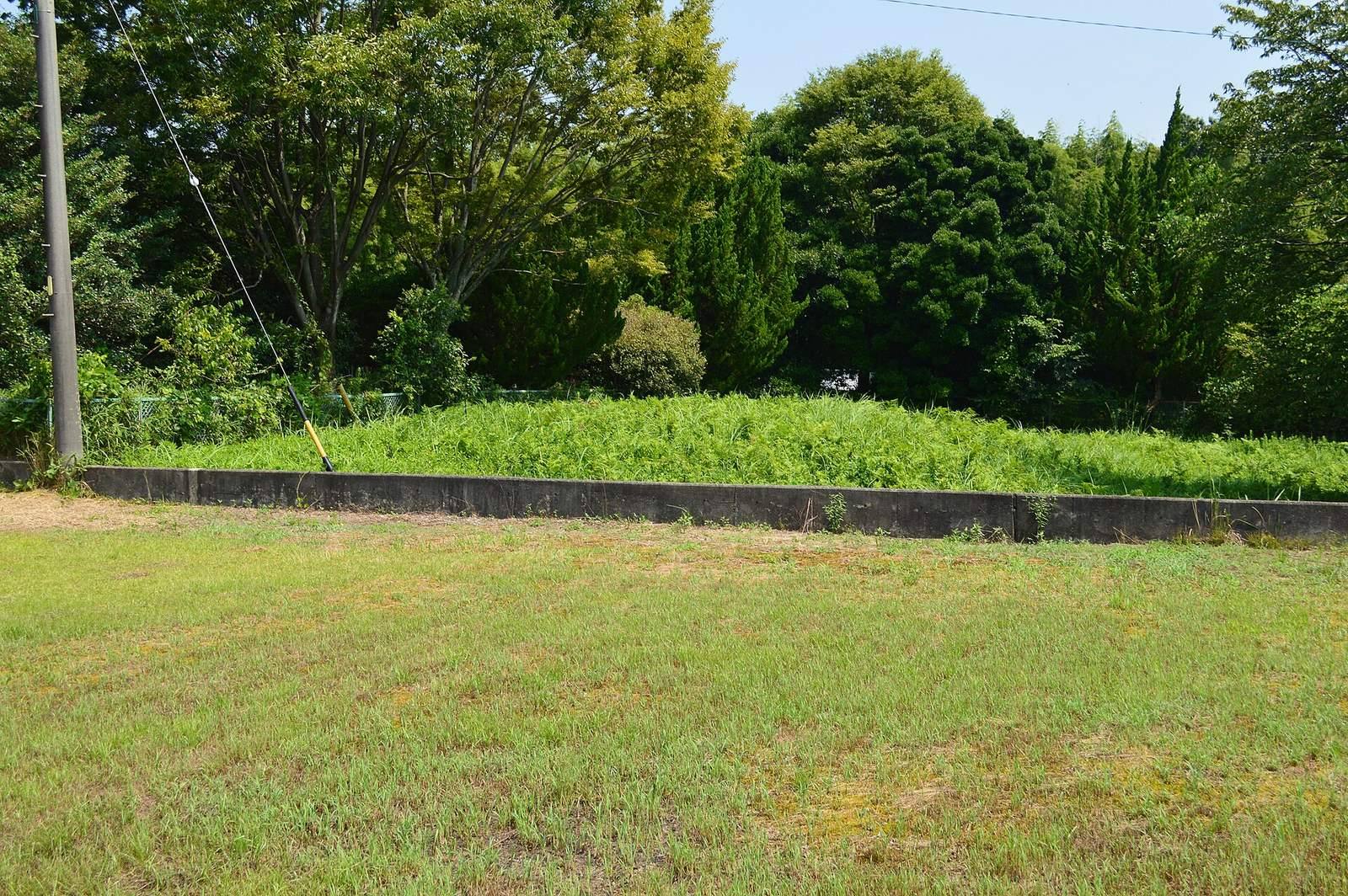
Akeai Kofun is a burial mound in Anocho Tabataueno, Tsu, Japan, built in the first half of the fifth century during the early Middle Kofun period, a phase of Japan’s era of large burial-mound construction. Its size and form provide important evidence for understanding the political setting of the time.
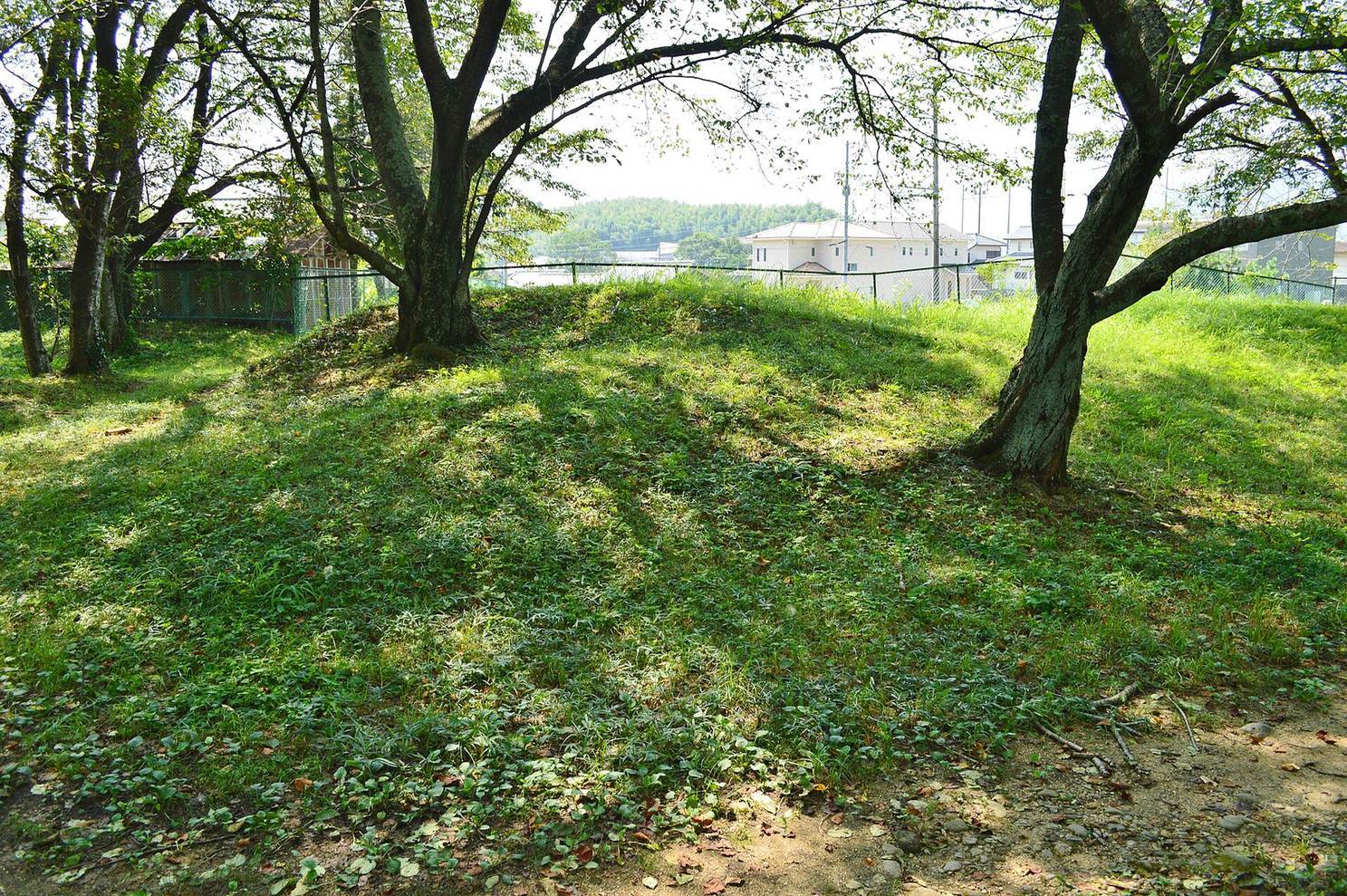
When it was built, Akeai was among the largest chiefly burial mounds in the Ano River basin. Five subsidiary mounds are recognized around the main mound, and the group may once have contained eight. They are likely associated with Akeai. A sixth mound may have stood west of mound 4 before land reclamation removed it around 1955.
The history-and-geography club of Tsu High School identified Akeai as a burial mound in 1949. It became a National Historic Site of Japan in 1952.
Remains
Main mound and setting
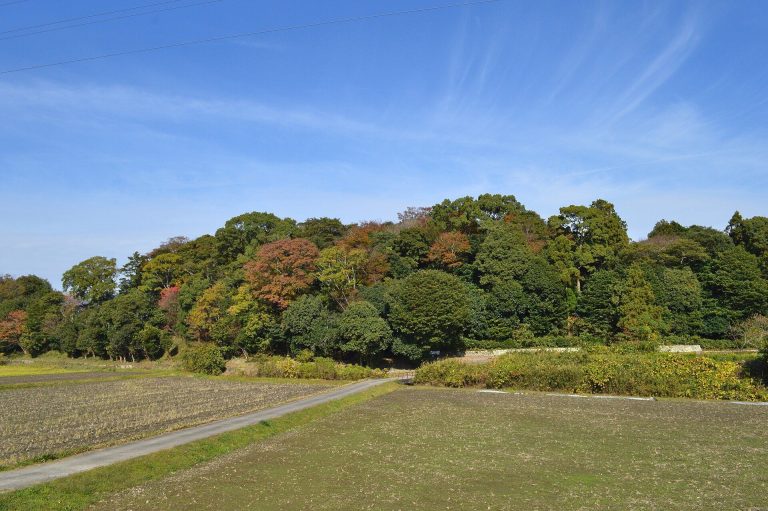
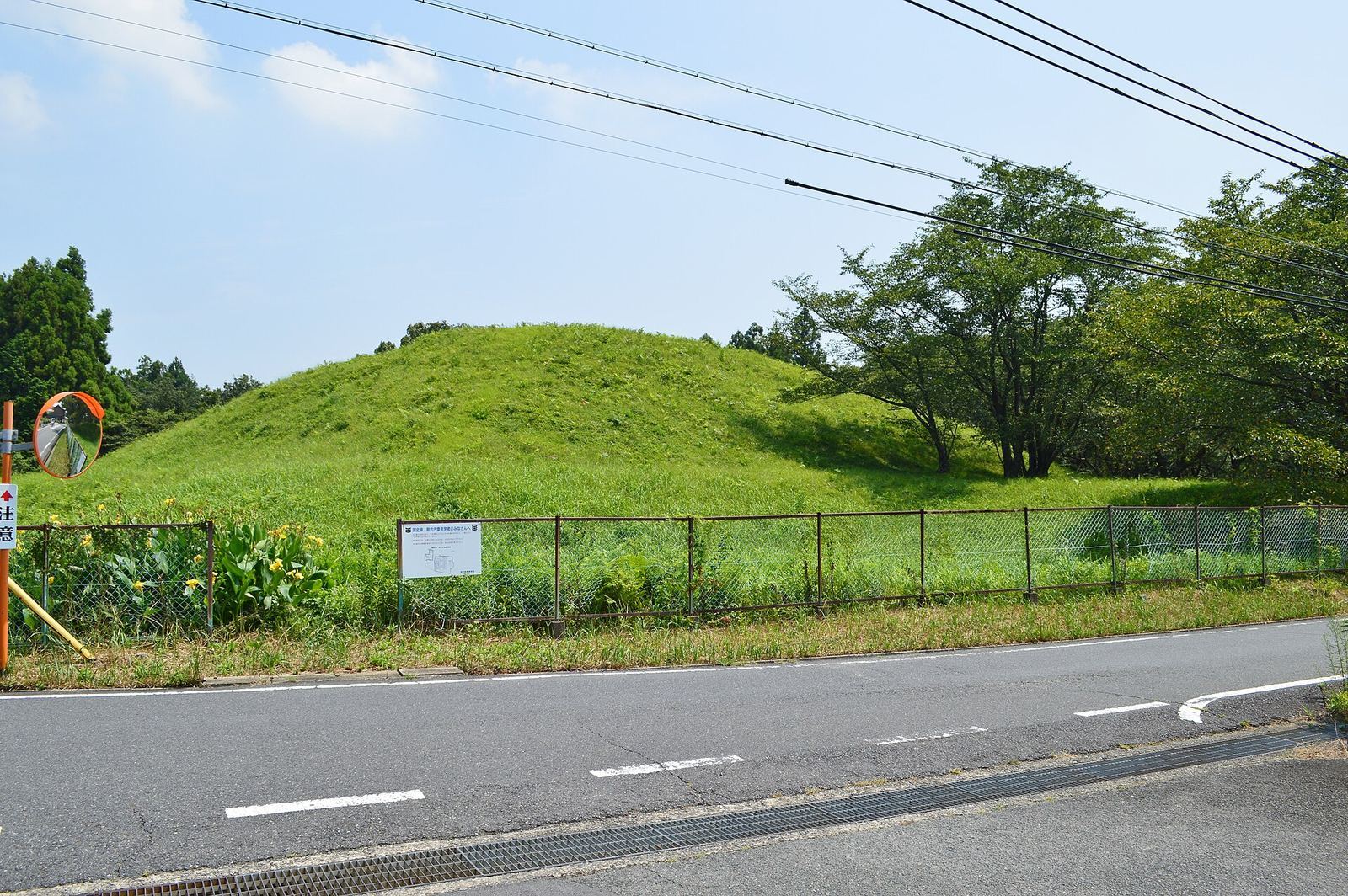
Akeai stands on a plateau at the eastern end of a low hill about 40 metres high, extending from the eastern foot of Kyogamine on the Ano River’s right bank. The main mound is square, with projections to the north and south. Its plan is generally interpreted as a square mound with projections, though another interpretation sees a central square with front and rear extensions. Including the projections, it measures 81 metres long and rises 10 metres. Among square burial mounds in Japan, it ranks tenth in size.
The main square mound has two tiers. The lower tier measures 60 metres along its bottom edge and 48.3 metres along its top, and stands 1.7 to 2.5 metres high. The upper tier measures 42 metres along its lower edge and 15 metres along its upper edge, with a height of 6 to 7 metres. The northern projection is 10 metres long, 17.4 metres wide, and about 1.8 metres high. The southern projection measures 13 by 21 metres and stands 1.7 to 2 metres high.
Surface features and finds
A moat once surrounded the mound, whose exterior had a covering of stones. Finds from the top and upper tier include cylindrical and figurative haniwa, clay objects placed on or around burial mounds. The figures include house, shield, and parasol forms. Other finds include fragments of Sue ware, a high-fired Japanese stoneware, and a Sue ware stand.
Subsidiary mounds
Mound 1
This square mound measures 8 metres on each side and has been heavily levelled.
Mound 2
The largest surviving subsidiary mound measures 22 metres on each side. It remains largely intact, although its northeast corner has been levelled. Stone surfacing and a row of cylindrical haniwa are present.
Mound 3
This mound has been heavily levelled.
Mound 4
Mound 4 measures 16 metres on each side, with its west side levelled. Nearby finds include cylindrical haniwa fragments, fragments shaped like parasols and shields, and pieces of early Sue ware.
Mound 5
This square mound measures 15.1 metres on each side. Its west side has been levelled, and haniwa fragments lie nearby.
Raised ground
Traces of raised, platform-like ground occur between the main mound and mound 2, as well as beyond the main mound’s western edge. These areas may have been used for ritual activity.