Akchakhan-Kala: An Ancient Fortress of Chorasmia in Uzbekistan
Site at a Glance
- Rating
- 4.4
- Popularity
- Very Low
- Country
- Uzbekistan
- Primary era
- Classical
- Eras represented
- Classical
- Civilizations
- Unclassified
- Site type
- Military
- Remains
- Fort
On this page7 sections
History
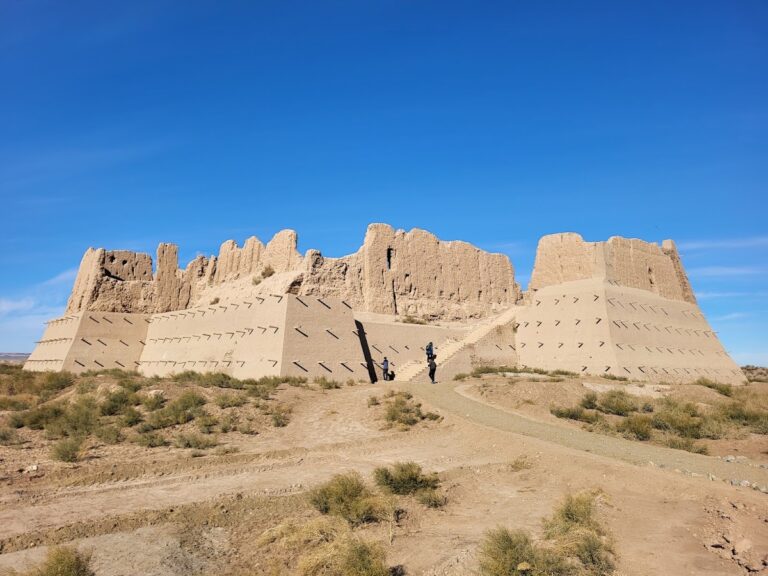
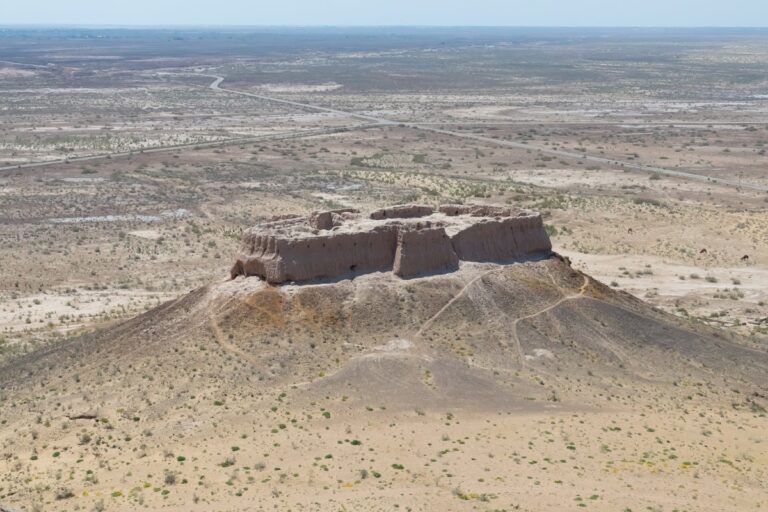
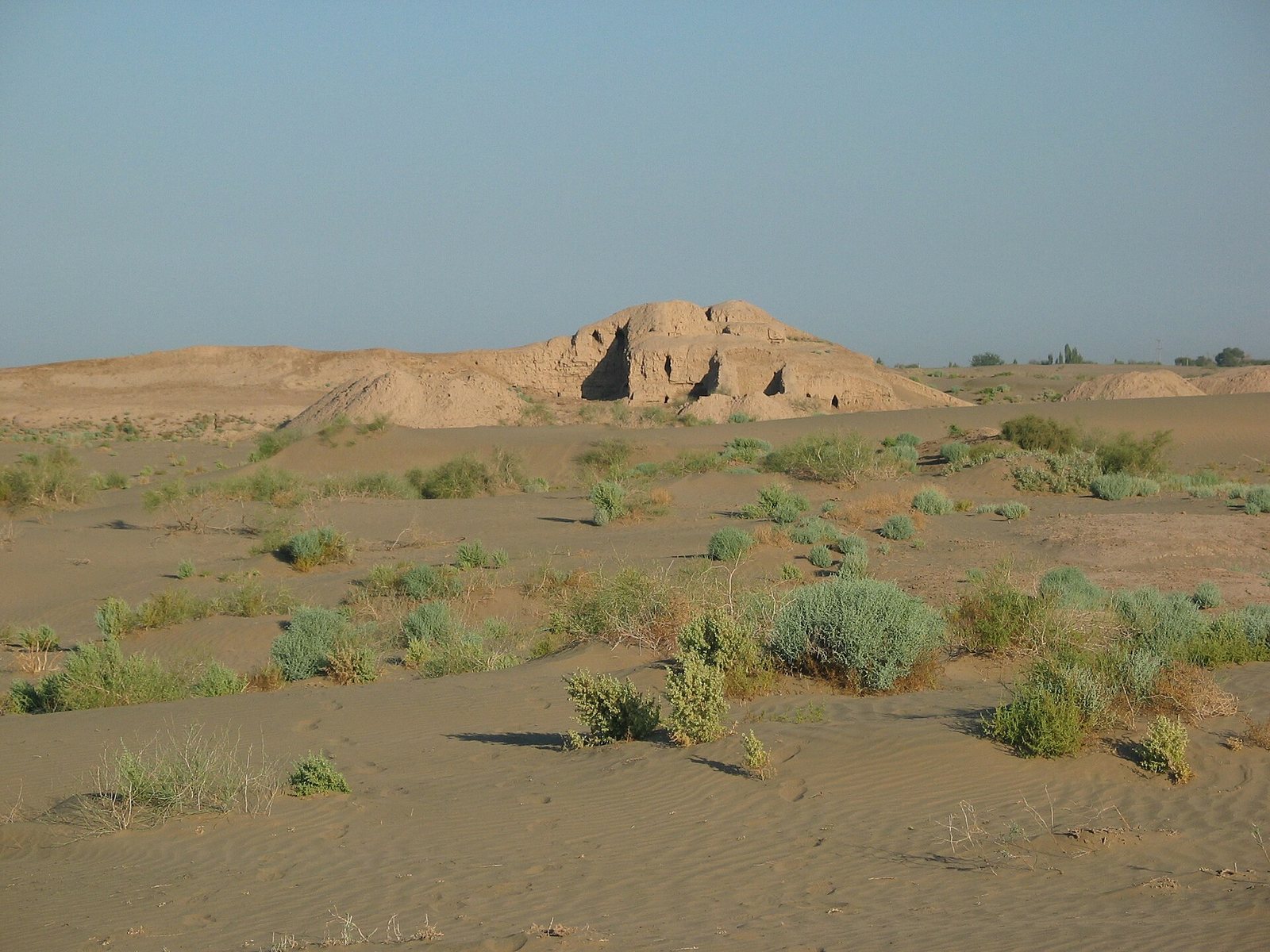
Akchakhan-Kala, also known locally as Kazakly-Yatkan, is an ancient Chorasmian fortress in Uzbekistan, built in the 4th or 3rd century BCE and associated with the Parthian and Sasanian periods. Chorasmia was an ancient Iranian cultural and political region centered on the lower Amu Darya and the area around the Aral Sea. The fortress’s ancient name is unknown.
Occupation and abandonment
Akchakhan-Kala remained occupied until the 2nd century CE, when it was apparently despoiled. Its abandonment was apparently connected with the establishment of Toprak-Kala, a new fortified settlement about 14 kilometers to the northeast. The site now forms part of the Fifty Fortresses Oasis, a regional concentration of ancient fortified settlements in modern Uzbekistan.
Archaeological investigation
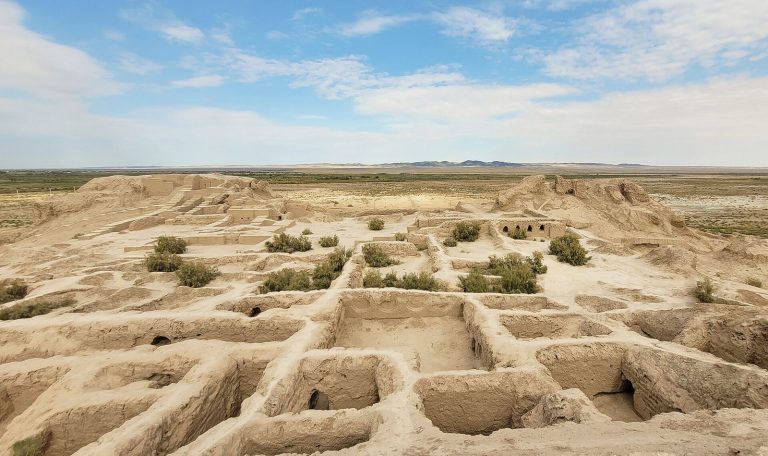
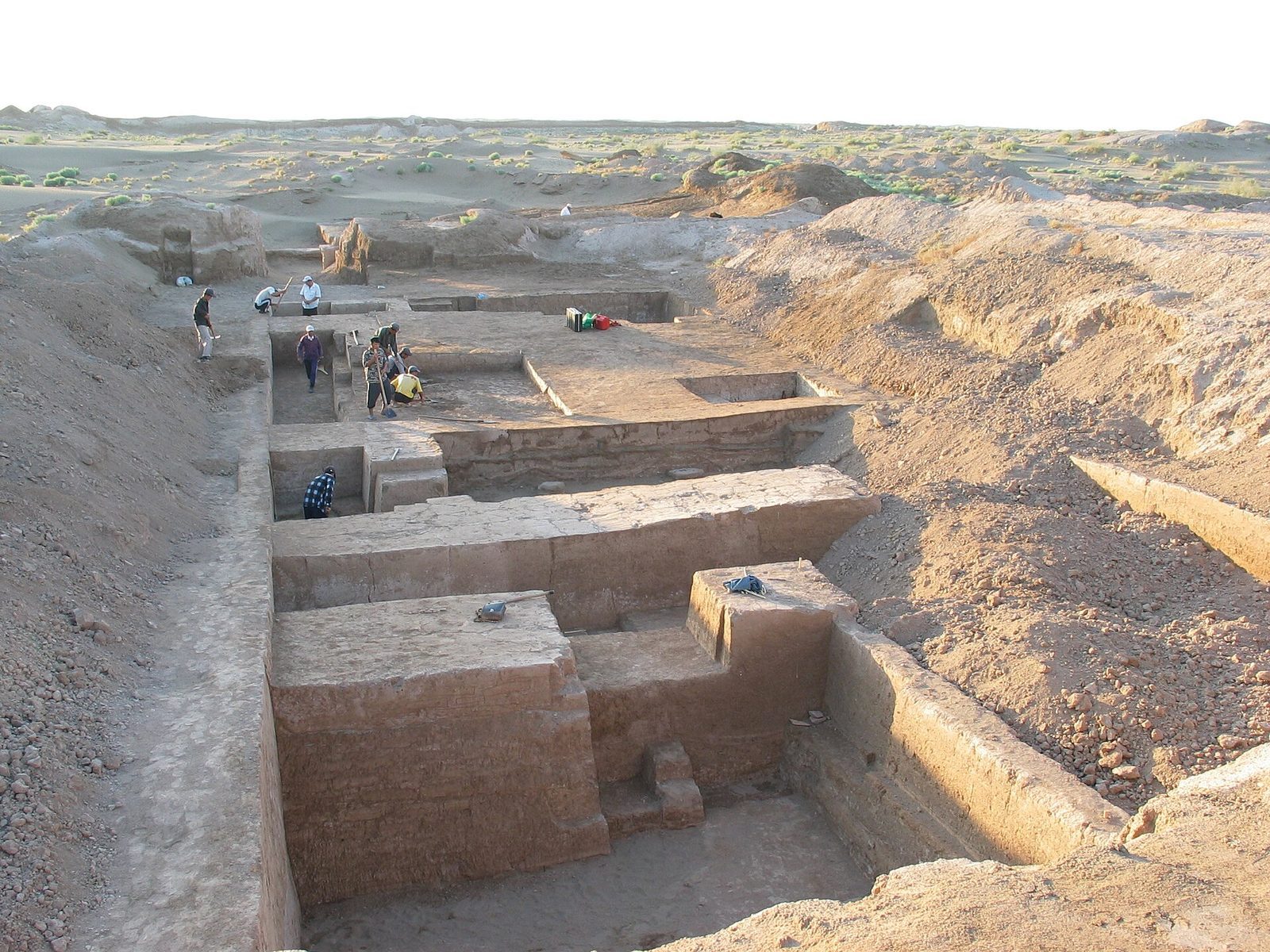
Numerous archaeological excavations have taken place at Akchakhan-Kala, and investigation is continuing. These excavations have brought to light a ceremonial complex and artistic remains that illuminate the religious and cultural life of ancient Chorasmia.
Remains
Fortifications and ceremonial complex
The surviving physical evidence includes a corner of the upper enclosure, a column base, and a floor made from mud brick. A ceremonial complex contained a hypostyle hall, a large room whose roof was supported by rows of columns. Together, these remains indicate a fortified site with a formal architectural area built around substantial enclosed spaces.
Painted and modelled decoration
Decorative material dated from the 1st century BCE to the 2nd century CE includes numerous frescoes and sculptures modelled in unbaked clay. Among the sculptural fragments is a Ketos, a mythical sea creature commonly represented in ancient Greek and Hellenistic art. Parthian artistic influences have also been identified in the site’s art.
Zoroastrian ritual remains
A Zoroastrian fire altar was found at Akchakhan-Kala. Zoroastrianism is an ancient Iranian religion in which fire has ritual importance and worship is centered on Ahura Mazda. The altar was decorated with paintings of colossal Avestan gods, whose designation refers to the religious language and textual tradition associated with Zoroastrianism.