The Abbey of Santa Maria della Vittoria: A Cistercian Monastery in Italy
Site at a Glance
- Country
- Italy
- Primary era
- Medieval
- Eras represented
- Medieval
- Civilizations
- Kingdom of Sicily
- Site type
- Religious
- Remains
- Monastery
On this page9 sections
History
Angevin foundation and construction
The Abbey of Santa Maria della Vittoria was a Cistercian monastery at Scurcola Marsicana, Italy. Charles I of Naples, also known as Charles of Anjou, founded it in 1268 as a religious offering of thanks for his victory over Conradin at the Battle of Tagliacozzo. Conradin was a Hohenstaufen duke of Swabia and Charles’s opponent. The victory helped secure Angevin rule over the Kingdom of Sicily, and Charles dedicated the church to Santa Maria della Vittoria.
Construction began in 1274 and was completed in 1282. Charles established the abbey as a daughter house of Louroux Abbey in Anjou, reflecting his Angevin origins and those of soldiers who had fought in Italy. The first monks, recruited from Louroux, arrived by 1278. The abbey belonged to the Cistercian order, which arose from the abbey of Cîteaux, and was the fifth and final Cistercian abbey in Abruzzo. Its church was consecrated on 12 May 1278, before the wider complex was finished. Between April and September 1281, as many as 450 people worked there at one time. The abbey held extensive land and quickly became powerful.
Changes in rule and decline
After Alfonso V of Aragon took the throne of Naples in 1442, ending Angevin rule there, Cistercian monks left the abbey and Italian Benedictines replaced them. The Benedictines followed the Rule of Saint Benedict. The abbey was later administered by a person outside its monastic community, then became part of the endowment of the chief chaplain of the Kingdom of Naples.
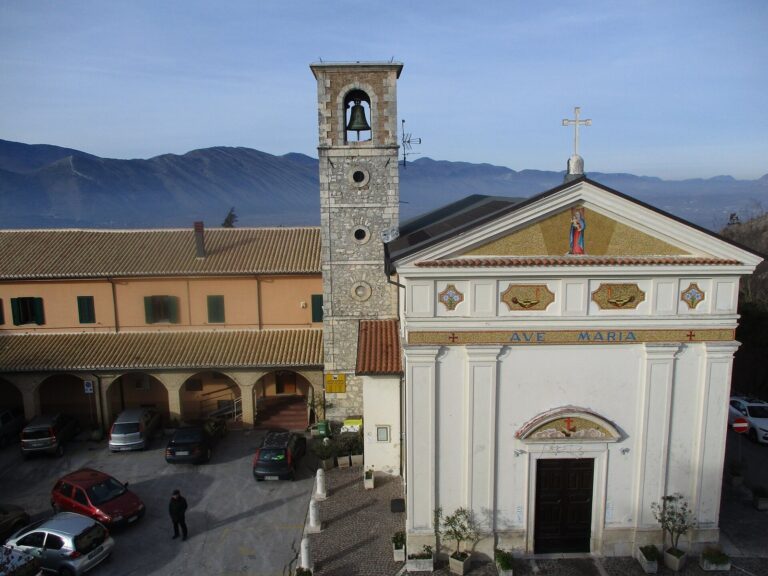
An earthquake severely damaged the complex. Further natural disasters and conflicts among local families contributed to its gradual abandonment during the sixteenth century, and the abbey was dissolved in 1550. As the complex declined, a new church dedicated to Santa Maria della Vittoria was built in the upper part of Scurcola in 1525.
Later study
In the twentieth century, Ignazio Carlo Gavini and Mario Moretti studied the surviving remains for their works on architecture in Abruzzo.
Remains
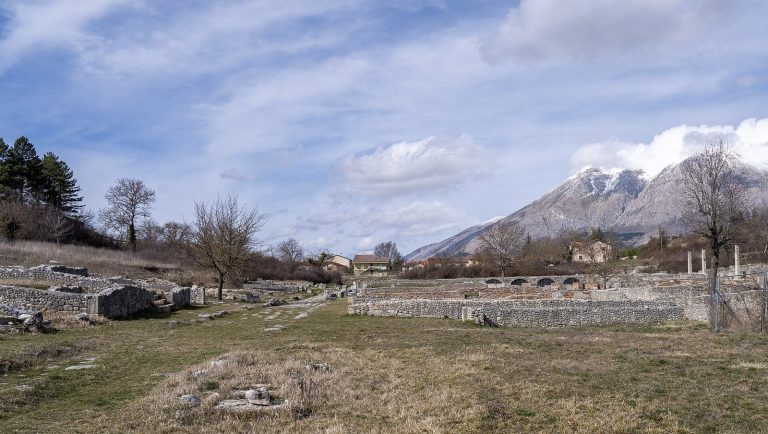
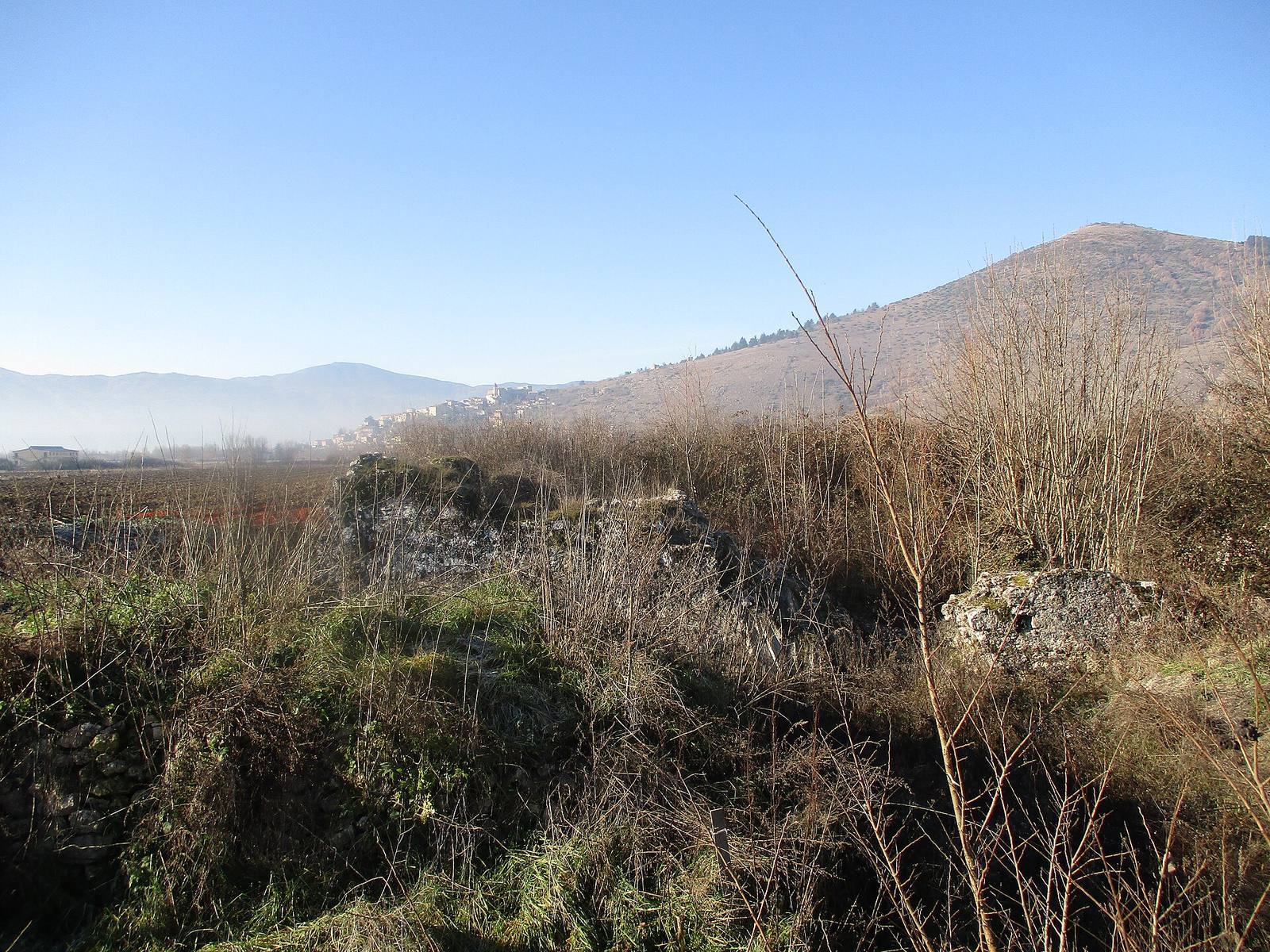
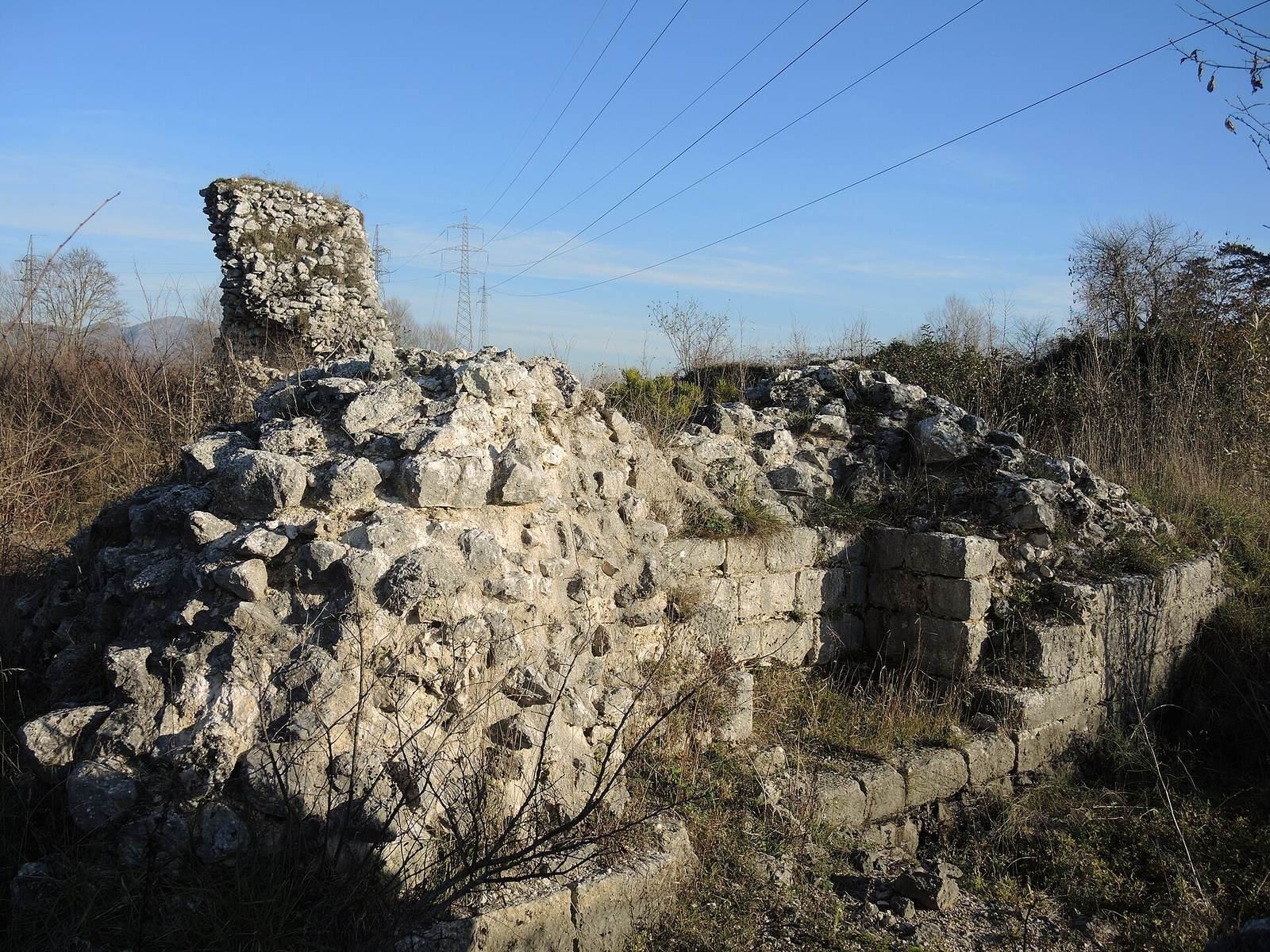
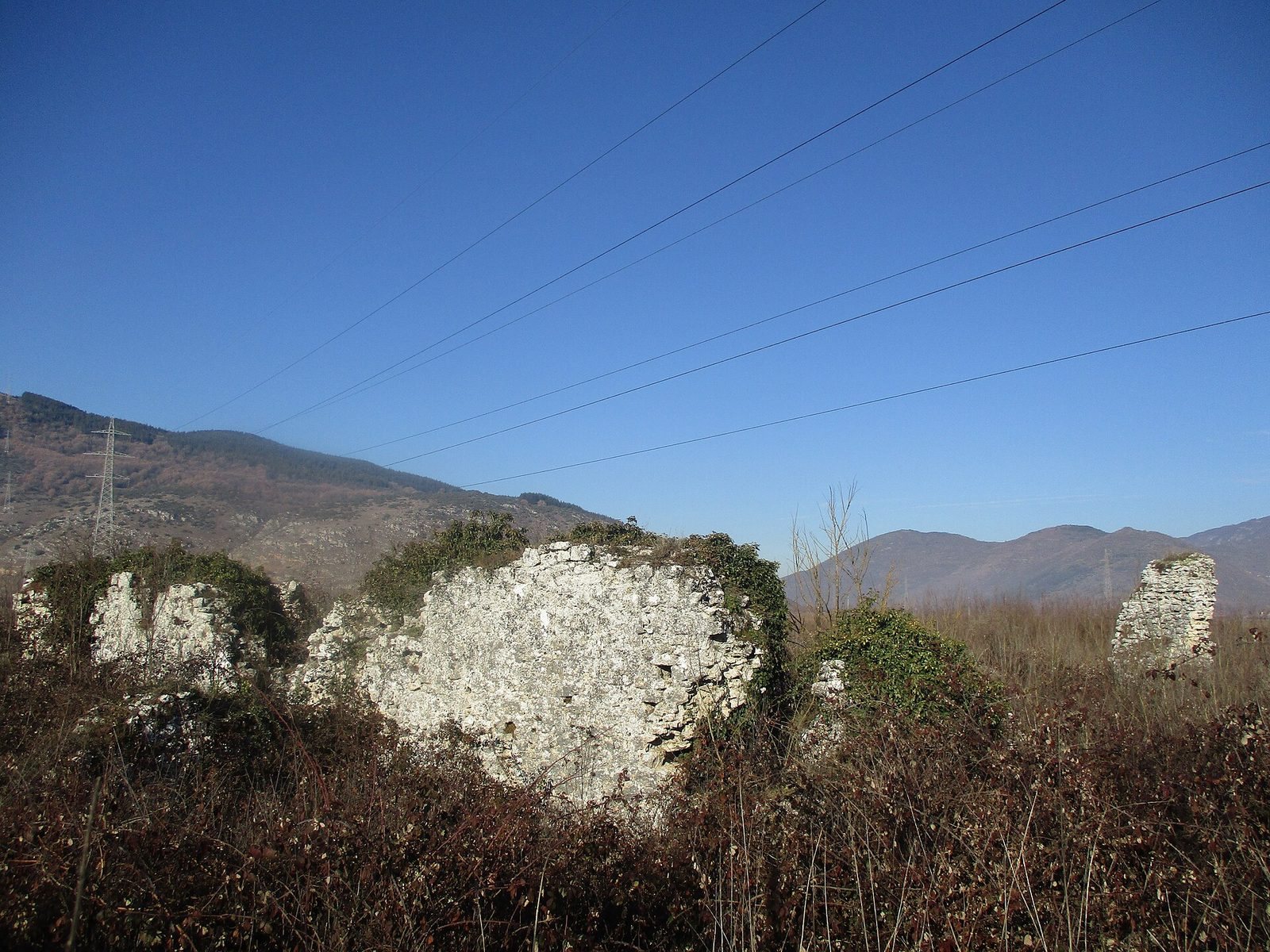
The abbey is largely destroyed. Its physical remains include the plan of a Cistercian church and features preserved through reuse in churches in Scurcola.
The abbey church
The church had a cross-shaped plan, with a three-part longitudinal body and a slightly projecting cross-arm. At its eastern end, the sanctuary was flat-ended and flanked by square chapels. Rectangular supports divided the main body into six sections, and the choir was rectangular.
Features preserved in Scurcola
Portals
Two portals from the abbey church were removed in the nineteenth century and reused in churches in Scurcola to preserve them. One is beside the new Santa Maria della Vittoria church, near Rocca Orsini. The other is set into the facade of Sant’Antonio church on Via Tiburtina.
Madonna and Child
A wooden statue of the Madonna and Child, a French work from the late thirteenth century, was transferred to the new Santa Maria della Vittoria church. It is thought to have been given to the abbey by Charles I. Local tradition says a peasant found the case containing the statue in a field near Scurcola.