Roman Villa of Avezzano: An Agricultural Estate and Residence
Site at a Glance
- Country
- Italy
- Primary era
- Classical
- Eras represented
- Classical
- Civilizations
- Roman
- Site type
- Domestic
- Remains
- Villa
On this page7 sections
History
Roman foundation and use
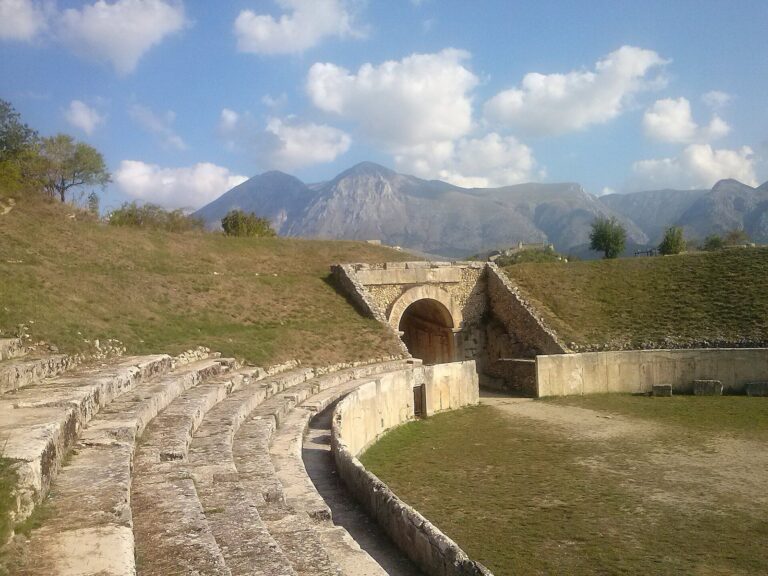
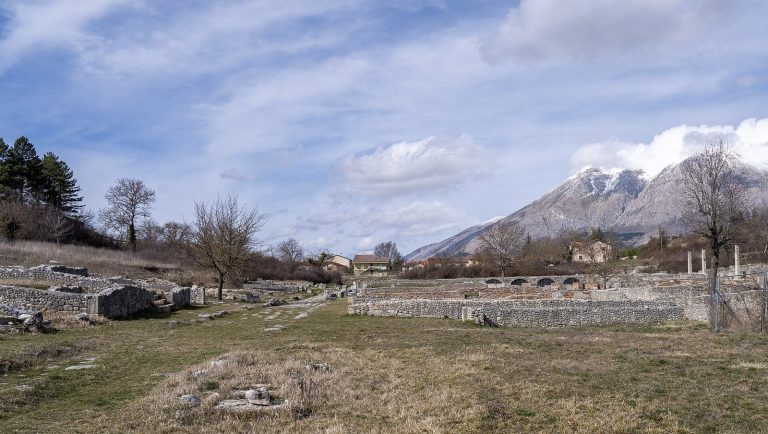
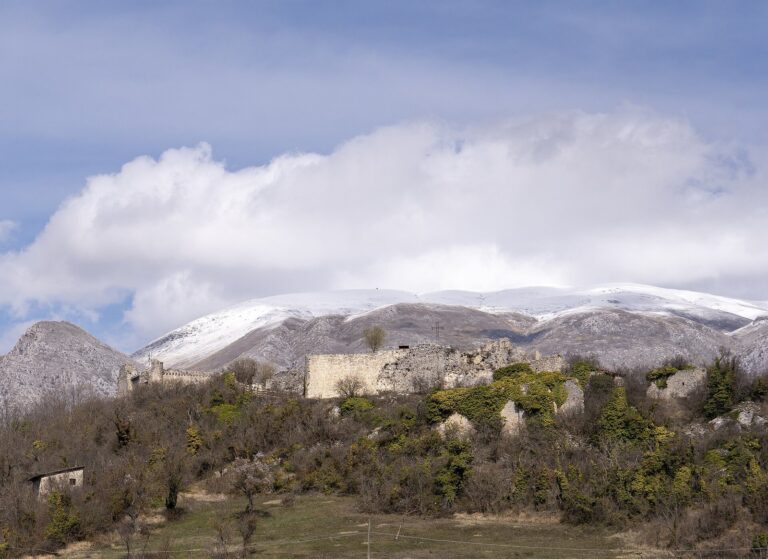
The Roman Villa of Avezzano is an ancient Roman farm and residence in Italy, built in the second century BC on a plot of about 3,000 square metres. The land belonged to the public property of Alba Fucens, a Roman colony, or settlement established by Rome, founded between 304 and 303 BC in Aequi territory near the Marsi, ancient peoples of central Italy.
The estate supplied Alba Fucens with agricultural produce and other goods. The colony later grew into a prosperous, populous commercial centre. The villa was enlarged over the centuries and remained occupied until the beginning of the sixth century AD. It was probably abandoned after an earthquake devastated the region.
Discovery and excavation
The villa was discovered in 2004, and its remains came to light during shopping-centre construction in 2005. Excavations took place from 2005 to 2008. Stratigraphic excavation and the reassembly of the remains showed that the estate had expanded over time.
Remains
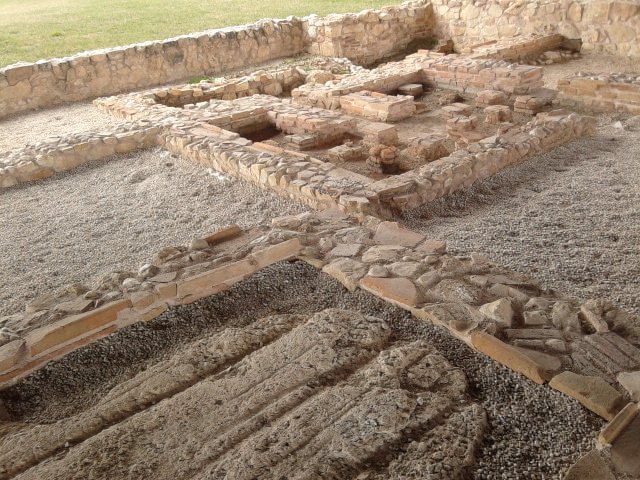
The excavated complex includes residential and rural-production areas. A laminated-wood roof protects the remains. The site lies at Macerine, along the original course of the Via Tiburtina Valeria and beside modern State Road 5.
Roads and residential spaces
A paved avenue connected Alba Fucens with the area around modern Avezzano. It continued as a cobbled route across terraces to one of the villa’s east-west roads, a decumanus (a Roman settlement road running east to west). This road led to an atrium (a central room or court), around which rooms for the owner and servants were arranged. In the residential area, an impluvium collected rainwater.
Production, bathing, and mosaic
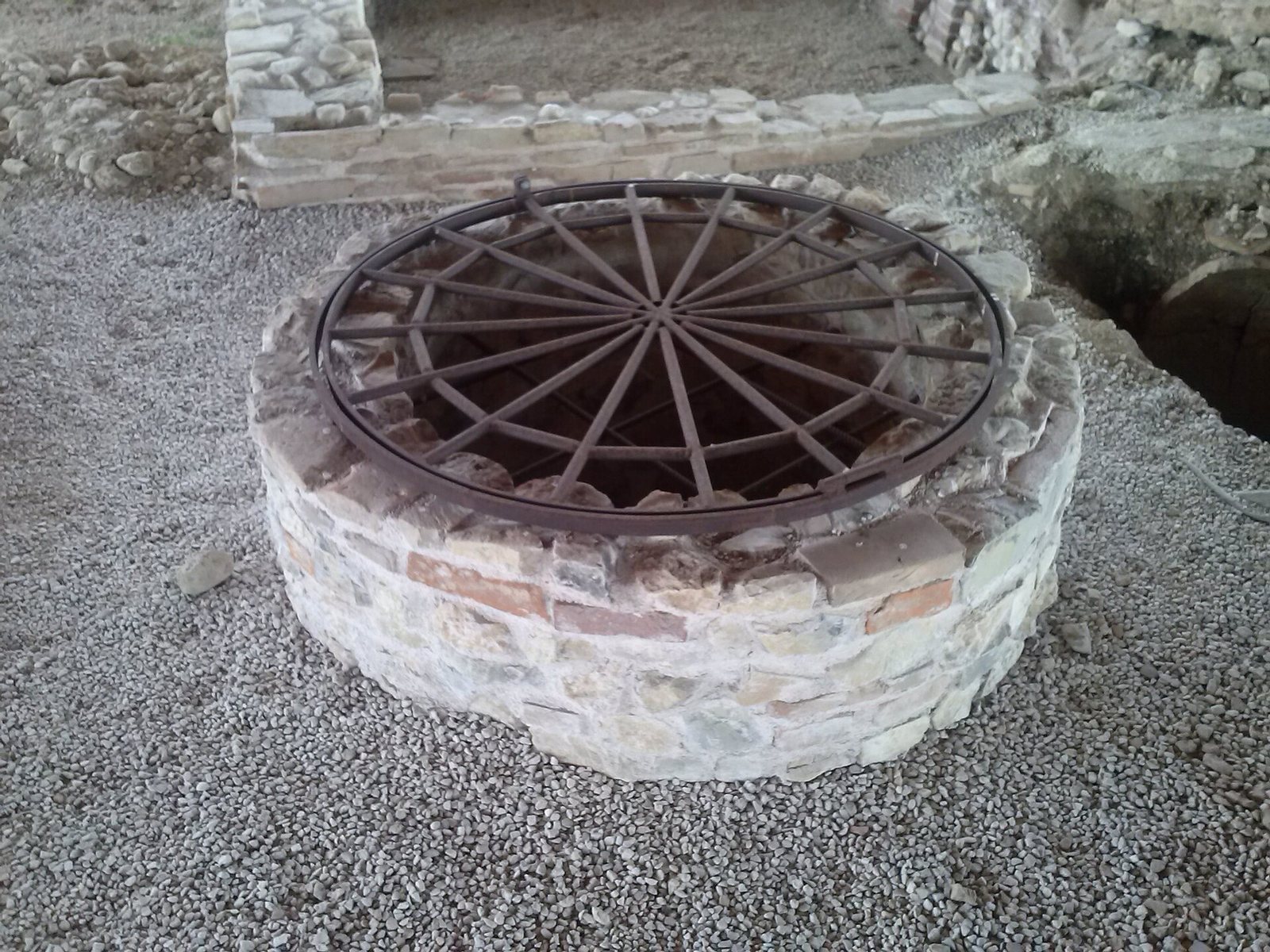
Cisterns and vats in the rural-production area were associated with storing oil and wine, and a press was used to extract oil from olives. The villa also had private Roman baths, with raised floors allowing heat to pass beneath them. A mosaic dating to the second or third century AD features figurative designs made from small pieces. Its central panel, in several colours, shows winged Victory, the Roman personification of triumph, riding in a chariot drawn by two running horses.
Burials and finds
Tombs dating to the fifth and sixth centuries AD were found near the villa’s perimeter. Finds included objects used to adorn the dead and everyday items, among them a marble wellhead. These objects are displayed inside the adjacent shopping centre.