Abbaye Notre-Dame-de-la-Charité: A Cistercian Abbey in France
Site at a Glance
- Rating
- 4.8
- Popularity
- Very Low
- Country
- France
- Primary era
- Medieval
- Eras represented
- Medieval, Early Modern
- Civilizations
- French, Holy Roman Empire
- Site type
- Religious
- Remains
- Monastery
On this page9 sections
History
Abbaye Notre-Dame-de-la-Charité was a Cistercian men’s abbey in the Romaine valley, across the present-day municipalities of Neuvelle-lès-la-Charité and Fretigney-et-Velloreille in France. The Cistercians were a Catholic monastic order, and construction began in 1133, when twelve monks from Bellevaux established a community there. The abbey belonged to the Diocese of Besançon, a church territory overseen by a bishop.
Foundation and growth
A priory, a smaller religious community led by a prior, preceded the abbey from 1128 to 1133. It was associated with Saint-Paul of Besançon and was home to canons, clergy who followed a shared religious rule. Adelaide of Traves requested the abbey’s foundation, with the support of Anséric, Archbishop of Besançon. Pierre de Vadans became its first abbot in 1134 and held the office until 1162.
As a daughter house of Bellevaux and a granddaughter house of Morimond, Notre-Dame-de-la-Charité belonged to a network in which established Cistercian monasteries founded linked communities. Donations and protection from local landholders helped sustain it. Its endowments included gifts from the lords of Traves and saltworks at Lons-le-Saunier. In 1139, the abbey founded La Grâce-Dieu, another Cistercian house.
The monastery also developed ironworking, drawing on nearby iron mines. It had a large forge by the late twelfth century and received a second forge from Étienne d’Oiselay in the thirteenth century. By the end of the twelfth century, concerns about monastic discipline had led the Cistercian order’s central assembly, the General Chapter, to intervene. Regional upheavals later damaged the iron industry; it contributed to renewed prosperity only in the second third of the eighteenth century.
War, destruction, and recovery
In the late Middle Ages, plague, devastation during the Hundred Years’ War, and attacks by armed companies brought further hardship. In 1477, troops of Louis XI besieged and sacked the abbey. A Protestant mercenary army led by the Duke of Zweibrücken damaged it in 1569. In 1595, mercenaries associated with Haussonville and Tremblecourt ravaged the region while fighting for Henry IV in his war against Spain.
During the Ten Years’ War, a seventeenth-century conflict in Franche-Comté amid wider European wars, and the French conquest of the region under Louis XIII, the abbey was burned in February 1638. It had already undergone repeated restorations, and only four monks lived there in 1633. Jean de Watteville, who had joined the Cistercian order in 1603, became abbot in 1607 and also served as Prince-Bishop of Lausanne from 1607 to 1649. A prince-bishop held both religious authority as a bishop and secular princely status.
Eighteenth-century rebuilding and dissolution
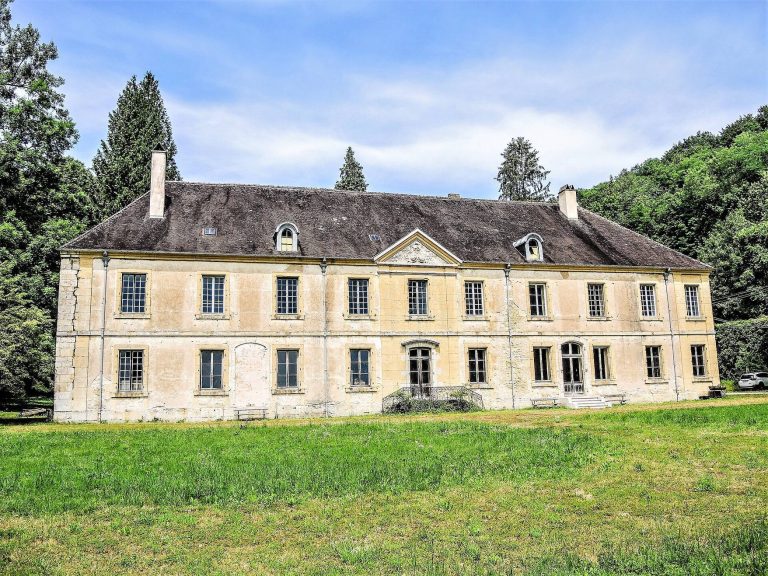
The abbey flourished again in the eighteenth century. Its church was rebuilt around 1735, the quarters associated with the abbot around 1750, and the service buildings around 1775.
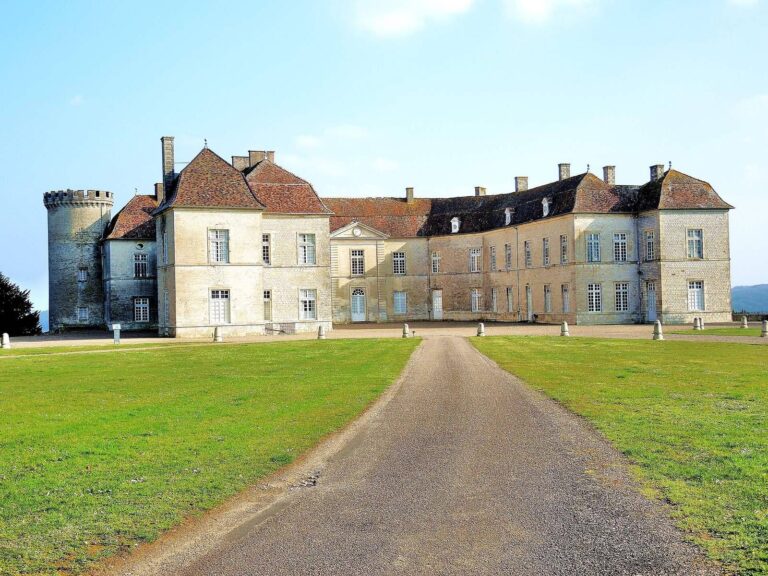
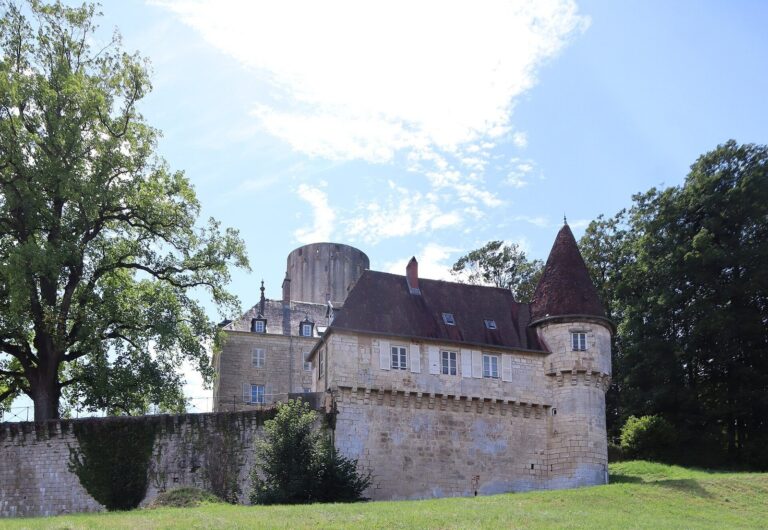
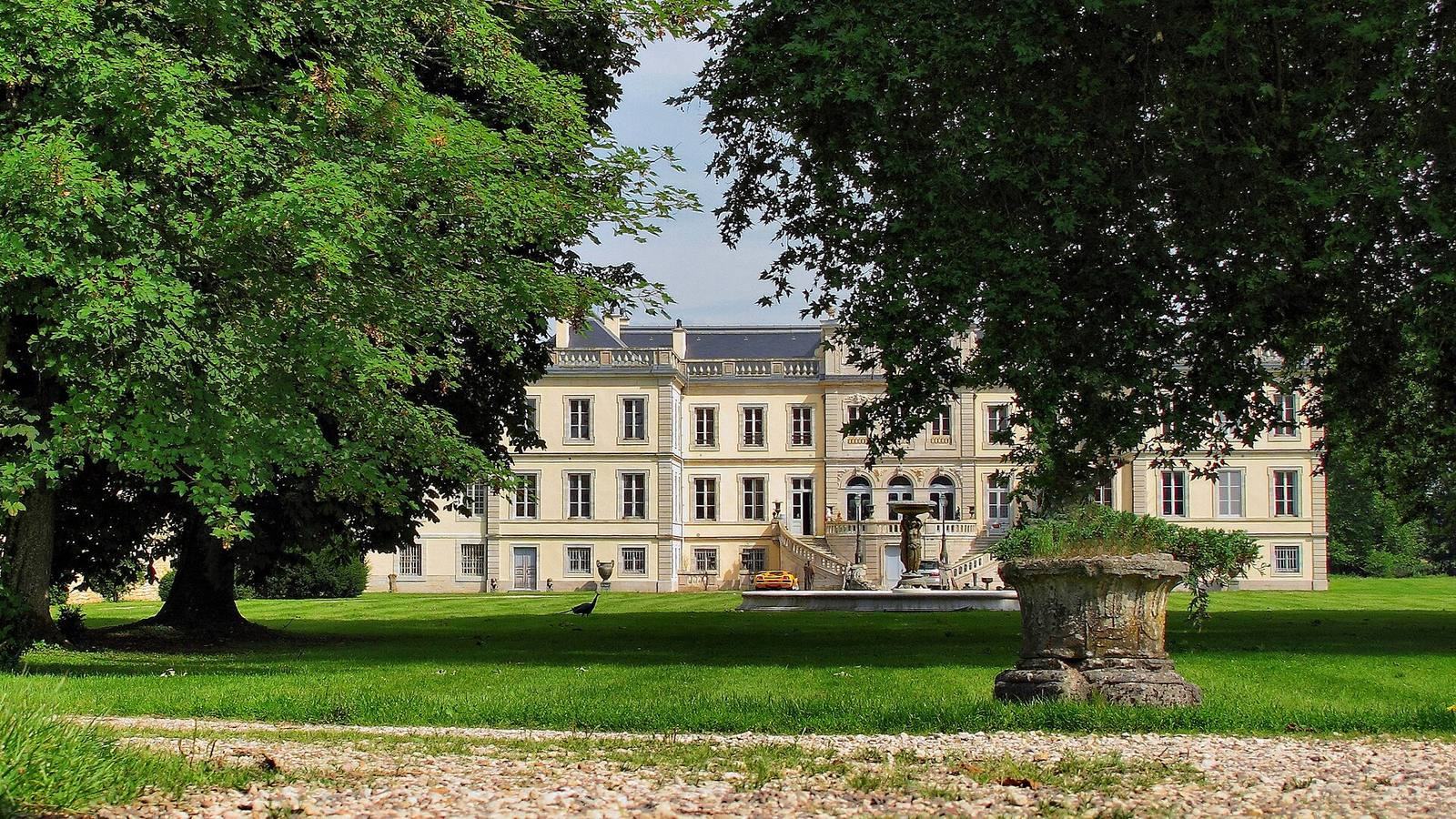
In 1791, the monks fled. The abbey was plundered and sold as national property, meaning property seized by the French revolutionary government and offered for sale. It was later burned, and many of its buildings were demolished. Around 1840, a château replaced the abbot’s residence. In the 1960s and 1970s, Alsthom Belfort acquired the property for holiday-camp stays and later sold it to a private owner.
The site entered France’s historic-monuments inventory in 1995. Parts were classified in 1996 and 1999 and registered in 1998; the icehouse received a separate registration in 2002.
Remains
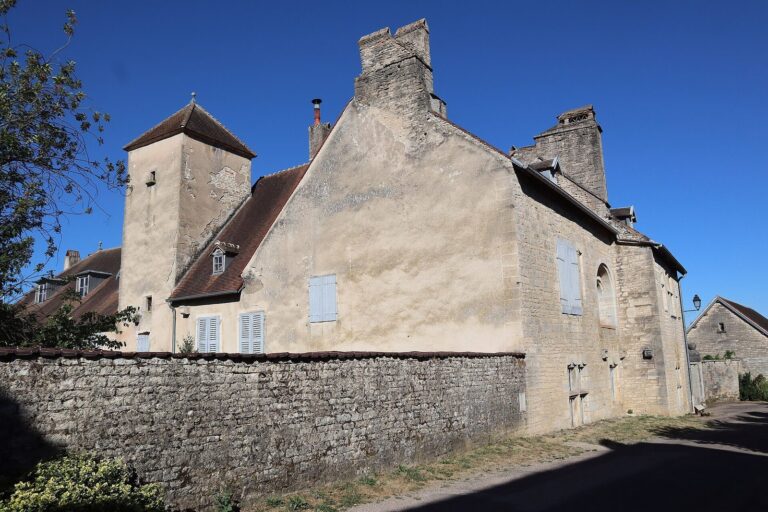
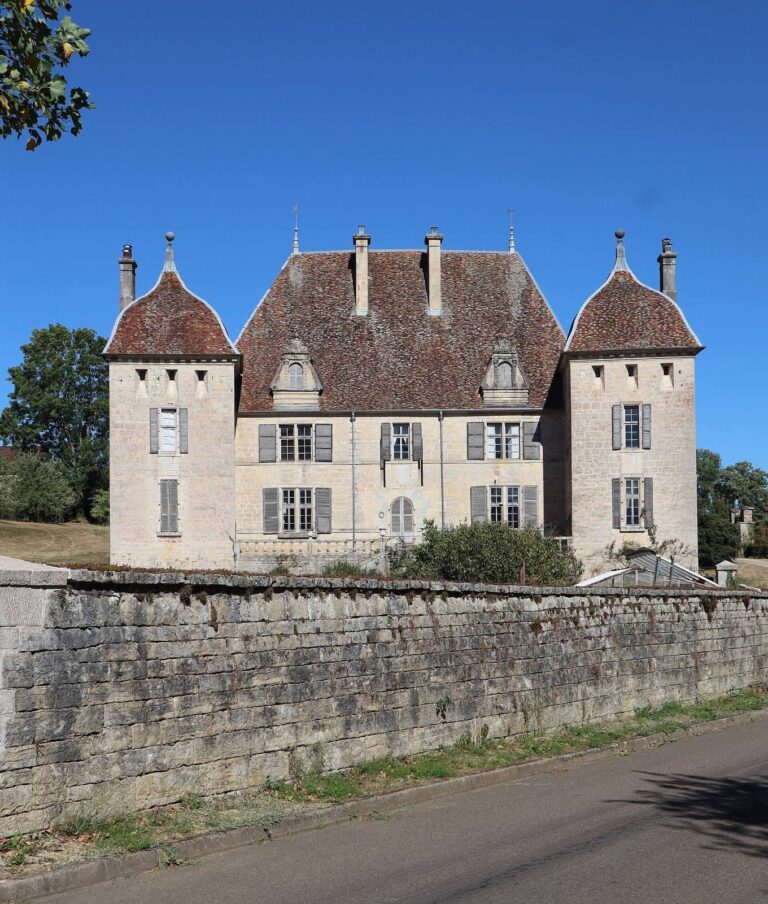
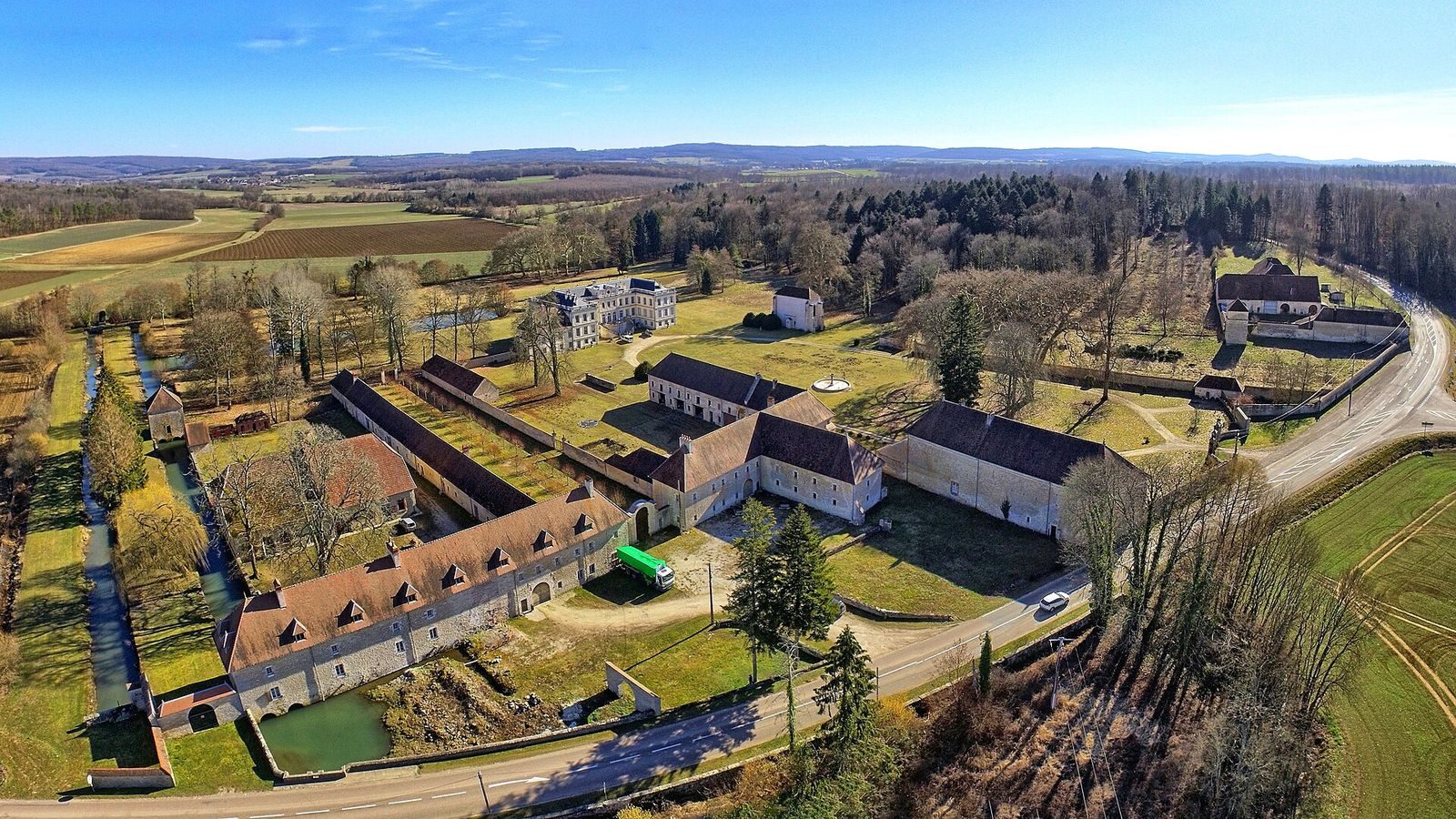
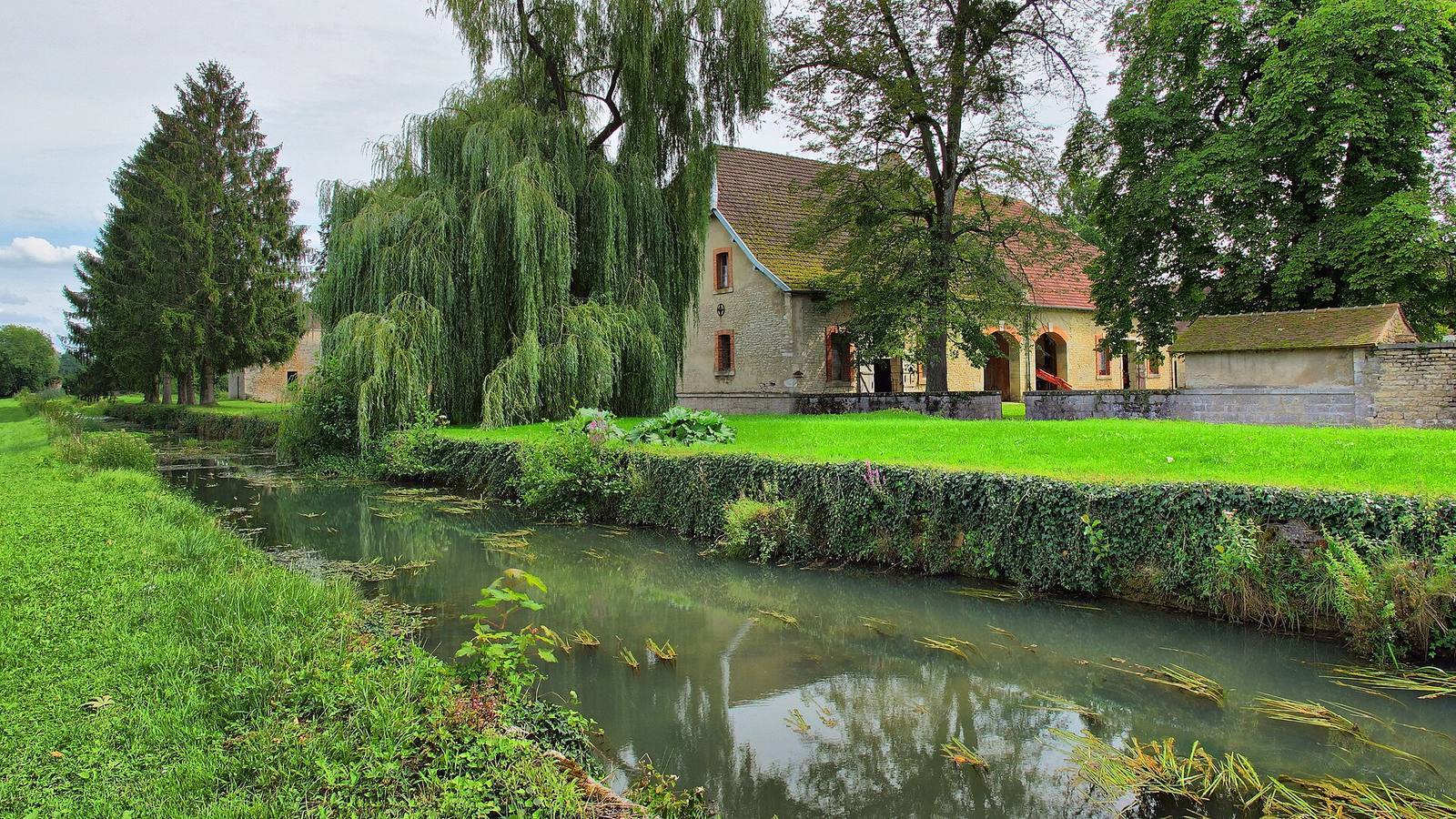
The abbey stood in the Romaine valley, with the canalized river running along the edge of the complex. Its surviving remains include a chapel formed from part of the former church, ancillary buildings, water-related structures, and features of the former estate.
Church chapel and tombstones
The chapel consists of one structural section of the former abbey church. Several tombstones of abbots from the seventeenth and eighteenth centuries remain inside it.
Ancillary and water-related structures
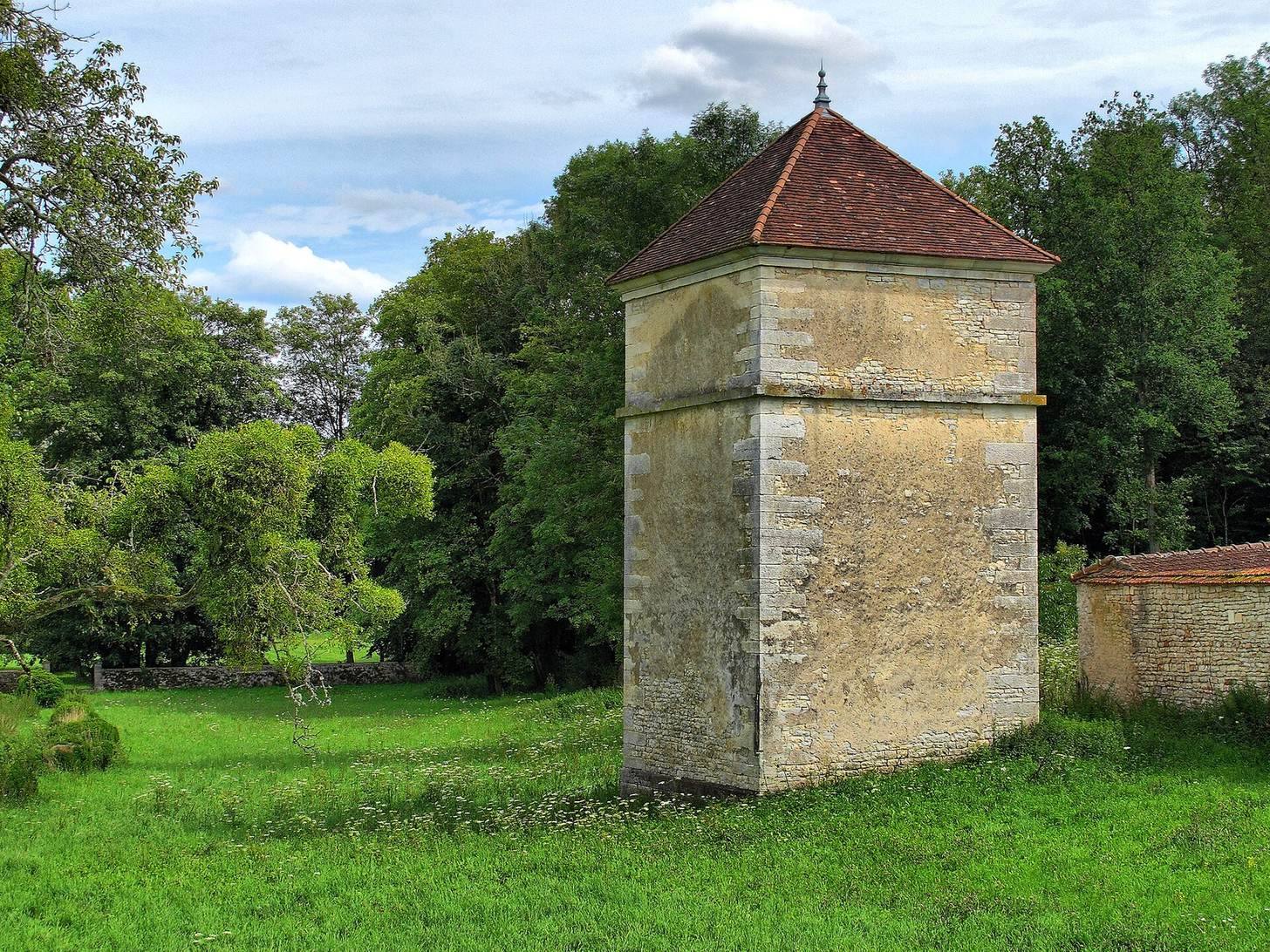
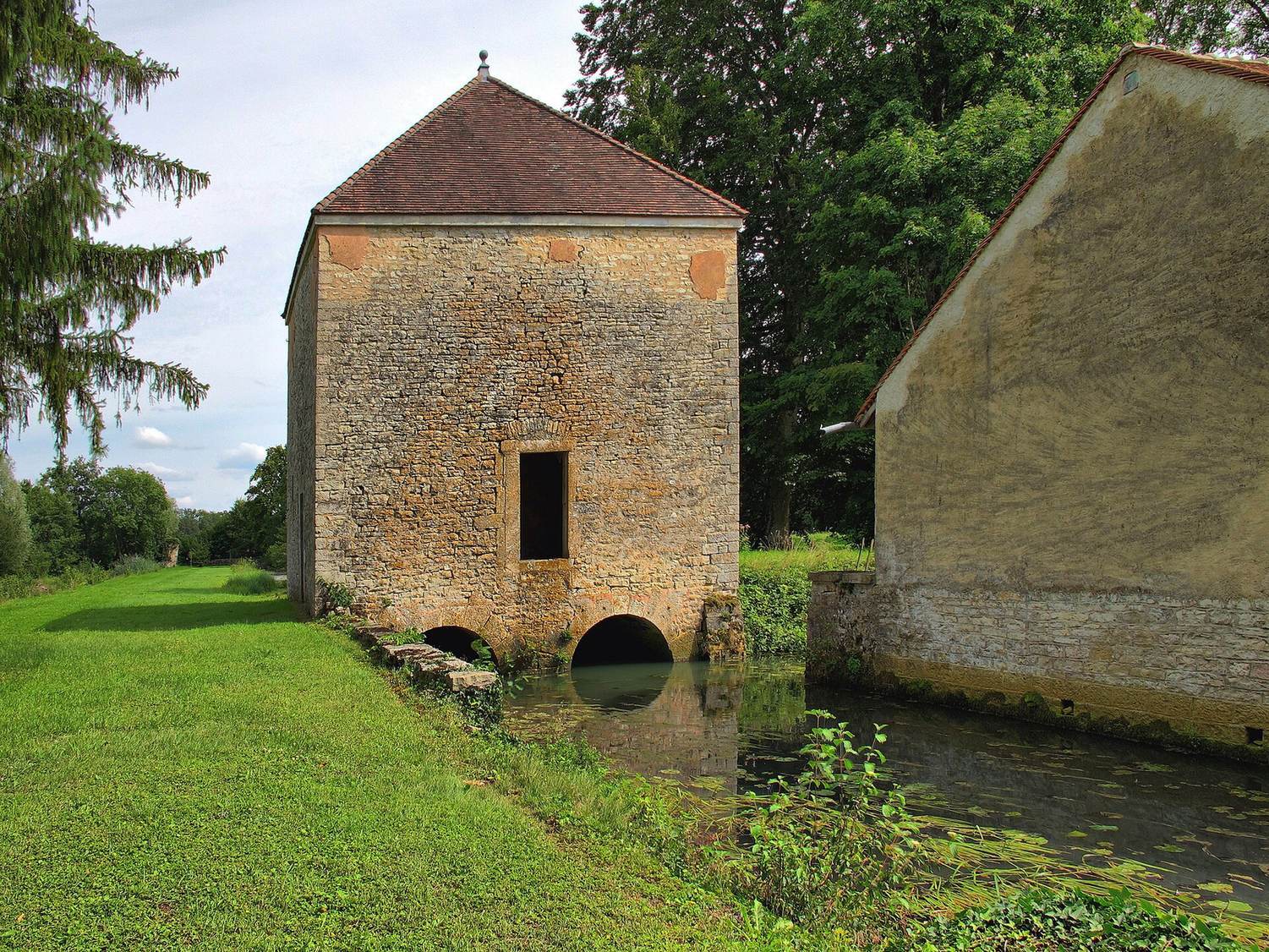
Other surviving features include ancillary buildings and remnants of the abbey’s waterworks: a basin, a mill, and a dovecote, a building for housing pigeons.
Garden and estate buildings
The quarters associated with the abbot included a garden laid out in the classical tradition. An icehouse stands opposite the former farm and inn, buildings that once depended on the abbey.
Fontaine-Robert grange
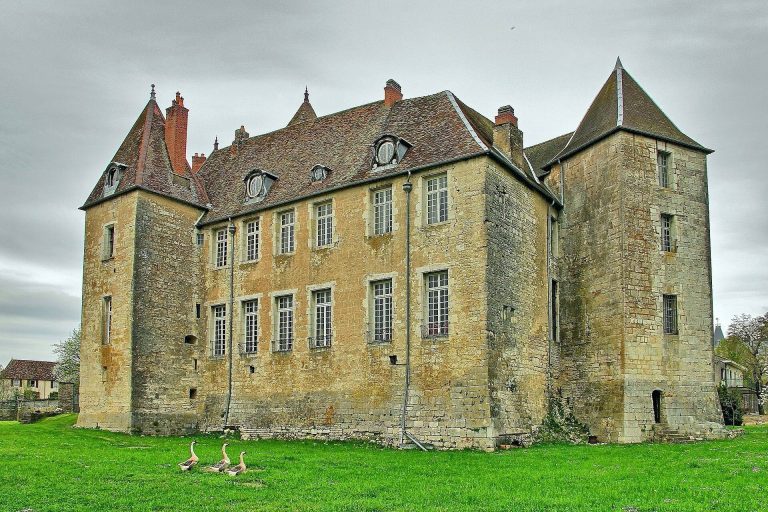
Nearby, the eighteenth-century Cistercian grange of Fontaine-Robert preserves the layout of a monastic agricultural estate. Its buildings include lodgings, barns, stables, and an oven.