Forst, Lower Saxony: A Former Manor and Administrative Seat
Site at a Glance
- Popularity
- Medium
- Country
- Germany
- Primary era
- Early Modern
- Eras represented
- Early Modern
- Civilizations
- Holy Roman Empire
- Site type
- Domestic
- Remains
- Manor House
On this page5 sections
History
Forst is a district of Bevern municipality in Lower Saxony, Germany, and the site of a former manor farm and fortified administrative seat. The settlement is first recorded in 980, when Corvey Abbey, a major medieval monastery and landholder, was its largest landowner. In 1437, the Lords of Kannen, a noble family from Lügde, held 11 farms and 16 smallholdings there.
Forst was partly deserted during the fifteenth century. In 1494, the local administrative seat of the Duchy of Brunswick-Lüneburg, a historical German duchy, moved from Großer Everstein Castle to higher ground west of the village. The 14 farmers and cottagers who remained were resettled in Lütgenade, which was then deserted.
In 1807, the administrative seat became a state domain, an estate held or administered by a ruler or state. The change brought extensive alterations to the estate’s earlier buildings.
Remains
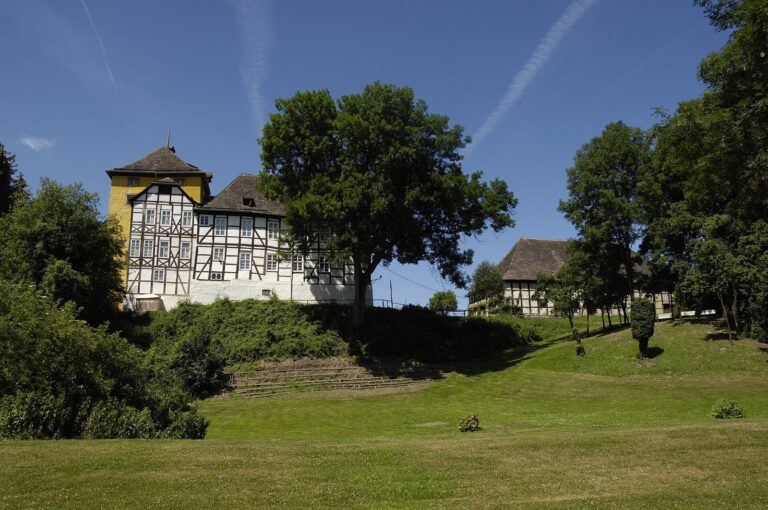
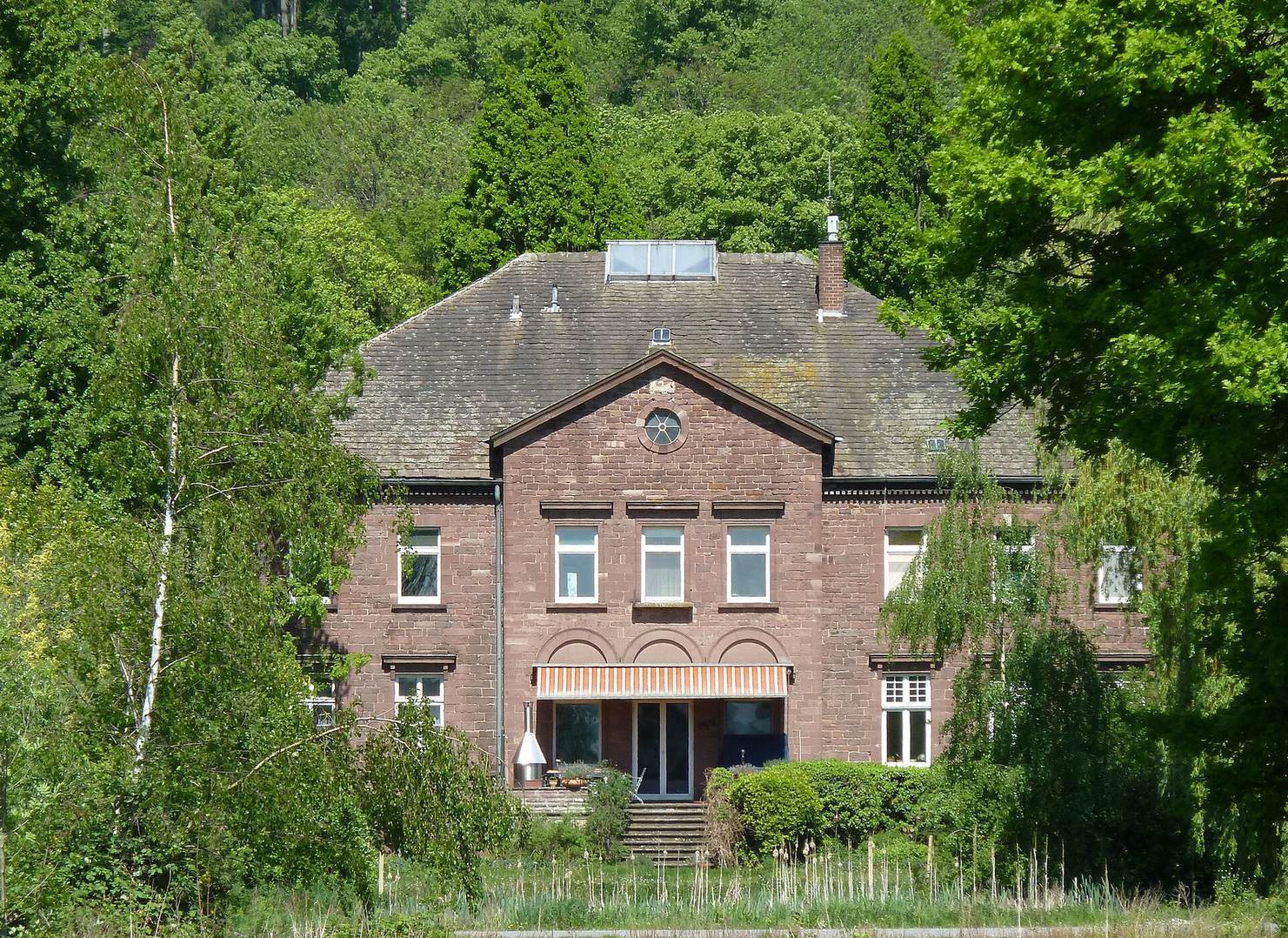
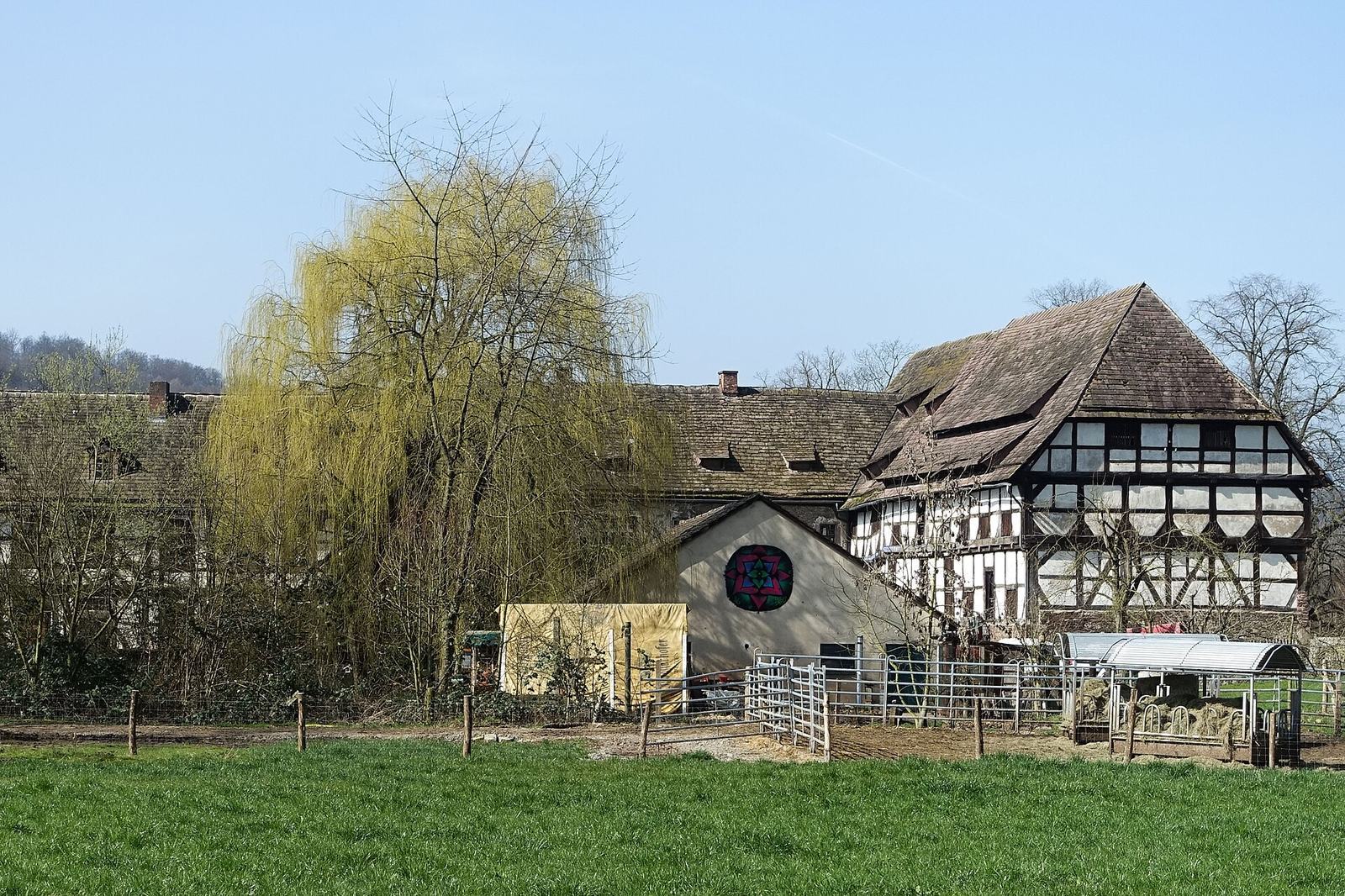
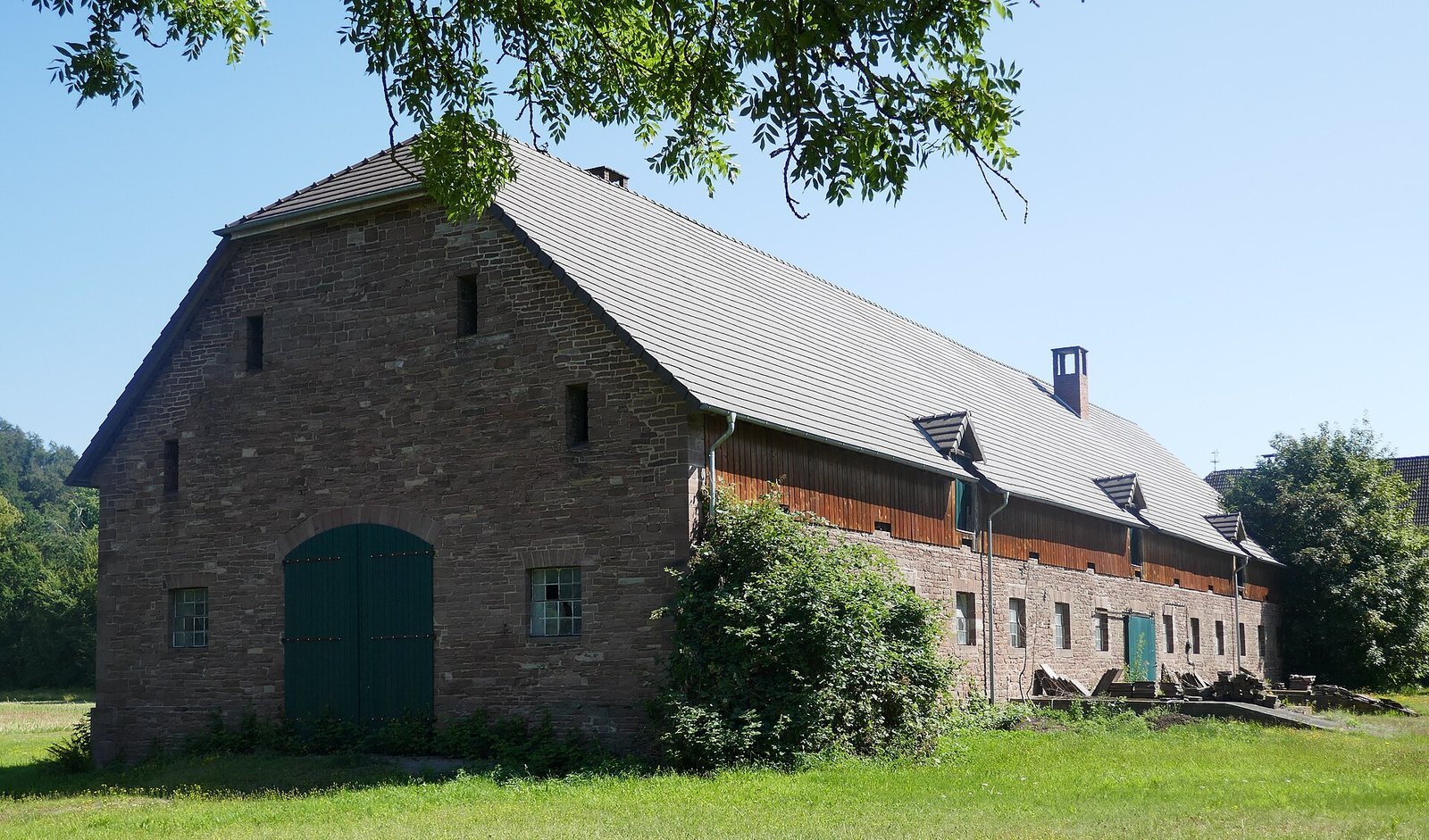
The surviving estate buildings include administrative and farm structures, as well as a building traditionally called the “castle.” The original complex probably had the character of a water castle, incorporating water into its setting or defenses.
Estate buildings
The building known as the castle
This structure is the estate’s only rubble-stone building and may belong to an earlier building phase than the other surviving structures. The form of that possible earlier phase is uncertain. A 1654 engraving by Matthäus Merian, a seventeenth-century engraver known for topographical works, depicts a tower adjoining the building.
Administrative and farm buildings
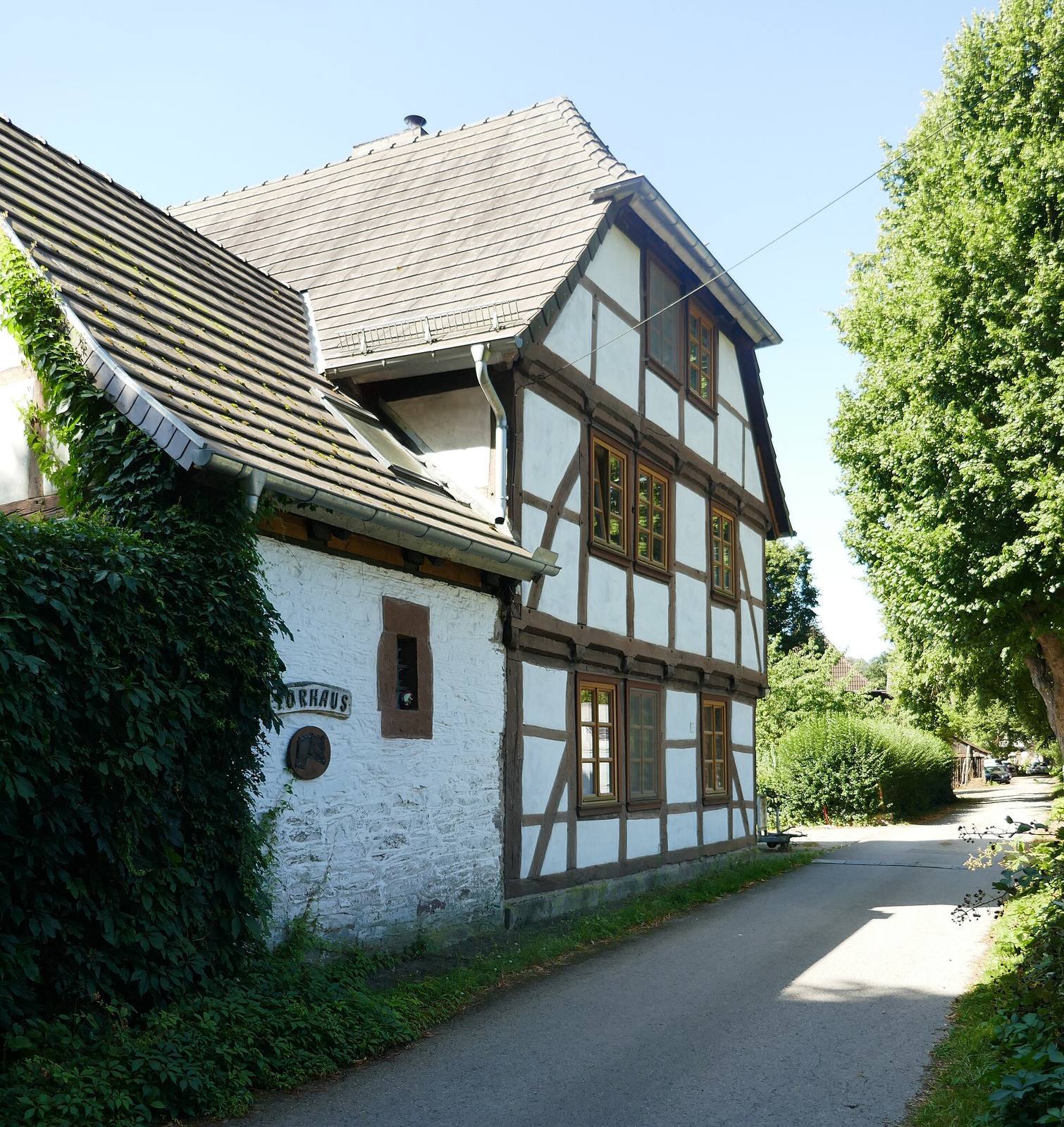
The old and new administrative houses, granary, and brewery were erected during the sixteenth century. Each has a timber-framed upper storey above a rubble-stone base.