House of Plague at 15 Stary Rynek Oliwski: A Former Abbey Gate in Gdańsk-Oliwa
Site at a Glance
- Popularity
- Medium
- Country
- Poland
- Primary era
- Medieval
- Eras represented
- Medieval, Early Modern, Modern
- Civilizations
- Kingdom of Prussia, Teutonic Order
- Site type
- Military
- Remains
- Gate
On this page5 sections
History
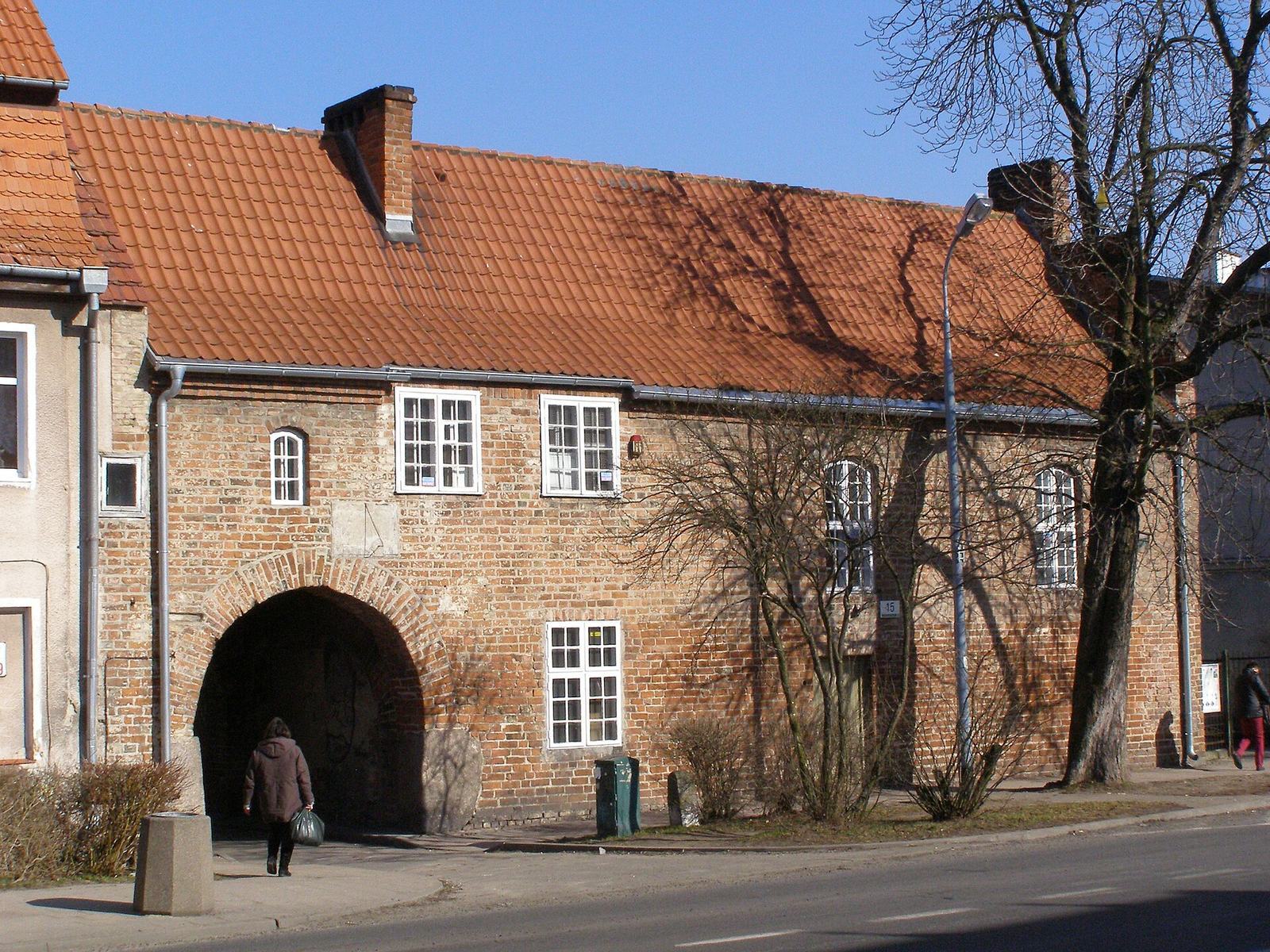
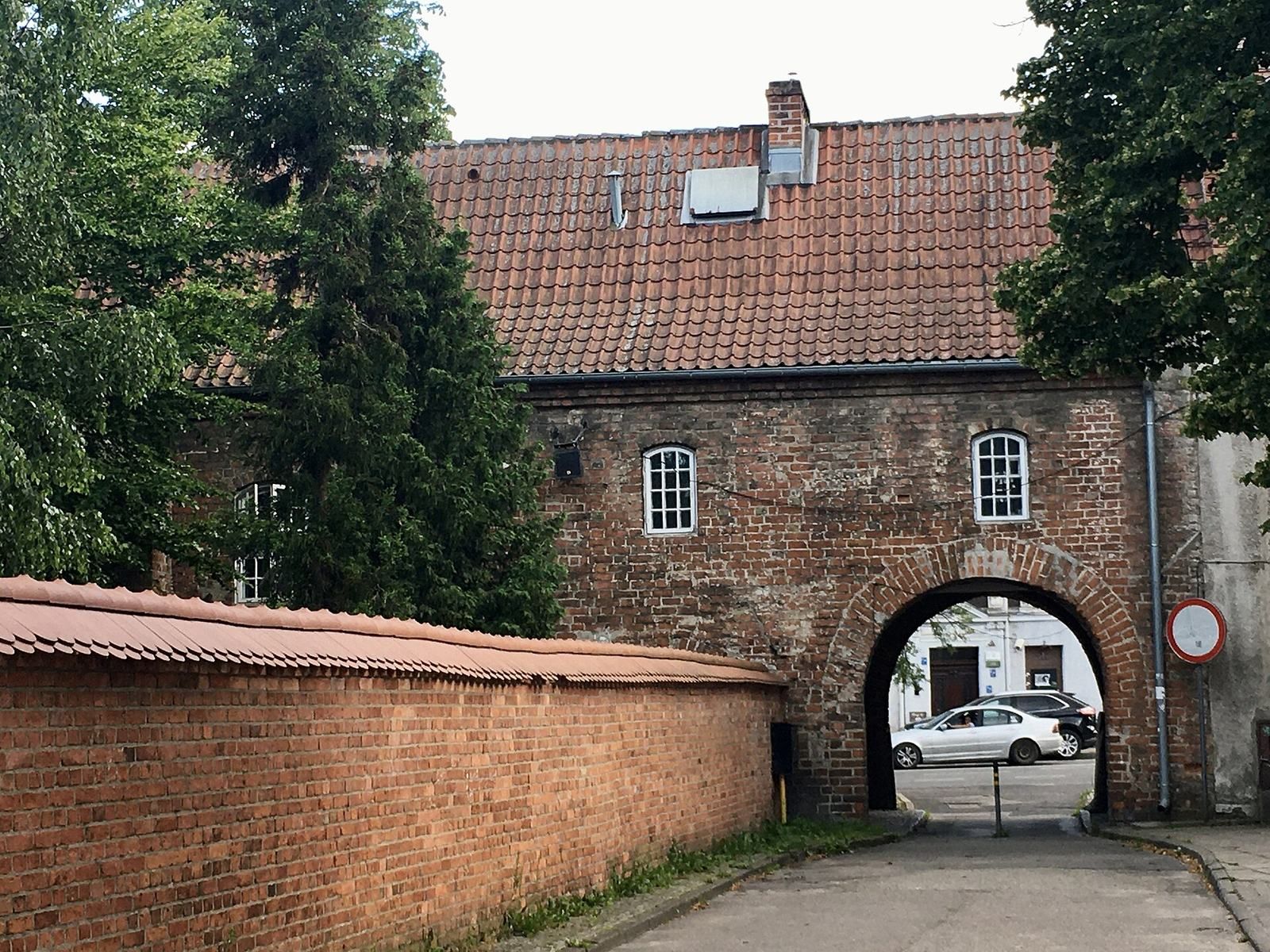
The House of Plague at 15 Stary Rynek Oliwski in Gdańsk-Oliwa, Poland, is a two-storey Gothic building, in a medieval European architectural style, erected around the 14th century as the principal entrance to the precinct of the local Cistercian abbey, a monastery of the Catholic order that follows the Rule of St Benedict. Polish kings and other distinguished visitors entered the abbey through this gate.
Abbey gate and plague chapel
Known as the Gatehouse or Great Gate, the building also housed the monastery’s vogt, a local administrative official, and a chapel dedicated to St Bernard, the 12th-century Cistercian abbot and theologian. The building was destroyed in 1577 and rebuilt two years later.
During the 1709 plague epidemic, which killed half of Gdańsk’s residents, the chapel was used both to quarantine the sick and as a church for them. Nine monks came to care for those infected: six volunteered, while three were chosen by lot. None survived. In their memory, the former gate became known as the House of Plague and its chapel as the Plague Chapel.
Civic use and reconstruction
From 1804, the building housed Oliwa’s village head. In 1836, the chapel was removed as the interior was adapted for the village administration, and two cells for criminals were installed. The administration used the building until 1910, after which it became a residence. It was partly burned in 1945, near the end of the Second World War, and reconstruction was completed in 1963. Cultural organizations then made use of the building.
Cultural uses
The Stara Oliwa Association began operating in the building in 2002. Its founder was architect Danuta Rolke-Poczman, whose name the association adopted from January 2022. Teatr z Polski 6, or Theater from Poland 6, operated there from 2008 to 2021 under the direction of Ryszard Jaśniewicz and his wife, Gabriela Pewińska-Jaśniewska. The theater staged one-person plays written by the couple. A stage named for Jaśniewicz opened in the building on 27 March 2022, and a Neighborhood House began operating there that November.
Rolke-Poczman’s final initiative was the Oliwa Peace Bugle Call, composed by Jadwiga Możdżer and sounded from the building in memory of the Treaty of Oliva. Signed in 1660, the treaty ended the Second Northern War between Sweden and the Polish-Lithuanian Commonwealth.
Remains
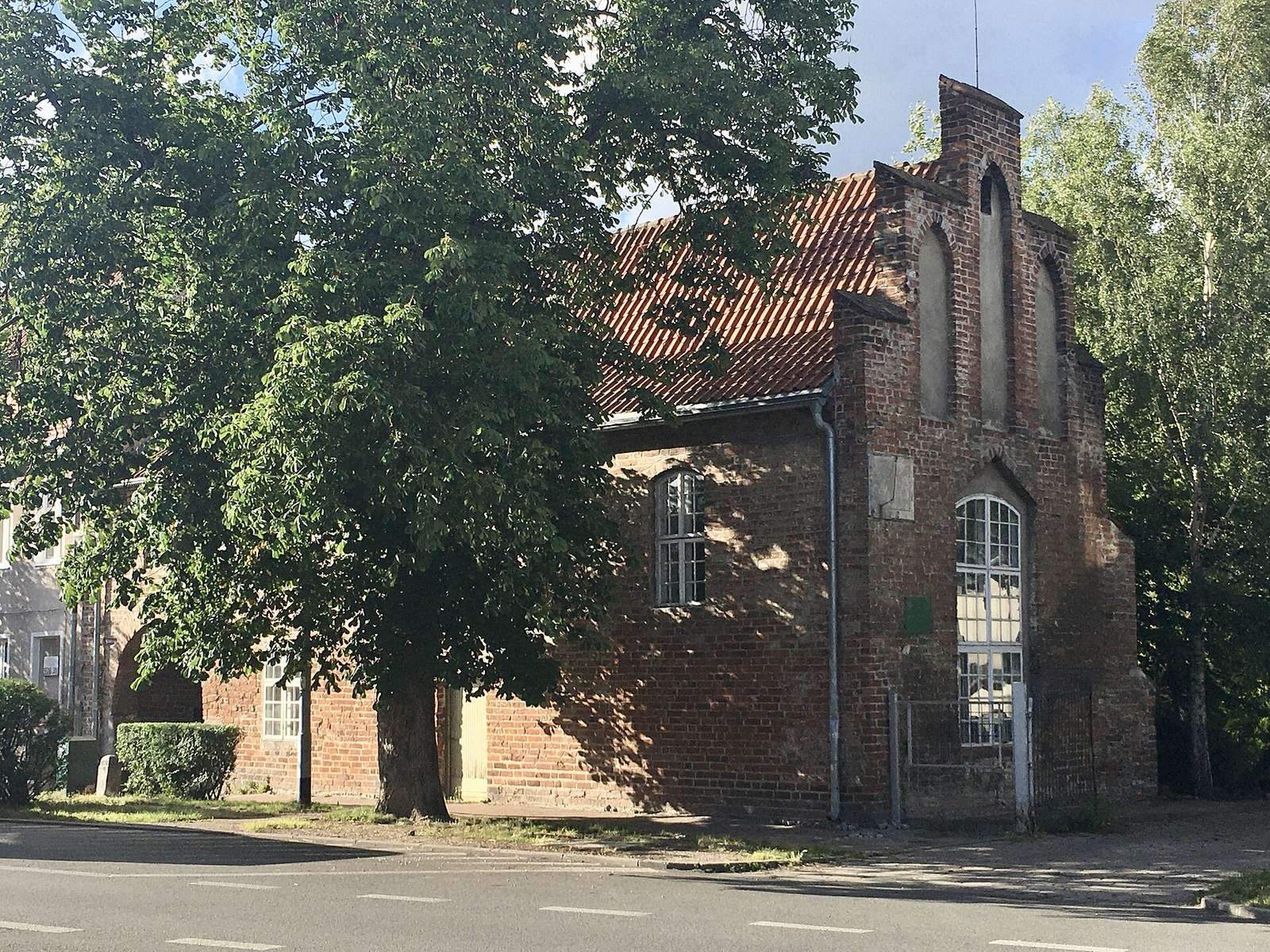
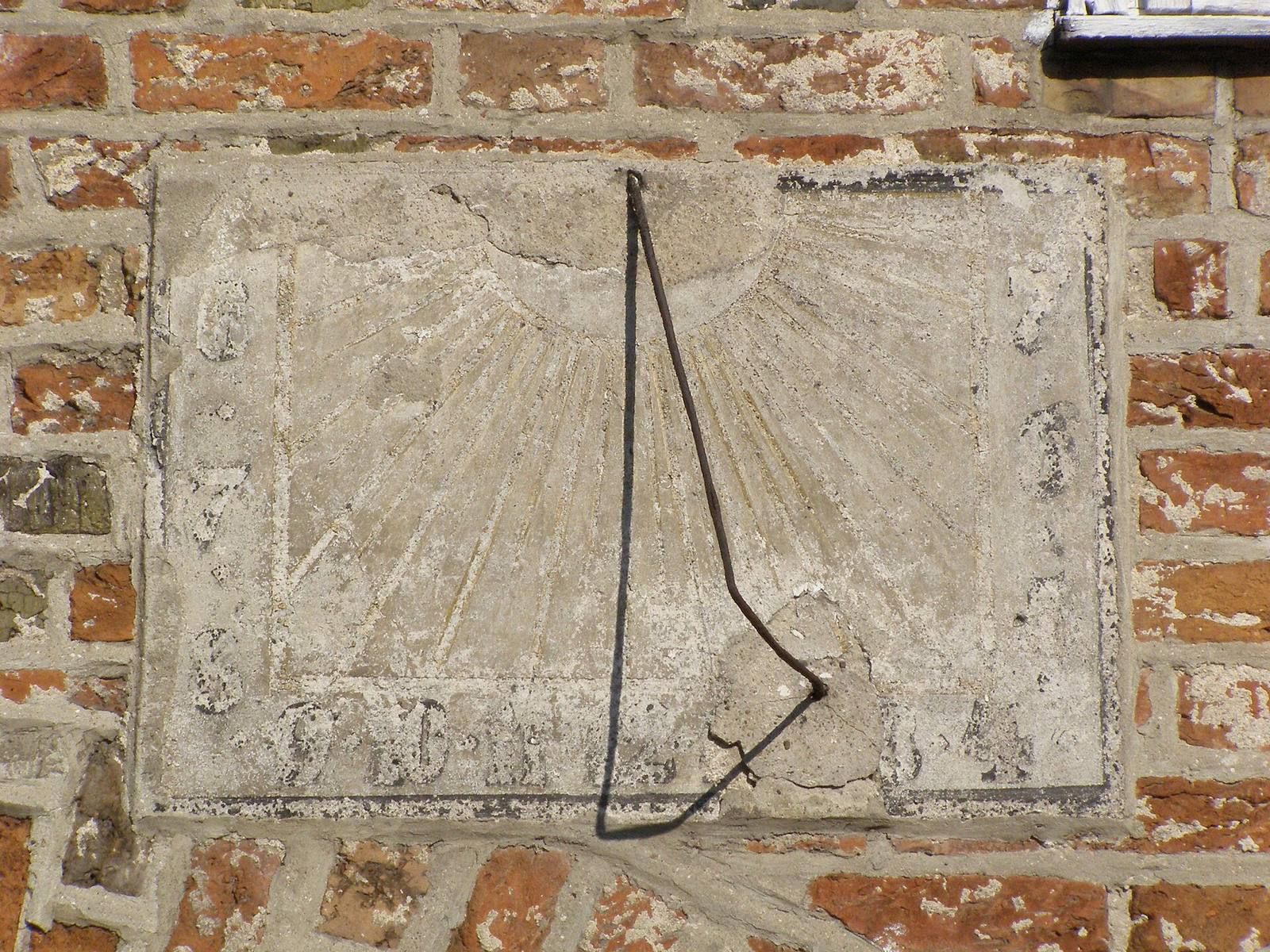
The two-storey building retains its Gothic form. Its eastern stepped gable has Gothic niches, while a passage through the western ground-floor section is spanned by a semicircular arch. Two sundials, probably installed during the 18th century, also form part of the building’s exterior.