Roman Baths: Explore Thermal Pools, Heated Rooms and Bathhouses
Explore Roman baths through standing halls, spring-fed pools, preserved heating systems and bathhouses later adapted for other uses. The collection includes large public complexes and smaller establishments connected with military settlements. Its surviving structures reveal how water, heat and movement between rooms were managed in different settings.
Some baths depended on naturally hot water; others used furnaces to heat floors and walls. These arrangements can be understood at the sites themselves, through raised floors, hollow wall bricks, pool steps and surviving vaulted rooms. The examples below range from Algeria’s Aurès mountains to Roman towns in France, Germany and Italy and a coastal fort in Britain.
Type: All
Country: All
Popularity: All
Rating: All
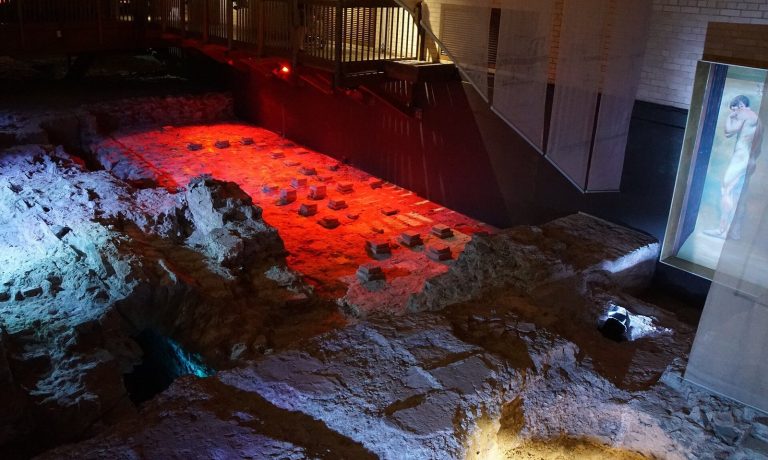
Caerleon Roman Fortress Baths formed part of Isca Augusta, a Roman legionary fortress established around AD 75 as the base of Legio II Augusta and…
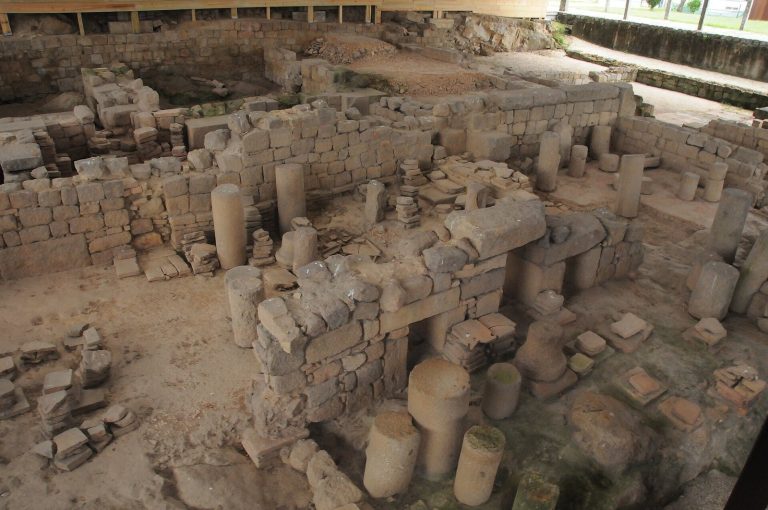
The Roman Thermae of Maximinus formed part of Bracara Augusta's urban development as the capital of Gallaecia. Built in the later 1st century AD, the…
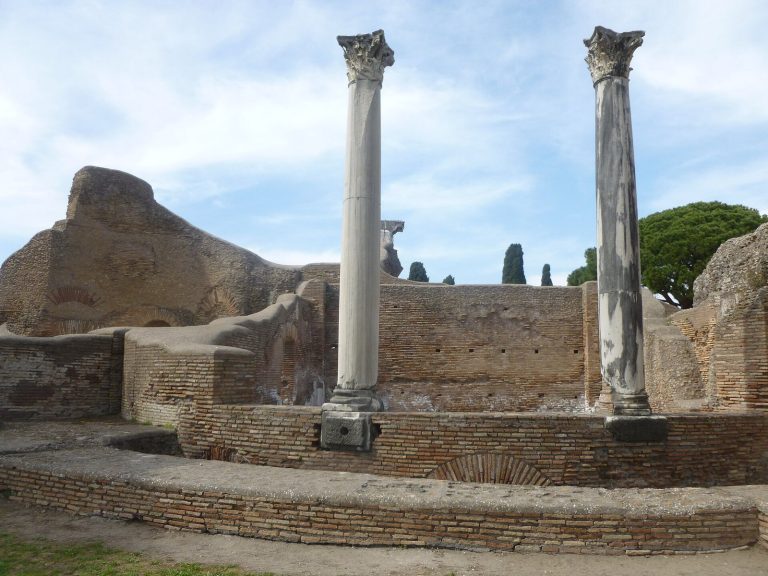
Built around AD 160, the Forum Baths became Ostia’s largest bath complex, with a central bathing block, exercise court, and extensive heating and…
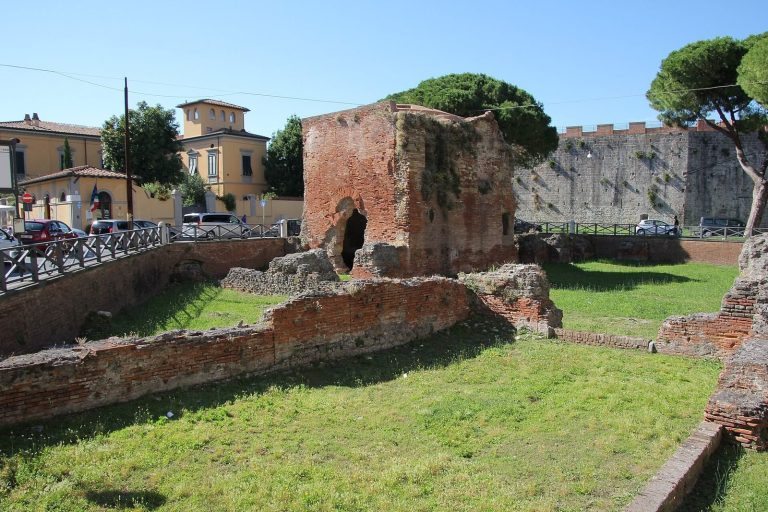
The Baths of Nero are the excavated remains of a Roman bath complex in Pisa, built in the late 1st century AD and rebuilt during the 2nd century.…
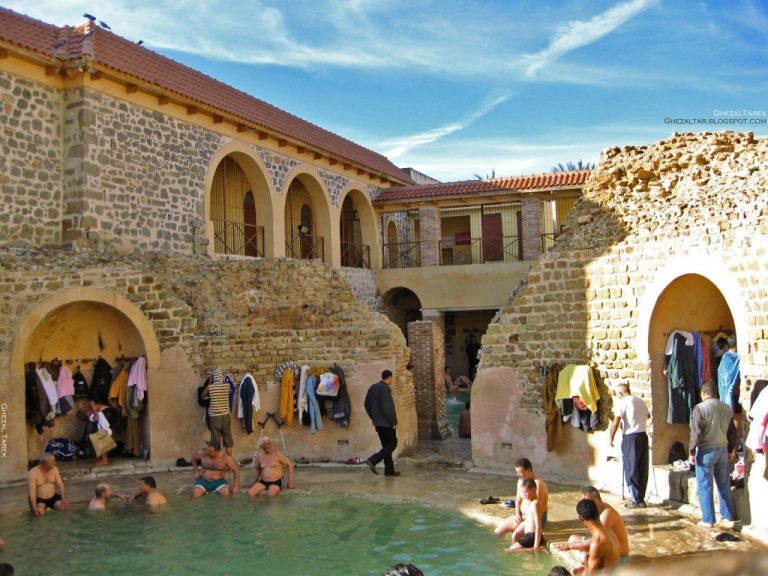
Hammam Essalihine, the Roman Aquae Flavianae, is a late first-century thermal complex in Khenchela Province that continues to use natural hot springs…
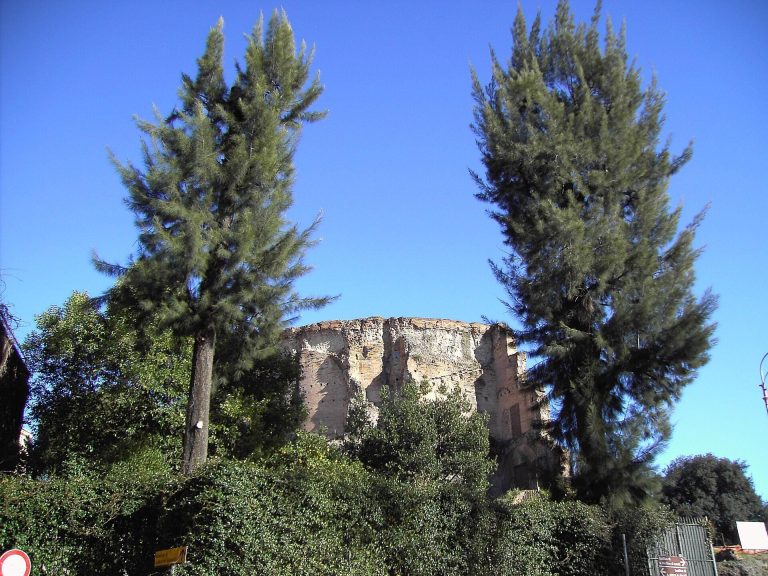
Built in AD 81 under Emperor Titus beside the Colosseum, the Baths of Titus helped return part of Nero’s former Golden House to public use and…
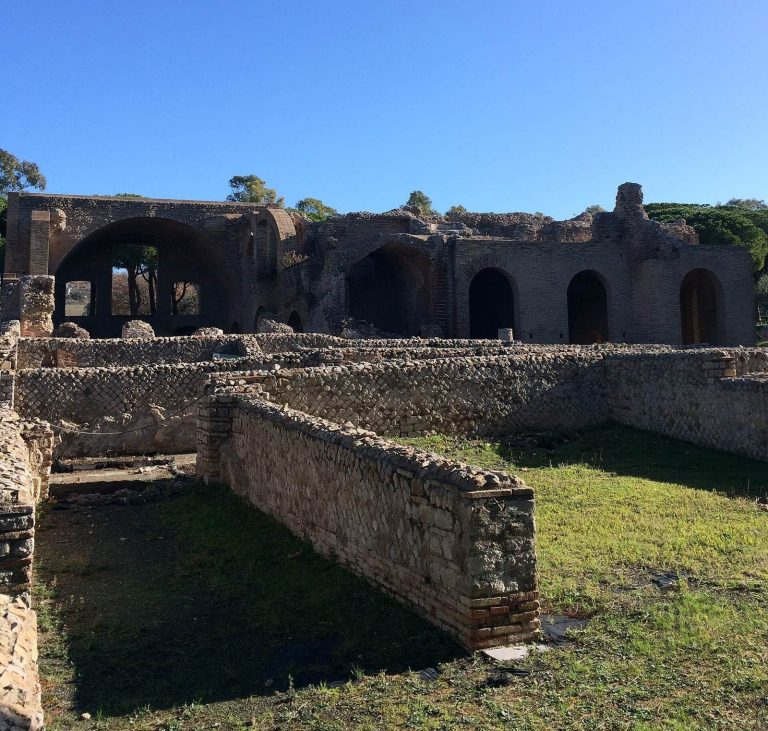
Terme Taurine is a large Roman bathing complex near Civitavecchia, built over sulphurous thermal springs and expanded during the reigns of Trajan and…
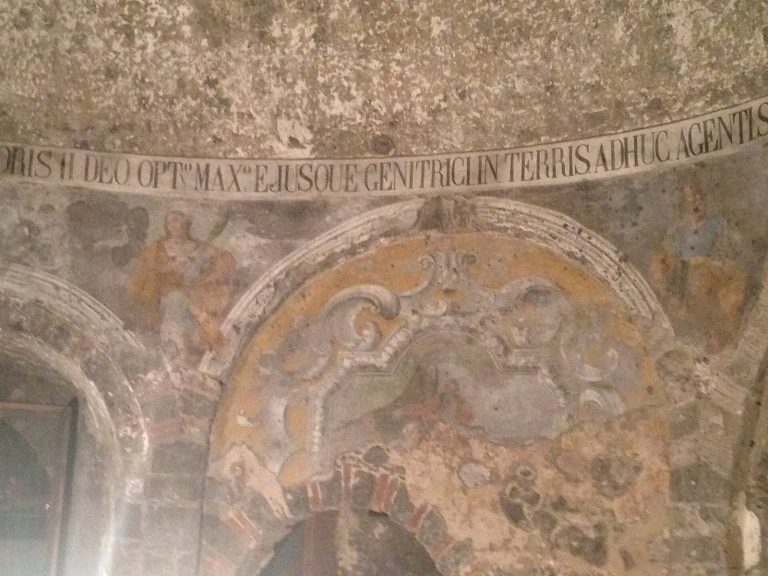
Terme della Rotonda in Catania preserves the remains of a Roman bath complex later converted into the Byzantine church of Santa Maria della Rotonda.…
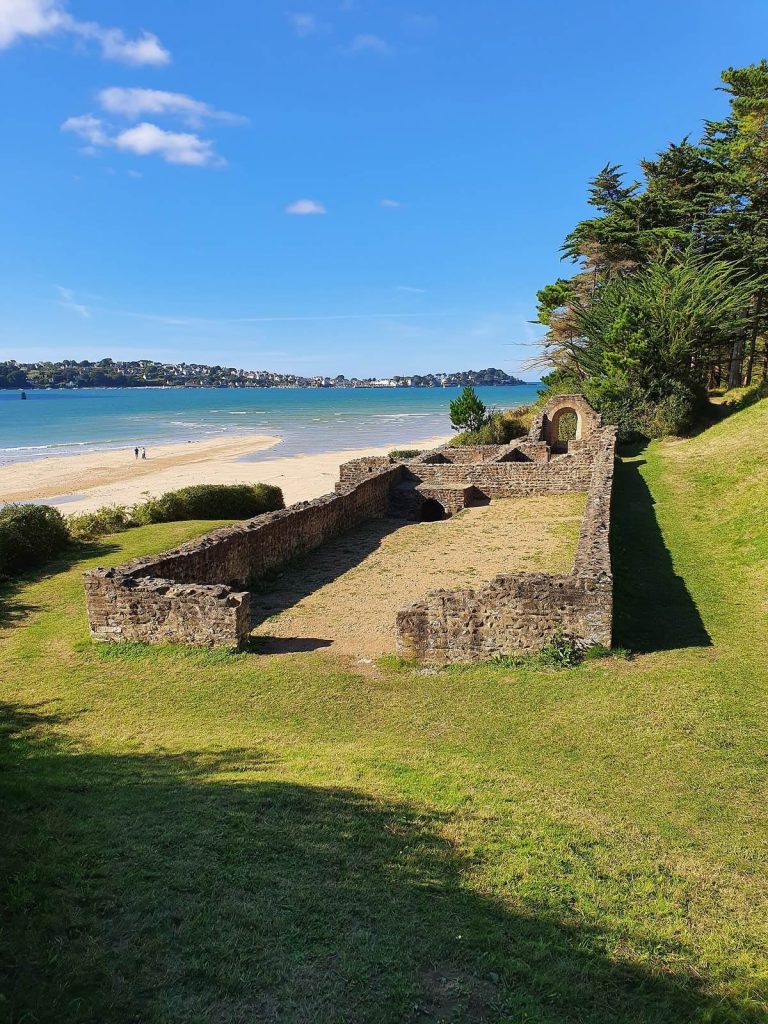
Thermes du Hogolo is a Roman-period bathing complex at the mouth of the Douron estuary in Plestin-les-Grèves. Built and enlarged between the first…
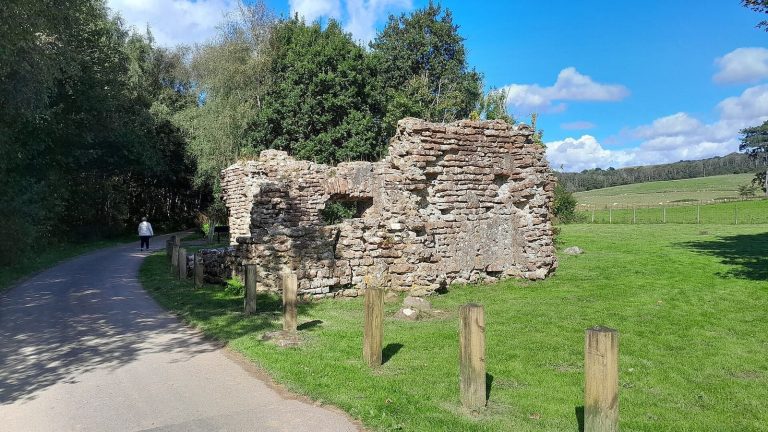
Ravenglass Roman Bath House was built outside a Roman fort guarding the mouth of the River Esk. Its surviving walls, heating system, and relationship…
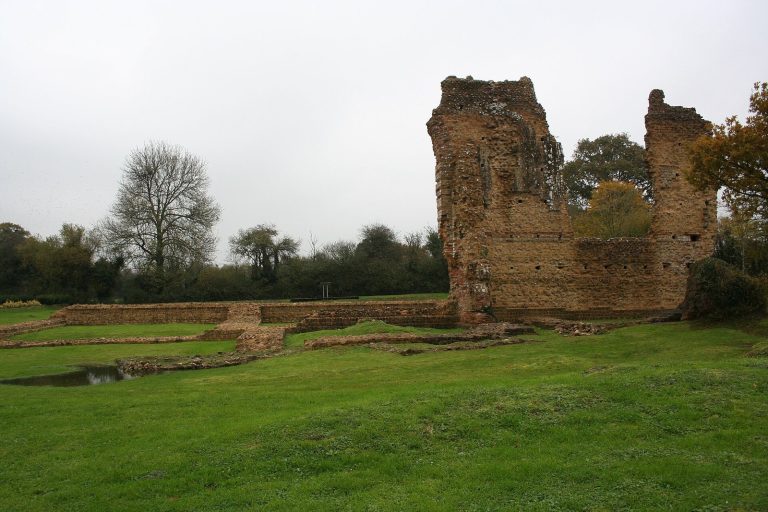
The Gallo-Roman baths of Alauna at Valognes were built around AD 60 to 80 and formed a substantial Roman bathing complex with heated rooms, pools,…
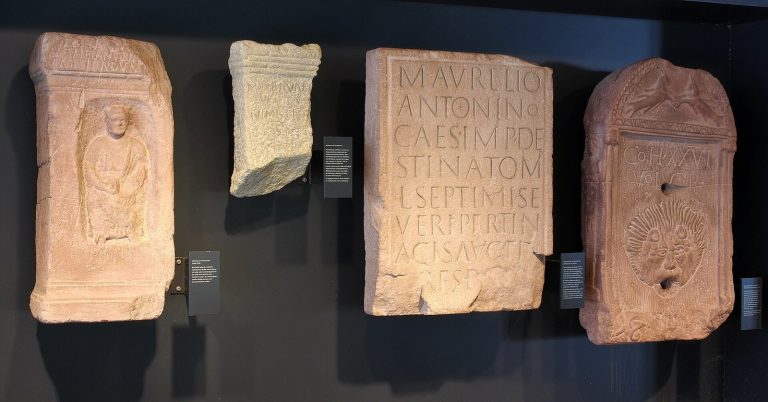
The Roman Bath Ruins preserve two ancient bathing complexes associated with Aquae, the Roman settlement at present-day Baden-Baden. They include the…
For details on how to use the maps, which sites are included, how popularity and ratings are determined, and how sites are classified, see the help page.
On this page5 sections
Hot rooms and heating systems
The Thermae of Constantine in Arles preserve a high-walled hot room beside the Rhône. Its three bathing pools included a semicircular basin lit by three windows and covered by a curved vault. The raised floor and the heating space beneath it survive alongside the adjoining warm room and dry-heated chamber. Other parts of the complex extend beneath the town to the south, so the exposed building represents one substantial portion of a larger establishment.
At the Roman baths in Baden-Baden, the preserved heating installation makes the circulation of hot air particularly clear. Brick supports held the floor above the furnace-heated space, while hollow bricks carried heat through the walls. A heating room survives almost completely in the bath complex beneath the Friedrichsbad terrace. These service structures explain how builders warmed a suite of rooms without placing an open fire in each bathing space.
Pools supplied by natural springs
Hammam Essalihine, near Khenchela in Algeria, was built around natural springs in the Aurès region. Its principal Roman pools have contrasting shapes: one is rectangular and surrounded by columns, while the other is circular, about eight metres across. The circular pool was originally covered by a dome. Here the source supplied naturally heated water, making the pools themselves central to understanding the ancient installation.
The Terme Taurine, near Civitavecchia in Italy, contain Republican and imperial bath suites developed around thermal water. An early circular bath was later converted into a dry-heated room by adding a raised marble floor. Elsewhere, a large spring-fed pool was accompanied by smaller tubs, with outlets allowing water to pass between them. The complex also retains mosaic-floored rooms and the arrangement of a colonnaded garden.
Those successive installations are useful for following changes within one bathing establishment. The later suite enlarged the scale of the pools and surrounding rooms, while earlier spaces received new floors and heating arrangements. Bathing facilities could be repeatedly modified as a complex grew.
Ravenglass: a military bathhouse with standing walls
The Ravenglass Roman Bath House stands outside the site of a Roman fort on England’s Cumbrian coast. Four rooms retain walls reaching almost four metres, including window openings, niches and patches of red and white internal plaster. External buttresses supported the building’s heavy roof structure.
Its compact, adjoining rooms make a useful example of a garrison bathhouse. The surviving western end belongs to a longer building whose heated rooms extended eastwards. The precise functions of some chambers remain uncertain, and the excavated underfloor-heating remains have been reburied. The standing masonry nevertheless preserves the height and enclosure of the rooms, rather than only their ground plan.
Catania’s Rotonda: baths adapted as a church
The Terme della Rotonda in Catania combine Roman bathing rooms with a later church. The circular domed space occupies part of the ancient complex, while surrounding excavations expose an apsidal hall, heated rooms and brick supports beneath former floors. A reservoir north of the church belonged to the baths’ water supply.
The later religious building introduced chapels, entrances and painted decoration into the earlier structure. Its medieval frescoes belong to that Christian use, while the hypocaust supports and connected bathing rooms identify the Roman complex around it. This is a different survival history from an abandoned open-air bathhouse: part of the building remained enclosed through its adaptation to worship.
Explore the collection
Select a map marker or a grid entry to open a site’s article. Use the country, popularity and rating filters to narrow the collection. Individual articles explain the surviving pools, heating arrangements and later alterations at each bath complex.