Ptolemaic Kingdom: Sites and Map
Ptolemaic monuments connect the Egyptian Nile Valley with Cyprus and the Libyan coast. Large temples preserve the dynasty’s patronage of Egyptian gods, while ports, cities and rock-cut tombs show other settings within its eastern Mediterranean kingdom.
Primary Function: All
Type: All
Country: All
Popularity: All
Rating: All
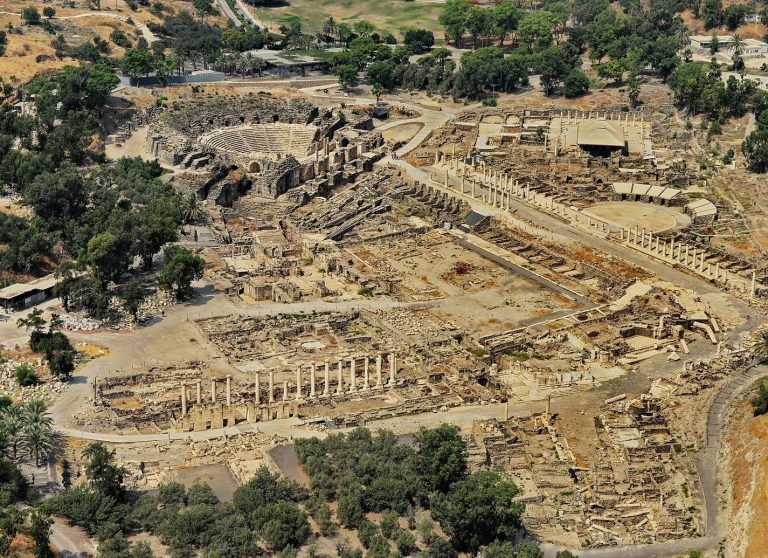
Beit She'an National Park preserves a settlement occupied from the Neolithic period through the medieval era, including an Egyptian administrative…

The Dendera Temple Complex preserves a long sequence of Egyptian, Ptolemaic, and Roman religious architecture, centered on the Temple of Hathor and…
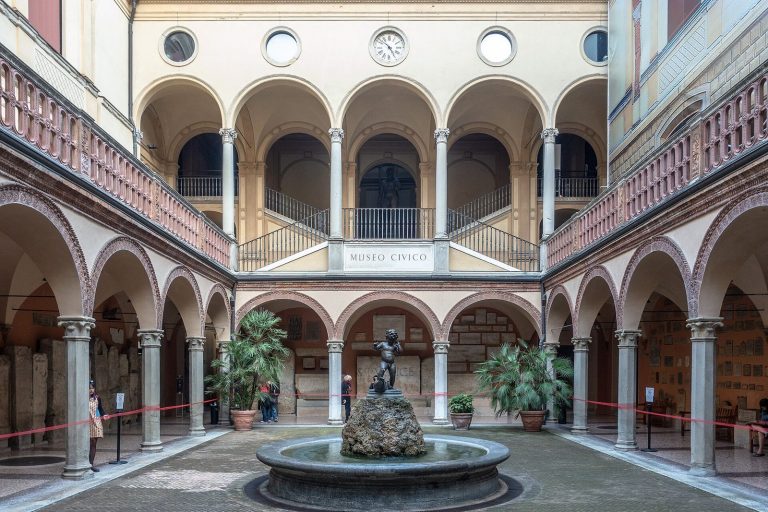
The Civic Archaeological Museum Bologna, founded in 1881, preserves archaeological evidence from Bologna and its surrounding territory alongside…
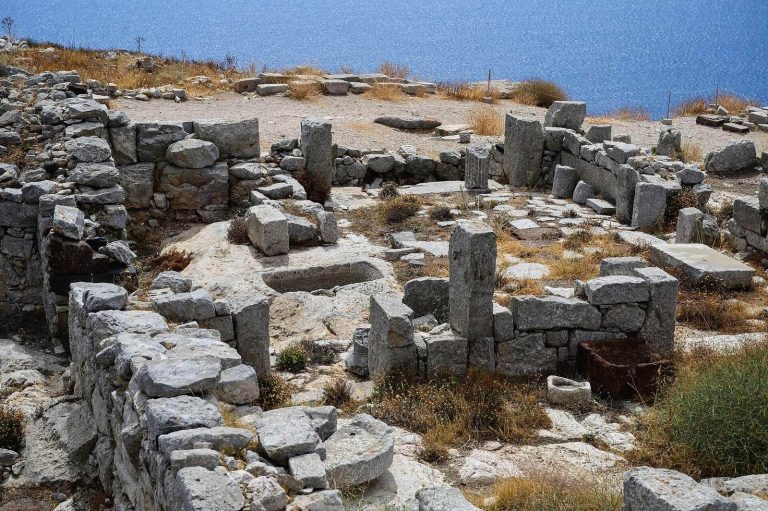
Ancient Thera was a Dorian-founded city on a steep limestone ridge in Santorini. Its history spans Archaic Greek, Hellenistic, Roman, Byzantine, and…
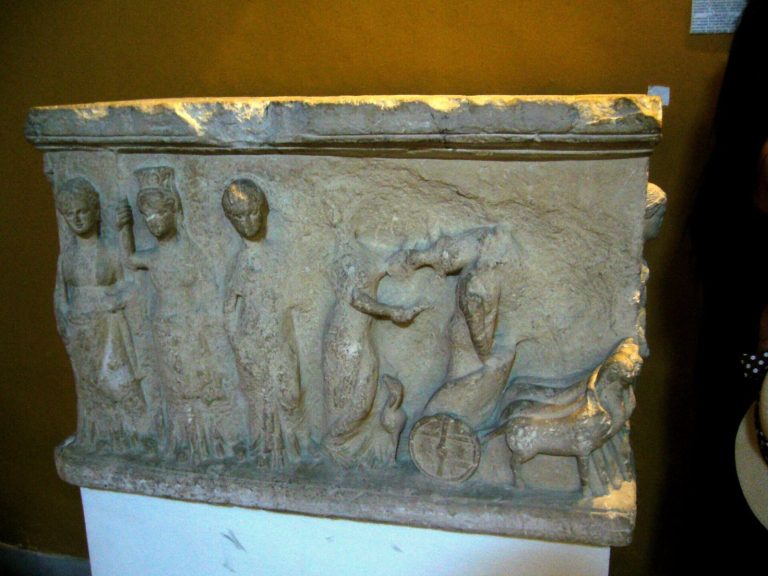
Founded in 1882 to protect Cyprus’s antiquities, the Cyprus Museum preserves archaeological material from the Neolithic period through Roman rule and…
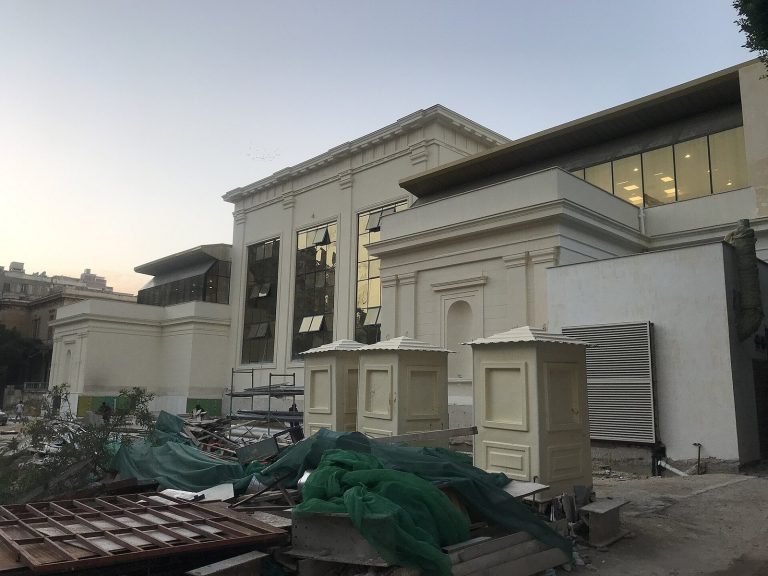
Founded in 1892, the Greco-Roman Museum in Alexandria preserves archaeological material spanning ancient Egyptian, Greek, Roman, Coptic, and…
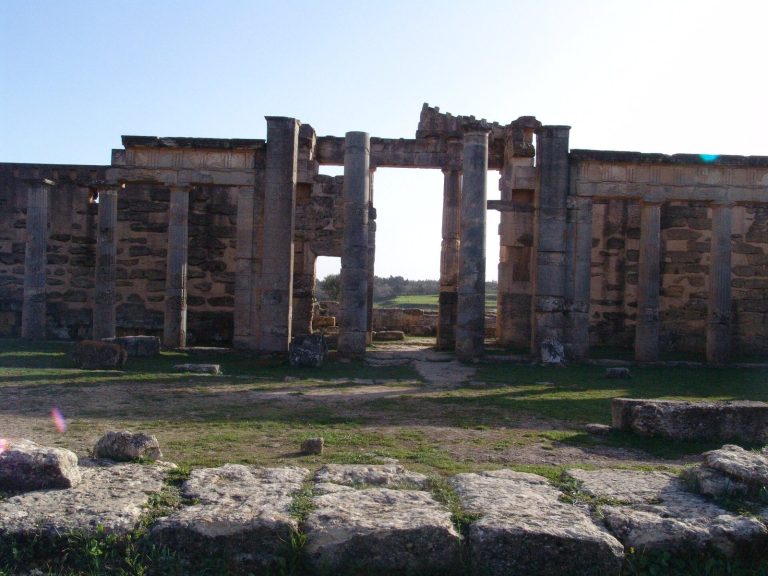
Cyrene was a Greek colony, Hellenistic kingdom, and Roman city in northeastern Libya. Its remains preserve temples, theatres, civic buildings,…
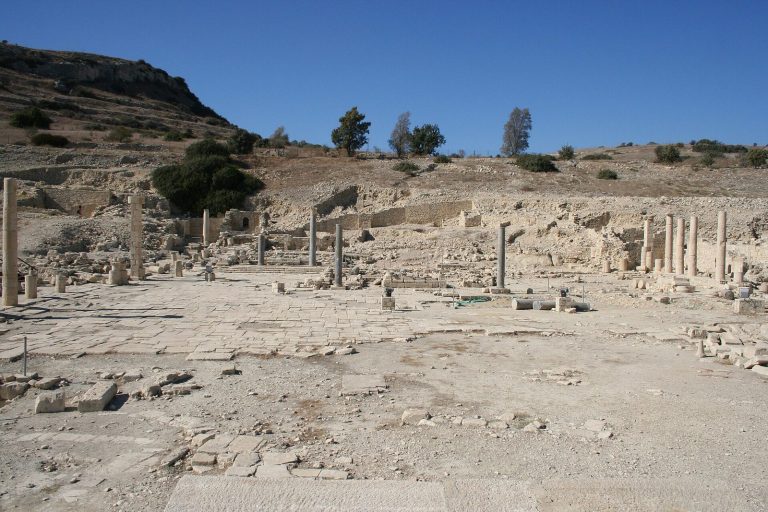
Amathous preserves the history of a Cypriot royal city-kingdom from the early Iron Age through Late Antiquity, including its acropolis, sanctuaries,…
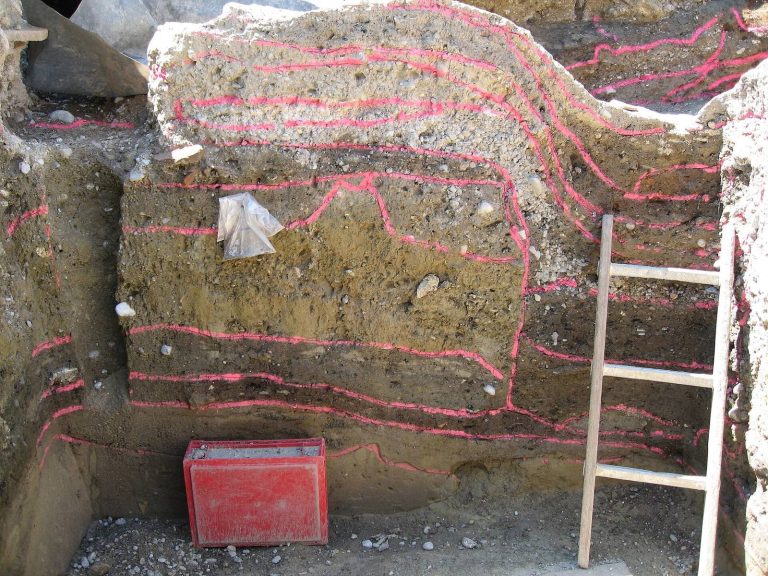
Founded in the sixteenth century BC in Egypt’s Wadi Tumilat, Tell el-Maschuta developed into a canal-linked trading center before becoming a…
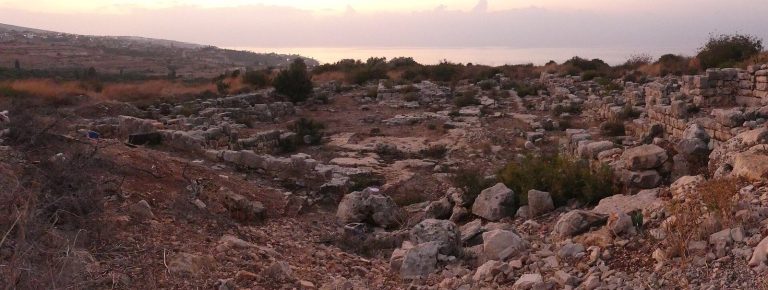
Near Naqoura, Umm al-Amad preserves two temple complexes and evidence of a Phoenician religious center active chiefly during the Hellenistic period.
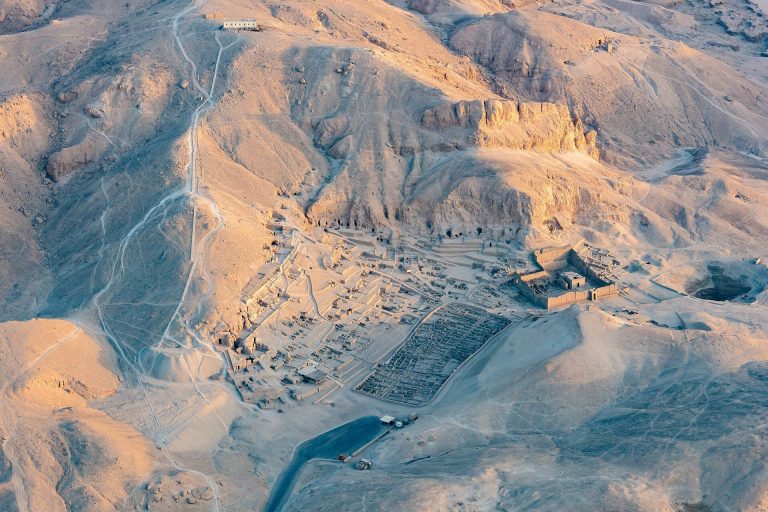
Deir el-Medina was a New Kingdom settlement for the artisans and officials who built and decorated royal tombs near Luxor. Its houses, tombs,…
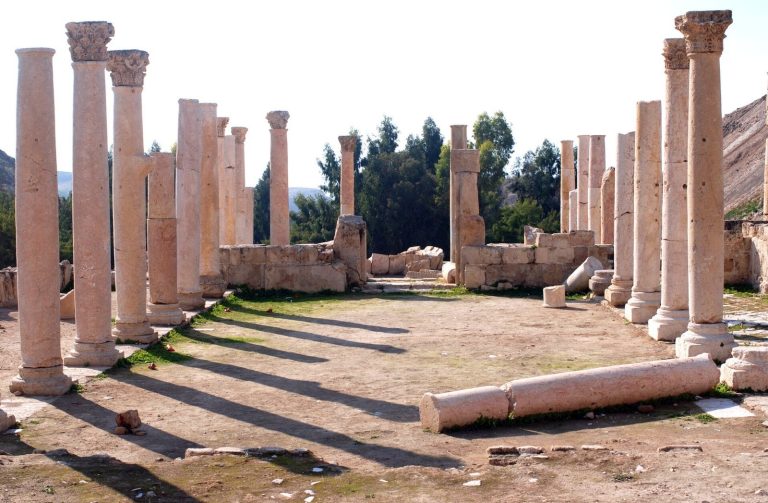
Pella in northern Jordan preserves evidence of occupation from the Neolithic period through the Islamic era, including Bronze Age fortifications,…
For details on how to use the maps, which sites are included, how popularity and ratings are determined, and how sites are classified, see the help page.
On this page5 sections
Edfu: the sequence of an Egyptian temple
The Temple of Horus at Edfu was built between 237 and 57 BC. Its sandstone walls and massive entrance pylons enclose a sequence of courts, columned halls and smaller sacred rooms. Pylons are the paired towers framing a temple gateway; at Edfu they give the approach a monumental front.
Movement inward led from broad public-facing spaces toward a more enclosed sanctuary. Reliefs and inscriptions present the Ptolemaic rulers in the role of Egyptian pharaohs making offerings to the gods. The building therefore shows how a dynasty of Macedonian origin participated in an established Egyptian language of kingship and temple ritual.
Kom Ombo and Dendera: temples for different divine communities
The Temple of Kom Ombo has a distinctive double arrangement. Parallel entrances and sacred spaces served Sobek, the crocodile god, and Haroeris, a form of Horus associated with a falcon. Construction began under Ptolemy VI and continued through later Ptolemaic and Roman phases.
At Dendera, the principal temple of Hathor began in the late Ptolemaic period. A relief on its rear wall depicts Cleopatra VII with her son Caesarion. The large columned forehall is Roman, showing how temple building continued after the dynasty ended. The two sites connect particular gods and local religious communities with royal patronage extending over generations.
Philae: an island sanctuary of Isis
The Temple of Isis at Philae developed under the Ptolemies and later Roman rulers near the boundary between Egypt and Nubia. Gates, courts and columned spaces organised the approach to the goddess’s sanctuary, which attracted worshippers from the surrounding region and beyond.
The buildings now stand on Agilkia Island, where they were reassembled during the modern rescue campaign associated with the Aswan dams. Their present setting is therefore relocated, while the masonry and carved decoration preserve the ancient temple. The best-known structures also include later work, such as the Roman kiosk associated with Trajan.
Paphos: tombs shaped like buildings
The Tombs of the Kings at Paphos in Cyprus were used by high-status inhabitants, rather than by the Ptolemaic royal family. Several tombs were cut into bedrock around open courtyards, with columns and entrances reproducing elements of domestic architecture below ground.
Stairways descend to these courts, and burial recesses open from the surrounding chambers. The arrangement gave a grave the appearance of an inhabited, ordered space. The tombs belong to a city closely connected with Ptolemaic administration and maritime power, and their architectural vocabulary differs markedly from the large Egyptian temples.
Nea Paphos and Ptolemais: cities facing the sea
Nea Paphos became a principal Ptolemaic centre on Cyprus, with a harbour important to the kingdom’s eastern Mediterranean network. Its archaeological remains span many periods. An early Hellenistic pebble mosaic survives beneath the later House of Dionysos, while the extensive figure mosaics for which the site is famous are predominantly Roman.
On the Libyan coast, Ptolemais developed as a Ptolemaic city and port. Its planned streets divided the settlement into regular blocks, connecting residential and public areas with the coastal setting. Later rebuilding transformed many structures, but the Hellenistic urban framework remained part of the city’s organisation. These ports complement the Nile temples by showing the kingdom’s geographical reach and dependence on maritime connections.
The map and grid open the individual temple, tomb and city articles, including the Ptolemaic remains and later additions.