Roman Bridge over Odivelas Brook: A Historic Road Crossing in Portugal


Site at a Glance
- Rating
- 4.4
- Popularity
- Very Low
- Country
- Portugal
- Primary era
- Classical
- External website
- Open
- Eras represented
- Classical, Medieval
- Civilizations
- Roman, Visigothic
- Site type
- Infrastructure
- Remains
- Bridge
On this page6 sections
History
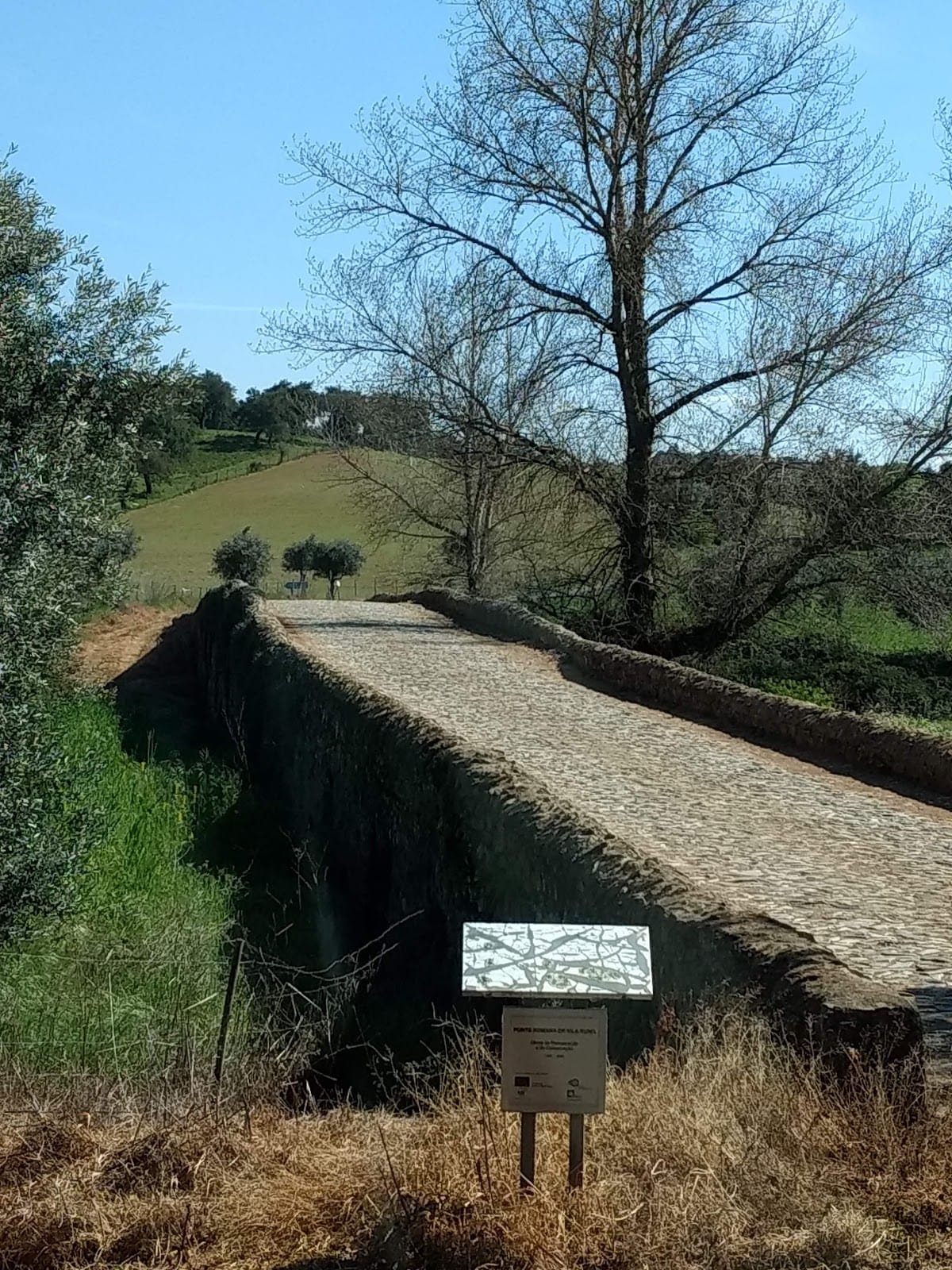
The Roman Bridge over Odivelas Brook, also called the Bridge of Vila Ruiva, is a Roman-period bridge near Vila Ruiva in Portugal. Its earliest structure, including the first three granite piers, probably dates from between the 1st century BCE and the 1st century CE. The bridge may have formed part of a Roman road linking Faro and Beja with Évora and Mérida in present-day Spain.
Roman origins and medieval rebuilding
The original crossing was later reconstructed and lengthened in several phases between the 5th and 11th centuries. These works took place during the Visigothic period, when a Germanic ruling people controlled parts of the Iberian Peninsula after Roman rule declined, and during the period of Al-Andalus, the name for territories governed by Muslim dynasties in the peninsula.
Material from the Roman bridge was reused during the later medieval building phases, alongside newly supplied stone and brick. The repeated alterations changed the structure over time and left it without complete architectural coherence.
Early modern and continuing use
Further works took place in the 16th and 17th centuries, followed by more recent interventions. The bridge remains in use, although its narrow width means that traffic crosses in only one direction at a time. It has been protected as a Portuguese National Monument since 1967.
Remains
Layout and construction
The bridge crosses the Odivelas watercourse and extends across the valley for approximately 120 metres. It is about 4.9 metres wide and reaches a maximum height of 5.3 metres. Its deck rises in a ramp and is bordered by a low parapet.
Twenty arches of different sizes carry the crossing. Fifteen are now partly underground or concealed by accumulated silt, while 13 of the arches have semicircular vaults. The structure combines granite, limestone, schist, and brick, reflecting both the Roman foundation and the materials introduced during later rebuilding. An old Roman gravestone was also incorporated into the bridge.
Water management features
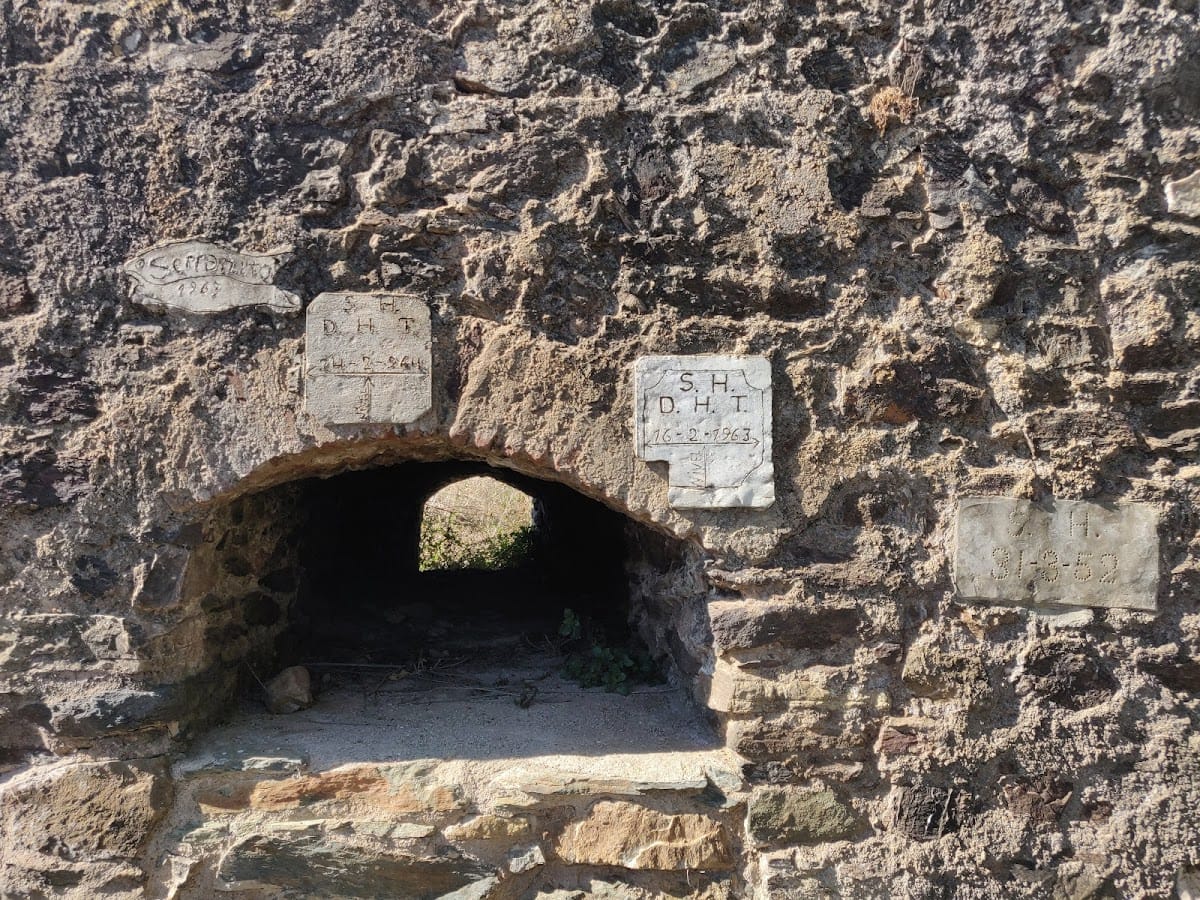
The piers contain 16 openings that allow additional water to pass through during floods. These flood-relief holes reduce the pressure exerted on the bridge by high flows. Signs on the bridge record the maximum water levels reached during floods in the twentieth century.