Alvito Town Hall: A Municipal Building in Portugal
Site at a Glance
- Popularity
- Very Low
- Country
- Portugal
- Primary era
- Early Modern
- Eras represented
- Early Modern
- Civilizations
- Portuguese
- Site type
- Civic
- Remains
- Town Hall
On this page6 sections
History
The Barony and the Council House
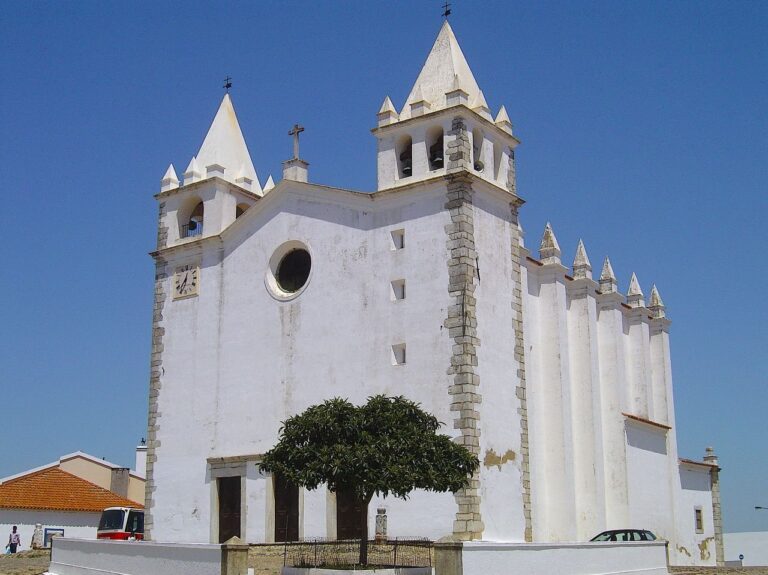
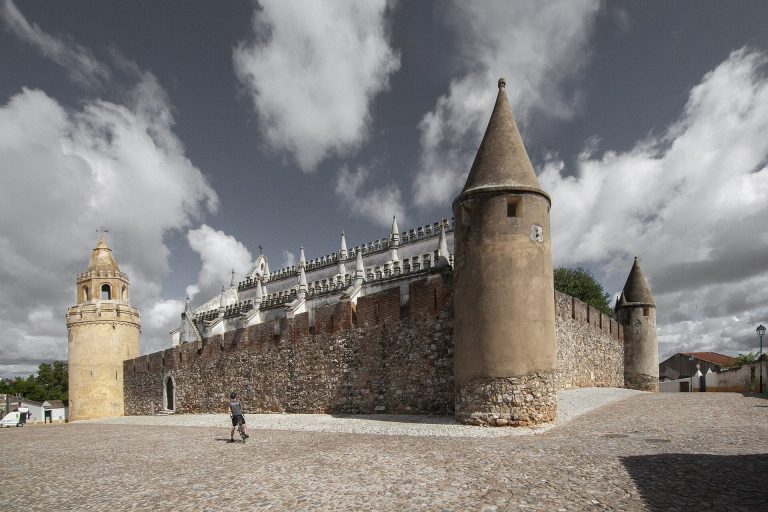
Alvito Town Hall is a municipal building in Alvito, Portugal, whose construction began in the early 16th century. Its architecture combines Manueline features, from a late Gothic Portuguese style, with Mannerist forms, a style that followed the Renaissance, and Baroque elements, known for their elaborate, expressive design.
Alvito expanded after King Afonso V of Portugal established a barony there in 1475, a territorial lordship associated with a baronial title. The town became an important political and economic center in Alentejo. The new building was known as the Council House. A 1594 reference also identifies an earlier town hall near the square, where the pillory stood.
Expansion and Municipal Change
The town hall was enlarged in the 17th century and again in the early 18th century. Partial conservation work took place in the 19th and 20th centuries. Alvito’s municipality was abolished on 26 June 1896 and restored on 13 January 1898. The restored municipal council was installed on 3 February that year.
Remains
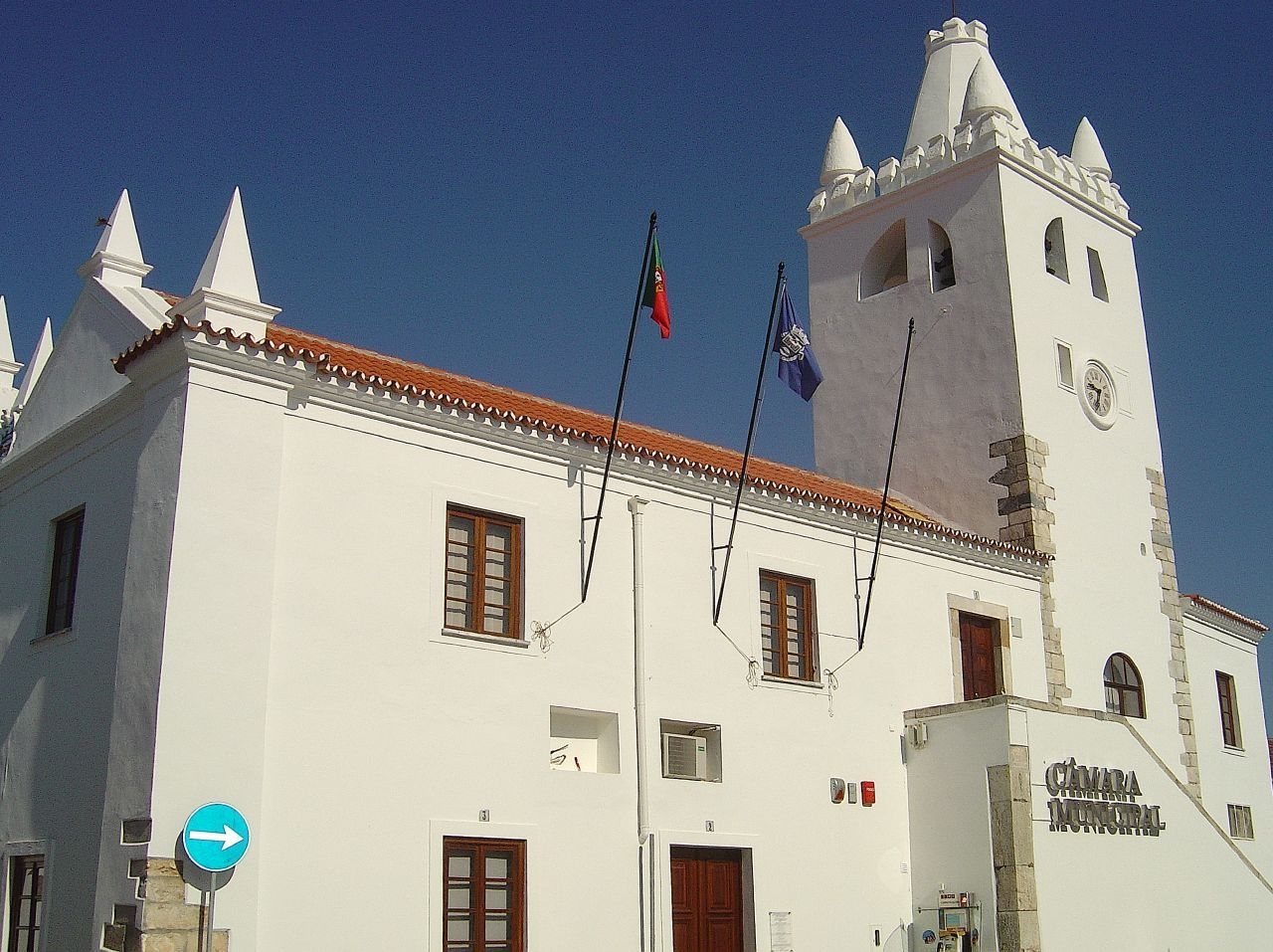
The building developed around its clock tower, with a separate wing corresponding to the council chamber. Its design incorporates details from the Manueline, Mannerist, and Baroque styles.
Clock Tower
The Manueline-style tower has merlons, the raised sections of a parapet, and a crowning spire. Stone corbels project from its walls to support features above. Inside, a pointed rib vault forms a ceiling from intersecting ribs and pointed arches. The tower also contains a clock mechanism dating to the 19th century.
Facades and Council-Chamber Wing
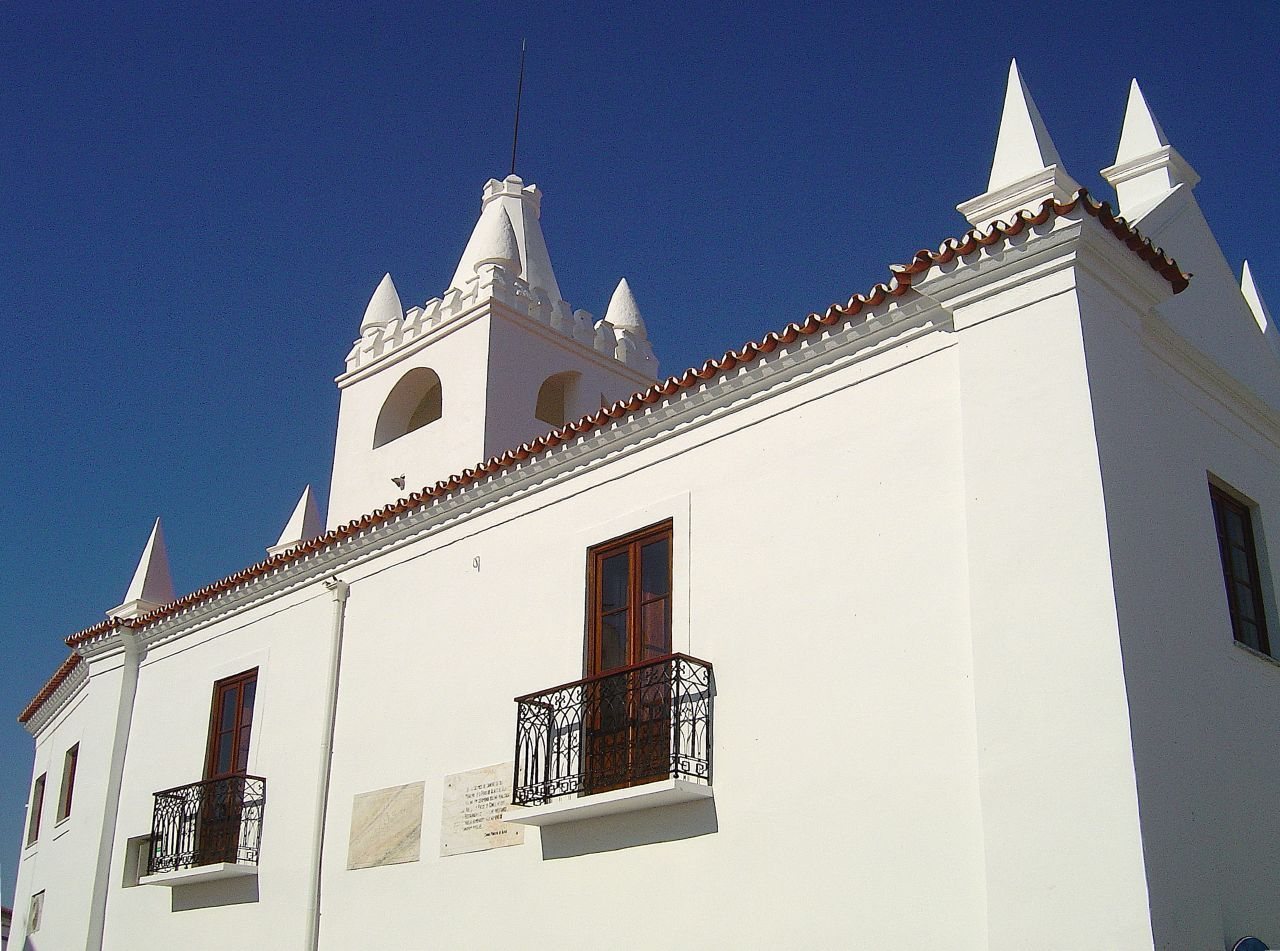
The building’s overall form is particularly Mannerist on the south-facing side. There, shallow, column-like pilasters end in pyramidal pinnacles, upright architectural terminals. Baroque features appear in several vaulted ceilings. The wing corresponding to the council chamber was added during the early 18th-century enlargement. A plaque on the west facade commemorates the municipality’s abolition and restoration and the installation of its restored council.