Church of Mercy of Alvito: A Mannerist Religious and Charitable Ensemble
Site at a Glance
- Rating
- 4.2
- Popularity
- Very Low
- Country
- Portugal
- Primary era
- Early Modern
- Eras represented
- Early Modern, Modern
- Civilizations
- Portuguese
- Site type
- Religious
- Remains
- Church
On this page8 sections
History
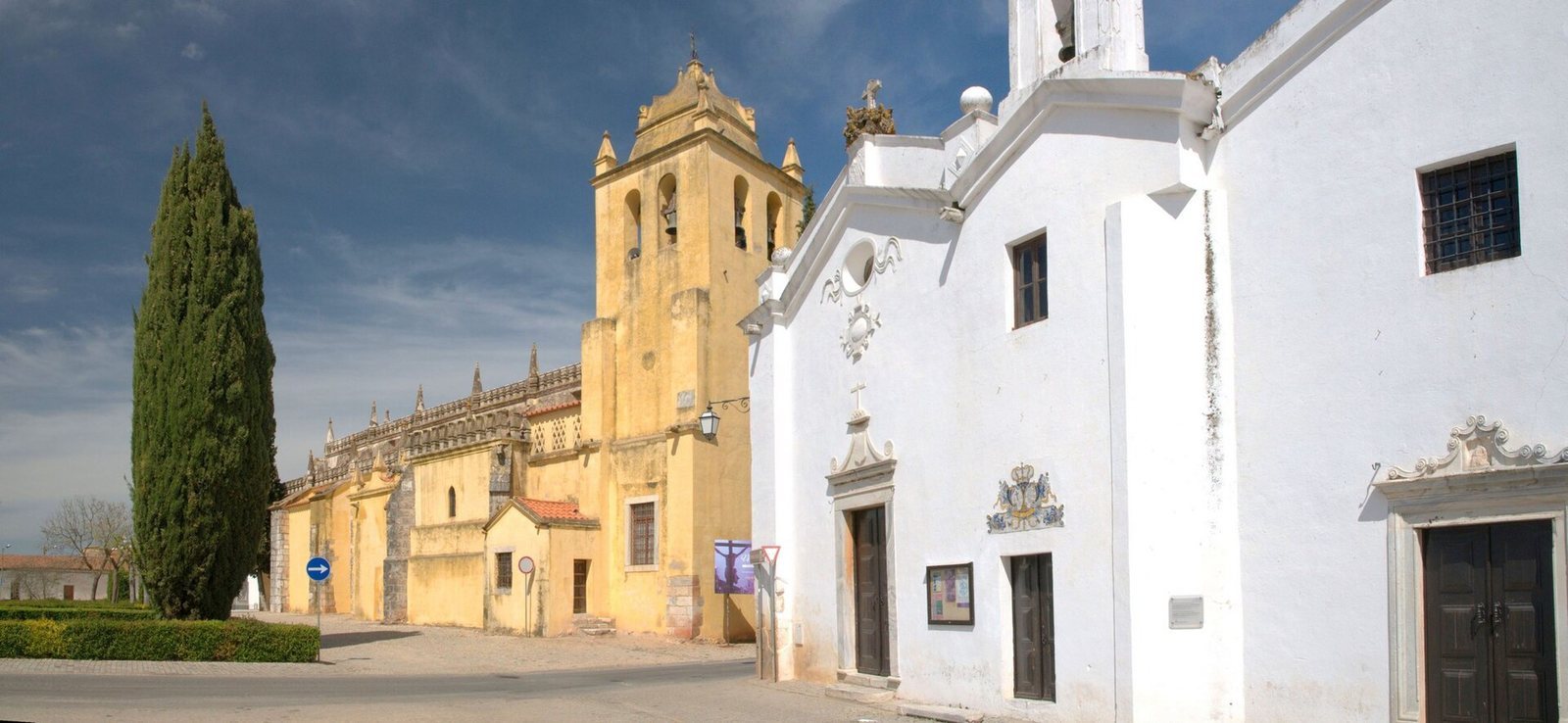
The Church of Mercy of Alvito is a sixteenth-century Mannerist religious ensemble in Alvito, Portugal, formed with the Chapel of Nossa Senhora das Candeias, the church sacristy, and the administrative house. Located beside Rua da Misericórdia near the parish church, it developed in connection with the Santa Casa da Misericórdia de Alvito, a Portuguese charitable religious brotherhood that assisted vulnerable people and supported travelers and pilgrims.
Origins and the Misericórdia
The chapel was probably the first building in the ensemble, constructed perhaps in the early sixteenth century. It was initially known as the Chapel of the Holy Spirit or the Chapel of Our Lady of the Hospital, and it was probably already linked to a hospital and a hostel for pilgrims. The Santa Casa da Misericórdia de Alvito was formally established in 1520, although it had begun operating about a century earlier. Its work included managing a hostel and later a hospital for people in need.
The Church of Mercy was probably built during the second half of the sixteenth century. A record from 1532 refers to building work on the structure, placing activity at the church in an earlier phase of its development.
Seventeenth- and Eighteenth-Century Decoration
Both the church and chapel were repeatedly altered during the seventeenth century. In 1673, the church ceiling received painted brutesco decoration, a style based on fanciful plant, animal, and ornamental motifs. The work may have been carried out by Luís Nunes or his brother Francisco Nunes. In 1677, paintings were commissioned for the side walls of the chapel’s chancel, the area around its main altar, and the painter probably also contributed to the choir decoration. The chapel was lined with glazed ceramic tiles, known as azulejos, in 1682, while the church’s main altarpiece was constructed. The chapel tribune, an elevated gallery, was probably also installed during this century.
During the eighteenth century, blue-and-white tile panels were added to the chapel nave, and its vault was covered with stucco. These interventions extended the ensemble’s decorative development beyond its original sixteenth-century construction.
Later Changes and Protection
In the nineteenth century, the church vault was painted and choir stalls were installed. The church and chapel were jointly classified as a Property of Public Interest under Decree 44,675 of 9 November 1962. An earthquake on 2 February 1969 damaged both buildings. Repairs were carried out later that year by the Directorate-General for Buildings and National Monuments, followed by further work in 1971 and 1979.
Concern about the condition of the Church of Mercy was expressed in 2016 by Alvito’s municipal president, António João Valério. In 2020, the Misericórdia submitted an application under the Portugal 2020 programme for restoration work and a proposed future conversion of the church into the Museum of Sacred Art of Alvito.
Remains
Ensemble and Exterior
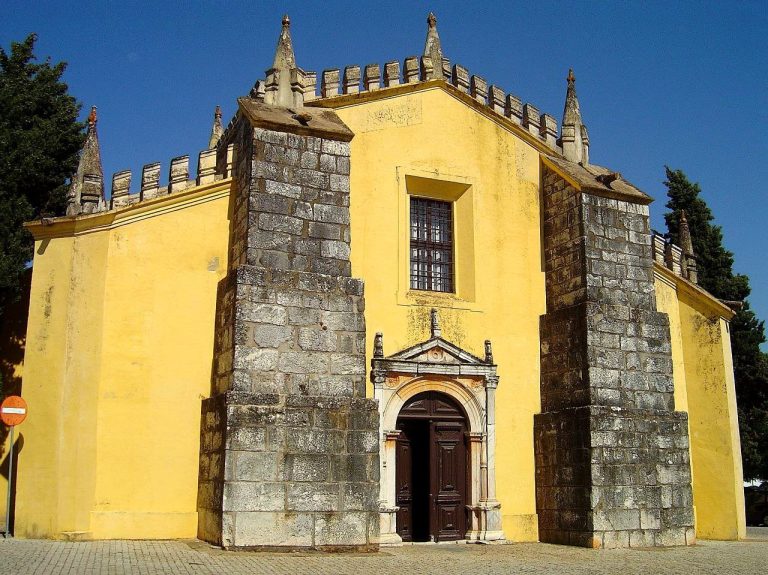
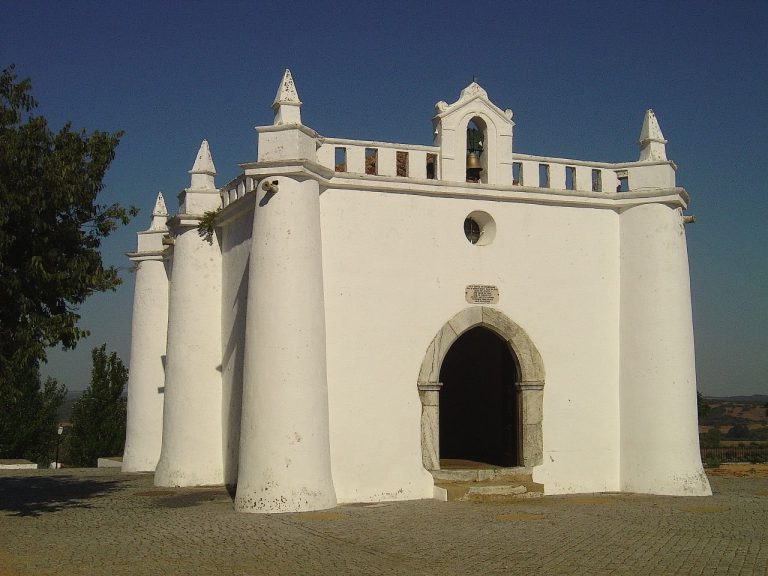
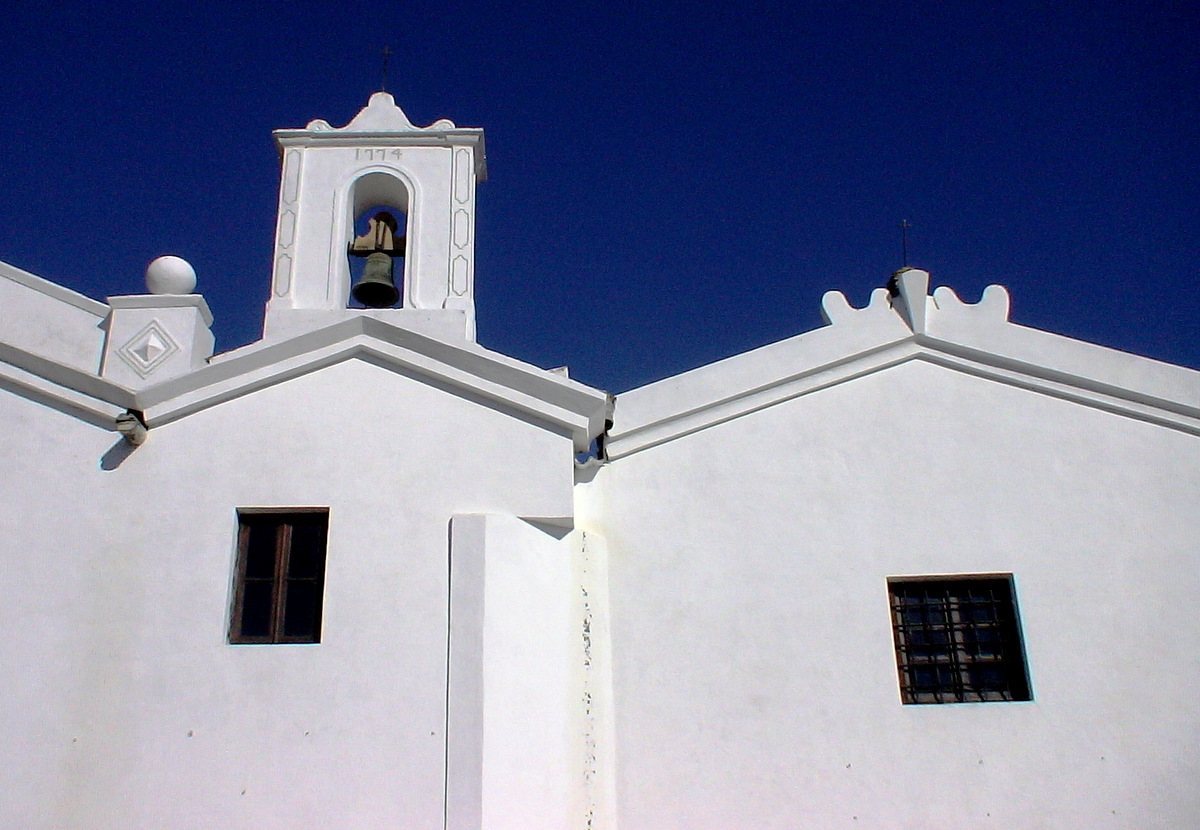
The ensemble is predominantly Mannerist, with notably sober façades and restrained stucco decoration. Its principal exterior features are the church and chapel portals, whose pediments are shaped with volutes. The church pediment bears a shield displaying the wounds of Christ, while the chapel pediment contains a niche with an image of the Virgin and Child. The building volumes end in gables, and their cornices join at the extremities. The façades have been characterized as examples of southern Portuguese Misericórdia temples, combining relatively monumental stucco decoration with a popular architectural quality.
Chapel Interior
The Chapel of Nossa Senhora das Candeias preserves several layers of interior decoration. Its walls contain the azulejos installed in 1682, while the nave has eighteenth-century blue-and-white tile panels. The vault is covered with eighteenth-century stucco, and the chapel also contains a tribune probably installed during the seventeenth century. Together, these features show the successive decorative alterations that shaped the chapel’s interior.
Church Interior
The church interior includes a Mannerist cartouche and decoration surrounding its oculus. Its main altarpiece is ornamented with gilded woodcarving, carved wood covered with gold leaf. The ceiling was painted in 1673 with brutesco motifs, and the church also contains a nineteenth-century painted vault and nineteenth-century choir stalls.